
الصب والماكينات: كيف يخطط المشترون للأجزاء المعدنية النهائية بدلاً من المسبوكات الخام
الصب والماكينات: كيف يخطط المشترون للأجزاء المعدنية النهائية بدلاً من المسبوكات الخام
الصب والماكينات يتطلب قرارًا تصنيعيًا عمليًا قبل موافقة المشترين على المسار.
يجب التخطيط للصب والماكينات معًا عندما يحتاج المشترون إلى شكل مسبوك مع ميزات وظيفية دقيقة. القرار الأساسي هو تحديد الأسطح التي تبقى كما هي بعد الصب والفتحات والوجوه والتجاويف والنقاط المرجعية التي تحتاج إلى ماكينات CNC.
تركز هذه المقالة على فصل الأسطح المسبوكة عن الميزات المشغولة باستخدام CNC حتى يتمكن المشترون من تخطيط الفتحات الملولبة والتجاويف الدقيقة ووجوه الختم والنقاط المرجعية والفحص قبل الإنتاج.
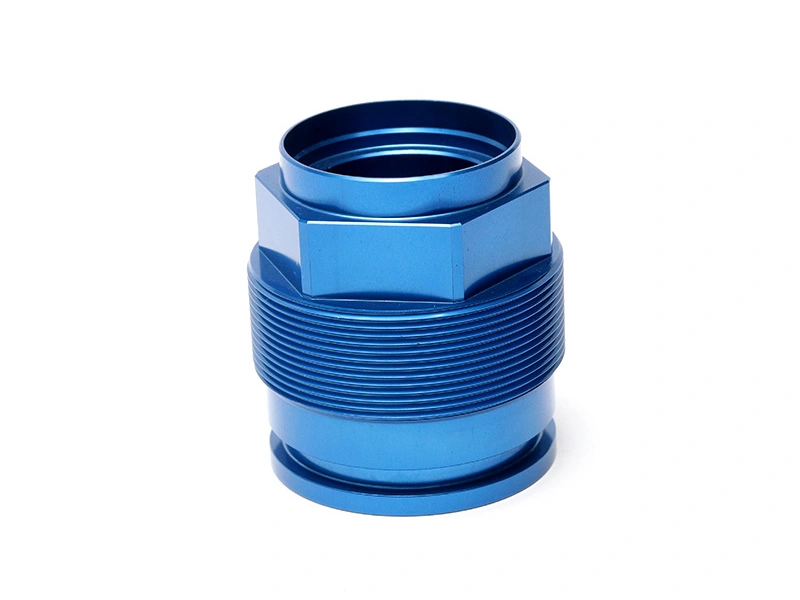
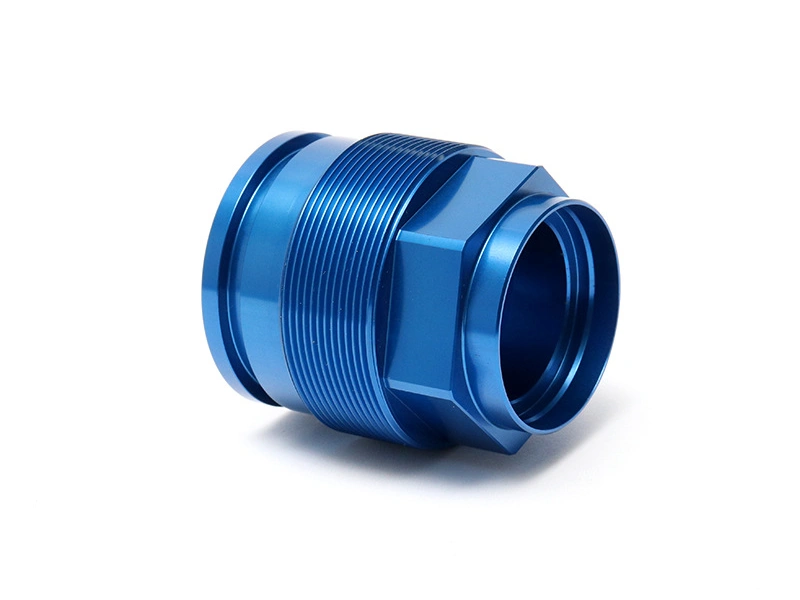
لماذا يتم التخطيط للصب والماكينات معًا غالبًا
الصب والماكينات يتم الجمع بينهما عندما يحتاج المشترون إلى اقتصاديات الصب بالإضافة إلى دقة ماكينات CNC. يشكل الصب الهندسة الرئيسية، بينما تقوم الماكينات بإنهاء الميزات التي تتحكم في الملاءمة والختم والحركة والتجميع.
لا ينبغي للمشتري الانتظار حتى بعد الصب ليقرر أي المناطق تحتاج إلى عمل CNC. يجب التخطيط لبدل التصنيع والنقاط المرجعية والتركيبات والفحص قبل بدء عمل الأدوات أو النماذج.
منطقة الجزء | العملية الأفضل | السبب |
|---|---|---|
الشكل الخارجي والأضلاع | الصب | يشكل الهندسة المعقدة بكفاءة |
الفتحات الملولبة | التصنيع | يتحكم في عمق الخيط والمحاذاة وملاءمة المقياس |
وجوه الختم | التصنيع | يتحكم في الاستواء والتلامس السطحي |
الأسطح المرجعية | التصنيع | ينشئ مرجعًا للفحص والتجميع |
أي الميزات يجب أن تبقى كما هي بعد الصب
الأسطح غير الوظيفية والأضلاع المخفية والجدران العامة وأسطح الميلان وبعض مناطق المظهر يمكن أن تبقى كما هي بعد الصب إذا كانت متطلبات التسامح والسطح تسمح بذلك. الحفاظ على هذه المناطق كما هي بعد الصب يقلل التكلفة ووقت الدورة.
يجب على المشتري تحديد الأسطح الوظيفية بشكل منفصل عن الأسطح غير الوظيفية حتى لا يقوم المورد بتصنيع مناطق غير ضرورية.
خاصية بعد الصب | لماذا يمكن أن تبقى كما هي بعد الصب | تنبيه المشتري |
|---|---|---|
الجدران العامة | لا تتحكم في التجميع أو الختم | لا تزال بحاجة إلى حدود للعيوب والنتوءات |
الأضلاع المخفية | توفر صلابة بدون ملاءمة دقيقة | تجنب خطر الانكماش أو النقاط الساخنة |
الأسطح غير الملامسة | لا حاجة لتسامح ضيق | حدد معيار المظهر إذا كانت مرئية |
أسطح الميلان | جزء من هندسة تحرير القالب | لا تستخدم كنقاط مرجعية دقيقة |
أي الميزات تحتاج عادةً إلى ماكينات CNC
الخيوط والتجاويف ومقاعد المحامل ووجوه الختم ووجوه التثبيت وفتحات التحديد والأسطح المرجعية تحتاج عادةً إلى ماكينات CNC لأن تسامح الصب وحده قد لا يفي بمتطلبات التجميع.
يجب تحديد هذه الميزات على الرسم قبل تقديم العرض بحيث يتم تضمين بدل التصنيع ووصول التركيب وطريقة الفحص.
خاصية مشغولة | لماذا نحتاج CNC | طريقة الفحص |
|---|---|---|
الفتحات الملولبة | موثوقية التثبيت | مقياس الخيط وفحص العمق |
التجاويف الدقيقة | الملاءمة والاستدارة والتماثل المحوري | مقياس التجويف أو CMM |
وجوه التثبيت | تجميع ثابت وتلامس مستوٍ | فحص الاستواء والمرجع |
أسطح الختم | منع التسرب وجودة التلامس | فحص تشطيب السطح والاستواء |
بدل التصنيع وتخطيط التركيبات
بدل التصنيع هو الجسر بين الصب والتصنيع. القليل جدًا من الخام يمكن أن يسبب خردة الأجزاء؛ الكثير من الخام يزيد وقت التصنيع وتآكل الأدوات وخطر التشوه.
يجب أن يستخدم تخطيط التركيبات نقاط مرجعية مستقرة وتجنب التثبيت على الأضلاع الضعيفة أو أسطح الميلان أو الأسطح التجميلية.
عنصر التخطيط | الممارسة الجيدة | المخاطرة إذا تم تجاهله |
|---|---|---|
خام التصنيع | أضف بدلًا متحكمًا به على الأسطح الوظيفية | الأداة لا تستطيع تنظيف المسبوكة |
إستراتيجية المرجع | استخدم أسطح مرجعية مشغولة أو مسبوكة مستقرة | علاقات الميزات تنجرف بين الإعدادات |
دعم التركيبة | ادعم المسبوكة دون تشويه | الجدران الرقيقة تتشوه أثناء التصنيع |
التحكم في التسلسل | قم بتصنيع النقاط المرجعية قبل الميزات التابعة | نتائج الفحص تصبح غير مستقرة |
الفحص للأجزاء المسبوكة والمشغولة
الأجزاء المسبوكة النهائية تحتاج إلى فحص يفصل جودة الصب عن جودة التصنيع. المسامية والوميض وعيوب السطح هي مخاوف الصب، بينما الموضع والاستواء وحجم التجويف وجودة الخيط هي مخاوف التصنيع.
يجب على المورد الشامل أن يجعل المسؤولية واضحة من خلال فحص كلتا المرحلتين قبل التسليم.
عنصر الفحص | المرحلة المتحكم بها | قيمة المشتري |
|---|---|---|
الفحص البصري وفحص العيوب | الصب | يتحكم في الوميض والنتوءات والمسامية وحالة السطح |
تقرير CMM | التصنيع | يتحقق من العلاقات المرجعية والموضعية |
مقياس الخيط | التصنيع | يؤكد ملاءمة التثبيت |
فحص التجميع الوظيفي | الجزء النهائي | يقلل من فشل التجميع النهائي |
يمكن للمشترين الذين يقارنون خطوات التصنيع المتصلة مراجعة أيضًا الصب المعدني وماكينات CNC وعملية ما بعد التصنيع عندما يحتاج المشروع إلى مسار كامل للأجزاء النهائية.
الأسئلة الشائعة
