
ما هو صب الزنك-Zamak بالضغط؟ خطوة بخطوة
Einleitung: Warum ist Zinklegierungs-Druckguss so beliebt?
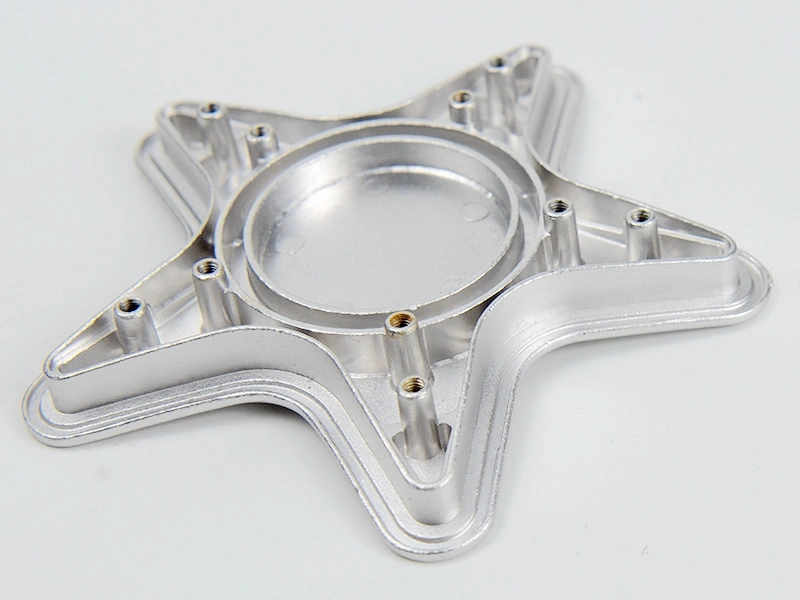
Im Bereich der präzisen Herstellung von Metallkomponenten nimmt der Zinklegierungs-Druckguss aufgrund seiner besonderen Vorteile eine einzigartige und unersetzliche Stellung ein. Als Druckgussingenieur bei Newway habe ich erlebt, wie viele Kunden durch die Wahl des Zinklegierungs-Druckgusses sowohl die Produktqualität als auch die Kosteneffizienz erfolgreich verbessern konnten. Ob für optisch anspruchsvolle Konsumgüter oder maßgenaue Industriebauteile – Zinklegierungs-Druckguss liefert konsequent überzeugende Lösungen. Dieser Artikel führt Sie durch die technischen Details dieses Verfahrens und erläutert systematisch den vollständigen Fertigungsablauf vom Rohmaterial bis zum fertigen Teil.
Was ist Zinklegierungs-(Zamak)-Druckguss?
Definition des Zinklegierungs-Druckgusses
Zinklegierungs-Druckguss ist ein Fertigungsverfahren, bei dem geschmolzene Zinklegierung unter hohem Druck in eine Präzisionsformkavität eingespritzt und anschließend schnell abgekühlt wird, um die gewünschte Bauteilgeometrie zu erzeugen. Dieses Verfahren eignet sich besonders für kleine bis mittelgroße Teile mit komplexen Strukturen und engen Maßanforderungen. Sein Kernwerkstoff Zamak ist eine Legierung aus Zink, Aluminium, Magnesium und Kupfer – der Name „Zamak“ leitet sich aus den Anfangsbuchstaben dieser Elemente auf Deutsch ab.
Kerneigenschaften von Zamak-Legierungen
Zamak-Legierungen vereinen herausragende Werkstoffeigenschaften, die sie ideal für den Druckguss machen. Erstens bieten sie eine sehr gute Gießfließfähigkeit, wodurch selbst feine Werkzeugdetails vollständig gefüllt werden und glatte Oberflächen sowie scharfe Konturen entstehen. Zweitens verfügen Zinklegierungen über eine beeindruckende mechanische Festigkeit, mit Zugfestigkeiten von bis zu etwa 358 MPa und Brinell-Härten von rund 82 HB – damit übertreffen sie viele technische Kunststoffe und einige Aluminiumlegierungen. Darüber hinaus zeichnen sich Zinklegierungen durch exzellente Oberflächenveredelungseigenschaften aus und sind sehr kompatibel mit verschiedenen Galvanik- und Beschichtungsprozessen.
Zinklegierungs-Druckguss vs. andere Druckgussverfahren
Im Vergleich zum Aluminiumdruckguss haben Zinklegierungen eine niedrigere Schmelztemperatur (etwa 380–420 °C), was den Energieverbrauch reduziert und den thermischen Schock für das Werkzeug minimiert – dadurch verlängert sich die Werkzeugstandzeit. Gegenüber dem Magnesiumdruckguss bietet der Zinklegierungs-Druckguss Vorteile bei der Kostenkontrolle und der Prozessreife. Bei Dünnwand-Anwendungen sind Zinklegierungen besonders stark: Sie können zuverlässig Teile mit Wandstärken bis hinunter zu 0,5 mm herstellen – ein wichtiger Vorteil in vielen Konstruktionsszenarien.
Schritt-für-Schritt-Prozess des Zinklegierungs-Druckgusses
Schritt 1: Werkzeugkonstruktion und Formenbau
Ein Präzisionswerkzeug ist die Grundlage des Zinklegierungs-Druckgusses, da seine Qualität direkt die Genauigkeit und Konsistenz der Endprodukte bestimmt. Unser Formenbau-Team nutzt fortschrittliche Konstruktionssoftware und Bearbeitungsanlagen, um sicherzustellen, dass jedes Werkzeug strenge technische Anforderungen erfüllt. Beim Werkzeugdesign müssen Faktoren wie Legierungsschrumpfung, Entformungsschrägen, Layout der Kühlkanäle und Entlüftung umfassend berücksichtigt werden – bei gleichzeitig ausreichender Festigkeit und Verschleißbeständigkeit für eine Serienfertigung mit hohen Stückzahlen.
Schritt 2: Legierungsschmelzen und Vorbereitung
Das Schmelzen der Zamak-Legierung muss unter streng kontrollierten Temperaturbedingungen erfolgen, typischerweise bei etwa 420 °C. Wir verwenden automatisierte Schmelzsysteme, um eine gleichmäßige Zusammensetzung und stabile Legierungsqualität sicherzustellen. Während des Schmelzens wird besonders darauf geachtet, eine Verunreinigung durch Eisen zu verhindern, da selbst Spuren von Eisen die Fließfähigkeit und mechanischen Eigenschaften negativ beeinflussen können.
Schritt 3: Werkzeugschließen und Einspritzen
Sobald das Werkzeug vorbereitet ist und die Legierung den optimalen Schmelzzustand erreicht hat, bringt die Druckgussmaschine eine Schließkraft von etwa 50–100 MPa auf, um das Werkzeug zu verriegeln. Der Gießkolben spritzt anschließend die geschmolzene Zinklegierung mit einer Geschwindigkeit von etwa 15–45 m/s in die Kavität ein. Das Timing ist in dieser Phase entscheidend: Die gesamte Einspritzung wird in der Regel innerhalb von 0,01–0,2 Sekunden abgeschlossen, damit die Legierung jede Ecke des Werkzeugs vollständig füllt, bevor die Erstarrung beginnt.
Schritt 4: Abkühlen und Erstarren
Nach dem Einspritzen beginnt das Gussteil im Werkzeug abzukühlen und zu erstarren. Dank der schnellen Erstarrungseigenschaften von Zinklegierungen ist dieser Schritt relativ kurz – typischerweise nur wenige Sekunden. Kühlwasserkanäle im Werkzeug steuern die Temperatur präzise, sorgen für gleichmäßiges Abkühlen und minimieren Defekte wie Schrumpfung, Porosität oder Verzug, die durch zu große Temperaturgradienten entstehen können.
Schritt 5: Werkzeugöffnung und Auswerfen
Wenn das Gussteil ausreichend erstarrt ist, öffnet die Druckgussmaschine das Werkzeug automatisch. Ein sorgfältig ausgelegtes Auswerfersystem aktiviert sich anschließend und drückt das Gussteil mit Auswerferstiften kontrolliert aus der Kavität. Dieser Schritt erfordert präzises Timing und eine kontrollierte Auswerfkraft, um ein leichtes Entformen ohne Verformung des Bauteils oder Beschädigung der Oberfläche sicherzustellen.
Schritt 6: Entgraten sowie Anguss- und Laufersystem entfernen
Nach dem Auswerfen trägt das Gussteil noch Angüsse, Läufer, Überläufe und anderes überschüssiges Material, das mit speziellen Trimmwerkzeugen entfernt werden muss. Dieser Vorgang ist typischerweise in eine automatisierte Fertigungslinie integriert, um konstante Maße sicherzustellen. Die abgetrennten Läufer und der Ausschuss werden umgehend recycelt – ein Hinweis auf die umweltfreundliche, zu 100% recycelbare Natur von Zinklegierungen.
Nachbearbeitung und Oberflächenbehandlungen nach dem Guss
Wesentliche Reinigungs- und Finish-Prozesse
Nach dem grundlegenden Trimmen ist eine weitere Oberflächenverfeinerung erforderlich. Wir setzen mechanische Entgratverfahren ein und nutzen präzise Vibrations-Finishing-Anlagen, um feine Grate an Kanten zu entfernen. Für Teile mit spezifischen Anforderungen an die Oberflächenoptik kann Sandstrahlen verwendet werden, um ein gleichmäßiges mattes Finish oder individuelle Texturen zu erzeugen. Diese Behandlungen verbessern nicht nur die Optik, sondern schaffen auch eine solide Basis für nachfolgende Beschichtungsprozesse.
Präzise sekundäre Bearbeitung
Für Bereiche mit höheren Maßanforderungen bieten wir professionelle Nachbearbeitungs-Services für Druckgussteile an. Mit hochpräziser CNC-Bearbeitung können wir kritische Maße gezielt feinjustieren, um strenge Montagetoleranzen zu erfüllen. Dieser kombinierte Ansatz nutzt die hohe Effizienz des Druckgusses und die hohe Präzision der Bearbeitung und liefert so die wirtschaftlichste Lösung.
Oberflächenbehandlungen zur Verbesserung von Optik und Performance
Zinklegierungen sind mit einer Vielzahl von Oberflächenveredelungsprozessen sehr gut kompatibel. Je nach Kundenanforderung können wir Galvanik, Nasslackierung oder Pulverbeschichtung anbieten. Galvanische Beschichtungen verleihen Teilen eine hochwertige metallische Optik und erhöhen die Korrosionsbeständigkeit deutlich. Pulverbeschichtung bietet vielfältige Farboptionen und robuste Schutzschichten und eignet sich ideal sowohl für funktionale als auch dekorative Anwendungen.
Wichtige Werkstoffauswahl: Die Zamak-Familie verstehen
Zamak 3: Die universelle Standardwahl
Zamak 3 ist die am häufigsten verwendete Zinklegierung für den Druckguss und bekannt für ihre hervorragende Fließfähigkeit und Maßstabilität. Sie eignet sich besonders für komplexe, dünnwandige Komponenten und bewährt sich in einem breiten Spektrum industrieller und konsumorientierter Anwendungen. Die ausgewogenen Eigenschaften und die hohe Kosteneffizienz machen sie für viele Projekte zur ersten Wahl.
Zamak 5: Höhere Festigkeit und Härte
Wenn Bauteile höhere Lasten oder stärkeren Verschleiß aushalten müssen, ist Zamak 5 eine ideale Option. Mit etwa 1% Kupferanteil bietet es rund 10% höhere Festigkeit und Härte als Zamak 3, bei weiterhin guter Gießbarkeit. Diese Legierung wird häufig für Schlosskomponenten, Beschläge und Werkzeugteile eingesetzt, die eine verbesserte mechanische Performance erfordern.
Weitere Spezial-Zinklegierungen
Zusätzlich zur Standard-Zamak-Serie bieten wir eine Reihe spezieller Zinklegierungen an, die gezielt für besondere Anforderungen entwickelt wurden. Beispielsweise liefern ZA-8 und ähnliche Legierungen höhere Einsatztemperatur-Fähigkeiten bei gleichzeitig guten Gießeigenschaften, und bestimmte niedrigkupferhaltige Formulierungen sind speziell darauf ausgelegt, die Galvanik-Eignung für dekorative oder funktionale Beschichtungen zu verbessern.
Zentrale Vorteile des Zinklegierungs-Druckgusses
Zinklegierungs-Druckguss hebt sich durch mehrere Stärken von vielen Fertigungsmethoden ab. Er erreicht eine sehr hohe Maßgenauigkeit, wobei Toleranzen typischerweise innerhalb von ±0,05 mm kontrolliert werden und damit die meisten Präzisionsmontage-Anforderungen erfüllen. Das Verfahren unterstützt dünnwandige Designs mit Mindestwandstärken bis zu 0,5 mm und eröffnet dadurch größere Konstruktionsfreiheit. Aus Produktivitätssicht bietet Zinklegierungs-Druckguss kurze Zykluszeiten und ist ideal für die Großserienfertigung. Darüber hinaus ermöglicht die sehr gute Oberfläche im Gusszustand häufig eine direkte Verwendung oder nur minimale Vorbehandlung vor Beschichtung oder Montage.
Breites Anwendungsspektrum von Zinklegierungs-Druckgussteilen
Automobilindustrie
In der Automobilfertigung werden Zinklegierungs-Druckgussteile häufig für Innenraumkomponenten, Türschließsysteme, Sensorgehäuse und weitere Bauteile eingesetzt. Diese Komponenten erfordern präzise Maße, eine ansprechende Optik und ausreichende mechanische Festigkeit – Anforderungen, die Zinklegierungs-Druckguss hervorragend erfüllt.
Unterhaltungselektronik und Haushaltsgeräte
Konsumgüterelektronik verlangt sowohl hohe Ästhetik als auch enge Toleranzen. Von Laptop-Scharnieren bis zu Gehäusen für Smart-Home-Geräte liefert Zinklegierungs-Druckguss strukturelle Integrität und eine hochwertige Oberfläche. Seine gute elektromagnetische Abschirmwirkung macht ihn zusätzlich vorteilhaft für Elektronikgehäuse.
Beschläge und Schlösser
Die Beschlag- und Schlossindustrie ist ein klassisches Kerngebiet des Zinklegierungs-Druckgusses. Türgriffe, Schließzylinder und verwandte Komponenten lassen sich mit komplexen inneren Strukturen und raffinierten äußeren Formen herstellen – bei gleichzeitig hoher Haltbarkeit und Zuverlässigkeit.
Mode- und Konsumgüter
In der Mode- und Markenartikelindustrie haben wir für bekannte Marken exquisite Gürtelschnallen und elegante Parfümflaschen-Verschlüsse produziert. Diese Produkte zeigen die hervorragende Kompatibilität des Zinklegierungs-Druckgusses mit Oberflächenveredelungen – von spiegelglänzendem Chrom bis hin zu Vintage-Patina-Finishes.
Newway wählen: Professionelle Lösungen für Zinklegierungs-Druckguss
Bei Newway haben wir über ein Jahrzehnt Erfahrung im Zinklegierungs-Druckguss aufgebaut. Neben modernster Produktionstechnik und umfassenden Qualitätsprüfsystemen liegt unsere größte Stärke in unserem erfahrenen Engineering-Team, das vollständige technische Unterstützung von der Designoptimierung bis zur Serienfertigung bietet. Unsere Nachbearbeitung stellt sicher, dass jedes Teil höchste Standards erfüllt, und unser One-Stop-Service-Modell ermöglicht es Kunden, sich auf ihr Kerngeschäft zu konzentrieren. Ein Beispiel ist die komplette Zinklegierungs-Druckguss- und Finish-Lösung, die wir für Philips Elektrorasierer-Gehäuse bereitgestellt haben – sie demonstriert unsere integrierten Fähigkeiten in diesem Bereich.
Fazit: Das ideale Fertigungsverfahren für Ihr Projekt wählen
Zinklegierungs-Druckguss ist eine bewährte und zuverlässige Fertigungstechnologie, die Präzision, Effizienz und Kosten in ein hervorragendes Gleichgewicht bringt. Ob für großvolumige Industriebauteile oder designorientierte Konsumgüter – er bietet robuste und wettbewerbsfähige Lösungen. Wir empfehlen Produktentwicklern, die Eigenschaften des Zinklegierungs-Druckgusses bereits in frühen Projektphasen zu berücksichtigen und mit professionellen Engineering-Teams zusammenzuarbeiten, um seine Vorteile voll auszuschöpfen und wettbewerbsfähigere Produkte zu entwickeln.
Häufig gestellte Fragen (FAQ)
What are the main differences between Zamak 3 and Zamak 5? How to choose?
What is the minimum wall thickness achievable for zinc alloy die castings?
Is zinc alloy die casting suitable for outdoor applications? How about its corrosion resistance?
What is the typical production lead time for zinc alloy die castings?
Can Newway support low-volume trial production of zinc alloy die castings?
