
الطلاءات العازلة والموصلة في مكونات الصب بالقالب
مقدمة
تعتمد الأنظمة الإلكترونية والسياراتية والصناعية الحديثة بشكل كبير على هياكل وأقواس وموزعات الحرارة المصبوبة بالقالب، والتي يجب أن تتعامل ليس فقط مع الأحمال الميكانيكية، ولكن أيضًا مع السلوك الكهربائي. في العديد من المنتجات، يحتاج نفس الصب المصنوع من الألومنيوم أو الزنك إلى توفير القوة الهيكلية، وتبديد الحرارة، والعزل الكهربائي المحلي، وواجهات توصيل انتقائية. تحقيق هذا التوازن يتطلب مزيجًا مصممًا بعناية من سبيكة المادة الأساسية، والهندسة، والطلاءات السطحية.
في Neway، ندمج تصميم الطلاءات العازلة والموصلة مباشرة في سير عمل الصب المعدني عالي الدقة. من خلال تنسيق اختيار السبائك، وتصميم القالب، والتصنيع، والمعالجة اللاحقة، والإنهاءات المتخصصة، نساعد العملاء على بناء مكونات مصبوبة توجيه التيارات بأمان، وحماية الدوائر الحساسة، والحفاظ على الموثوقية طويلة الأمد في التجميعات الكهربائية الميكانيكية المعقدة.
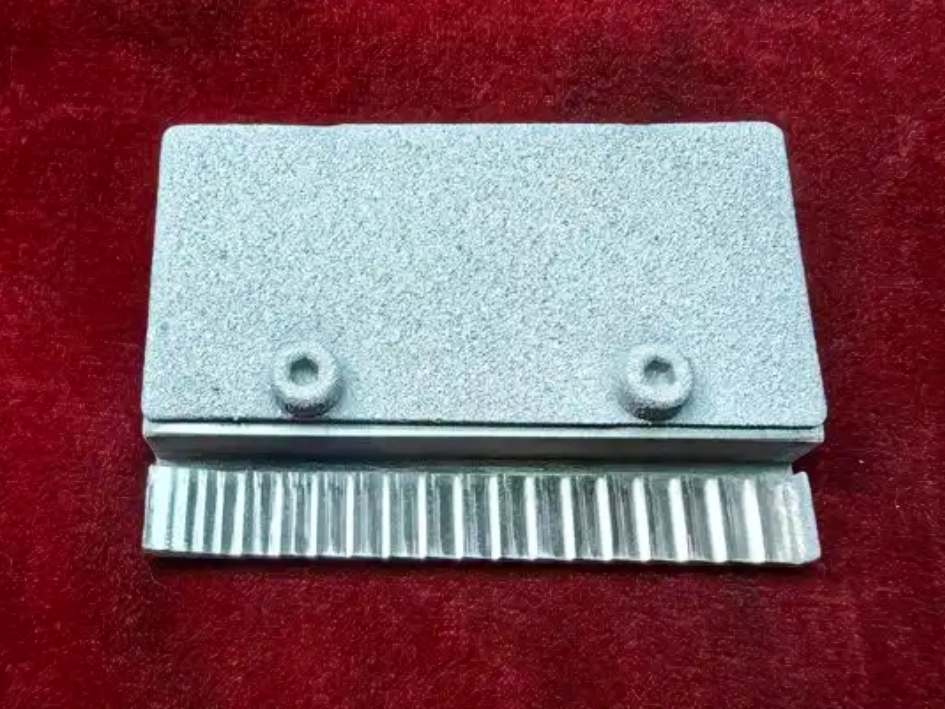
المتطلبات الكهربائية في تصميمات الصب بالقالب
تتفاعل مكونات الصب بالقالب مع الأنظمة الكهربائية بعدة طرق، وغالبًا في وقت واحد:
تخدم كأغلفة واقية حول الإلكترونيات عالية الجهد أو الحساسة.
تعمل كمستويات مرجعية حرارية وكهربائية لأجهزة الطاقة ووحدات الإشارة.
تشكل جزءًا من بنية التأريض أو التدريع للتحكم في التوافق الكهرومغناطيسي.
توفر مسافات الزحف والتباعد بين الموصلات الحية والمستخدم.
بدون طلاءات عازلة وموصلة مناسبة، قد تخلق أسطح الصب الخام مسارات تيار غير مقصودة، أو عزل كهربائي غير كافٍ، أو مقاومة تلامس غير مستقرة. تتيح استراتيجية طلاء قوية عزلًا موضعيًا حيث يوجد المستخدم أو الدوائر منخفضة الجهد، وتوصيلًا كهربائيًا مضبوطًا حيث يكون التأريض، أو تدريع التداخل الكهرومغناطيسي، أو انتشار الحرارة مطلوبًا.
سبائك المادة الأساسية وسلوكها الكهربائي
نقطة البداية هي السبيكة الأساسية. تتمتع مواد الألومنيوم والزنك والنحاس بخصائص توصيل مميزة تؤثر على اختيار الطلاءات العازلة أو الموصلة.
للأغلفة وموزعات الحرارة خفيفة الوزن، تستخدم Neway أغلفة الصب بالقالب من الألومنيوم بناءً على سبائك مختارة من مجموعة سبائك الألومنيوم للصب بالقالب بالضغط. توفر هذه السبائك توصيلًا كهربائيًا وحراريًا جيدًا، مما يجعلها مثالية للدروع المؤرضة وموزعات الحرارة؛ ومع ذلك، فهي تتطلب عزلًا مصممًا هندسيًا عندما تكون الدوائر الحية أو أسطح لمس المستخدم قريبة.
حيث تكون الهندسات المعقدة والتفاصيل الدقيقة بالغة الأهمية، توفر حلول الصب بالقالب من الزنك المدمجة مع أنظمة سبائك الزنك المصممة هندسيًا تسامحات دقيقة وأسطح ناعمة تقبل بسهولة الطلاءات الزخرفية والوظيفية. توفر ركائز النحاس والنحاس الأصفر من محفظتنا من درجات النحاس والنحاس الأصفر المصبوبة توصيلًا عاليًا لقضبان التوصيل، والطرفيات، وحوامل التلامس.
يتم تقييم خيارات السبائك بشكل شامل باستخدام منصة اختيار مواد الصب بالقالب المركزية، مما يضمن محاذاة المتطلبات الميكانيكية والحرارية والكهربائية قبل تحديد تراكمات الطلاء.
الطلاءات العازلة لمكونات الصب بالقالب
تنشئ الطلاءات العازلة حواجز عازلة بين الركائز المعدنية الموصلة والدوائر الكهربائية، أو المستخدمين، أو المكونات المجاورة. يجب أن تجمع بين قوة العزل الكافية، والمتانة البيئية، والالتصاق القوي بسطح الصب.
الطلاءات المسحوقية كحواجز عازلة
تشكل المساحيق الكهروستاتيكية أغشية عضوية قوية وسميكة نسبيًا تعزل المعدن عن محيطه. تطبق Neway هذه الأنظمة من خلال خدمة الطبقة العازلة المطلية بالمسحوق، حيث يتم تخصيص سمك الفيلم وظروف المعالجة لتلبية أهداف أداء العزل والأداء البيئي المحددة.
لأغلفة إلكترونيات الطاقة أو الوحدات المتعلقة بالمركبات الكهربائية، تنشئ الطلاءات المسحوقية حاجزًا متينًا يقاوم الكشط والتشقق والرطوبة، مع توفير خيارات اللون والملمس للأسطح المواجهة للمستخدم. تسمح استراتيجيات التغطية بالتعرض الانتقائي لوسائد التأريض أو مناطق نقل الحرارة.
أنظمة الطلاء السائل للعزل الكهربائي
عندما تكون الأغشية الرقيقة، أو التراكمات متعددة الطبقات، أو التحكم الدقيق في اللون واللمعان مطلوبة، غالبًا ما تكون الطلاءات السائلة هي الحل الأكثر مرونة. باستخدام أنظمة العزل بالطلاء السائل، يمكن تكوين الطبقات الأساسية والنهائية لتوفير أداء العزل ومقاومة المواد الكيميائية.
تُستخدم هذه الأنظمة بشكل متكرر على صب الألومنيوم أو الزنك التي تعمل كأغلفة خارجية للإلكترونيات الاستهلاكية، حيث قد يلمس المستخدم السطح المطلي مباشرة، ويجب أن تتعايش خصائص العزل مع الجماليات المكررة.
الطبقات الأنودية كعوازل وظيفية
يخلق الأنودة الألومنيوم طبقة أكسيد تشبه السيراميك مرتبطة مباشرة بالركيزة، مما يوفر كلًا من الحماية من التآكل والعزل الكهربائي. تسمح الأنودة الوظيفية للعزل من Neway للمهندسين بضبط سمك الأكسيد وطرق الإغلاق لتحقيق قوة العزل المطلوبة وأداء التآكل.
للبيئات الأكثر تطلبًا، تولد العمليات المدعومة بالبلازما مثل تقنية الأنودة بالقوس المتقدمة طبقات أكثر سمكًا وكثافة تحسن بشكل كبير جهد الانهيار والاستقرار الحراري. هذه الطلاءات مناسبة تمامًا لهياكل قضبان التوصيل عالية الجهد، وأغلفة العاكسات، ومحركات الصناعية حيث يجب التحكم في هوامش الأمان بدقة.
تصميم المسارات الموصلة على أسطح الصب بالقالب
بالتوازي مع العزل، تتطلب العديد من التصميمات مناطق توصيل عالية التحكم. يمكن أن تعمل هذه كأسطح مرجعية للتأريض، أو واجهات تدريع، أو مسارات لحمل التيار.
التصنيع الدقيق هو أداة حاسمة في هذه العملية. بعد الطلاء، يتم فتح أو تنقية المناطق المختارة باستخدام وسائد التلامس المصنعة بدقة، منتجة واجهات مستقلة ومنخفضة المقاومة للمثبتات، أو جهات التلامس الزنبركية، أو وصلات قضبان التوصيل. من خلال دمج تخطيط التصنيع والطلاء، نمنع ترقق الفيلم الزائد ونتجنب التقشر عند حواف النوافذ الموصلة.
لمكونات غنية بالنحاس، مثل الطرفيات أو الموصلات المصنعة عبر مكونات الصب القائمة على النحاس، تضمن التحضير السطحي والإنهاء الانتقائي بقاء مناطق التلامس نظيفة وموصلة بينما تتلقى الأسطح المحيطة طلاءات واقية أو زخرفية.
تراكمات الطلاء وهندسة الواجهة
نادرًا ما تعتمد أنظمة العزل والتوصيل عالية الأداء على طبقة واحدة. بدلاً من ذلك، تستخدم تراكمات حيث تخدم كل طبقة وظيفة محددة:
تحسن طبقات التحويل أو الأكسيد الالتصاق ومقاومة التآكل الأساسية.
تدير الطبقات الأساسية المتوسطة الإجهاد الميكانيكي وتعزز سلوك العزل.
توفر الطبقات النهائية مقاومة التآكل، واللون، والاستقرار للأشعة فوق البنفسجية.
تحافظ المناطق المصنعة أو المغطاة على التوصيل المقصود حيثما دعت الحاجة.
يرتبط تصميم التراكم ارتباطًا وثيقًا بتصميم القالب والمعالجة اللاحقة. من خلال خدمة هندسة الأدوات والقوالب، نقوم بتعديل الحواف المنحنية، والأضلاع، وانتقالات الجدران لتقليل الحواف الحادة التي تركز المجالات الكهربائية أو تسبب ترقق الطلاء. في المراحل اللاحقة، يخلق تسلسل منسق من المعالجة اللاحقة المتكاملة للمسبوكات—بما في ذلك إزالة الحواف بالجملة والتلميع و معالجات التفجير الكاشطة—ظروف سطحية متسقة قبل الطلاء.
التكامل مع التجميع وتصميم مستوى النظام
تعمل الطلاءات العازلة والموصلة بشكل صحيح فقط عندما يتم محاذاة التجميع وتصميم مستوى النظام مع هندسة السطح. يؤثر اختيار المثبتات، ومواد الجوانات، والأجزاء المتزاوجة على استقرار مسافات العزل ومقاومات التلامس.
ضمن خدمات التجميع الكهربائية الميكانيكية في Neway، ندير عزم الدوران، والضغط، والموضع بحيث لا تتلف الأسطح المطلية أثناء التثبيت، وتحافظ الواجهات الموصلة على ضغط تلامس مضبوط. حيثما لزم الأمر، يتم دمج بوشنات أو فواصل عازلة للحفاظ على مسافات الزحف والتباعد حتى تحت الاهتزاز والدورات الحرارية.
للإلكترونيات عالية الكثافة ومنصات معالجات الرسومات، مثل تلك المنعكسة في برنامج صب إطار معالج الرسومات من Nvidia و دراسة حالة هيكل معالج الرسومات من Gigabyte، فإن العزل المضبوط بين مراحل الطاقة، وطبقات الإشارة، وتأريض الهيكل أمر بالغ الأهمية. لذلك، يتم تطوير تصميم الطلاء بالتوازي مع بنية اللوحة المطبوعة، والموصل، وتراكم الحرارة.
النماذج الأولية والتحقق من صحة الطلاءات الكهربائية
نظرًا لأن الطلاءات العازلة والموصلة تؤثر مباشرة على السلامة والامتثال للتوافق الكهرومغناطيسي، فإن التحقق المبكر أمر ضروري. توفر Neway مسارات متعددة لتقييم استراتيجيات الطلاء قبل الالتزام بالأدوات الكاملة.
باستخدام عينات مطلوبة سريعة النمذجة و نماذج الطباعة ثلاثية الأبعاد المعدنية، يمكن للعملاء اختبار مقاومة العزل، وسلوك انهيار العزل، ومقاومة تلامس التأريض بسرعة تحت ظروف واقعية. بمجرد تجميد الهندسة، تؤكد المسبوكات ذات التشغيل القصير المنتجة عبر قوالب ذات نية إنتاجية سلوك الطلاء على السبيكة النهائية والمورفولوجيا السطحية.
يتم دمج الاختبارات الكهربائية والبيئية—مثل اختبار الجهد العالي، ومقاومة العزل، والدورات الحرارية، والتعرض للرطوبة—مع الفحوصات الأبعادية والميكانيكية باستخدام أنظمة القياس والاختبار المتاحة في مركز فحص مكونات الصب بالقالب. تتدفق الدروس المستفادة من النمذجة الأولية مباشرة إلى نطاقات عملية مستقرة للتصنيع بالجملة.
أمثلة تطبيقية
تلعب الطلاءات العازلة والموصلة دورًا عبر مجموعة واسعة من المشاريع:
تتطلب أغلفة الاتصالات والشبكات، المشابهة لـ مشروع غلاف شبكة Huawei، أغلفة ألومنيوم مؤرضة تحمي الدوائر الرقمية عالية السرعة مع ضمان أسطح آمنة للمستخدم.
وحدات المفصلة والشحن المدمجة، كما في تجميع مفصلة سماعة Apple، حيث تجمع أجزاء الصب بالقالب الصغيرة بين الهيكل الميكانيكي، والموصلات المضمنة، والمناطق المعزولة لدوائر المرونة.
أغلفة محركات الصناعية والعاكسات، حيث تدمج مسبوكات الألومنيوم المؤكسدة أو المطلية بالمسحوق موزعات الحرارة، وجدران التدريع، وأسطح خارجية آمنة للمس في مكون واحد.
في كل حالة، يتم تعريف استراتيجية الطلاء كجزء من بنية المنتج الشاملة، بدلاً من إضافتها في النهاية. يقلل هذا النهج من حلقات إعادة التصميم، ويحسن هوامش الامتثال، ويقصر وقت الوصول إلى السوق.
خاتمة
تمكن الطلاءات العازلة والموصلة مكونات الصب بالقالب من العمل كأكثر من هياكل معدنية بسيطة—تصبح منصات كهربائية ميكانيكية متكاملة تدير التيارات، والمجالات، والحرارة، وتفاعل المستخدم في وقت واحد. من خلال تنسيق اختيار السبائك، والأدوات، وتحضير السطح، وتقنيات الطلاء المتقدمة، تقدم Neway أجزاء الصب بالقالب التي تلبي المتطلبات الكهربائية والميكانيكية والبيئية المتطلبة في حزمة واحدة ومحسنة.
من الإلكترونيات عالية الكثافة إلى الأنظمة الصناعية القوية، تساعد الأسطح العازلة والموصلة المصممة هندسيًا بشكل صحيح في حماية الدوائر، وتعزيز السلامة، واستقرار الأداء على مدى فترات خدمة طويلة. كشريك تصنيع يركز على الهندسة، تدعم Neway العملاء في تحويل هذه المتطلبات المعقدة إلى حلول طلاء وصب قوية وقابلة للتكرار.
الأسئلة الشائعة
ما العوامل التي تحدد ما إذا كان سيتم استخدام الطلاء المسحوقي، أو الطلاء، أو الأنودة للعزل الكهربائي على المسبوكات بالقالب؟
كيف يتم إنشاء مناطق التلامس الموصلة والتحكم فيها على أغلفة الصب بالقالب المطلية؟
هل يمكن لمكون صب بالقالب واحد أن يجمع بين أسطح المستخدم المعزولة ومناطق التدريع المؤرضة؟
كيف يؤثر اختيار السبيكة وتحضير السطح على أداء العزل للطلاءات؟
ما طرق الاختبار التي تستخدمها Neway للتحقق من صحة الطلاءات العازلة والموصلة قبل الإنتاج الضخم؟
