
ما هي خدمة السفع الرملي للمسبوكات؟
مقدمة
في عالم تصنيع مكونات السباكة، غالبًا ما يكون تحقيق الملمس السطحي المثالي بنفس أهمية الحفاظ على الدقة الأبعادية. تمثل خدمة السفع الرملي للمسبوكات معالجة سطحية أساسية للغاية ومتعددة الاستخدامات تربط بين المتطلبات الوظيفية والأهداف الجمالية. في نيواي، يشكل السفع الرملي مكونًا أساسيًا من قدراتنا الشاملة في المعالجة اللاحقة، مما يوفر للعملاء حلولًا موثوقة لإعداد وتشطيب الأسطح لتطبيقات سباكة الألمنيوم، وسباكة الزنك، وسباكة النحاس.
تستخدم طريقة التشطيب الميكانيكي هذه الدفع الكاشف المضبوط لتحويل خصائص السطح، مما يجعلها لا غنى عنها للمكونات التي تتطلب ملفات ملمس محددة، أو عملية تنظيف، أو تنشيط سطح. كجزء من خدمتنا المتكاملة ذات المحطة الواحدة، يعمل السفع الرملي بتآزر مع عمليات التشطيب الأخرى لتسليم مكونات تلبي كلًا من مواصفات الأداء والمعايير البصرية.
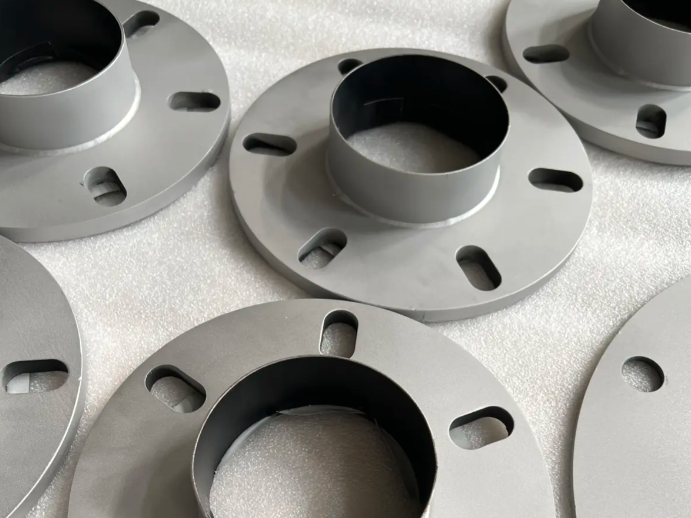
ما هو السفع الرملي؟
السفع الرملي، المعروف أيضًا باسم السفع الكاشف، هو عملية معالجة سطحية تدفع مواد كاشفة دقيقة ضد سطح المكون بسرعة عالية لتنظيفه، أو تنعيمه، أو تجهيزه، أو تعديل ملمسه ومظهره بطرق أخرى. على الرغم من اسمه التقليدي، نادرًا ما يستخدم السفع الرملي الحديث الرمل الفعلي؛ بدلاً من ذلك، يستخدم كاشطات هندسية متنوعة مختارة خصيصًا لخصائصها القاطعة، وقابليتها لإعادة التدوير، وتوافقها مع المواد.
تعمل العملية على مبدأ التآكل المضبوط، حيث تصطدم جزيئات الكاشط بالسطح بقوة كافية لإزالة الملوثات، أو القضاء على العيوب السطحية، أو إنشاء ملفات سطحية محددة. يمكن أن يتراوح هذا الفعل الميكانيكي من التنظيف اللطيف إلى الإزالة الشديدة للمادة، اعتمادًا على نوع الكاشط، وحجم الجسيمات، وضغط الهواء، ونمط السفع المختار للتطبيق.
الفوائد الرئيسية للسفع الرملي للمسبوكات
يوفر تنفيذ السفع الرملي في تصنيع السباكة مزايا كبيرة عبر جودة السطح، والوظائف، وكفاءة العملية:
تنظيف السطح: يزيل بشكل فعال المخلفات التصنيعية، والأكاسيد، والملوثات من الأسطح المصبوبة
تشكيل ملف السطح: يخلق نسيجًا سطحياً مضبوطًا مثاليًا لالتصاق الطلاء المسحوقي أو الطلاء اللاحق
قدرة إزالة الحواف: يزيل الحواف الخفيفة والحواف الحادة من خطوط الانفصال ومواقع البوابات
تحسين التجميل: ينتج تشطيبات غير لامعة أو ساتان موحدة للمكونات المرئية
تعددية استخدامات العملية: قابلة للتكيف مع سبائك الألمنيوم، وسبائك الزنك، وسبائك النحاس المختلفة
المعالجة السريعة: أوقات دورة سريعة مناسبة لكل من متطلبات الإنتاج المنخفض الحجم والإنتاج الضخم
الكفاءة من حيث التكلفة: معالجة سطحية اقتصادية مقارنة بالعديد من الطرق البديلة
التحكم البيئي: تتضمن الأنظمة الحديثة جمع الغبار وإعادة تدوير الكاشط
كيف يعمل السفع الرملي
تتضمن عملية السفع الرملي عدة مكونات رئيسية تعمل بتناغم لتحقيق تعديل سطح مضبوط:
نظام دفع الكاشط: يسرع الهواء المضغوط أو القوة الطاردة المركزية جزيئات الكاشط نحو قطعة العمل
تكوين الفوهة: تتحكم الفوهات المصممة خصيصًا في نمط السفع، والانتشار، وكثافة الاصطدام
توصيل الكاشط: تغذية متسقة لوسائط الكاشط في تيار الدفع
اصطدام السطح: تضرب جزيئات الكاشط السطح، مما يخلق اصطدامات دقيقة تزيل المادة أو تغير النسيج
الاحتواء والاسترداد: تحوي الحجرات المغلقة العملية بينما تفصل أنظمة الاسترداد الوسائط القابلة لإعادة الاستخدام
تحكم المعلمات: التعديل الدقيق للضغط، والمسافة، والزاوية، والمدة لتحقيق نتائج محددة
يمكن ضبط هذا الفعل الميكانيكي المضبوط بدقة لتحقيق كل شيء من تنظيف السطح اللطيف إلى إنشاء نسيج قوي، مما يجعل السفع الرملي قابلاً للتكيف مع متطلبات التطبيقات المتنوعة.
أنواع وسائط السفع الرملي
تستخدم نيواي مجموعة شاملة من وسائط السفع، كل منها يقدم خصائص مميزة لتطبيقات محددة:
أكسيد الألمنيوم: وسائط حادة ومتينة للقطع القوي وتشكيل ملف السطح
خرز زجاجي: وسائط كروية للتنظيف اللطيف والدق دون إزالة مادة كبيرة
وسائط بلاستيكية: كاشطات ناعمة للأسطح الحساسة والتطبيقات الحساسة للتلوث
طلقات/حبيبات فولاذية: وسائط عالية الكثافة لإزالة القشور الثقيلة وتحول سطح كبير
قشور الجوز: وسائط عضوية للتنظيف اللطيف والتطبيقات الواعية بيئيًا
كربيد السيليكون: وسائط فائقة الصلابة للقطع السريع وإعداد السطح الصعب
زجاج مكسر: وسائط معاد تدويرها تقدم عمل قطع متوازن وفوائد بيئية
صودا الخبز: وسائط ناعمة للتنظيف غير المدمر ومعالجة السطح الحساس
خصائص وقدرات التشطيب السطحي
ينتج السفع الرملي خصائص سطحية مميزة تجعله مناسبًا لتطبيقات وظيفية وجمالية متنوعة:
التحكم في خشونة السطح: قيم Ra القابلة للتحقيق تتراوح من 1.0 ميكرومتر إلى 12.5 ميكرومتر اعتمادًا على الوسائط والمعلمات
نسيج موحد: مظهر سطح متسق عبر الأشكال الهندسية المعقدة ودُفعات الإنتاج
تشطيبات غير لامعة: أسطح غير عاكسة مثالية لتقليل الوهاء وإخفاء العيوب الطفيفة
أسطح مدقوقة: تحريض إجهاد انضغاطي لتحسين مقاومة التعب في بعض التطبيقات
فعالية التنظيف: إزالة كاملة للأكاسيد، والقشور، والملوثات التصنيعية
إنشاء الملف: طبوغرافيا سطح مضبوطة لتعزيز التصاق الطلاء
الاتساق البصري: مظهر موحد عبر المكونات ودورات الإنتاج
التطبيقات في تشطيب مكونات السباكة
يخدم السفع الرملي وظائف حرجة متعددة داخل سير عمل تصنيع السباكة:
إعداد ما قبل الطلاء: تنشيط السطح وتشكيل الملف قبل الطلاء المسحوقي، أو الطلاء، أو التأنود
التشطيب التجميلي: إنشاء مظاهر غير لامعة أو ساتان موحدة على المكونات المرئية
إزالة مواد تحرير القالب: القضاء على عوامل تحرير القالب المتبقية من الأسطح المصبوبة كما هي
إزالة قشور الأكسيد: تنظيف قشور المعالجة الحرارية وأكسدة السطح
إعداد اللحام: إنشاء أسطح نظيفة ومشكلة لعمليات اللحام اللاحقة
التجديد وإعادة التشطيب: تحضير المكونات المطلية سابقًا لإعادة التشطيب
إنشاء سطح وظيفي: تطوير نسيج سطح محدد لتحسين القبضة أو خصائص الاحتكاك
عملية السفع الرملي في نيواي
تتبع عمليات السفع الرملي في نيواي إجراءات مضبوطة بدقة لضمان نتائج عالية الجودة ومتسقة:
تقييم ما قبل المعالجة: تقييم مادة المكون، والهندسة، ومتطلبات التشطيب
اختيار الوسائط: اختيار نوع وحجم كاشط مناسب للتطبيق المحدد
تحسين المعلمات: ضبط الضغط، والمسافة، والزاوية، والمدة للنتائج المرغوبة
تصميم التركيبات: تركيبات تثبيت مخصصة للأشكال الهندسية المعقدة وكفاءة الإنتاج
تنفيذ العملية: سفع مضبوط في كبائن مغلقة مع ضوابط بيئية مناسبة
التنظيف بعد السفع: إزالة الوسائط المتبقية والملوثات السطحية
التحقق من الجودة: فحص شامل، بما في ذلك قياس نسيج السurface والمعايير البصرية
التوثيق: سجلات عملية كاملة لتتبع الجودة وإمكانية التكرار
المقارنة مع طرق التشطيب السطحي البديلة
يحتل السفع الرملي موقعًا مميزًا داخل قدراتنا في المعالجة اللاحقة:
مقارنة بـ التدحرج: يوفر تنظيفًا أكثر قوة ووصولاً أفضل للأشكال الهندسية الخارجية المعقدة
مقارنة بالتنظيف الكيميائي: يتجنب الفعل الميكانيكي المخلفات الكيميائية والمخاوف البيئية
مقارنة بـ التصنيع باستخدام الحاسب الآلي: أكثر اقتصادًا لتنسيق السطح ومعالجة المساحات الكبيرة
مقارنة بالفرشاة: يقدم نتائج أكثر اتساقًا عبر أحجام الإنتاج والأشكال المعقدة
مقارنة بـ التشطيب الاهتزازي: أكثر ملاءمة للمكونات الكبيرة ومتطلبات نسيج السطح المحددة
مقارنة بالتنظيف بالليزر: أكثر اقتصادًا لإعداد السطح العام وتطبيقات التنسيق
التكامل مع العمليات اللاحقة
يعمل السفع الرملي كخطوة تحضيرية حرجة داخل سير عمل التصنيع المتكامل:
تعزيز التصاق الطلاء: يخلق ملفات سطحية مثالية لالتصاق الطلاء المسحوقي والطلاء
إعداد التأنود: تنشيط السurface لتحسين اتساق التأنود وجودته
إعداد سطح الربط: يخلق أسطحًا محسنة للربط اللاصق والإغلاق
جاهزية اللحام: يحضر الأسطح لنتائج لحام عالية الجودة ومتسقة
توافق التجميع: يضمن أن تكون الأسطح نظيفة ومعدة بشكل صحيح لعمليات التجميع
التشطيب متعدد المراحل: معالجة متسلسلة مع طرق المعالجة اللاحقة الأخرى للمتطلبات المتخصصة
التطبيقات الصناعية ودراسات الحالة
أظهر السفع الرملي قيمة استثنائية عبر تطبيقات صناعية متنوعة:
مكونات السيارات: إعداد السطح للأجزاء المشابهة لمشروعنا BYD للسيارات
علب الإلكترونيات: تشطيب تجميلي للمكونات التي تتطلب مظاهر غير لامعة موحدة
المعدات الصناعية: إعداد السطح للمكونات الثقيلة المعرضة للتآكل والتآكل
أجهزة العمارة: إنشاء نسيج بصري متسق على المكونات والتركيبات المرئية
المنتجات الاستهلاكية: تحسين الجماليات والوظائف للعناصر التي تتطلب خصائص سطح محددة
مشاريع الترميم: إعداد سطح المكونات القديمة أو المُصلحة لإعادة التشطيب
بروتوكولات مراقبة الجودة والفحص
ينعكس التزام نيواي بالتميز في الجودة في بروتوكولات الفحص الشاملة الخاصة بنا للسفع الرملي:
قياس ملف السطح: تقييم كمي لنسيج السsurface والخشونة
المعايير البصرية: المقارنة مع المراجع البصرية المعتمدة للاتساق
التحقق من النظافة: الفحص للإزالة الكاملة للملوثات والوسائط
التحقق الأبعادي: التأكد من الحفاظ على التسامحات الحرجة
اختبار الالتصاق: التحقق من التصاق الطلاء على الأسطح المعدة
مراقبة معلمات العملية: تقييم مستمر لمعلمات السفع للاتساق
التوثيق وإمكانية التتبع: سجلات عملية كاملة لكل دفعة إنتاج
الخلاصة
تمثل خدمة السفع الرملي معالجة سطحية أساسية للغاية ومتعددة الاستخدامات داخل تصنيع السباكة، حيث توفر قدرات إعداد سطح، وتنظيف، وتنسيق موثوقة تلبي متطلبات التطبيقات المتنوعة. في نيواي، تمكن خبرتنا في السفع الرملي - المدمجة داخل نظامنا البيئي للتصنيع الشامل ذات المحطة الواحدة - العملاء من تحقيق خصائص سطحية تعزز كلًا من الأداء الوظيفي والجاذبية البصرية.
مع استمرار تطور متطلبات التصنيع نحو معايير جودة أعلى ومواصفات سطحية أكثر تطورًا، يظل السفع الرملي عملية أساسية للمكونات التي تتطلب نسيج سطح محدد، أو تنظيفًا شاملًا، أو إعدادًا مثاليًا لعمليات التشطيب اللاحقة. من خلال الاستفادة من طريقة المعالجة السطحية المثبتة هذه، يمكن للمصنعين تحقيق جودة منتج فائقة، وأداء محسن، وزيادة رضا العملاء مع الحفاظ على فعالية التكلفة وكفاءة العملية.
الأسئلة الشائعة
ما أنواع التشطيبات السطحية التي يمكن تحقيقها بالسفع الرملي؟
كيف يؤثر السفع الرملي على التسامحات الأبعادية للمكونات الدقيقة؟
ما الفرق بين السفع الرملي والدق بالطلقات؟
هل يمكن استخدام السفع الرملي على جميع مواد وسبائك السباكة؟
كيف تمنع احتجاز الوسائط في الأشكال الهندسية المعقدة أثناء السفع الرملي؟
ما الضوابط البيئية المعمول بها لعمليات السفع الرملي؟
كيف يقارن السفع الرملي بالنقش الكيميائي لإعداد السطح؟
