How Should Buyers Choose Aluminum Alloys for EV Castings?
Buyers should choose aluminum alloys for EV castings by first matching the casting process to geometry and volume, then comparing alloy behavior against structural, thermal, corrosion, sealing, heat-treatment and machining requirements. A356, A380/ADC12 and A360 are not direct substitutes. The drawing must name the applicable standard, grade and delivered condition, while representative evidence confirms the selected route.
Do not begin with a single handbook strength or conductivity value. Properties can change with specification, temper, section thickness, process, porosity, heat treatment and test location. The useful decision is whether the alloy-process-condition combination can meet the finished component's CTQs under the buyer's defined sampling and validation plan.
Gate One: Separate the Casting Route From the Alloy Name
A356 is commonly evaluated with gravity or low-pressure casting routes. A380, ADC12 and A360 are commonly evaluated for high-pressure die casting. This process distinction affects how thin walls fill, how heavy sections solidify, how gas can become entrapped, which tool concept is practical and what production volume can support the route. Selecting a grade without selecting a feasible process leaves the decision incomplete.
The A356 casting option may deserve evaluation when a structural bracket or housing needs a delivered material condition compatible with the specified property plan. Heat treatment may be part of that condition when the applicable specification and route call for it. Buyers should consider distortion, machining stock and final dimensional validation after any thermal cycle.
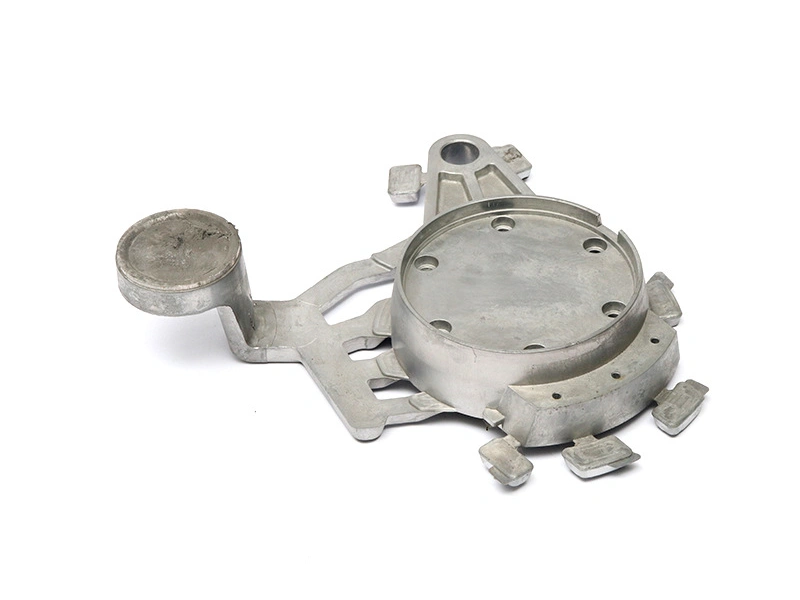
A high-pressure route may better support intricate walls, ribs, bosses and high repeat volume, but geometry and process design must address trapped gas, local heavy sections and later machining. The ability to fill a shape does not prove sealing, structural or thermal performance. Those functions require separate acceptance evidence from the actual part state.
Gate Two: Compare A356, A380/ADC12 and A360 on the Same Requirements
Decision Requirement | A356 Route Question | A380/ADC12 Route Question | A360 Route Question |
|---|---|---|---|
Geometry and filling | Are walls, cores and section transitions feasible for the proposed gravity or low-pressure route? | Can the die, gate and vent concept fill complex geometry without unacceptable local risk? | Does its casting behavior support the thin sections and supplier's stable process window? |
Structural requirement | What specified condition, section and representative property basis apply? | Can the as-cast process state and geometry meet the defined load evidence? | Does the project evidence support the required stiffness, strength and joining interfaces? |
Thermal duty | What conductivity basis applies to the specified grade and condition? | Do alloy and casting integrity support the actual thermal path and contact land? | Does measured or sourced data for the exact condition support the heat-flow model? |
Corrosion and finish | How will substrate condition, pretreatment and coating be qualified? | Does the exact grade and surface condition accept the specified finish route? | Does its corrosion-related advantage remain useful in the complete galvanic and coating system? |
Machining and sealing | Will section and heat-treatment distortion leave stable stock and datums? | Can stock, porosity exposure and sealing faces be controlled in the HPDC route? | Are machining response and leak risks acceptable for the chosen geometry? |
Standard and supply | Which A356 specification, temper and permitted source controls apply? | Is A380 or ADC12 named, and what approval governs any proposed substitution? | Is A360 availability and process experience adequate for repeat demand? |
A380 is widely associated with high-pressure die casting and is often screened for complex production parts. ADC12 may appear beside A380 in commercial comparisons, but the designations belong to different standards. They can have overlapping uses without being chemically or mechanically identical. A quotation should identify which grade is offered and how a proposed alternative would be approved.
A360 may be considered when its route-specific fluidity or corrosion behavior supports the requirements. That does not make it the default corrosion solution. Exposure geometry, dissimilar-metal contacts, pretreatment, coating, mask boundaries and assembly damage can govern the actual result. The buyer should validate the complete protection system on the specified substrate condition.
Gate Three: Approve a Material Definition, Not a Family Label
The purchase definition should include the standard organization, grade, revision where relevant, delivered condition and any approved chemistry or property requirements. If heat treatment applies, identify the required temper or process condition and dimensions that are controlled afterward. If recycled-content, restricted-substance or source requirements apply, state the governing document and evidence rather than assuming the alloy name covers them.
Material approval evidence can combine supplier certificates, heat or lot identity, chemistry checks and mechanical coupons or part-based tests when the buyer's risk plan requires them. Coupon location and representation matter. A separately cast coupon, attached coupon and specimen removed from a part do not necessarily represent the same local section and process history. The applicable standard and project plan should define what is acceptable.
Keep the approved material linked to the die, cavity, casting process, any thermal treatment, machining and finish route represented by the samples. A change in source or chemistry window may affect casting behavior, machining, coating or function even when the nominal grade remains unchanged. Change-control requirements should therefore reflect demonstrated impact and buyer rules.
Apply the Three Gates to a Finned Electronics Carrier
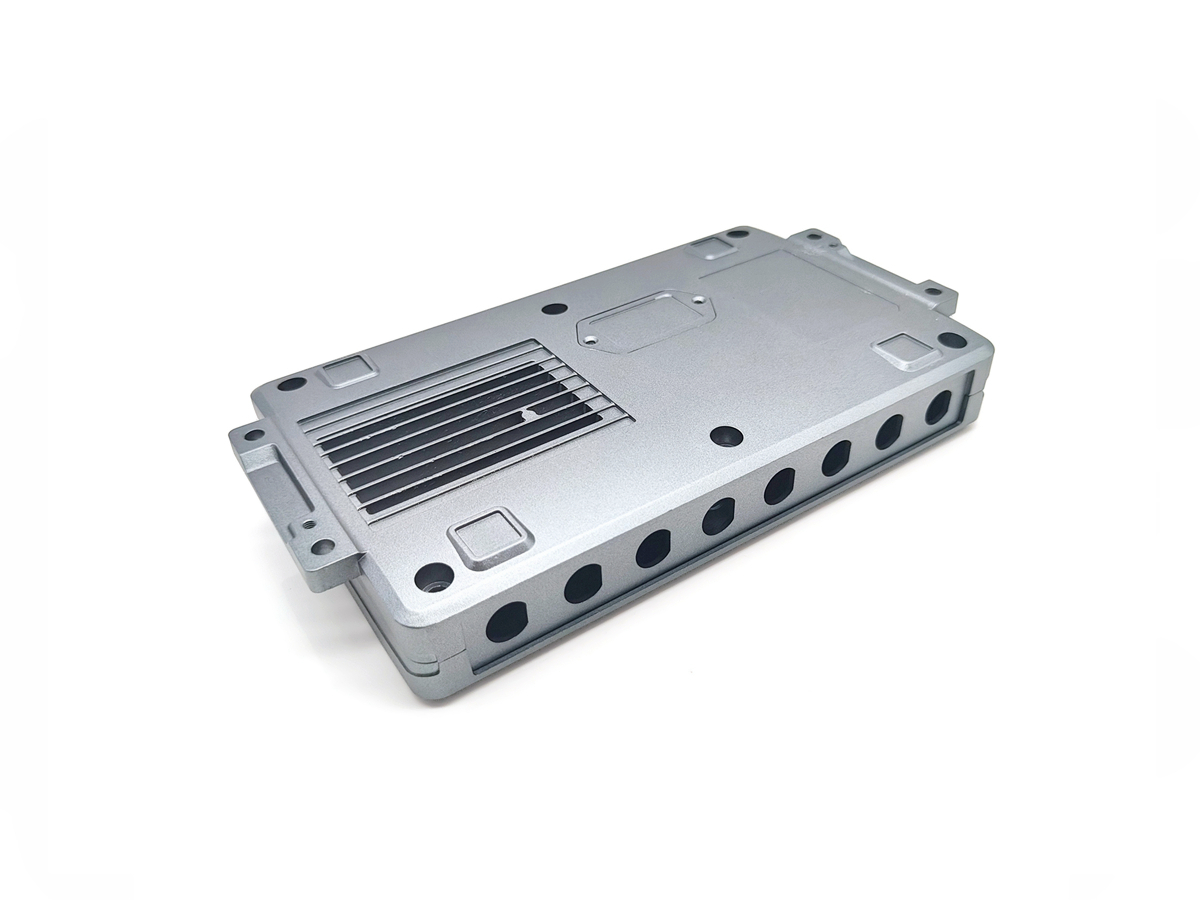
For a finned electronics carrier with a machined thermal land, several connector bosses and road-splash exposure, a high-pressure alloy may support the thin fin and boss geometry at recurring volume. An A356 route may still be screened if the revised geometry, section size and property condition fit gravity or low-pressure casting. The decision cannot be made from alloy reputation alone.
The buyer compares achievable geometry, finished mass, thermal-land flatness, machining stock, coating system and the evidence needed for thermal and environmental requirements. If A380 and ADC12 are both proposed, each is tied to its own standard and quotation assumption. If A360 is proposed for corrosion-related reasons, the complete coating and galvanic joint remain part of validation.
Use an alloy decision sheet with six fields: candidate process, exact alloy standard, delivered condition, key CTQs, representative evidence and approved-change triggers. Purchasing should reject quotations that say only "aluminum" or silently treat A380, ADC12 and A360 as equivalents. Approval follows when one documented alloy-process route closes the component's structural, thermal, corrosion, machining and supply risks under project-specific requirements.