How Should Buyers Compare Casting Supplier Quotes?
Buyers should compare casting supplier quotes by normalizing the delivered part, process scope, tooling basis, material, quantity, inspection, schedule assumptions, and exclusions before comparing unit price. A low quote may cover only a rough casting while another includes trimming, machining, finish, testing, packaging, and records. The first task is to make both suppliers price the same released requirement and the same acceptance state.
Use a quote comparison sheet linked to the drawing revision. Record the proposed process, alloy, cast condition, finished state, part number, quantity, batch size, tool ownership, fixture, machining, finish, inspection, test, packaging, and freight. Ask each supplier to identify open questions and assumptions. If a bidder cannot price a feature without clarification, show that uncertainty rather than hiding it inside a contingency.
Normalize the Delivered State
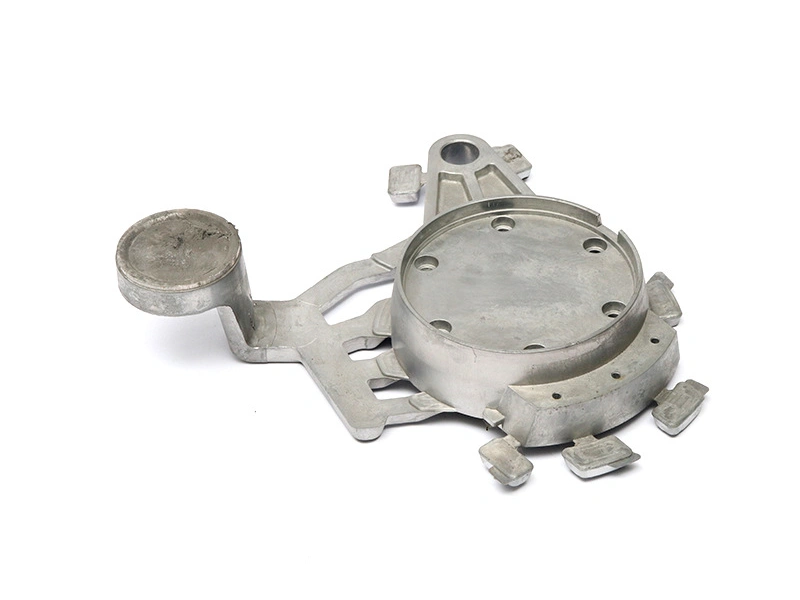
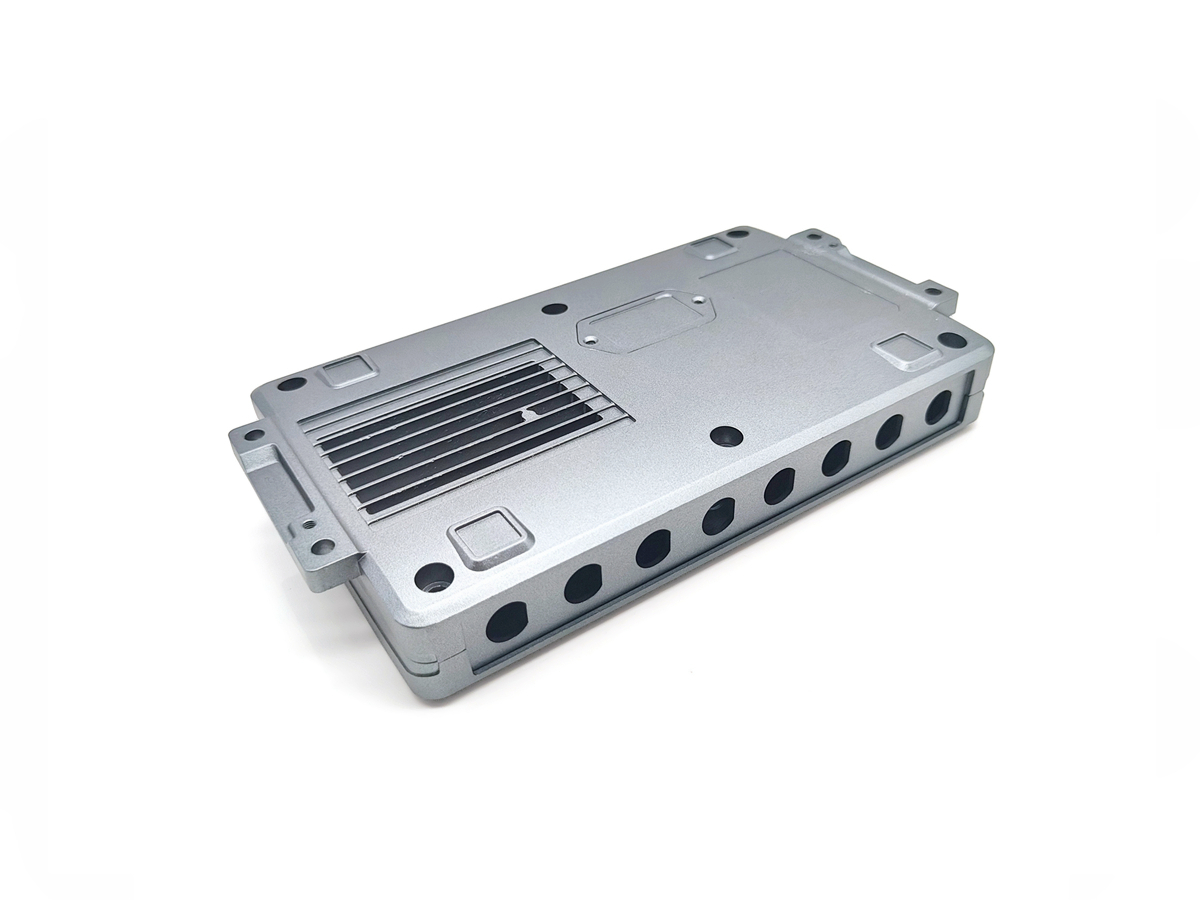
State whether the quote covers a casting blank, trimmed component, machined part, coated part, or assembled item. Identify the dimensions and surfaces accepted at each state. A cast face may be acceptable on a bracket but not on a gasket land. A cored hole may be enough for clearance but not for a thread. A rough casting may pass visual review while the machined bore still needs position and surface inspection.
When machining is included, compare the same datum and feature list. The post-machining scope should show setups, fixtures, final features, deburring, cleaning, and measurement. Do not compare a supplier's finished-interface price with another supplier's cast-only price.
Separate Tooling and Recurring Cost
Request separate values or clear scope for die, pattern, core tooling, inserts, trim tools, fixtures, gauges, samples, casting, machining, finish, inspection, testing, packaging, and freight. State who owns each tool and who pays for maintenance, repair, relocation, and later revision. Include spare inserts or gauges when they are needed for the production plan.
Recurring price depends on quantity, lot size, material, cycle, scrap or sorting assumptions, subcontracting, and inspection frequency. Ask whether the price assumes a stable drawing, customer-supplied tooling, a particular finish, or a defined annual volume. These assumptions make a quote more useful than a single unit number detached from the production conditions.
Quote item | Normalize | Risk if omitted |
|---|---|---|
Tooling | Die, cores, trim, fixtures, gauges, ownership, and repair | Unexpected launch or transfer cost |
Part processing | Cast, trim, machine, finish, clean, and assemble states | Different delivered products |
Quality evidence | Dimensions, material, tests, reports, and sampling | Unpriced inspection or acceptance risk |
Schedule | Tool release, trial, correction, finish, and approval gates | Unrealistic date comparison |
Compare Quality and Schedule Assumptions
Ask what evidence supports the quote: material records, first-article dimensions, process trial, leak or pressure test, finish approval, internal-quality review, or assembly validation. Match the evidence to the part's risk. A supplier's general inspection capacity does not prove that it can inspect the exact bore, wall, datum, or pressure boundary in your drawing.
Schedule should be stated as a sequence of dependencies. Drawing and DFM approval, tooling, first trial, corrections, machining, finish, inspection, and customer approval can each affect the date. Ask which decisions belong to the buyer and which are included in the supplier's plan. Do not treat an unsupported delivery number as a comparable technical commitment.
Make the Award Decision
After normalizing the quotes, score the unresolved risks: material substitution, tool ownership, subcontracted operations, unclear inspection, incomplete DFM, schedule dependencies, and change-control terms. Ask the preferred supplier to confirm the final scope in writing. Keep the comparison sheet and quote revision with the award record.
The best quote is the one that describes the same usable part, evidence package, and commercial boundary as the buyer's requirement. Price remains important, but it should be compared after process and scope have been made equivalent.
Before award, send the preferred supplier a written clarification of the normalized scope and ask for a final confirmation. Include the drawing revision, alloy, cast state, machining, finish, inspection, test, tooling, quantity, and exclusions. The metal casting service should appear as part of that controlled response, not as a general capability that leaves the actual process open. This step turns a price comparison into a documented sourcing decision.
Keep tooling and recurring price on separate approval lines. A tooling revision may be a one-time engineering cost, while a new inspection or machining operation may affect every part. Ask how the supplier will notify the buyer if scrap, material cost, subcontracting, or batch assumptions change. The answer belongs in the award record because it defines how the quoted price will be maintained after the first production trial.
For a fair comparison, ask for the expected price basis at prototype, trial, and repeat-production stages when those stages are part of the program. State whether samples, fixtures, first-article reports, and corrective iterations are included. This avoids selecting a supplier on a production price that excludes the engineering work needed to reach an approved casting.