Should a Casting Part Supplier Provide DFM Before Quoting?
A casting part supplier should provide enough DFM review before quoting to show whether the released geometry can be cast, trimmed, machined, inspected, and delivered in the required condition. The depth of the review depends on the part and quotation stage. A full tool design is not required for every early budget discussion, but the supplier should identify features that affect process choice, tooling, cost, quality, or acceptance. The buyer should ask for drawing-specific observations rather than a generic statement that the design is manufacturable.
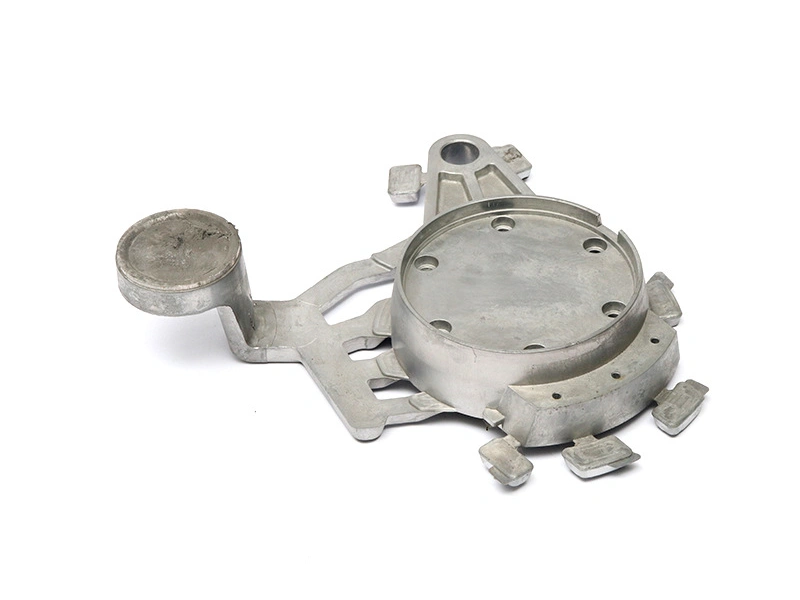
DFM is most useful when the supplier marks the actual drawing. Highlight draft direction, parting line, cores, slides, thin or heavy sections, deep pockets, shutoffs, bosses, holes, ribs, and surfaces that will be machined. Then show which suggestions are required for casting and which are optional cost or quality improvements. The buyer can approve the change, reject it, or request a controlled alternative before the quotation becomes a production assumption.
What a Casting DFM Should Cover
A useful review covers the relationship between geometry and process. Ask where the metal enters, how the tool opens, how cores are supported, where flash or parting lines may occur, and which surfaces are accessible for trimming or inspection. Section changes and isolated heavy masses should be discussed because they can affect feeding, shrinkage, cooling, distortion, or machining allowance. The supplier should connect the concern to a feature instead of merely listing standard design rules.
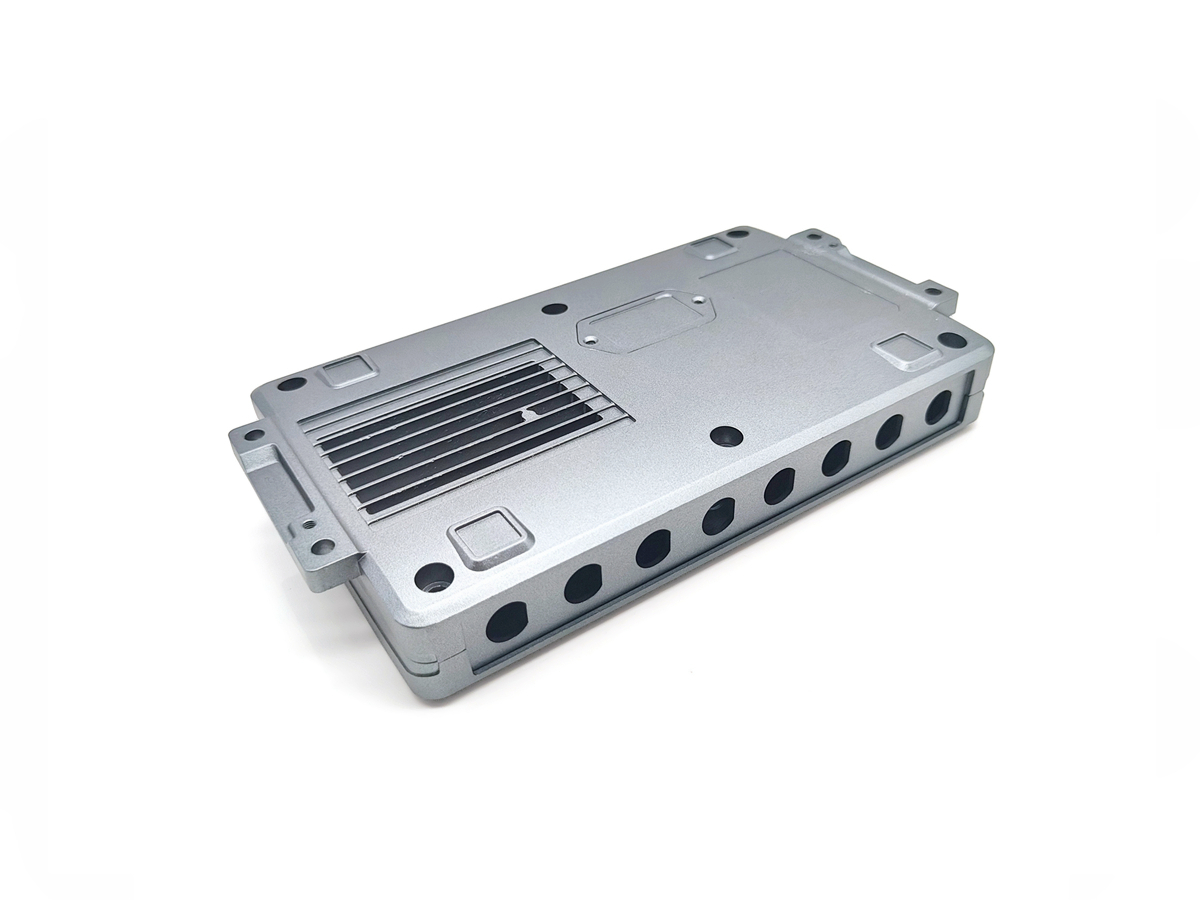
Machining should be part of the same review. Identify datums, bores, threads, gasket lands, bearing surfaces, and holes that require a secondary operation. If machining is needed to establish an interface, define the rough stock and the final measurement state. If a face has no functional role, the buyer may decide to keep it as cast after reviewing the visual and dimensional requirement. This is a design decision, not an excuse to remove a needed interface.
DFM topic | Question to ask | Decision evidence |
|---|---|---|
Parting and draft | Can the tool open without damaging the part? | Marked drawing, draft direction, and proposed parting |
Walls and sections | Where may filling, cooling, or distortion become difficult? | Section review and proposed process response |
Cores and holes | Which passages are cast and which are machined? | Core concept, stock, support, and final inspection |
Functional datums | How will the assembly interfaces be established? | Datum scheme, fixture plan, and finished-part check |
Connect DFM to the Quote
Every DFM suggestion should show its commercial effect where possible. A new slide, core, insert, machining operation, tolerance, inspection step, or finish can change tooling and unit cost. Ask the supplier to separate required changes from optional recommendations and to state what the quote assumes. If a feature remains unresolved, record it as an open item instead of pricing it invisibly.
The engineering solution scope can be considered when the part needs structured DFM, datum, load-path, or process clarification before tool release. The casting supplier should still own the drawing-specific manufacturing response and identify any issue that cannot be resolved without buyer approval.
Approve DFM Before Tooling
Once the buyer accepts a DFM change, update the drawing, model, or controlled deviation and record the approval. Do not let a supplier's tool correction silently change a customer interface. A modified gate or parting line may be harmless to an exterior surface but unacceptable on a sealing land. A shifted machining datum can change assembly even if the cast outline appears unchanged.
Ask for a review of the final tool concept, not only a preliminary email. The approval should identify what the supplier will build, what surfaces will be machined, and what evidence will be produced during the trial. Approve the sample in the state the customer will receive. A rough-cast sample cannot prove a finished thread, bore, or coated face.
When DFM Is Not Complete
Some designs cannot be fully evaluated until the supplier knows the alloy, annual quantity, machine envelope, finish, test, and inspection plan. In that case, the supplier should list the missing inputs and give conditional recommendations. The buyer should not treat a preliminary quote as a fixed production price when the process route, tool concept, or machining scope remains open.
DFM before quoting is valuable because it exposes the relationship between geometry, tooling, process, and cost early. The right deliverable is a clear list of accepted assumptions, required changes, open risks, and evidence gates. That gives the buyer control over the design while giving the casting supplier enough information to price the work honestly.
Ask the supplier to distinguish a DFM recommendation from a quotation condition. For example, a small draft adjustment may be proposed for tool release, while a new slide or machined datum may change the price and schedule. The metal casting route should be named in the review so the buyer can see which suggestions belong to casting, which belong to machining, and which require a product-design decision.