What are the most suitable alloys for die cast robotic components?
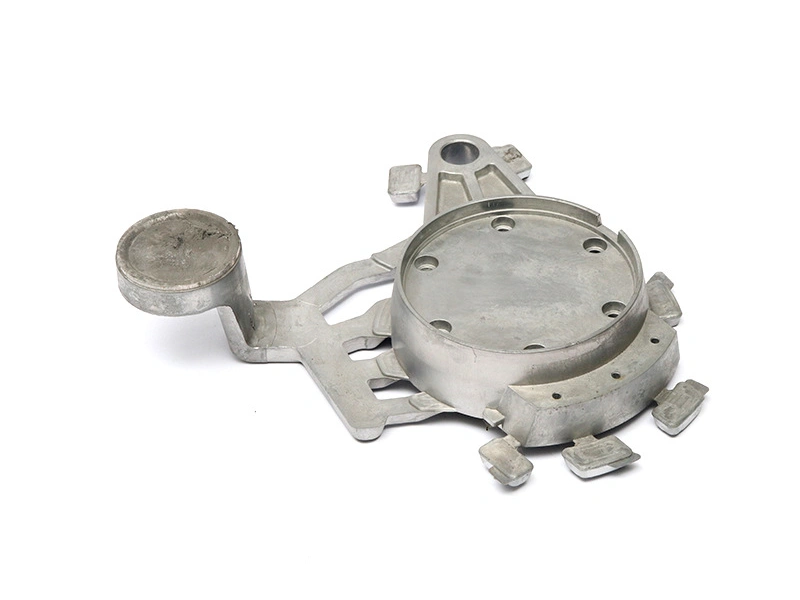
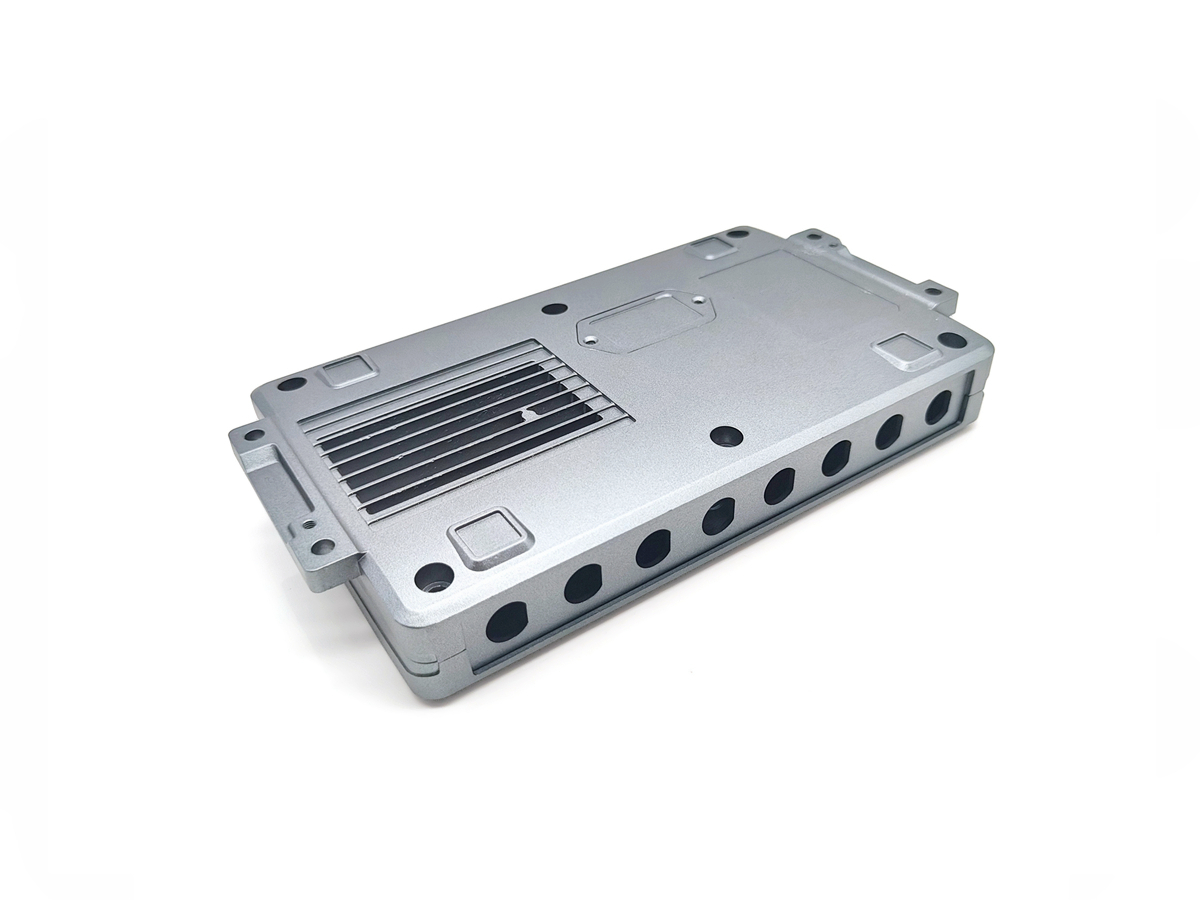
A380 and ADC12/A383-type aluminum alloys are common starting points for robotic motor, actuator, gearbox, controller, and sensor housings. A360, A413, AlSi12, and route-specific AlSi10Mg or structural families may fit particular filling, corrosion, pressure, ductility, or thermal needs. Zamak 3 and Zamak 5 can suit compact controls, latches, encoder hardware, and small mechanisms. No alloy is best for every robot; axis inertia, load, stiffness, fatigue, heat, environment, wear, finish, and production route decide.
Classify the component by axis function
State whether the part is a distal arm or wrist housing, motor shell, reducer body, bearing support, base, mobile chassis bracket, controller enclosure, sensor mount, gripper, or small mechanism. Moving mass is more sensitive at long reach than at the base. A bearing housing prioritizes stiffness and datum stability; an electronics enclosure prioritizes heat, shielding, sealing, and connector geometry.
Define normal and emergency loads, duty, fatigue, impact, temperature, lubricant, chemicals, corrosion, electrical contact, service, and failure consequence. The phrase "structural robotic part" is too broad. Design authority and system tests determine whether a cast material condition supports the specific load path.
Screen aluminum for moving and thermal structures
Aluminum die casting is attractive when low density, integrated ribs and bosses, thermal spreading, and shielding have system value. A380 and ADC12/A383 families are common HPDC references for general housings. A360 or A413-type directions can be screened when corrosion, filling, pressure boundary, or section needs differ. Exact chemistry and regional standards must be controlled.
AlSi10Mg, AlSi7Mg, A356, and other names may appear in gravity, low-pressure, additive, semi-solid, vacuum-assisted, or specialized structural routes. Do not quote heat-treated or additive properties against a conventional HPDC component. Require route, condition, section, specimen source, porosity, heat treatment, machining, and component evidence.
Screen zinc for compact detail and wear
Zinc die casting can form fine details, compact bosses, small gear or latch features, tactile controls, and finish-ready surfaces. Zamak 3 is a common general candidate; Zamak 5 may be considered where its different strength, hardness, and wear behavior suit a mechanism. ZA and other families require their own process and condition review.
Density can be a disadvantage on a moving arm but may be unimportant in a small encoder bracket or helpful for tactile feel. Review sustained temperature, creep or relaxation, aging, lubrication, moisture, cleaning, galvanic contacts, coating, and dimensional stability over service. A room-temperature sample does not establish a long-life joint near a motor.
Put copper, steel, and polymers where they belong
Copper alloys can support conductors, wear interfaces, heat transfer, or selected bearings, but machining, forging, stamping, or purchased inserts may be more practical than pressure die casting a whole housing. Steel or forged material can carry a shaft, gear, bearing race, or concentrated load. Polymers can isolate electricity, reduce mass, guide cables, or provide covers.
A hybrid housing can combine cast aluminum with steel bearing inserts, copper busbars, polymer isolation, and elastomer seals. Validate retention through casting and machining, galvanic coupling, differential expansion, preload, lubrication, fretting, insulation, particles, and repair. The interface is often more important than either material alone.
Compare candidates with a functional table
Candidate | Robotic direction to screen | Buyer must verify |
|---|---|---|
A380 or ADC12/A383 family | General motor, gearbox, controller and structural housings | Exact specification, route, integrity, datums, heat, finish and load tests |
A360/A413/AlSi12 direction | Selected fill, corrosion, pressure or thermal needs | Machining, ductility, joining, coating and actual function |
Route-specific AlSiMg family | Selected structural or heat-treated components | Process, temper, section data, porosity, fatigue and approval |
Zamak family | Compact controls, sensor hardware and mechanisms | Mass, aging, temperature, wear, finish and environmental tests |
Hybrid material system | Local wear, conductor, insulation and load functions | Retention, galvanic, thermal, fatigue, tolerance and service |
Control material and melt identity
Specify governing standard, grade, chemistry, approved alternatives, ingot and return policy, condition, sampling, and traceability. Incoming certificates do not alone prove poured chemistry after return metal, holding, transfer, and contamination. Define verification and reaction in the control plan.
Equivalent-grade proposals need chemistry and requirement comparison plus customer approval. Changes in copper, iron, magnesium, silicon, zinc, impurities, or heat treatment can affect filling, mechanical behavior, corrosion, machining, finish, and dimensional stability. Record the approved material in drawings, purchase documents, and validation evidence.
Verify the finished axis, not only material data
Use published properties only when grade, route, condition, section, specimen source, orientation, temperature, and method are relevant. A test bar cannot establish local bearing-node fatigue, housing stiffness, thread pullout, or crash response. Select chemistry, hardness, tensile, microstructure, fatigue, load, leak, thermal, electrical, corrosion, and component tests from risk.
Prototype evidence should keep material form visible. A machined billet housing can confirm package, interfaces, and early thermal behavior, but it does not reproduce die fill, local porosity, cast skin, tool-derived geometry, or production finish. Final validation should use the intended alloy, casting route, tool, cavities, machining, coating, inserts, fasteners, bearings, lubricant, and duty. Reassess affected evidence when any of those inputs changes.
Provide loads and duty, axis location, moving-mass target, stiffness, fatigue, temperature, environment, interfaces, exact route restrictions, demand, machining, finish, inspection, validation, traceability, and changes. Ask the casting supplier for exact grade, process, condition, property basis, integrity controls, samples, and open risks. The suitable alloy is the one proven in the finished robot component and assembly.