What Defects Should Buyers Review With a Diecast Foundry?
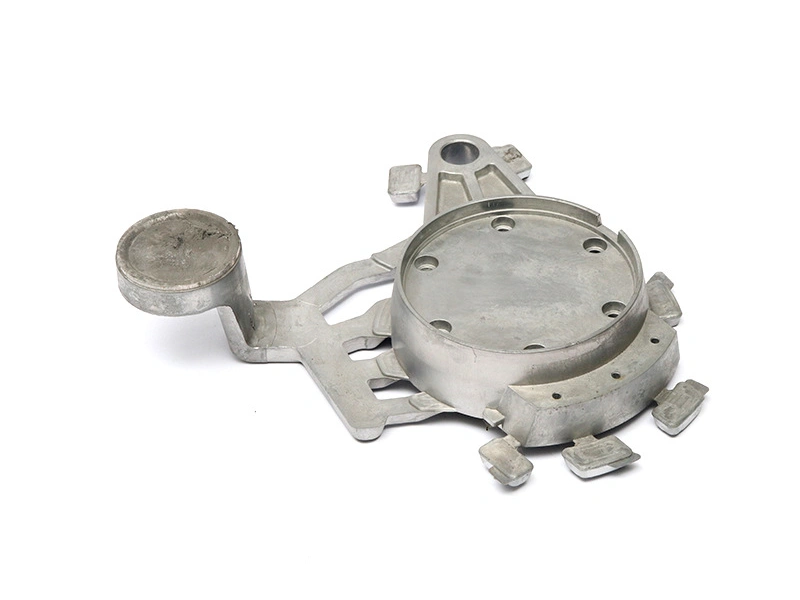
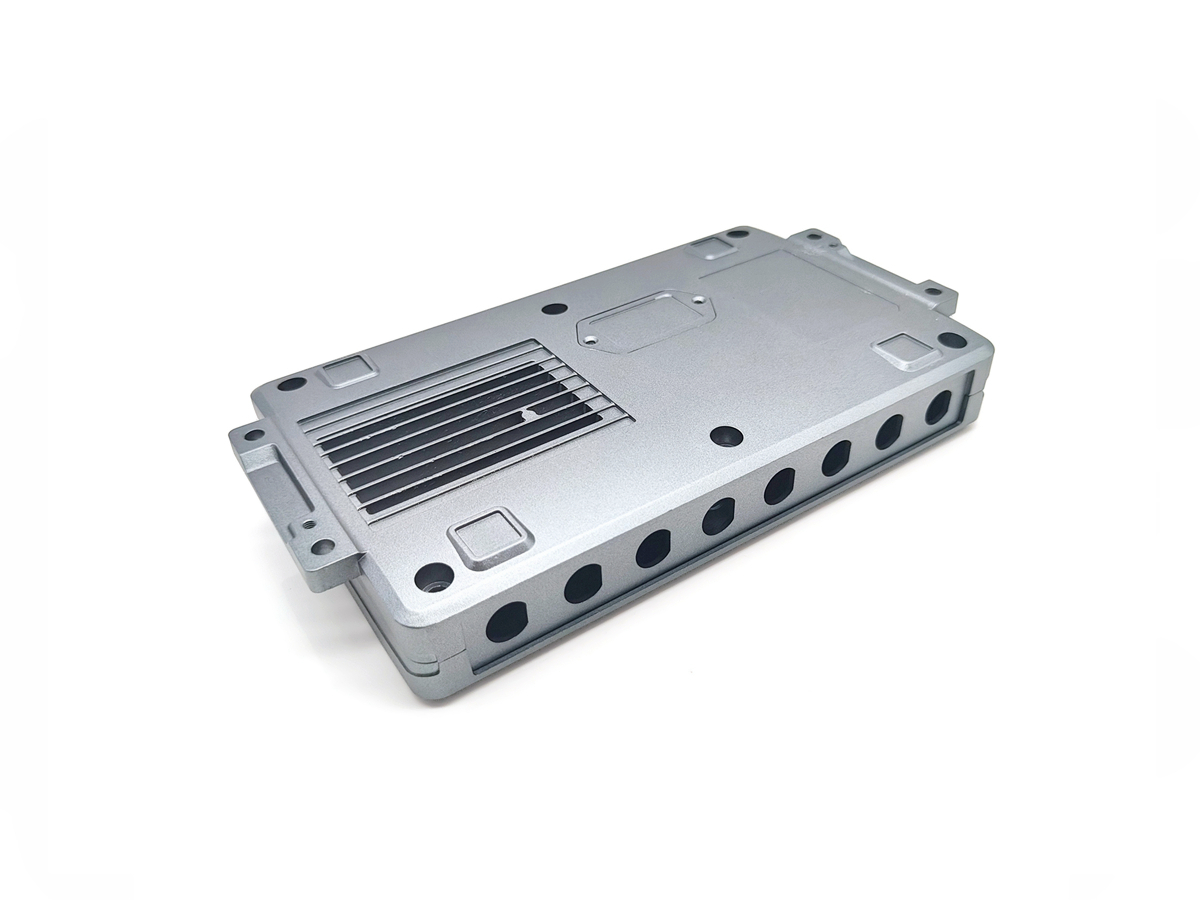
Buyers should review die casting defects that can affect the actual part function: porosity or shrinkage near pressure walls and machined interfaces, cold shuts or incomplete fill in thin or remote regions, flash at parting lines and shutoffs, distortion of long walls or datums, ejector or trim damage, inclusions or material concerns, and surface defects in cosmetic or sealing zones. The review should connect each possible defect to a drawing feature, failure mode, and verification method.
A defect name alone does not determine acceptance. A small surface mark on a hidden nonfunctional wall may be different from the same condition on a gasket land. A pore within machining stock may be removed or may open into the final bore. A visual defect may be cosmetic while an internal discontinuity can become a leak path. Define the product consequence before selecting an inspection method.
Porosity, Shrinkage, and Machining Exposure
Porosity and shrinkage are often discussed broadly, but the relevant question is location and connection. Heavy bosses, transitions, gates, remote sections, and areas cut by machining may have different risks. Mark the pressure boundary, minimum wall, sealing face, bore, thread, and machining allowance. Ask how the foundry's gate, vent, overflow, cooling, and process plan address those features.
Inspect the rough casting before critical cuts when that gate helps containment, then inspect the completed surface after machining. A material certificate does not prove continuity, and an exterior visual check does not prove an internal wall. Depending on the feature, the evidence may include internal examination, section review, leak testing, pressure testing, or finished-part inspection under defined criteria.
Defect or condition | Feature at risk | Verification question |
|---|---|---|
Porosity or shrinkage | Pressure wall, bore, seat, boss, or machined surface | Does the condition intersect the finished functional boundary? |
Cold shut or misrun | Thin wall, remote corner, rib, or flow junction | Is the feature complete and structurally continuous? |
Flash or mismatch | Parting line, shutoff, slide, trim edge, or seal | Does trim restore the feature without damaging the interface? |
Distortion or damage | Datum, long wall, ejector area, or handling surface | Does the free part and assembly remain within the released condition? |
Surface, Flash, Ejection, and Trim Defects
Surface appearance depends on alloy, filling, die condition, release, ejection, trim, cleaning, and finish. Define cosmetic zones and an approved sample or written limit. Keep decorative acceptance separate from pressure or dimensional acceptance. A polished or coated surface can hide a mark but cannot repair a connected pore or damaged thread.
Flash at a parting line or shutoff can interfere with assembly, cut an operator, or indicate tool wear. Ejector marks and trim damage can affect thin walls or visible surfaces. Ask how the foundry monitors the tool, identifies the first affected lot, and rechecks the part after repair. The tool record should remain linked to the production lot.
Distortion and Dimensional Change
Distortion can occur during casting, ejection, trimming, machining, finishing, handling, or assembly. Long walls, thin sections, open frames, and asymmetric geometry may need support and free-state measurement. Define datums from the assembly and state the inspection condition. A fixture that forces a distorted part into position can hide the problem instead of measuring it.
The post-machining route should be reviewed when a final datum, bore, thread, or sealing land is established after casting. A rough-casting report should not be accepted as proof of the completed interface.
How to Run the Defect Review
Use a marked drawing or risk table. For each critical feature, list the possible defect, process control, inspection method, sample state, acceptance rule, and reaction plan. Ask the diecast foundry to show how the tool and production route support that plan. Keep the initial sample, known deviations, and tool revision connected.
A useful defect review does not promise a perfect casting. It makes the credible risks visible and defines evidence for the finished part. That gives the buyer a rational basis for tool approval, first article, lot release, and corrective action.
Ask the foundry to distinguish a defect limit from a process alarm. A process alarm may trigger containment before the part is known to be nonconforming, while a drawing limit determines final acceptance. Keeping those decisions separate avoids both unnecessary rejection and unjustified use of a visual pass. The defect record should identify the affected feature, suspected cause, containment, reinspection, and approval instead of using a vague label such as “casting issue.”
Review Defects After the Next Operation
Some casting conditions are hidden until the part is machined, cleaned, coated, or assembled. A small pore may open on a bored sealing surface; a hard inclusion may damage a cutting tool; trapped release agent may interfere with plating or paint; and a thin flash remnant may prevent a connector or gasket from seating. The buyer should identify which defects can emerge later and inspect representative parts in the delivered condition. A raw visual inspection is useful for process control, but it cannot replace evidence from the finished interface.
For each relevant defect, agree the reaction path before production. The foundry should know how to stop or identify affected parts, how to separate rework from accepted product, and which examination confirms that the correction worked. The buyer should also decide whether a repair is allowed on a cosmetic area, structural wall, machined datum, or pressure boundary. These decisions belong in the drawing, quality plan, or approved deviation record; they should not be improvised after a shipment is already at assembly.