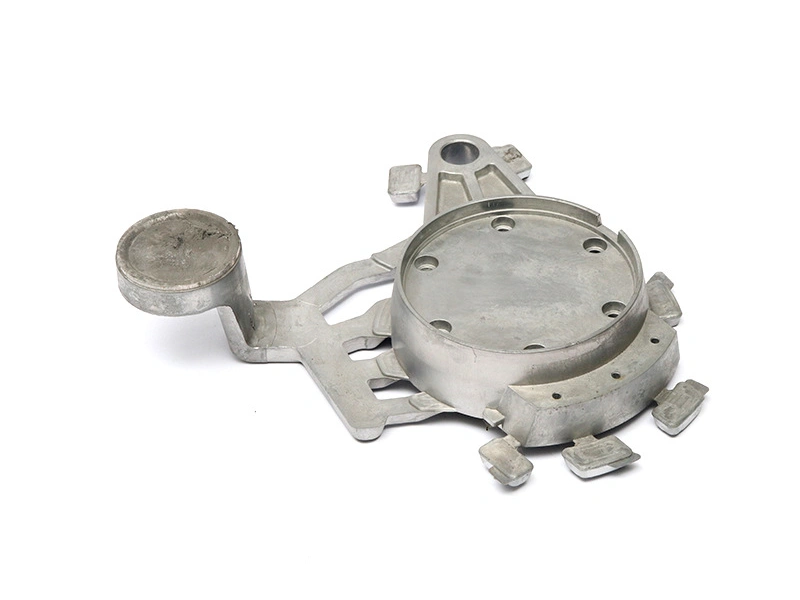
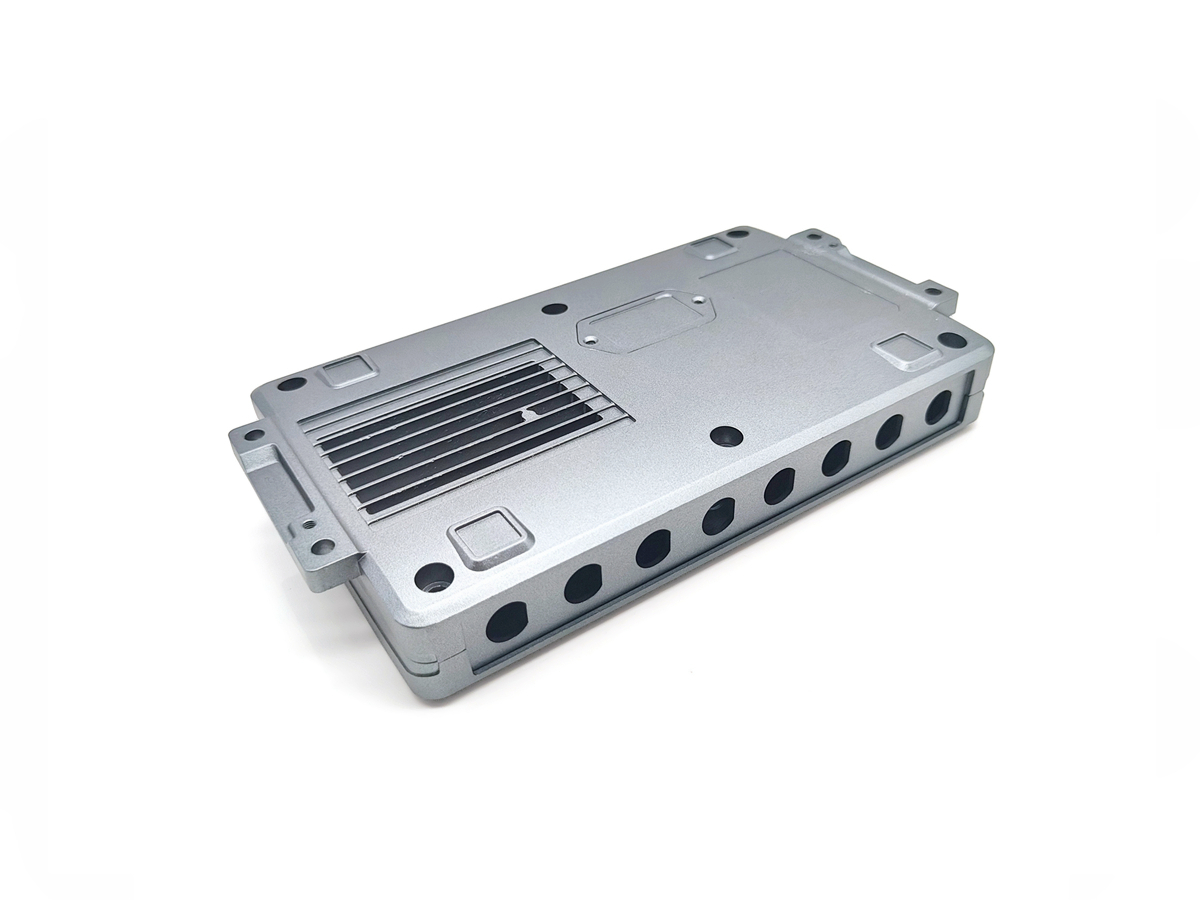
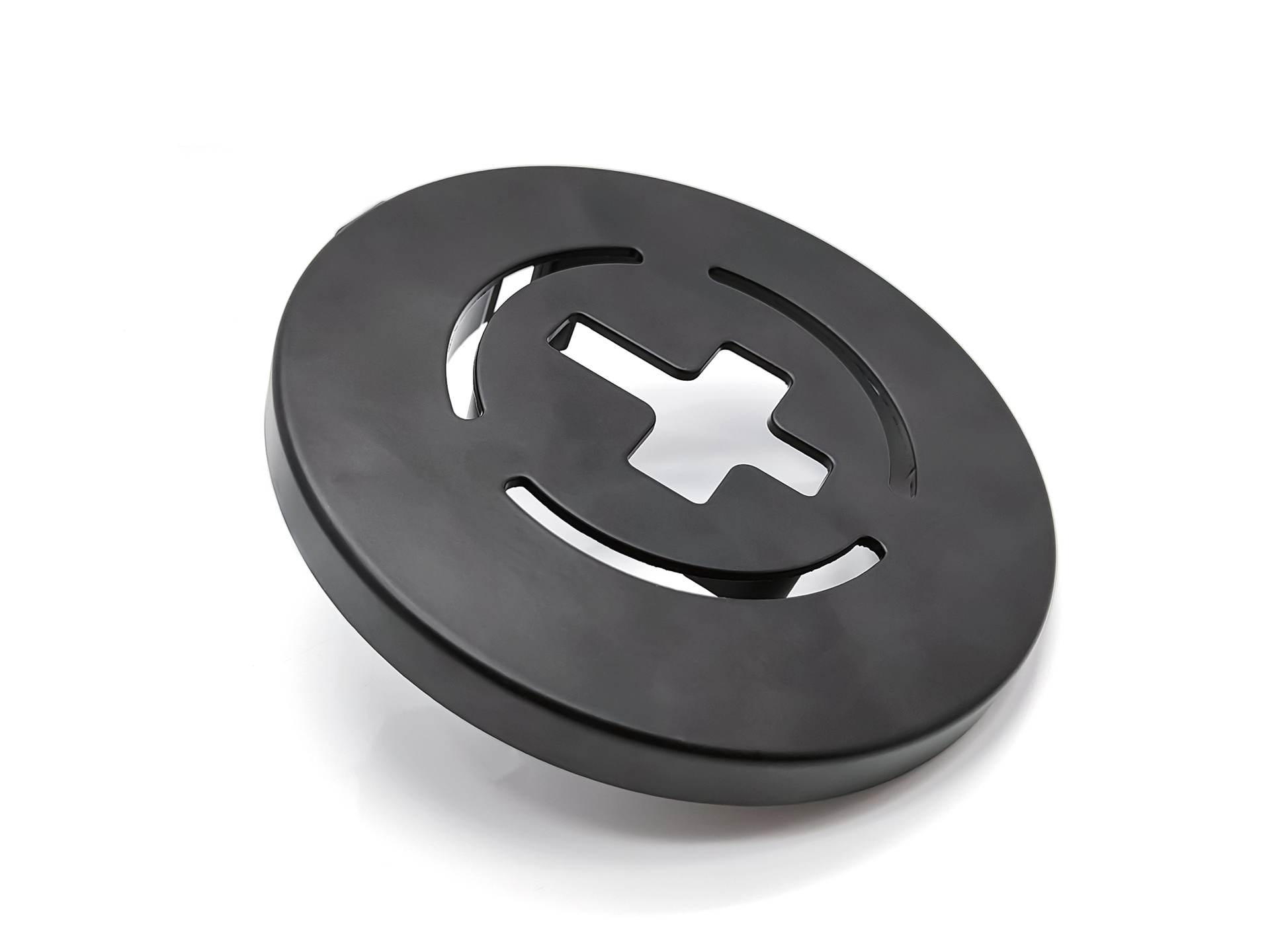
What Factors Affect Die Cast Tooling Cost?
What Factors Affect Die Cast Tooling Cost?
Short answer: Cost depends on the complete manufacturing route, not one line item. For Buyer is comparing process options, cost, lead time, sample quality, or production readiness., buyers should make this decision from the finished component requirement, not from a single process label.
Check tooling complexity, material, annual volume, CNC work, finishing, inspection, packaging, and revision risk before comparing quotes for die cast tooling cost. Neway checks CAD, drawings, annual volume, visible surfaces, and critical dimensions so Buyer needs practical RFQ guidance rather than a definition-only answer. can connect the sample stage with Buyer wants to reduce tooling, machining, finishing, inspection, or delivery risk..
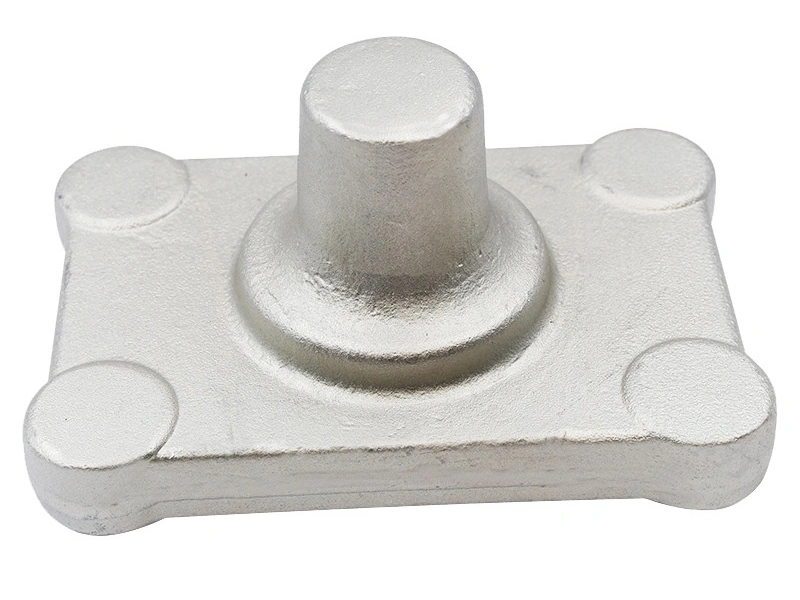
Key Decision Factors
Decision Factor | What To Check | Buyer Value |
|---|---|---|
Part purpose | Appearance, fit, sealing, load, heat, wear, or production release | Prevents choosing the wrong process route |
Geometry risk | Thin walls, ribs, bosses, holes, threads, datum surfaces, and cosmetic faces | Reduces tooling, machining, and finishing changes |
Quantity plan | Prototype quantity, first batch, annual demand, and repeat order expectation | Matches cost structure to production reality |
Finished condition | CNC, coating, assembly, labeling, packaging, and reports | Avoids incomplete quotations |
RFQ Checklist
RFQ Item | Recommended Detail | Why It Matters |
|---|---|---|
3D model and 2D drawing | STEP file plus dimensions, datums, tolerances, and notes | Supports DFM and quotation accuracy |
Material target | Alloy, hardness, corrosion, temperature, or cosmetic requirement | Avoids material and finish mismatch |
Surface standard | Visible faces, color, texture, coating, and sample references | Reduces appearance disputes |
Inspection requirement | CMM, gauges, visual checks, function tests, or reports | Matches quality control to risk |
Risk Signals
Cost risk rises when quotes separate the casting blank from machining, coating, inspection, or packing, because the missing steps return later as change orders or quality disputes. These gaps often cause price, tooling, lead time, and quality assumptions to change after review.
Practical Recommendation
Ask for a finished-part quote with one-time and repeat-order costs separated. Confirm whether H2 question title with strong tag. and Two opening paragraphs. can be managed without moving responsibility between separate vendors.