What Is a Diecast Foundry?
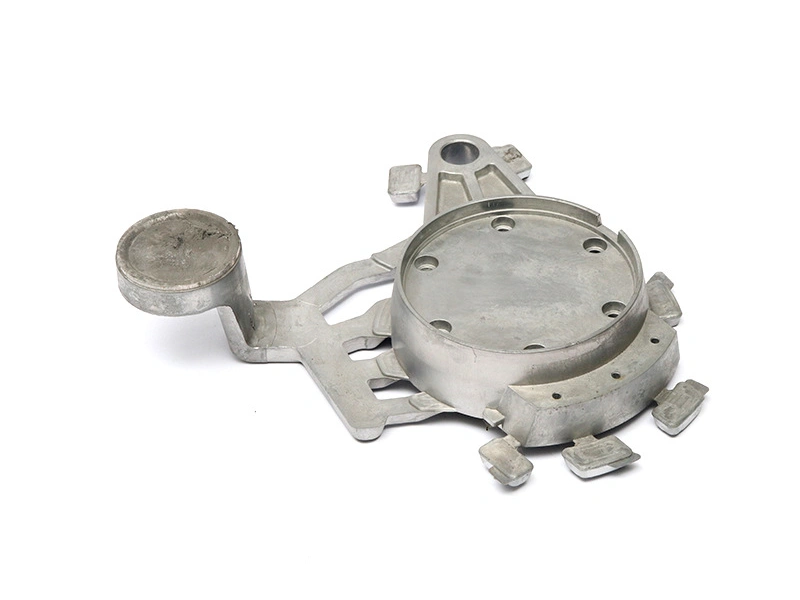
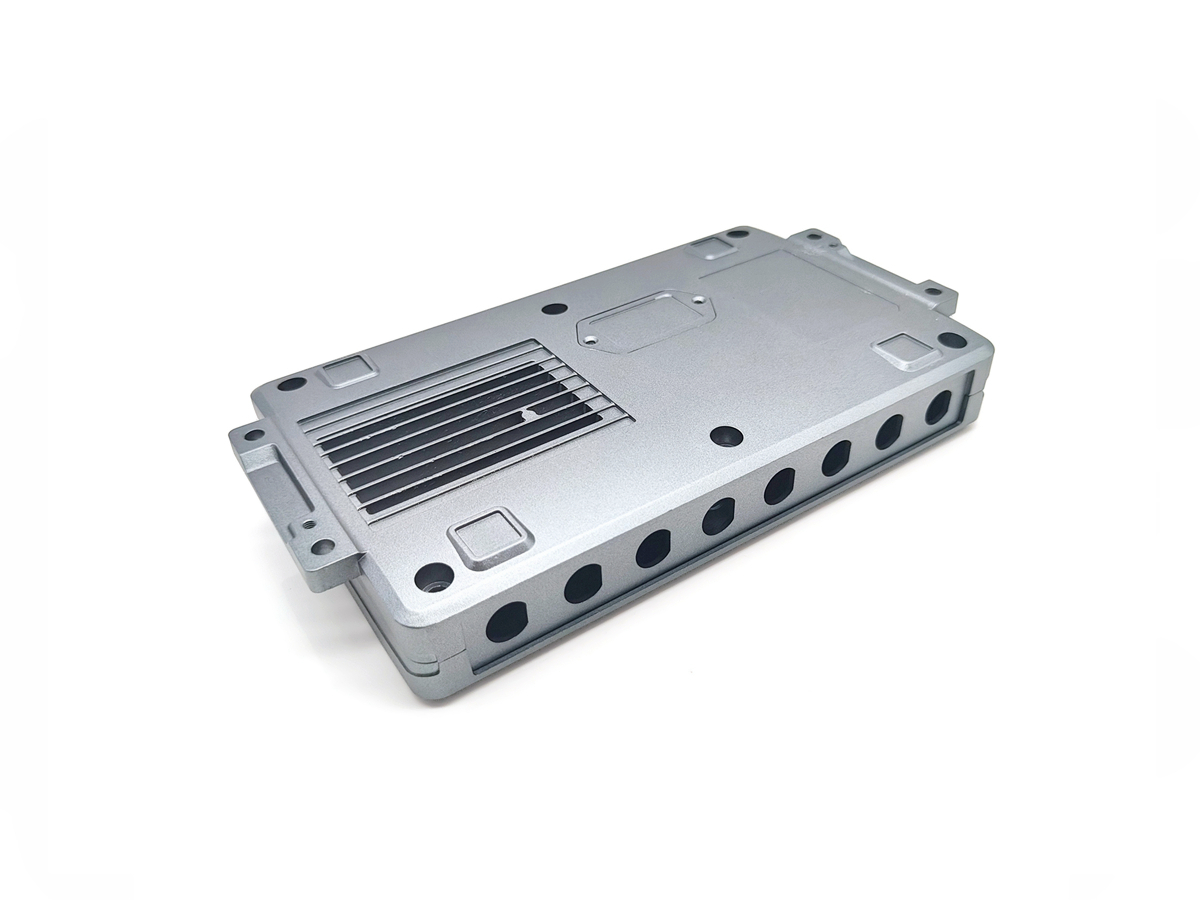
A diecast foundry is a manufacturing operation that melts or prepares a specified metal alloy, injects or forces it into a reusable die under a controlled casting cycle, removes and trims the casting, and manages the records needed to identify the tool, material, process, and accepted part. Some foundries also machine, finish, assemble, inspect, and package the component. The buyer should define which of these operations are included instead of assuming that “foundry” means a finished part.
The foundry's value is not limited to owning a die casting machine. It must connect alloy identity, die design, venting, gates, cooling, ejection, trim, maintenance, process monitoring, and feature-based inspection. A machine size or tonnage statement does not show whether the foundry can control the pressure boundary, sealing land, cosmetic wall, bore, thread, or datum in a particular drawing.
The Foundry Production Route
The route begins with material control. The foundry identifies the alloy designation, incoming or charge material, approved additions, and the lot or job that uses the material. The next stage is tooling: die halves, inserts, slides, cores, gates, overflows, vents, cooling channels, ejectors, and trim tools. Their condition affects filling, flash, distortion, porosity risk, and repeatability.
During casting, the foundry controls the relationship between metal and die temperature, filling, pressure, venting, cooling, lubrication, and ejection within its process. The relevant controls depend on alloy, part geometry, machine, and tool. The foundry should explain how it monitors the features that matter to the customer's part without turning an internal setting into a universal quality promise.
Foundry area | What it controls | Buyer evidence |
|---|---|---|
Material | Alloy identity, charge, lot, and substitutions | Designation, lot link, and required material record |
Tooling | Cavity, gates, vents, cooling, ejection, and trim | Tool revision, maintenance, and repair history |
Casting cell | Filling, pressure, temperature, cooling, and repeatability | Process route and part-feature inspection |
Downstream work | Trim, machining, finish, clean, inspect, and package | Operation ownership and finished-part release record |
What a Foundry May Not Own
A foundry may subcontract machining, coating, heat treatment, testing, or assembly. That is not automatically a problem, but the buyer should know who owns the process, inspection, corrective action, and traceability. A pore may become visible only after machining. A coating may affect a thread or gasket land. If responsibility is split, the primary supplier should retain the link between the casting lot, downstream operation, and final result.
The metal casting service should be quoted with the delivered state. If a part is supplied machined, the post-machining scope should define datums, allowance, fixtures, final dimensions, burrs, cleaning, and inspection.
How Buyers Qualify the Foundry
Start with a DFM review of the actual part. Ask the foundry to identify sensitive walls, heavy bosses, cores or slides, parting lines, gates, pressure boundaries, cosmetic surfaces, and machined features. Then ask how the proposed process controls or verifies each risk. Review a representative material record, tool record, casting job, inspection report, nonconformance, and change notice.
Approve samples in the state the customer will receive. A raw casting can support tool development but cannot prove a final machined bore, thread, coating, or assembly. Define which evidence is needed at tool trial, first article, and repeat production. Link the evidence to the drawing revision and lot.
Buyer Definition
For sourcing purposes, define a diecast foundry as the organization responsible for the controlled route that creates and releases the die-cast component. Ask where material, tooling, casting, trim, machining, finish, inspection, and packaging occur, and who approves changes. The right foundry is not simply the largest machine owner; it is the operation whose controls and records match the part's alloy, geometry, functional interfaces, volume, and acceptance plan.
When several foundries are being considered, ask each one to identify the handoff between casting and later operations. That handoff is often where a buyer loses visibility: a rough part may be accepted before a bore is machined, or a finish may be applied by a subcontractor without the original lot remaining visible. A foundry that can show the part, tool, material, and inspection trail as one controlled route gives the buyer a clearer basis for release and corrective action.
Define the Foundry Scope in the Purchase
For an RFQ, the word foundry should be accompanied by a delivered-state description. State whether the supplier owns die design, die construction, casting, trimming, heat treatment, machining, surface treatment, testing, assembly, and packaging. Identify which operations may be subcontracted and who remains responsible for the final release. This prevents a buyer from comparing one supplier's finished-part price with another supplier's raw-casting price while assuming that both include the same controls.
The best qualification question is practical: can the supplier follow one representative part from the specified alloy and tool through casting, downstream operations, inspection, and shipment? The answer should identify the records and owners at each handoff. A foundry that cannot explain those boundaries may still produce a usable casting, but the commercial and quality risk remains undefined. The purchase order should close that gap before tooling or production is authorized.