What Is Custom Die Casting and When Should Buyers Use It?
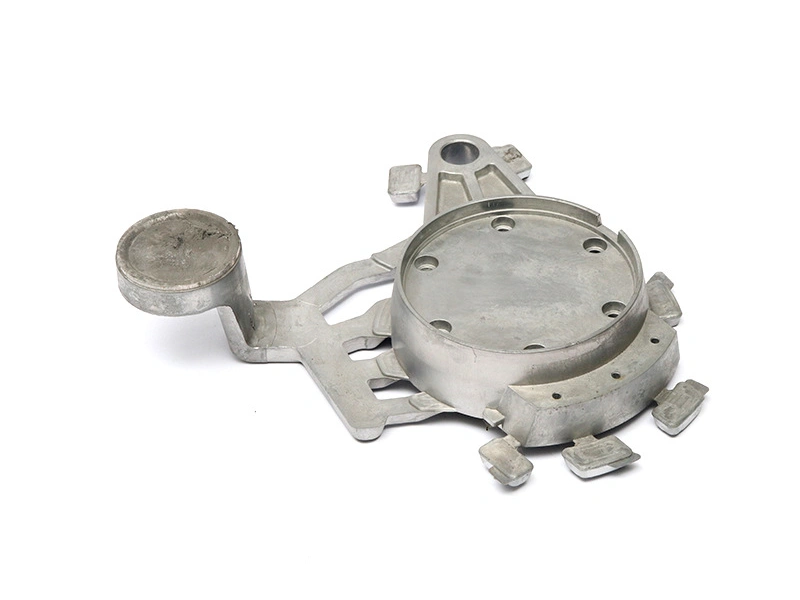
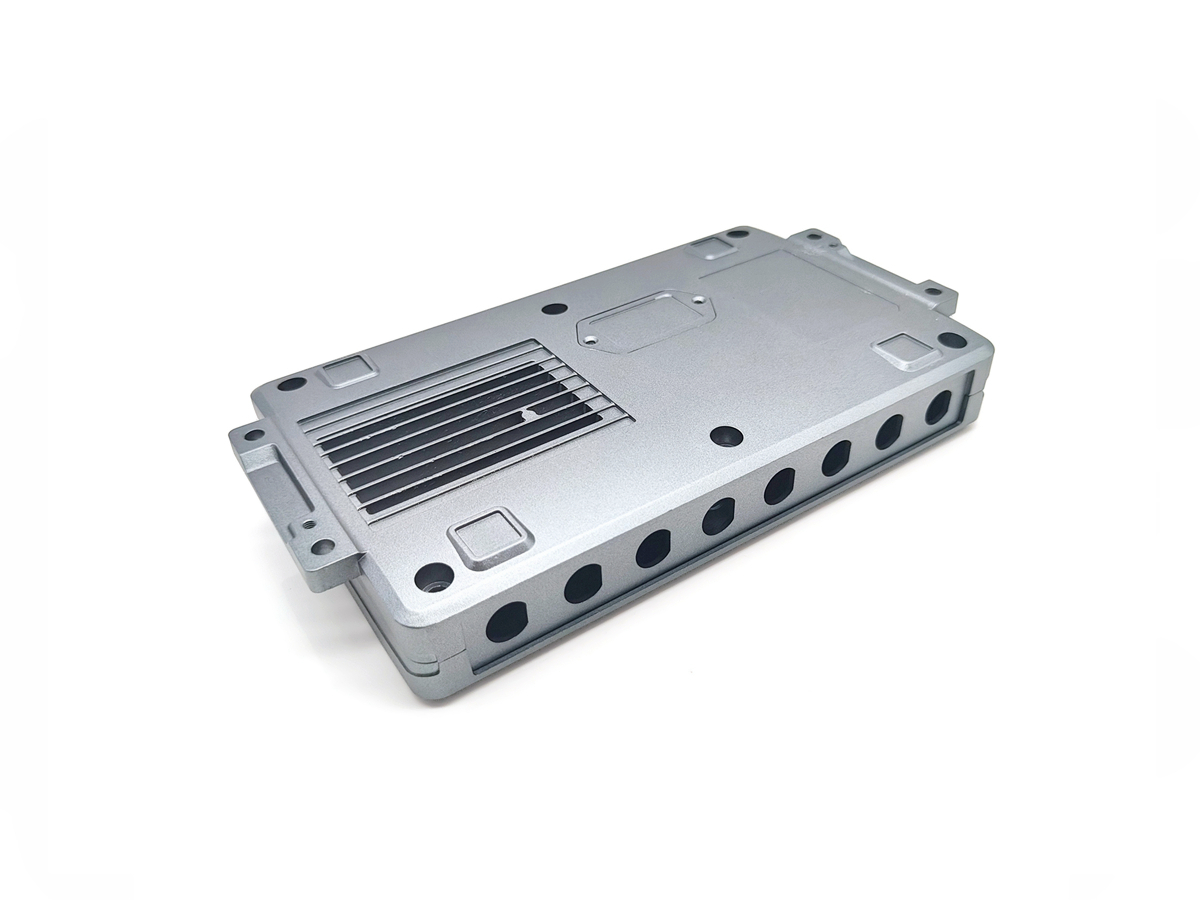
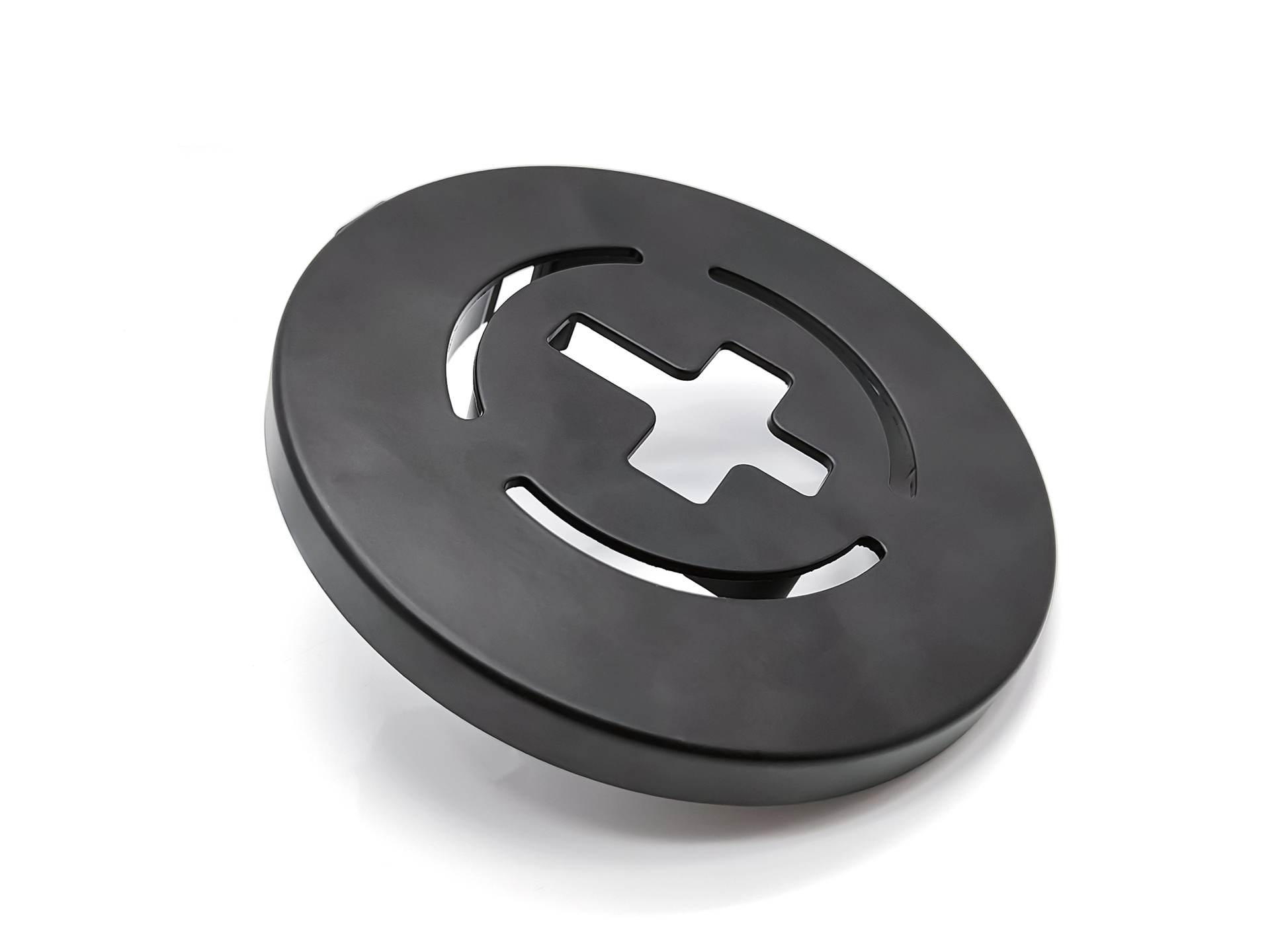
Custom die casting uses a part-specific steel die and a controlled pressure-casting process to make repeat metal components from a buyer's drawing. Buyers should use it when the design is sufficiently stable, the geometry benefits from molded-in features, and repeat demand can justify tooling. It is usually a poor first commitment for an unsettled design, very small uncertain demand, or requirements that the selected alloy and process have not demonstrated.
What "custom" means in die casting
The part, tooling and production plan are developed for one controlled product definition. A 3D model supplies geometry, while the 2D drawing normally controls alloy, datums, tolerances, threads, finish, appearance zones and acceptance notes. The supplier designs the die around release direction, parting, slides, gates, overflows, cooling and ejection. Secondary machining and finish are then planned around the same datum and revision scheme.
This differs from buying a catalog casting. The buyer owns application requirements and approves changes; the supplier translates those requirements into a repeatable process. A custom metal casting service is complete only when its quotation states which design, tooling, casting, machining, finishing and inspection work is included.
Use it for repeat, feature-dense parts
Die casting earns its tooling cost when one shot can form useful near-net geometry repeatedly. Housings, brackets, handles, covers and connector bodies can combine ribs, bosses, mounting pads, apertures, stops and identifying marks. Forming these features together may remove machining or separate components, although function-sensitive bores, threads and sealing faces may still require CNC work.
Demand matters because the die is a one-time investment supported by later production. There is no universal break-even quantity. Part size, alloy, cavity count, tool complexity, cycle, secondary work, yield and alternative process cost all affect the decision. Compare expected program cost across the realistic demand range rather than asking for one generic minimum quantity.
Project signal | Die casting response | Decision evidence |
|---|---|---|
Stable repeat demand | Tooling can be spread across planned orders | Annual forecast, batch pattern and program duration |
Many integrated features | Near-net casting may reduce machining and assembly | DFM showing cast, machined and assembled alternatives |
Controlled mating interfaces | Tool-based repeatability plus selective machining may fit | Datum plan and capability evidence on function-sensitive features |
Unsettled design | Production tooling would lock in change cost | Prototype and assembly test before tool release |
Special integrity requirement | Process may fit only with targeted controls | Defined test conditions, acceptance zones and trial results |
Screen function and environment
Start with the part's failure modes. State loads and misuse, temperature over time, pressure or leak duty, vibration, fluids, cleaning agents, weather, electrical function, mating metals and expected surface condition. An enclosure and a pressure body can have similar external shapes but need different alloy, gating, machining and inspection decisions.
Do not approve the route because die cast parts appear in the same industry. An interior control housing and a hot engine-area bracket face different conditions. Likewise, a visible consumer shell and an internal structural carrier impose different finish and appearance controls. Suitability belongs to the component and its installed environment.
Compare the credible alternatives
CNC machining is flexible before geometry and demand stabilize, but it may remove substantial material and require more cycle time for a complex shape. Sheet fabrication can suit open forms and lower tooling exposure but adds joints and assembly. Sand, gravity or low-pressure casting can be candidates for different sizes, alloys, volumes or integrity needs. Plastic molding may reduce mass but changes stiffness, temperature, wear, shielding and insert decisions.
A prototype route answers specific questions; it does not prove production-die behavior. Buyers can use prototype validation to check envelope, assembly and basic function, then use production-intent samples to evaluate fill, shrinkage, porosity, distortion, trim and ejection.
Define the production evidence
Before tooling, agree how samples will be accepted. Dimensional reports should identify drawing revision, cavity, material lot, tool state, machining state and measurement method. Appearance approval needs identified surfaces, viewing conditions and boundary samples. Internal or leak requirements need locations, test conditions and acceptance rules. A generic statement such as "inspection included" is not enough.
Repeat production also needs change control. Tool repair, insert replacement, alloy source, process location, machining program or finish supplier can affect the delivered part. The purchase agreement should identify which changes require notification and what evidence must be repeated.
Buyer go/no-go check
The drawing revision and product requirements are stable enough to release tooling.
A named alloy candidate addresses the actual environment and load.
The DFM identifies parting, release, slides, risk-sensitive sections and secondary operations.
Forecast volume supports the complete tool-and-part economics.
Sample and production acceptance methods are written before trials.
Ownership of tooling, maintenance, inspection and changes is explicit.
When these conditions are present, custom die casting can provide an efficient path to repeated, feature-rich metal parts. If one is missing, keep the decision open and resolve it through design review, costing or validation before committing to production steel.