What Shapes Are Best for Centrifugal Casting?
The shapes best suited to centrifugal casting are tubular, cylindrical, ring-shaped, and other rotational parts in which metal is distributed around a defined axis. Typical examples include tubes, sleeves, bushings, liners, rings, and hollow cylindrical blanks. The process is a good geometric fit when the bore, outside diameter, wall profile, and ends can be related to rotation and later machining. It is less naturally suited to flat plates, isolated bosses, non-rotational branches, or a shape whose important features cannot be formed around the casting axis.
Geometry fit does not by itself prove wall uniformity or pressure performance. The alloy, mold, rotation, pouring, solidification, machining allowance, end treatment, and inspection plan still determine whether the finished part works. Buyers should define the axis, length, outside diameter, bore, wall profile, ends, keyways or ports, material, surface, and service condition before approving the route.
Also define how the part will be supported after casting. A long tube may need temporary supports or a cut plan that avoids bending the blank. A ring may need a stable reference face before its bore is finished. If the component is later pressed into another assembly, the drawing should show the fit and the surfaces that establish it. This keeps the shape decision connected to handling, machining, and final use.
Rotational Geometry Is the First Screen
A simple tube or sleeve has a clear centerline and continuous annular wall. A ring may have a larger diameter, changing wall, or machined faces at both ends. A bushing may need a precise bore, outside diameter, and bearing surface after turning or boring. These parts allow the process to distribute metal around the axis, while the final machining establishes the interfaces that must be round, concentric, or aligned.
Features that break the rotational pattern need special attention. A side port, flange, keyway, rib, interrupted wall, or external lug may be added after casting, formed with a separate operation, or incorporated with a route-specific tool. A designer should not assume that rotation makes every attached feature equally sound. Show where the feature begins and ends relative to the cast wall and which surfaces are functional.
Length-to-diameter proportion can change the practical route as well. A short ring and a long tube do not have the same support, handling, cooling, or machining behavior. Ends that are later cut away should not be confused with finished ends that control assembly. The supplier should review the complete blank envelope and the material that remains after cutoff and facing.
Wall Profile and Ends Set the Scope
Constant wall is easier to reason about than a sudden heavy section, but many real components use a tapered or stepped wall. A change in thickness can alter cooling and create local machining stock questions. Ends may be cut from the cast blank, left with extra material, or shaped with a separate feature. If an end is a seal, locating face, or pressure boundary, define the finished surface and the amount of material that will be removed.
Internal surfaces deserve the same attention as the outside. A cast bore may be a rough pilot for turning or boring, or the final bore may need a different production step. Core or mold condition, surface scale, and internal discontinuities can affect the cut. Neway's post-machining scope should be reviewed with the bore, outside diameter, end faces, and datum sequence.
Shape | Why it fits the rotational route | Feature needing separate review |
|---|---|---|
Tube | Continuous axis, bore, outside wall, and machined ends | Wall profile, end condition, concentricity, and service test |
Sleeve or bushing | Annular material can be turned or bored to final interfaces | Bearing surface, stock, roundness, alignment, and finish |
Ring or liner | Circular wall can be distributed around the axis | Interrupted features, end faces, wear zone, and free-state dimensions |
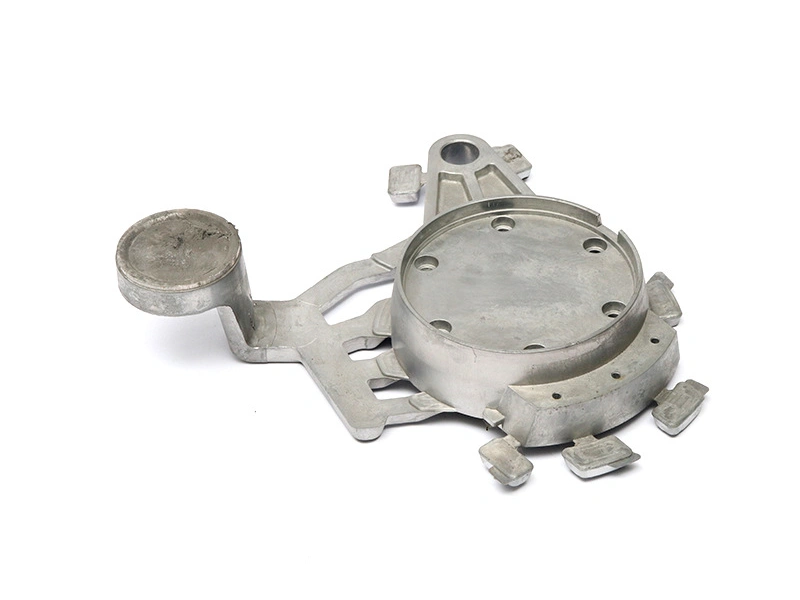
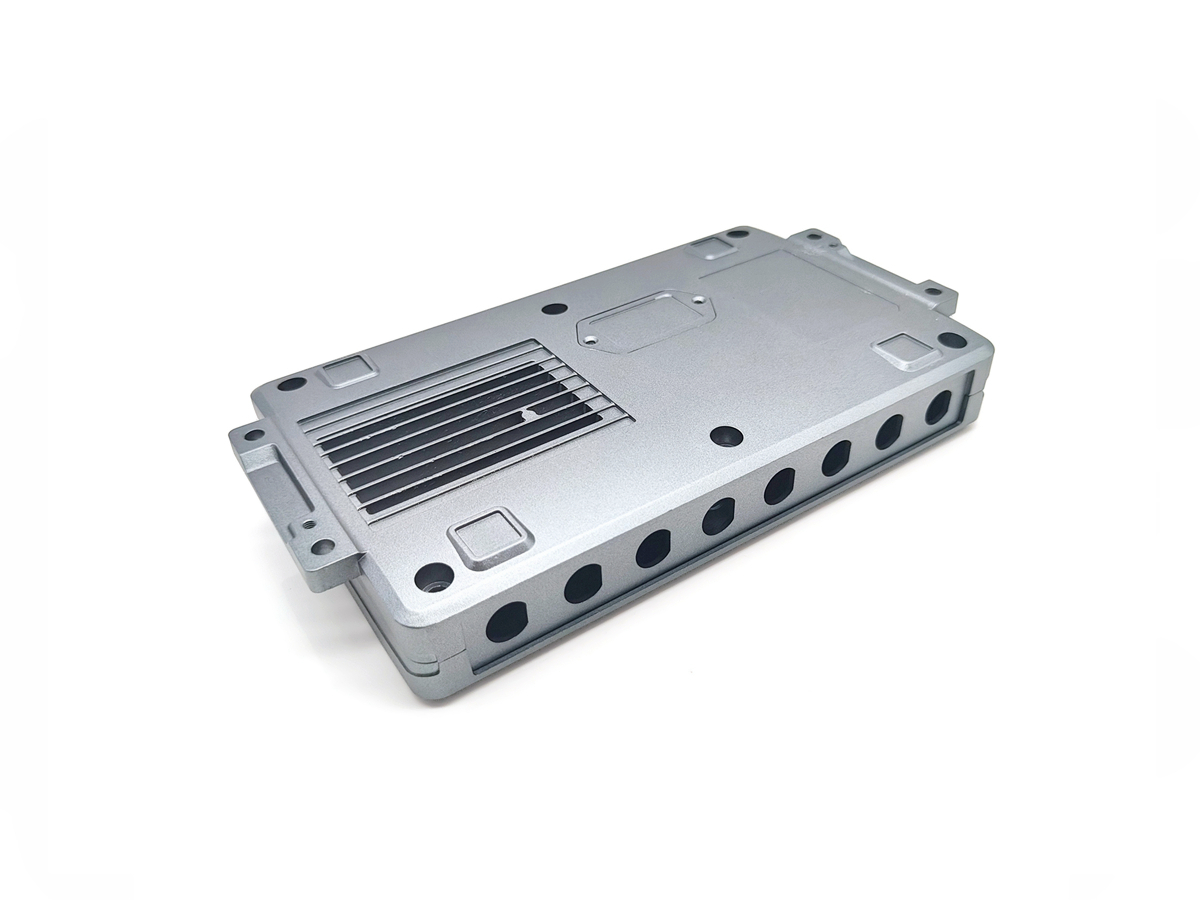
Non-rotational housing | Only part of the geometry follows the axis | Branches, bosses, flat walls, ports, and whether another route is simpler |
Alloy and Service Condition Still Matter
Centrifugal action can influence how metal is distributed, but it does not remove the need to select an alloy for the environment and function. Wear, corrosion, temperature, pressure, and compatibility with a mating part should be stated. A suitable material record must be connected to the actual casting lot. The process should also be checked for the wall range and length of the component, not just for a small sample.
When to Choose the Route
Choose centrifugal casting when the dominant shape is tubular or rotational and the benefits of a cast blank justify the machining and inspection plan. Compare it with other metal-casting routes when the geometry has many non-rotational features or when the volume and tooling boundary changes the economics. The route should be approved against the completed tube, sleeve, ring, or liner.
The short answer is that centrifugal casting fits shapes organized around an axis. The final decision still depends on wall profile, ends, alloy, machining, service condition, and evidence from representative parts.