
التشغيل الآلي اللاحق للقطع المصبوبة: ضمان ملاءمة التجميع والموثوقية الوظيفية
مقدمة
في تطوير المنتجات المعدنية الحديثة، نادرًا ما يكون الصب بالقوالب كافيًا بمفرده لتحقيق جميع المتطلبات الوظيفية والتجميعية. تتطلب الواجهات الميكانيكية المعقدة، والفتحات الدقيقة، وأسطح التسكير، والميزات الملولبة تسامحات أضيق مما يمكن أن يوفره حتى الصب عالي الضغط. هنا يصبح التشغيل الآلي اللاحق امتدادًا حاسمًا لعملية الصب بالقوالب، محولًا الأجزاء شبه النهائية الشكل إلى مكونات جاهزة للتجميع ووظيفية بالكامل.
في نيواي، ندمج الصب عالي الضغط بالقوالب مع قدرات التشغيل الآلي المتقدمة و خدمة تشغيل لاحق مخصصة للقطع المصبوبة لضمان ملاءمة التجميع والموثوقية الوظيفية طويلة الأمد. من خلال التعامل مع التشغيل كجزء من سير عمل هندسي موحد بدلاً من كونه مهمة منفصلة، نساعد العملاء على تقليل إعادة العمل، وتبسيط التجميع، واستقرار أداء المنتج عبر الإنتاج الضخم.
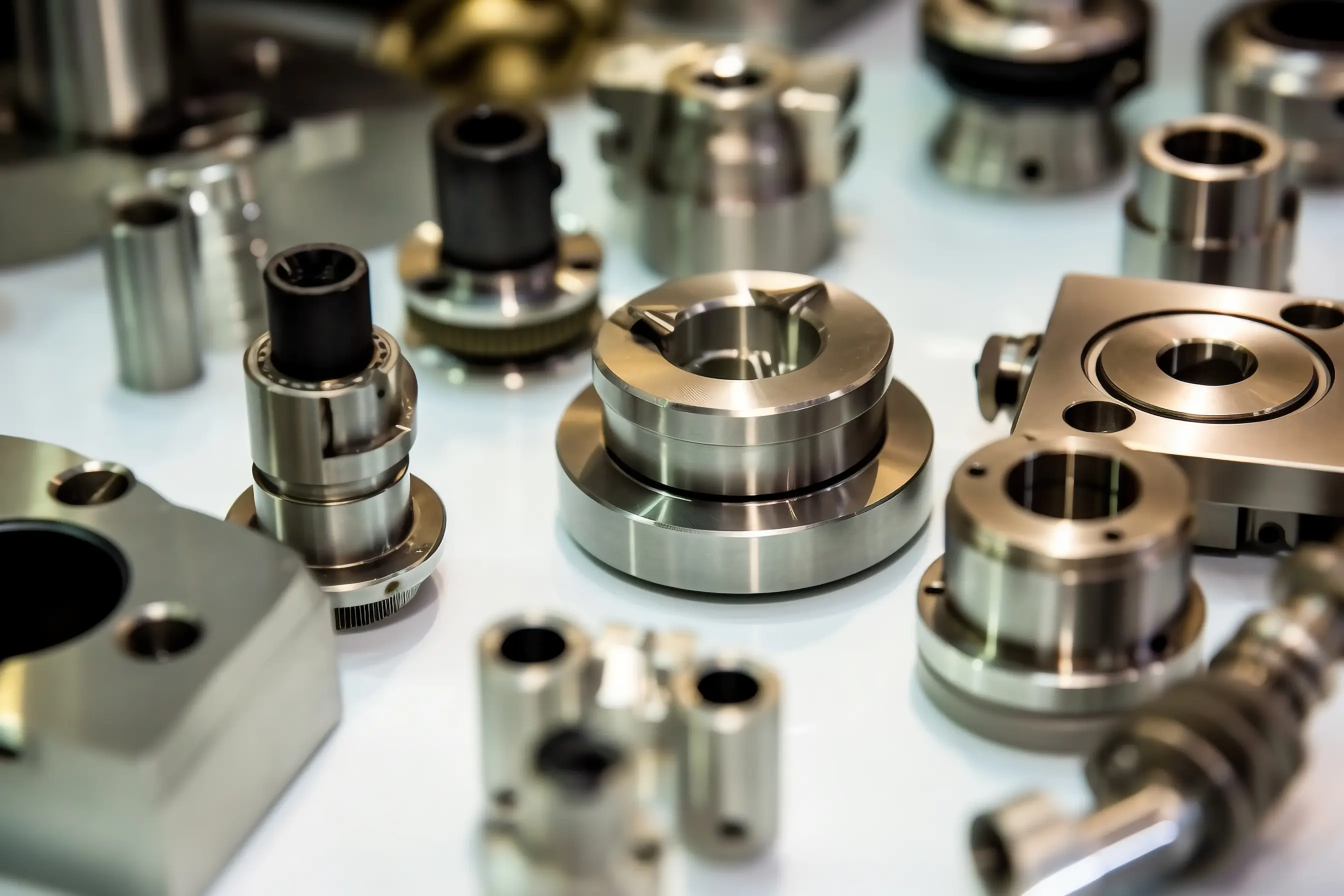
ما هو التشغيل الآلي اللاحق للقطع المصبوبة بالقوالب؟
يشير التشغيل الآلي اللاحق إلى عمليات إزالة المواد الدقيقة المطبقة بعد عملية الصب بالقوالب. يتم إنتاج الأجزاء المصبوبة بالقوالب قريبة من الشكل النهائي، لكن الميزات المحلية تتطلب دقة أكبر مما يمكن أن يوفره الصب. يستخدم التشغيل اللاحق عمليات الطحن، والحفر، والتوسيع، والتخويش، والخراطة لتحسين هذه المناطق الحرجة مع الحفاظ على كفاءة التكلفة للصب شبه النهائي الشكل.
تشمل التطبيقات النموذجية:
تشطيب أوجه التركيب، وأسطح التسكير، وأماكن الجوانات
تشغيل مقاعد المحامل، وفتحات الأعمدة، وواجهات التروس
إنشاء ثقوب ملولبة دقيقة ومواقع دبابيس التمركز
تحديد ميزات المعالم المرجعية الدقيقة للتجميع
التحكم في الاستواء، والتعامدية، والتحديد المركزي
عند دمجه مع عمليات المنبع القوية مثل إنتاج الصب المعدني الدقيق، يصبح التشغيل الآلي اللاحق الخطوة النهائية التي تتماشى بها المكونات الواقعية مع مواصفات CAD والتسامحات الصارمة.
ضمان ملاءمة التجميع مع التشغيل الآلي اللاحق
تحدد ملاءمة التجميع في النهاية على مستوى الميكرون. حتى الانحرافات الصغيرة في موضع الثقب، أو الاستواء، أو التعامدية يمكن أن تؤدي إلى اختلال، أو تثبيت، أو ضوضاء، أو تآكل مبكر. يتعامل التشغيل الآلي اللاحق مع هذه المخاطر من خلال التحكم في:
تسامحات الأبعاد – أقطار الثقوب، وعرض الفتحات، وأبعاد النتوءات
تسامحات الشكل الهندسي – الموضع، والتحديد المركزي، والتوازي، والاهتزاز
خصائص السطح – الخشونة، والتموج، والملمس المحلي
للتجميعات مثل أغلفة أدوات الطاقة، وأغطية علب التروس، وأطر الإلكترونيات، يجب أن تكون التسامحات الضيقة قابلة للتكرار عبر آلاف الأجزاء. من خلال الجمع بين تصميم الصب المستقر والتشطيب الآلي، نضمن أن الأجزاء المتزاوجة – من لوحات الدوائر المطبوعة إلى الأعمدة والأختام – تنزل في مكانها دون إجبار، أو وضع حشوات، أو تعديل يدوي.
في كثير من الحالات، يتم إجراء التشغيل الآلي اللاحق على الميزات الوظيفية التي تتفاعل مع المكونات الموردة من موردين آخرين. وهذا يتطلب تحليلًا قويًا لتراكم التسامحات ومواءمة وثيقة مع رسومات العميل، غالبًا ما يتم تنسيقها من خلال دعمنا الهندسي للصب بالقوالب خلال مراجعات التصميم المبكرة.
من الصب إلى التشغيل: تحديد سلسلة العمليات
يعتمد أداء التشغيل اللاحق بشكل كبير على استقرار خطوات العملية السابقة. يبدو التسلسل النموذجي في نيواي هكذا:
اختيار المواد من عائلات مؤهلة مثل سبائك صب الألومنيوم بالقوالب، أو أنظمة سبائك الزنك، أو تركيبات النحاس والنحاس الأصفر.
تطوير الأدوات عبر خدمة تصنيع القوالب والأدوات لضمان التحكم المناسب في التغذية، والتهوية، والأبعاد.
عمليات صب الألومنيوم عالي الضغط بالقوالب أو العمليات المكافئة لسبائك الزنك والنحاس.
التشذيب، وإزالة الحواف، والتثبيت من خلال التدحرج للقطع المصبوبة أو معالجات التفجير السطحي.
التشغيل الآلي اللاحق لتحسين جميع الواجهات الحرجة وميزات التجميع.
الطلاء أو المعالجة السطحية الاختيارية ضمن مسار ما بعد المعالجة المتكامل.
من خلال تحديد سلسلة العمليات هذه مسبقًا، نتحكم في التشوه، ونقلل من الإجهادات المتبقية، ونضمن بقاء الأجزاء مستقرة أثناء التشغيل وأثناء التجميع لاحقًا.
سلوك المواد واستراتيجيات التشغيل اللاحق
تستجيب سبائك الصب بالقوالب المختلفة للتشغيل بشكل مختلف، مما يؤثر على اختيار الأداة، ومعاملات القطع، والتسامحات القابلة للتحقيق. بالنسبة للألومنيوم، تظهر الدرجات الشائعة مثل A380 أو سلسلة EN AC قابلية جيدة للتشغيل ولكنها قد تكون حساسة للحافة المتراكمة وإخلاء الرقائق. يتم اختيار أشكال أدوات محددة ومواد تشحيم للحفاظ على حواف نظيفة وخشونة سطح مستقرة.
قطع صب الزنك، التي يتم إنتاجها غالبًا عبر صب الزنك عالي الدقة، تكون أكثر ليونة وأسهل في التشغيل ولكنها تتطلب عناية لتجنب التلطيخ وتكوين الحواف على الميزات الدقيقة. قطع صب النحاس والنحاس الأصفر المنتجة من خلال عملياتنا لصب النحاس بالقوالب تتطلب مزيدًا من الاهتمام بتآكل الأداة وإدارة الحرارة، خاصة للأسطح التلامسية المستخدمة في الأنظمة الكهربائية أو السائلة.
يسمح فهم الخواص الميكانيكية والحرارية لكل سبيكة لنا بتحسين استراتيجيات التشغيل اللاحق، موازنة عمر الأداة، ووقت الدورة، وسلامة السطح لتقديم أداء تجميعي متسق.
النهاية السطحية والموثوقية الوظيفية
الموثوقية الوظيفية ليست متعلقة بالأبعاد فقط؛ بل تعتمد أيضًا على كيفية تفاعل الأسطح تحت الحمل، والحركة، والتعرض البيئي. يتيح لنا التشغيل الآلي اللاحق التحكم في:
أداء التسكير لواجهات الجوانات وأخاديد حلقات O
سلوك الاحتكاك في الوصلات المنزلقة أو الدوارة
خصائص الضوضاء والاهتزاز في التجميعات المتحركة
استقرار التلامس للواجهات الكهربائية أو الحرارية
للأجزاء المرئية أو المطلية، غالبًا ما ندمج التشغيل اللاحق مع نهايات عالية الجودة مثل أنظمة طلاء الصب بالقوالب، أو حلول الطلاء بالبودرة، أو خدمات أنودة الألومنيوم. توفر الأسطح المشغلة الاستواء والخشونة المطلوبة للطلاءات لتحقيق التصاق قوي ومظهر موحد، بينما قد تعتمد المناطق غير الحرجة على نسيج الصب كما هو للتحكم في التكاليف.
تصميم الأجزاء للتشغيل اللاحق الفعال
يمكن للتصميم الجيد أن يقلل وقت التشغيل، ويحسن استقرار التثبيت، ويزيد الموثوقية طويلة الأمد. خلال المراجعات التعاونية المدعومة من خدمة تصميم الصب بالقوالب، نساعد العملاء على تحسين:
موقع واتجاه الأسطح المشغلة للوصول إلى أداة التثبيت
بدلات التشغيل التي توازن بين الدقة وإزالة المواد
هندسة الأضلاع والنتوءات لمنع الاهتزاز والتشوه
هياكل المعالم المرجعية لمحاذاة أنظمة إحداثيات الصب والتشغيل
غالبًا ما نتحقق من صحة هذه المفاهيم من خلال دعم النماذج الأولية السريعة المبكر، باستخدام نماذج أولية مشغلة للتحقق ليس فقط من البعد والملاءمة، ولكن أيضًا من جهد التجميع، وسلوك عزم الدوران، ومتانة الوصلات تحت التحميل الواقعي.
مراقبة الجودة والتفتيش للقطع المصبوبة المشغلة لاحقًا
لضمان ملاءمة التجميع والموثوقية الوظيفية، يتم دعم كل مسار تشغيل آلي لاحق بخطة تفتيش منظمة. تشمل معدات تفتيش الصب بالقوالب في نيواي أنظمة CMM، وأنظمة القياس البصرية، واختبارات خشونة السطح، ومنصات الاختبار الوظيفية، كلها مصممة خصيصًا لتلبية متطلبات العملاء.
يشمل التحقق النموذجي:
فحوصات الأبعاد على الميزات الحرجة عبر عينات تمثيلية
التحقق من التسامحات الهندسية للتحديد المركزي، والاستواء، والتوازي
قياسات خشونة السطح على مناطق التسكير والانزلاق
تجارب التجميع مع المكونات الموردة من العميل
اختبار عزم الدوران، أو التسريب، أو التحميل حسب الحاجة
للإنتاج المستمر، نطبق التحكم الإحصائي في العملية، وتتبع عمر الأداة، ودراسات R&R للمقاييس لضمان بقاء عمليات التشغيل مستقرة. عندما تتوسع البرامج إلى أحجام أكبر، يتم دمج هذه الضوابط في إطارنا للصب بالقوالب للإنتاج الضخم.
توسيع نطاق التشغيل اللاحق من التجريبي إلى الإنتاج التسلسلي
تبدأ العديد من المشاريع ببناءات هندسية صغيرة أو دفعات تجريبية قبل التوسع إلى أحجام أكبر. تم تصميم نموذجنا للتصنيع منخفض الحجم لسد هذه الفجوة. في المراحل المبكرة، نقوم بتحسين مسارات الأدوات الآلية، وتقييم مفاهيم أدوات التثبيت، وضبط أوقات الدورة باستخدام بيانات حقيقية.
عندما ينضج البرنامج، تنتقل معلمات التشغيل اللاحق المحسنة هذه مباشرة إلى خطوط الإنتاج التسلسلي. للعملاء الذين يفضلون سلسلة توريد موحدة، يمكن لنيواي تسليم وحدات مسبوكة، ومشغلة، ومطلية، ومجمعة من خلال حل تصنيع متكامل شامل، مما يقلل تعقيدات اللوجستيات ويقلل من مخاطر تراكم التسامحات عبر عدة موردين.
أمثلة تطبيقية للتشغيل الآلي اللاحق
يلعب التشغيل الآلي اللاحق دورًا حاسمًا في العديد من الصناعات ومشاريع المراجع التي تدعمها نيواي. تشمل الأمثلة:
أطر وحدات معالجة الرسومات وأطراف الإلكترونيات المشابهة لـ برامج إطار وحدة معالجة الرسومات عالي الضغط من Gigabyte، حيث يكون الاستواء والدقة الموضعية أمران بالغا الأهمية للوحدات الحرارية.
قطع صب السيارات المستوحاة من قطع صب الألومنيوم من BYD، والتي تتطلب محاذاة مستقرة لواجهات نظام نقل الحركة، والهيكل، والجسم.
أغلفة المستهلك والوحدات الميكانيكية المماثلة لـ تجميعات أجهزة أدوات الطاقة من Bosch، حيث يجب أن تتعايش الملاءمة الإرجونومية والموثوقية الوظيفية.
في كل حالة، لا يكون التشغيل الآلي اللاحق فكرة لاحقة؛ بل هو عنصر تصميم وعملية أساسي يمكن المنتج النهائي من تلبية توقعات الأداء والمتانة الصارمة.
خاتمة
التشغيل الآلي اللاحق هو الرابط الحاسم بين أجزاء الصب بالقوالب شبه النهائية الشكل والمكونات الجاهزة للتجميع والوظيفية بالكامل. من خلال الجمع بين تصميم الصب القوي، والأدوات المتحكم فيها، ومسارات التشغيل المصممة بدقة، تضمن نيواي أن كل واجهة حرجة – الثقوب، والأوجه، والأخاديد، والخيوط – تساهم في تجميع موثوق وقابل للتكرار، وكذلك في الأداء الميداني طويل الأمد.
عندما يتم دمج التشغيل اللاحق في سير عمل شامل للصب بالقوالب يتضمن اختيار المواد، والمعالجة السطحية، والتفتيش النهائي، فإن النتيجة ليست مجرد جزء منتهي، بل نظام إنتاج مستقر ومتحقق منه. للعملاء الذين يسعون للحصول على ملاءمة متسقة، وجهد تجميعي مخفض، وسلوك وظيفي موثوق، فإن استراتيجية التشغيل الآلي اللاحق المصممة جيدًا لا غنى عنها.
الأسئلة الشائعة
أي الميزات في الجزء المصبوب بالقوالب تتطلب عادةً تشغيلًا آليًا لاحقًا لضمان ملاءمة التجميع؟
كيف يؤثر اختيار السبيكة على اختيار معلمات وأدوات التشغيل اللاحق؟
هل يمكن لنيواي المساعدة في تحسين تصميم الجزء لتقليل وقت التشغيل اللاحق مع الحفاظ على التسامحات؟
كيف تتحقق من أن القطع المصبوبة المشغلة لاحقًا ستتجمّع بشكل صحيح مع المكونات الموردة من العميل؟
ما هي أفضل طريقة للانتقال من مسارات التشغيل للنماذج الأولية إلى التشغيل اللاحق للإنتاج الضخم؟
