
كيف تعزز التشغيل الآلي CNC الدقة الأبعادية في أجزاء الصب بالقالب
مقدمة
الصب بالقالب تحت الضغط العالي هو عملية عالية الكفاءة لإنتاج أجزاء معدنية معقدة بتكرار ممتاز وهندسة قريبة من الشكل النهائي. ومع ذلك، حتى مع الأدوات والتحكم في العملية المُحسّنين، نادرًا ما تلبي المسبوكات وحدها أضيق التفاوتات الأبعادية للواجهات الحرجة مثل ثقوب المحامل، أو أسطح التثبيت، أو نقاط التركيب الدقيقة. حيث تُدخل التشوهات الحرارية، وانكماش التصلب، وتآكل الأدوات، وقوى إخراج القطعة انحرافات صغيرة ولكنها كبيرة عن الأبعاد الاسمية.
هنا يأتي دور التشغيل الآلي CNC كامتداد رئيسي لعملية الصب بالقالب. بدلاً من التعامل مع الصب والتشغيل كعالمين منفصلين، تدمج Neway التشغيل الدقيق مباشرة في تدفق إنتاج الصب بالقالب، باستخدام هندسة المسبوك كأساس ثابت ثم تحسين الميزات الحرجة لتلبية المواصفات الأبعادية الدقيقة. والنتيجة هي عملية هجينة: يوفر الصب بالقالب الشكل عالي الحجم وفعال التكلفة؛ بينما يوفر التشغيل الآلي CNC الدقة النهائية وجودة السطح التي تتطلبها التطبيقات الهندسية الحديثة.
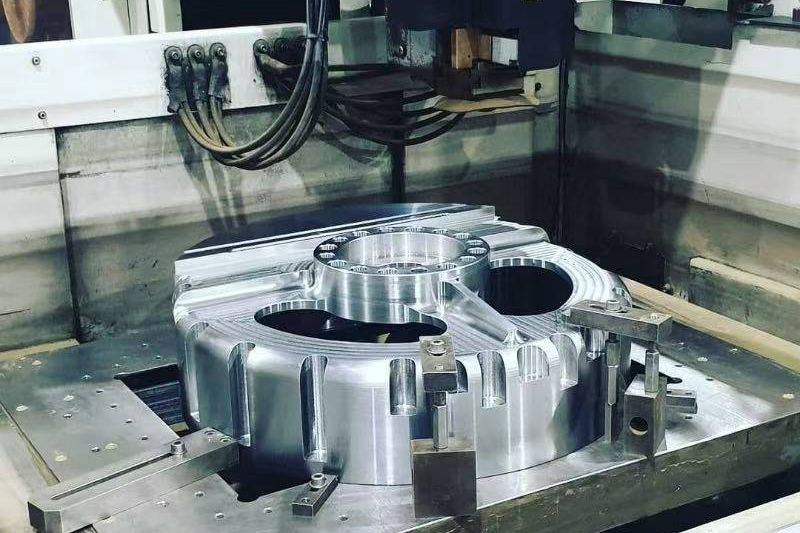
التحديات الأبعادية في مكونات الصب بالقالب
يقدم الصب بالقالب تكرارية ممتازة مقارنة بالعديد من عمليات التشكيل الأخرى، لكنه لا يزال يواجه تحديات أبعادية متأصلة. حيث تواجه الأجزاء:
تبريد غير متجانس، مما يؤدي إلى انكماش موضعي وتشويه طفيف.
تراكم التفاوتات من تصنيع الأدوات، والتآكل، وإعدادات الماكينة.
عدم تطابق خط الفصل وزوائد حول الهندسة المعقدة.
إجهادات متبقية وتشوه أثناء الإخراج والتشذيب.
حتى مع الأدوات ونطاقات العملية المُحسّنة، لا يمكن دائمًا الحفاظ على الميزات الوظيفية مثل الثقوب، والخيوط، وأسطح التزاوج الدقيقة ضمن التفاوتات على مستوى الميكرومتر المطلوبة في التجميعات عالية الأداء. لهذا السبب تصمم Neway الصب والتشغيل معًا، بدءًا من مرحلة هندسة الصب بالقالب، بحيث توفر ميزات المسبوك أفضل قاعدة ممكنة للتشطيب بالـ CNC.
دور التشغيل الآلي CNC في سير عمل الصب بالقالب
يتم تطبيق التشغيل الآلي CNC بشكل انتقائي على أجزاء المسبوك حيث تكون التفاوتات الضيقة، أو الاستدارة المثالية، أو التسطح، أو خشونة السطح حرجة. في Neway، تتم معالجة هذه العمليات من خلال خدمة تشغيل CNC مخصصة لأجزاء الصب بالقالب، والتي تتم مزامنتها بشكل وثيق مع الصب، والتشذيب، والتفتيش.
بدلاً من تشغيل كل سطح، نركز على:
ميزات التحديد والتركيب (البروزات، الوسادات، ثقوب المحاذاة).
الثقوب الوظيفية للأعمدة، والمحامل، والأختام.
الواجهات الملولبة للمثبتات أو وصلات السوائل.
أسطح التثبيت الدقيقة للجوانات وحلقات O.
الواجهات المستوية الحرجة بين التجميعات الفرعية المتزاوجة.
من خلال التشغيل فقط حيث يضيف قيمة حقيقية، نحافظ على هياكل تكلفة تنافسية، ونقصر أوقات الدورة، ونقلل من الإزالة غير الضرورية للمادة التي تنتجها عملية الصب بدقة كافية بالفعل.
من الصب إلى التشغيل: محاذاة العمليات من أجل الدقة
الدقة الأبعادية ليست مجرد وظيفة لخطوة التشغيل؛ بل هي نتيجة لسلسلة عمليات منسقة. على سبيل المثال، يتم تصميم هيكل معقد يتم إنتاجه عبر تقنية صب الألمنيوم بالقالب مع مراعاة مخزون التشغيل، وأسطح المرجع، وميزات التثبيت منذ البداية. يتم اختيار زاوية السحب، وسمك الجدار، وتخطيطات الأضلاع لتقليل التشوه أثناء التصلب ولضمان بقاء أسطح المرجع مستقرة.
بالنسبة للمكونات الأصغر الغنية بالتفاصيل المنتجة بواسطة عمليات صب الزنك بالقالب، تركز استراتيجيات التشغيل على التحسين المحلي، بما في ذلك حفر وتخويش الخيوط، وتوسيع الثقوب، وطحن أسطح التثبيت الصغيرة. بالنسبة للأجزاء التي تتطلب أداءً حراريًا وكهربائيًا عاليًا المنتجة من خلال حلول صب النحاس بالقالب، يضمن التشغيل الآلي CNC أن المناطق عالية التوصيل والواجهات الميكانيكية تفي بنطاقات التفاوت الضيقة، حتى بعد التعرض لتأثيرات الحرارة أثناء الخدمة.
يتم تخطيط كل هذه العمليات بهدف مشترك: الاستفادة من التكرارية العالية للصب بالقالب لإنشاء ميزات مرجعية قوية، ثم استخدام التشغيل الآلي CNC لتحسين الأبعاد الأكثر حرجة بدقة على مستوى الميكرومتر.
استراتيجية الأدوات والمرجع للمسبوكات المشغلة
لتحقيق دقة أبعادية متسقة، يكون التثبيت واختيار المرجع بنفس أهمية معاملات القطع. أثناء تصميم القالب، يقوم فريق تصنيع الأدوات والقوالب في Neway بتضمين وسادات مرجعية مخصصة، وأضلاع تثبيت، وبدلات تشغيل في هندسة القطعة. نادرًا ما تكون هذه الميزات وظيفية في المنتج النهائي، لكنها ضرورية لإعدادات مستقرة وقابلة للتكرار على مراكز التشغيل.
من خلال تعريف مراجع تشغيل مرتبطة مباشرة بالواجهات الوظيفية للقطعة، نقلل التباين الناتج عن تشوهات الصب أو الأسطح غير الحرجة. تدعم هذه الطريقة تفاوتات موضعية ضيقة لأنماط البراغي، والتحديد المحوري لثقوب متعددة، والتوازي بين مستويات بعيدة في هياكل كبيرة.
تحضير السطح ودمج ما بعد المعالجة
قبل التشغيل الآلي CNC، تخضع أجزاء الصب بالقالب عادةً لخطوات تشطيب جماعي تزيل الزوائد، وتنعم الحواف، وتثبت السطح. يتم تنظيم هذه العمليات عبر ما بعد المعالجة المتكامل للمسبوكات في Neway، والذي يوحد حالة الأجزاء قبل وصولها إلى خلية التشغيل.
تشمل الخطوات النموذجية:
إزالة الحواف الخشنة وتنعيمها باستخدام عمليات التدحرج للمسبوكات، مما يقلل من خطر تداخل الحواف الخشنة مع التثبيت أو تلامس المرجع.
إنشاء نسيج محكم وإزالة الأكسيد عبر الرملية لأسطح الصب بالقالب، مما يحسن النظافة والاتساق في المناطق المجاورة للميزات المشغلة.
من خلال دخول التشغيل الآلي CNC بحالة سطح محكمة وقابلة للتكرار، نقلل التباين في قوى التثبيت وسلوك القطع، وكلاهما يؤثر مباشرة على الدقة الأبعادية.
سلوك المادة وتحسين التشغيل
تظهر سبائك الصب بالقالب المختلفة استجابات متنوعة لقوى القطع، وتآكل الأداة، وتوليد الحرارة. تحسن Neway استراتيجيات التشغيل لكل عائلة مواد باستخدام بيانات مرجعية من قاعدة معرفة مواد الصب الخاصة بها. على سبيل المثال، تسمح سبائك من مجموعة سبائك الألمنيوم للصب بالقالب عادةً بسرعات قطع عالية وإخلاء جيد للرايش، مما يدعم عمليات الطحن والحفر الفعالة.
تمكن مواد الزنك من مجموعة سبائك الزنك للصب بالقالب من التشغيل الدقيق للتفاصيل ولكنها تتطلب تحكمًا دقيقًا لتجنب تراكم الحواف أو تلطيخ الميزات الصغيرة. تتطلب سبائك النحاس والنحاس الأصفر المختارة من مواد صب النحاس-النحاس الأصفر بالقالب قوى قطع وأحمال حرارية أعلى، لذلك يتم ضبط مسارات الأدوات واستراتيجيات التبريد وفقًا لذلك.
من خلال الجمع بين بيانات القطع الخاصة بالمواد والتثبيت المستقر ومسارات الأدوات المُحسّنة، نحقق الدقة الأبعادية مع الحفاظ على عمر الأداة وكفاءة العملية.
التشغيل الآلي CNC وملاءمة التجميع
تظهر القيمة الحقيقية للدقة الأبعادية بوضوح في التجميع. حيث يتم تجميع الأجزاء التي تفي بالتفاوتات الضيقة بسلاسة، دون تركيب قسري، أو إعادة عمل، أو أعطال ميدانية. ضمن عمليات تجميع المسبوكات في Neway، تحدد الميزات المشغلة كيفية تفاعل المسبوكات مع المثبتات، والأختام، والأعمدة، والمكونات المتزاوجة.
على سبيل المثال، تضمن الثقوب المشغلة للمحامل ملاءمة تداخل أو خلوص محكمة؛ تمكن الأسطح المشطوفة المطحونة بدقة من ضغط منتظم للجوانات؛ وتسمح الثقوب الملولبة المحددة بدقة بتثبيت البراغي دون تحميل عرضي. تساهم كل هذه العوامل في تحسين التثبيت، وتقليل الضوضاء، وإطالة عمر الخدمة في المنتجات النهائية.
التفتيش وحلقة التغذية الراجعة
يتم الحفاظ على التحكم الأبعادي من خلال التفتيش المستمر والتغذية الراجعة ذات الحلقة المغلقة. تقيس Neway الميزات المشغلة باستخدام أجهزة CMM، وأنظمة بصرية، وحلول قياس في مركز تفتيش مكونات الصب بالقالب الخاص بها. لا تُستخدم هذه البيانات فقط لتأكيد أن الأجزاء تفي بالمواصفات، ولكن أيضًا لتحسين تعويضات التشغيل وحتى معاملات الصب المنبع.
إذا أشارت الاتجاهات إلى انحراف في أبعاد معينة، يمكن لمهندسي العملية ضبط مسارات القطع، أو تعويض الأداة، أو محاذاة المثبت. عندما يتم تتبع الاختلافات إلى سلوك الصب، يمكن ضبط التغذية، أو التبريد، أو تآكل الأداة لتقليل الحمل على التشغيل وتحسين الاستقرار العام.
النماذج الأولية والتحقق من العملية
قبل بدء التشغيل الآلي CNC على نطاق واسع على أجزاء الصب بالقالب، تستخدم Neway التحقق التدريجي. يمكن تقييم التصاميم المبكرة باستخدام خدمات النماذج الأولية السريعة، مثل النماذج الأولية المشغلة أو المسبوكات ذات الأدوات الناعمة، لتأكيد الجدوى الأبعادية وتحديد ميزانيات التفاوت.
للأشكال المعقدة أو الميزات الحساسة، يمكن استخدام مكونات مرجعية مطبوعة ثلاثية الأبعاد لمحاكاة إعدادات التشغيل والتحقق من إمكانية الوصول ومفاهيم التثبيت. بمجرد توفر قوالب الإنتاج المقصودة، تقوم عمليات التشغيل التجريبية بالتحقق من كل من تكرارية الصب وقدرة عملية CNC قبل الإطلاق الكامل.
التوسع من التجريبي إلى الإنتاج الضخم
يجب الحفاظ على الدقة الأبعادية ليس فقط لبضعة أجزاء نموذجية، ولكن طوال دورة حياة المنتج بأكملها. تضمن نهج Neway التدريجي - بدءًا من برامج نماذج الصب بالقالب الأولية، مرورًا بـ مراحل التصنيع منخفضة الحجم، وأخيرًا إلى عمليات الإنتاج الضخم - أن تكون استراتيجيات التشغيل وخطط التفتيش قابلة للتوسع.
طوال هذه العملية، يستفيد العملاء من حل شامل واحد للمسبوكات والأجزاء المشغلة. يقلل هذا التكامل من أخطاء النقل، ويقصر أوقات التسليم، ويوفر واجهة هندسية واحدة لجميع مخاوف الدقة الأبعادية، من المراجعة الأولية لـ CAD إلى دعم الإنتاج طويل الأجل.
خاتمة
التشغيل الآلي CNC ضروري لتحقيق الإمكانات الأبعادية الكاملة لمكونات الصب بالقالب. بينما يوفر الصب بالقالب أشكالًا قريبة من النهائي فعالة وقابلة للتكرار، يحول التشغيل تلك الأشكال إلى مكونات دقيقة تفي بالتفاوتات الضيقة التي تتطلبها الأنظمة الميكانيكية، والسيارات، والإلكترونية، والصناعية الحديثة.
من خلال دمج الصب بالقالب، وتحضير السطح، واستراتيجيات التشغيل الخاصة بالمواد، والتجميع، والتفتيش ضمن إطار هندسي واحد، تقدم Neway أجزاء صب بالقالب ليست فعالة التكلفة وخفيفة الوزن فحسب، بل أيضًا دقيقة الأبعاد وجاهزة للتركيب المباشر. بالنسبة للمهندسين الذين يسعون إلى ملاءمة موثوقة، وأداء مستقر، وسلاسل توريد مبسطة، يوفر هذا المزيج من الصب بالإضافة إلى التشغيل الآلي CNC حلاً قويًا وقابلاً للتوسع.
الأسئلة الشائعة
أي الميزات الأبعادية في أجزاء الصب بالقالب تتطلب عادةً التشغيل الآلي CNC لتلبية أهداف التفاوت؟
كيف يؤثر التثبيت واختيار المرجع على تكرارية مكونات الصب بالقالب المشغلة؟
ما مستوى الدقة الأبعادية الذي يمكن تحقيقه عادةً عند الجمع بين الصب بالقالب والتشغيل الآلي CNC؟
كيف تستخدم Neway بيانات التفتيش لتحسين استقرار الصب والتشغيل الأبعادي باستمرار؟
هل يمكن لـ Neway دعم كل من التشغيل الآلي CNC للنماذج الأولية وعالي الحجم على نفس منصة الصب بالقالب؟
