
الرمل غير المعدني في تشطيب الصب بالقالب
مقدمة
في سعيها للحصول على تشطيب سطحي فائق لمكونات الصب بالقالب، ظهر الرمل غير المعدني كبديل متطور للطرق التقليدية الكاشطة المعدنية. يستخدم هذا العلاج السطحي المتقدم وسائط غير معدنية مصممة بدقة لتحقيق جودة سطحية استثنائية مع القضاء على خطر التلوث الحديدي والحفاظ على ميزات المكونات الدقيقة. في Neway، يمثل الرمل غير المعدني قدرة متخصصة ضمن قسم ما بعد المعالجة الشامل لدينا، حيث يوفر للعملاء حلولاً سطحية خالية من التلوث لتطبيقات صب الألمنيوم بالقالب الدقيق، وصب الزنك بالقالب، وصب النحاس بالقالب.
على عكس طرق الرمل التقليدية التي قد تقدم جسيمات معدنية أو تسبب تلفًا سطحيًا، يستخدم الرمل غير المعدني وسائط عضوية وسيراميكية واصطناعية مختارة بعناية لتقديم تعديل سطحي مضبوط دون المساس بسلامة المادة. أصبح هذا النهج حيويًا بشكل متزايد للمكونات التي تتطلب نظافة مطلقة واستقرارًا أبعاديًا وتناسقًا سطحيًا ضمن بيئة التصنيع المتكاملة للخدمة الشاملة لدينا.
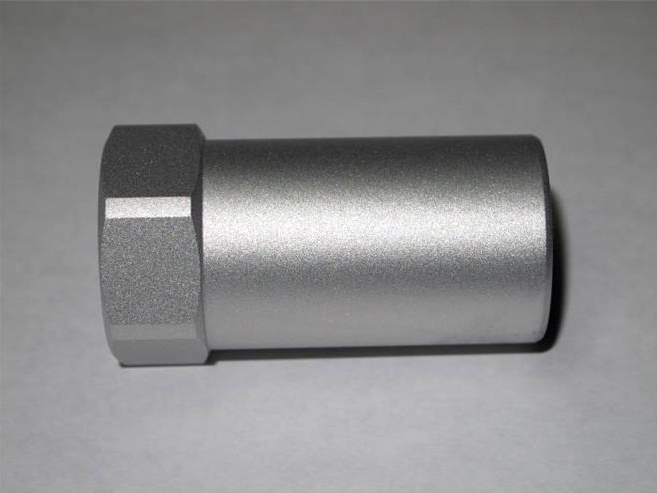
ما هو الرمل غير المعدني؟
الرمل غير المعدني هو عملية معالجة سطحية دقيقة تستخدم مواد كاشطة غير حديدية مصممة لتنظيف وتنعيم وإعداد أسطح مكونات الصب بالقالب دون إدخال تلوث معدني. تستخدم طريقة التشطيب المتقدمة هذه وسائط مختارة بعناية، بما في ذلك حبيبات الزجاج وحبيبات السيراميك والمواد الكاشطة البلاستيكية والمواد العضوية، لتحقيق خصائص سطحية محددة مع الحفاظ على النقاء الكيميائي وسلامة الأبعاد للمادة الأساسية.
تعمل العملية من خلال الفعل الميكانيكي المضبوط، حيث يتم تسريع الجسيمات غير المعدنية ضد أسطح المكونات باستخدام الهواء المضغوط أو القوة الطاردة المركزية، مما يخلق تعديلات سطحية دقيقة تتراوح من التنظيف اللطيف إلى إنشاء نسيج محدد. يقدم كل نوع من الوسائط غير المعدنية خصائص قطع مميزة وملامح صلابة وخصائص تفاعل سطحية، مما يتيح تحكمًا دقيقًا في النتائج السطحية مع القضاء على خطر التلوث الحديدي الذي يمكن أن يعرض للخطر العمليات اللاحقة، مثل التأنود أو التغليف بالبودرة.
الفوائد الرئيسية للرمل غير المعدني
يوفر تنفيذ الرمل غير المعدني مزايا كبيرة لتطبيقات الصب بالقالب الدقيق:
معالجة خالية من التلوث: يلغي خطر انغراس الجسيمات الحديدية التي يمكن أن تسبب تآكلاً أو عيوبًا في الطلاء
الحفاظ على سلامة السطح: التنظيف اللطيف والفعال يحافظ على الاستقرار الأبعادي وخصائص المادة
توافق متعدد المواد: مناسب لمختلف سبائك الألمنيوم، وسبائك الزنك، وسبائك النحاس
تناسق سطحي فائق: يحقق نسيجًا موحدًا بقيم خشونة (Ra) تتراوح من 0.2 ميكرومتر إلى 6.0 ميكرومتر
السلامة البيئية: العديد من الوسائط غير المعدنية قابلة لإعادة التدوير وصديقة للبيئة
التحكم في العملية: تعديل دقيق للخصائص السطحية دون إزالة كبيرة للمادة
الكفاءة التكلفية: تقليل استهلاك الوسائط وإزالة عمليات التنظيف الثانوية
تحسين أداء الطلاء: إعداد سطحي مثالي لعمليات التغليف بالبودرة والطلاء اللاحقة
أنواع وسائط الرمل غير المعدنية
تستخدم Neway مجموعة شاملة من تركيبات الوسائط غير المعدنية، كل منها مصمم لتطبيقات محددة:
وسائط حبيبات الزجاج: جسيمات زجاجية كروية للتنعيم الموحد والتشطيب الجمالي دون قطع عدواني
وسائط السيراميك: سيراميك الألومينا والزركونيا المشكل بدقة لتنعيم السطح المضبوط
وسائط البلاستيك: مواد كاشطة بوليمرية تشمل اليوريا والبوليستر والأكريليك لإعداد الأسطح الدقيقة
وسائط قشرة الجوز: قشور الجوز العضوية المسحوقة للتنظيف اللطيف والتطبيقات الواعية بيئيًا
وسائط نواة الذرة: وسائط زراعية للتنظيف اللطيف وعمليات إزالة الحواف الخفيفة
وسائط صودا الخبز: بلورات بيكربونات الصوديوم للتنظيف غير التدميري والمعالجة السطحية الدقيقة
وسائط الزجاج المسحوق: جسيمات زجاجية معاد تدويرها تقدم فعل قطع متوازن وفوائد بيئية
وسائط مركبة: خلائط مصممة تجمع بين مواد غير معدنية متعددة لتطبيقات محددة
التطبيقات في تشطيب مكونات الصب بالقالب
يخدم الرمل غير المعدني وظائف حرجة عبر تطبيقات دقيقة متنوعة:
مكونات الأجهزة الطبية: إعداد سطحي متوافق حيويًا يلبي معايير FDA وISO الصارمة
أغلفة الإلكترونيات: تنعيم دقيق للمكونات في أغلفة قاعدة بيانات هواوي لدينا
مكونات السيارات: إعداد سطحي للأجزاء في تطبيقات السيارات BYD
مكونات الفضاء الجوي: ملامح سطحية حرجة للتطبيقات الحساسة للإجهاد التي تتطلب نظافة مطلقة
معدات معالجة الأغذية: تشطيبات سطحية صحية تلبي متطلبات USDA وFDA
المكونات البصرية: خصائص نشر وانعكاس ضوئي محددة دون تلف السطح
الإعداد قبل الطلاء: تنشيط السطح قبل التأنود أو العلاجات الكهروكيميائية
مشاريع الترميم: تنظيف لطيف للمكونات القديمة أو الدقيقة دون فقدان المادة
عملية الرمل غير المعدني في Neway
تتبع عمليات الرمل غير المعدني في Neway إجراءات مضبوطة بدقة:
بروتوكول اختيار الوسائط: مطابقة وسائط غير معدنية محددة مع مادة المكون والمتطلبات السطحية
تحسين المعلمات: تحكم دقيق في الضغط والمسافة والزاوية ووقت التعرض
منع التلوث: معدات ومرافق مخصصة للمعالجة غير المعدنية فقط
تصميم التركيبات: حلول تثبيت مخصصة للأشكال الهندسية المعقدة وكفاءة الإنتاج
مراقبة العملية: تقييم مستمر لحالة الوسائط وتناسق العملية
التنظيف بعد الرمل: إزالة شاملة للوسائط المتبقية باستخدام بروتوكولات تنظيف متخصصة
التحقق من الجودة: فحص شامل يشمل تحليل السطح واختبار التلوث
أنظمة التوثيق: سجلات عملية كاملة لتتبع الجودة وإمكانية التكرار
المقارنة مع وسائط الرمل المعدنية
يقدم الرمل غير المعدني مزايا مميزة مقارنة بالطرق المعدنية التقليدية:
خطر التلوث: يلغي انغراس الجسيمات الحديدية التي يمكن أن تسبب تآكلاً جلفانيًا
إمكانية تلف السطح: تقليل خطر تشوه السطح أو تصلب العمل
استهلاك الوسائط: غالبًا ما يكون أكثر اقتصادًا بسبب إمكانية إعادة التدوير والكثافة المنخفضة
الأثر البيئي: العديد من الوسائط غير المعدنية قابلة للتحلل الحيوي أو إعادة التدوير
التحكم في العملية: تحكم أدق في الخصائص السطحية وإزالة مادية دنيا
تآكل المعدات: تقليل تآكل المعدات وإطالة عمر الخدمة
اعتبارات السلامة: مخاطر صحية أقل مرتبطة باستنشاق الغبار
نطاق التطبيق: ملاءمة أفضل للمكونات الدقيقة والتطبيقات الحساسة للتلوث
الخصائص والقدرات السطحية
ينتج الرمل غير المعدني خصائص سطحية مميزة مثالية للتطبيقات الدقيقة:
التحكم في خشونة السطح: قيم Ra قابلة للتحقيق من 0.2 ميكرومتر إلى 6.0 ميكرومتر مع تناسق ممتاز
المظهر البصري: تشطيبات مات أو ساتان أو منعمة موحدة عبر الأشكال الهندسية المعقدة
الحفاظ على الهندسة: الحفاظ على الأبعاد الحرجة والحواف والميزات الوظيفية
إدارة ملف الإجهاد: تحريض مضبوط لإجهادات ضاغطة مفيدة دون تشويه
كيمياء السطح: الحفاظ على خصائص المادة الأساسية دون تلوث معدني
التصاق الطلاء: ملامح سطحية مثالية لتحسين أداء التغليف بالبودرة والطلاء
فعالية التنظيف: إزالة كاملة للأكاسيد والقشور والملوثات التصنيعية
بروتوكولات مراقبة الجودة والفحص
ينعكس التزام Neway بالتميز في الجودة في بروتوكولات الفحص الشاملة لدينا:
قياس السطح: قياس متقدم للخشونة والتموج والتضاريس
اختبار التلوث: كشف الجسيمات الحديدية باستخدام طرق مغناطيسية وكيميائية متخصصة
المعايير البصرية: مراجع ثابتة للمظهر الجمالي والتناسق
التحقق الأبعادي: تأكيد الحفاظ على التسامحات الحرجة
اختبار التصاق الطلاء: تقييم كمي لأداء الطلاء على الأسطح المعدة
دراسات قدرة العملية: تحقق إحصائي من تناسق وموثوقية العملية
التحقق من المادة: تأكيد سلامة المادة الأساسية بعد المعالجة
أنظمة التوثيق: إمكانية تتبع كاملة من دفعة الوسائط إلى المكون النهائي
التطبيقات الصناعية ودراسات الحالة
أظهر الرمل غير المعدني قيمة استثنائية عبر الصناعات الحساسة للتلوث:
تصنيع الأجهزة الطبية: إعداد سطحي للأدوات الجراحية والأجهزة القابلة للزرع
أجهزة الإلكترونيات: تنعيم دقيق للمكونات في أغلفة قاعدة بيانات هواوي
أنظمة السيارات: إعداد سطحي للمكونات في تطبيقات السيارات BYD
مكونات الفضاء الجوي: ملامح سطحية حرجة للمكونات الهيكلية والميكانيكية
معدات الأغذية والمشروبات: تشطيبات سطحية صحية تلبي المتطلبات التنظيمية
تصنيع الأدوية: إعداد سطحي متوافق مع الغرف النظيفة
المنتجات الاستهلاكية: تحسين الجماليات للسلع الاستهلاكية عالية القيمة
الترميم والحفظ: تنظيف لطيف للمكونات التاريخية أو الدقيقة
الابتكار التقني والاستدامة
تواصل Neway تطوير قدرات الرمل غير المعدني من خلال الابتكار المستمر:
تطوير الوسائط: مواد كاشطة غير معدنية من الجيل التالي بأداء محسن
أتمتة العملية: أنظمة روبوتية للأشكال الهندسية المعقدة والإنتاج عالي الحجم
تقنيات إعادة التدوير: أنظمة متقدمة لاستعادة الوسائط وإعادة استخدامها
المبادرات البيئية: وسائط قابلة للتحلل الحيوي وتقليل توليد النفايات
تقنية ضمان الجودة: أجهزة استشعار متقدمة لمراقبة العملية في الوقت الفعلي
توسيع التطبيق: التكيف مع مواد الصب الجديدة والمتطلبات المتخصصة
كفاءة الطاقة: تقليل استهلاك الطاقة من خلال معلمات عملية محسنة
التكامل الرقمي: الاتصال مع أنظمة الفحص لمراقبة الجودة ذات الحلقة المغلقة
التكامل مع سير عمل التصنيع
يعمل الرمل غير المعدني كمكون متكامل داخل النظام البيئي التصنيعي لـ Neway:
التعاون في مرحلة التصميم: تكامل مبكر للمتطلبات السطحية خلال استشارات خدمة التصميم
إرشادات اختيار المادة: التوصية بمواد الصب المتوافقة مع الرمل غير المعدني
التحقق من النموذج الأولي: تحسين العملية أثناء إنشاء النماذج الأولية لتأكيد الأداء
المعالجة المتسلسلة: وضع استراتيجي ضمن سير عمل ما بعد المعالجة الشاملة
تكامل الجودة: دمج سلس في بروتوكولات الفحص الشاملة
التنفيذ القابل للتوسع: تطبيق متسق عبر متطلبات التصنيع منخفض الحجم والإنتاج الضخم
الخلاصة
يمثل الرمل غير المعدني تقدمًا متطورًا في تشطيب أسطح الصب بالقالب، حيث يقدم معالجة سطحية خالية من التلوث مع تحكم استثنائي في الخصائص السطحية وسلامة المادة. في Neway، تمكن خبرتنا في الرمل غير المعدني، المدمجة داخل نظامنا البيئي التصنيعي الشامل للخدمة الشاملة، العملاء من تحقيق مواصفات سطحية تلبي أكثر المتطلبات الوظيفية والجمالية والتنظيمية صرامة.
مع استمرار تقدم معايير التصنيع عبر الصناعات الدقيقة، يظل الرمل غير المعدني عملية أساسية للمكونات التي تتطلب نظافة مطلقة واستقرارًا أبعاديًا وجودة سطحية فائقة. من خلال الاستفادة من طريقة المعالجة السطحية المتقدمة هذه، يمكن للمصنعين تحقيق أداء منتج استثنائي وموثوقية محسنة ورضا عملاء متزايد مع الحفاظ على المسؤولية البيئية وكفاءة التصنيع.
الأسئلة الشائعة
ما أنواع الوسائط غير المعدنية الأكثر ملاءمة لمكونات صب الألمنيوم بالقالب؟
كيف يمنع الرمل غير المعدني تلوث المكونات الحساسة؟
ما نطاقات خشونة السطح التي يمكن تحقيقها باستخدام وسائط غير معدنية مختلفة؟
كيف تقارن تكلفة الرمل غير المعدني بالطرق التقليدية؟
ما الصناعات التي تستفيد أكثر من تكنولوجيا الرمل غير المعدني؟
كيف تتم إدارة استهلاك الوسائط وإعادة تدويرها في العمليات غير المعدنية؟
هل يمكن دمج الرمل غير المعدني مع طرق تشطيب أخرى؟
