
حلول اللحام لأجزاء الصب بالقالب: تعزيز القوة، والتحكم في التسرب، والأداء
مقدمة
مع استمرار توسع تطبيقات الصب بالقالب في مجالات السيارات، والفضاء، والأدوات الكهربائية، والإلكترونيات، وأجهزة الاتصالات، والآلات الصناعية، يواجه المهندسون بشكل متزايد تحديات لا يمكن لطرق الربط الميكانيكية التقليدية معالجتها بالكامل. غالبًا ما تتطلب الأشكال الهندسية ذات الجدران الرقيقة، والقنوات الداخلية المعقدة، ومتطلبات التحكم في التسرب، والهياكل خفيفة الوزن حلول ربط يمكنها تعزيز الأجزاء المصبوبة مع ضمان عدم التسرب والمتانة طويلة الأجل.
في Neway، أصبح اللحام امتدادًا أساسيًا لقدراتنا في الصب بالقالب، والتشغيل اللاحق، والتجميع. عندما يتم هندسته بشكل صحيح، يسمح اللحام للمسبوكات المصنوعة من الألومنيوم والزنك والنحاس بتحقيق قوة هيكلية أعلى، والقضاء على مسارات التسرب الناتجة عن المسامية، ودمج وحدات صب متعددة في تجميع موحد عالي الأداء.
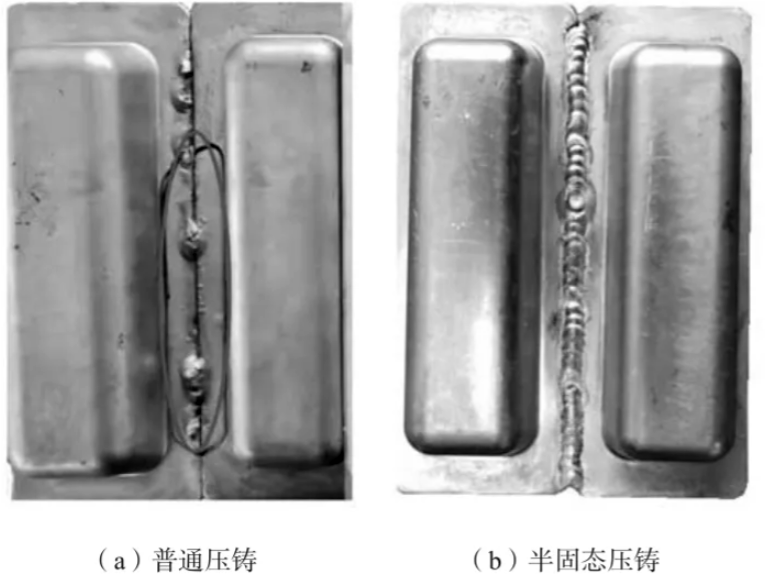
لماذا اللحام ضروري لمكونات الصب بالقالب
يقدم الصب بالقالب دقة أبعاد ممتازة وكفاءة إنتاجية، لكن بعض الشروط الهيكلية أو المتعلقة بالتحكم في التسرب تتطلب تعزيزًا يتجاوز خصائص الصب الخام. يتم اللجوء إلى اللحام بشكل شائع عندما يحتاج العملاء إلى:
• تعزيز القوة الهيكلية • تحكم في التسرب لغرف تحمل الضغط • تصحيح مسامية الصب • ربط هياكل أو أقواس متعددة القطع • محاذاة الأطر أثناء إنتاج صب الألومنيوم بالقالب • دمج عناصر وظيفية لا يمكن صبها في جسم واحد
بالنسبة لمكونات الزنك المصنعة من خلال صب الزنك بالقالب، يكون اللحام مفيدًا أيضًا عندما يحتاج المصممون إلى الربط دون إضافة مسامير أو مواد لاصقة، خاصة في المناطق التي تتطلب مقاومة للحرارة أو التأريض الكهربائي.
تستفيد هياكل النحاس، التي تُستخدم غالبًا في تطبيقات الطاقة أو الحرارية في صب النحاس بالقالب، من اللحام عندما تكون الاستمرارية الكهربائية، والتوصيل الحراري العالي، والاستقرار الهيكلي أمرًا بالغ الأهمية للأداء.
اعتبارات المواد قبل اللحام
تعتمد قابلية اللحام لمكونات الصب بالقالب على التركيب السبائكي، والبنية المجهرية، ومستوى المسامية، والمعالجة اللاحقة للصب. يتضمن اختيار عملية اللحام تقييم ما إذا كانت السبيكة تنتمي إلى عائلة سبائك الألومنيوم للصب بالقالب، أو سبائك الزنك للصب بالقالب، أو سبائك النحاس الأصفر.
سبائك الألومنيوم
تتطلب مسبوكات الألومنيوم تحضيرًا دقيقًا بسبب وجود طبقات الأكسدة والمسامية المحتملة الناتجة عن الغاز. يعد لحام TIG، ولحام MIG، واللحام بالليزر من الخيارات الشائعة، خاصة للهياكل والمكونات ذات الجدران الرقيقة.
سبائك الزنك
الزنك أكثر حساسية للحرارة وله نقاط انصهار أقل، مما يتطلب تحكمًا في مدخلات الحرارة. تُستخدم طرق اللحام المتخصصة أو اللحام بدرجة حرارة منخفضة عند التعامل مع مكونات مثل تلك الموجودة في أنظمة الهياكل أو الأجهزة الزخرفية المصبوبة بالقالب.
سبائك النحاس
تتمتع المواد القائمة على النحاس بتوصيل حراري وكهربائي ممتاز ولكنها تتطلب طاقة لحام أعلى. نظافة الوصلة أمر بالغ الأهمية، ويجب أن يزيل التحضير السطحي الأكاسيد قبل اللحام.
تصميم الوصلة والتحضير قبل اللحام
يبدأ اللحام الناجح في مرحلة التصميم. يقوم المهندسون العاملون على تصنيع نماذج أولية للمسبوكات بتقييم الشكل الهندسي للوصلة للحفاظ على السلامة الهيكلية مع تقليل تركيز الإجهاد. تشمل ممارسات التصميم النموذجية:
• إضافة حواف أو حواف مائلة ملائمة للحام • ضمان وجود فجوة جذر مناسبة • السماح بإمكانية الوصول لأدوات اللحام • تقليل الانتقالات من السميك إلى الرقيق التي تسبب تشوهًا حراريًا
غالبًا ما يكون التشغيل اللاحق مطلوبًا لإعداد أسطح الوصلات مسطحة ومتجانسة ونظيفة. هذا مهم بشكل خاص عندما تخضع الأسطح لـ التشغيل اللاحق للمسبوكات لإزالة العيوب أو تحسين الدقة.
تعتمد سلامة اللحام الناجحة أيضًا على إزالة مواد التشحيم، أو بقايا التلميع، أو الملوثات العضوية. قد تخضع بعض الأجزاء للتنظيف بالكشط أو الخشونة قبل اللحام، بينما يتم معالجة أجزاء أخرى - خاصة الهياكل الوظيفية - بطلاء مقاوم للتآكل مثل طلاء المسبوكات بعد اللحام.
تقنيات اللحام المناسبة لمنتجات الصب بالقالب
لحام TIG
يعد لحام TIG (التنغستن بالغاز الخامل) هو التقنية الأكثر شيوعًا لمسبوكات الألومنيوم بسبب دقته وقدرته على التحكم في مدخلات الحرارة. ينتج لحامًا نظيفًا مناسبًا لتطبيقات التحكم في التسرب، والنماذج الأولية الوظيفية، والمكونات الهيكلية.
لحام MIG
للتجميعات ذات الأحجام المتوسطة إلى الكبيرة، يقدم لحام MIG سرعة محسنة دون المساس بالقوة. يتم استخدامه بشكل متكرر في أقواس السيارات أو هياكل الآلات الصناعية.
اللحام بالليزر
يقدم اللحام بالليزر حدًا أدنى من التشوه الحراري، مما يجعله مثاليًا للهياكل ذات الجدران الرقيقة الموجودة في الأجهزة الإلكترونية - على غرار تلك المميزة في حالات تصنيع أجهزة الإلكترونيات الاستهلاكية لدى Neway. كما أن اللحام بالليزر مناسب لربط الألومنيوم المصبوب مع المكونات المطروقة أو المشغولة بالتحكم الرقمي.
اللحام الصلب واللحام الطري
في سبائك الزنك والنحاس، يحقق اللحام الصلب أداءً ممتازًا في التحكم في التسرب ويقلل من مخاطر التصدع الحراري. يستخدم هذا غالبًا في العلب الدقيقة، ومشتتات الحرارة، وهياكل الموصلات.
اللحام لتعزيز القوة الهيكلية
تستفيد أجزاء الصب بالقالب في تطبيقات السيارات والمعدات الثقيلة بشكل كبير من اللحام عندما يكون التعزيز الهيكلي مطلوبًا. غالبًا ما تتعرض مكونات مثل الأقواس، والأطر، والحوامل - المشابهة لتلك المستخدمة في تطبيقات السيارات - لأحمال دورية، واهتزازات، وإجهادات صدمية عالية.
توزع وصلات اللحام الأحمال بشكل أكثر توازنًا وتزيل مخاطر الترخي المرتبطة بالمسامير الميكانيكية. عند الجمع بين التشغيل الدقيق والعمليات الحرارية المتحكم فيها، يحسن اللحام بشكل كبير من أداء التعب، والصلابة، وقدرة التحمل.
اللحام للتحكم في التسرب
يعد التحكم في التسرب أحد أهم الأسباب التي تدفع العملاء لطلب اللحام على أجزاء الصب بالقالب. تتطلب هياكل السيارات، وأجسام المضخات، وعلب الضواغط، وغرف الإلكترونيات أسطحًا خالية من المسام.
يمكن أن تسبب عيوب الصب، مثل الفراغات المجهرية أو مسامية الغاز، أحيانًا فشلًا في التسرب. يمكن لللحام (أو إعادة اللحام) إصلاح هذه المناطق وضمان وظيفة التحكم في التسرب. يقوم العديد من العملاء أيضًا بدمج اللحام في التجميعات المحكمة التي يجب أن تخضع لاختبارات الضغط خلال مراحل فحص المسبوكات.
اللحام كجزء من سير عمل التصنيع الشامل لدى Neway
إحدى المزايا الأساسية لـ Neway هي سير عملنا المتكامل، الذي يسمح للمصممين بدمج الصب بالقالب، والتشغيل، واللحام، والتشطيب في برنامج واحد. هذا مفيد بشكل خاص للعملاء الذين يعتمدون على نموذج الخدمة الشاملة للمسبوكات لدينا.
من خلال تنسيق التصميم، وتصنيع النماذج الأولية، وصناعة القوالب، والصب، واللحام، والتجميع، نبسط سلسلة التوريد ونعزز الاتساق عبر دفعات الإنتاج.
خلال برامج الدفعات الصغيرة والتجريبية - المدعومة بسير عمل التصنيع بكميات منخفضة للمسبوكات لدينا - نتحقق من جدوى اللحام مبكرًا ونعدل تصميمات الصب لتحسين إمكانية الوصول للوصلة وجودة اللحام.
بعد اللحام، قد تتلقى المكونات تشطيبًا وقائيًا أو طلاءات أداء. للأسطح عالية القوة والمقاومة للتآكل، غالبًا ما يختار العملاء تشطيبات مثل التأنود للمسبوكات، والتي تعزز المتانة مع الحفاظ على سلامة اللحام.
الصناعات التي تستفيد من لحام تجميعات الصب بالقالب
السيارات
غالبًا ما تتطلب الأقواس، وهياكل علب التروس، والحوامل الهيكلية، ومكونات أنظمة البطاريات تعزيزًا باللحام من أجل السلامة وموثوقية التحمل.
الأدوات الكهربائية
تستفيد الهياكل خفيفة الوزن والأطر المقاومة للصدمات في الأدوات الكهربائية من الهياكل الفرعية الملحومة التي تحسن كلًا من الصلابة والمتانة.
الإلكترونيات
تعتمد العلب ذات الجدران الرقيقة وهياكل إدارة الحرارة على اللحام الدقيق لتحقيق وصلات نظيفة وسلسة دون المساس بالتغليف المدمج.
الإضاءة وأنظمة التدفئة والتهوية وتكييف الهواء
يدعم اللحام تجميع الهياكل الحرارية، وألواح التثبيت، ووحدات تبديد الحرارة.
في كل هذه الصناعات، يسهل اللحام دمج أكثر كفاءة للمكونات المصبوبة، مما يمكن من تحقيق أهداف الأداء.
الخلاصة: أداة استراتيجية لهندسة الصب بالقالب
اللحام ليس مجرد عملية لاحقة بسيطة - إنها قدرة هندسية استراتيجية تحول مكونات الصب بالقالب إلى تجميعات وظيفية بالكامل ومتينة. عند اقترانها بتقنيات الصب الدقيق، والتشغيل، والتشطيب لدى Neway، يضمن اللحام أن يتلقى العملاء أجزاء قوية، ومحكمة ضد التسرب، وعالية الأداء عبر مجموعة واسعة من الصناعات.
من أقواس السيارات إلى هياكل الإلكترونيات والآلات الصناعية، تقدم مكونات الصب بالقالب الملحومة بمهارة سلامة هيكلية فائقة، وتحكمًا محسنًا في التسرب، وموثوقية طويلة الأجل.
الأسئلة الشائعة
ما هي طرق اللحام الأكثر ملاءمة لأجزاء الألومنيوم المصبوبة بالقالب؟
هل يمكن لللحام إصلاح مشاكل المسامية في مكونات الصب بالقالب؟
كيف تتصرف سبائك الزنك والنحاس بشكل مختلف أثناء اللحام؟
ما هي ممارسات التصميم التي تحسن قابلية اللحام في تجميعات الصب بالقالب؟
كيف تضمن Neway أن الأجزاء الملحومة تفي بمتطلبات الأداء الهيكلي أو التحكم في التسرب؟
