A383 (ADC12)
مقدمة عن المادة
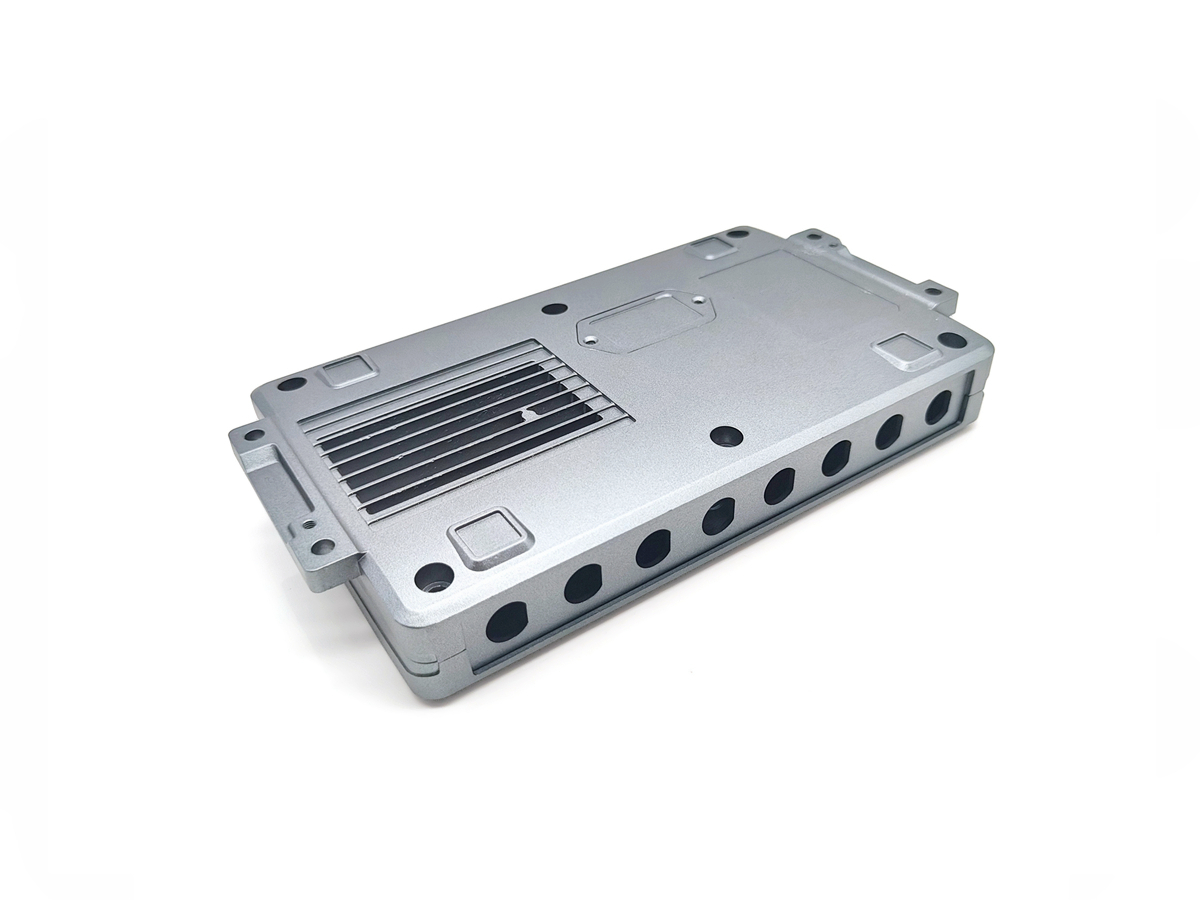
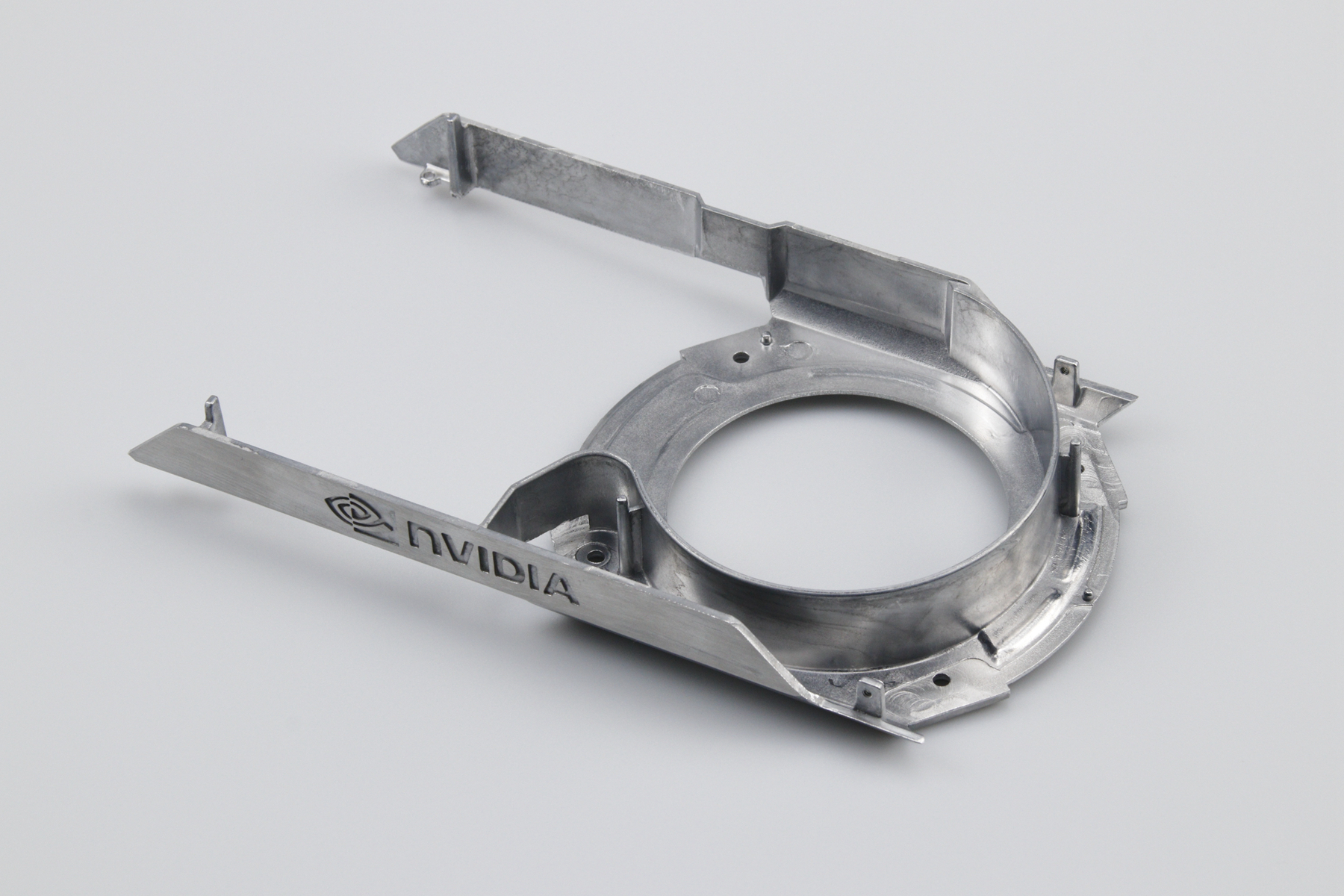
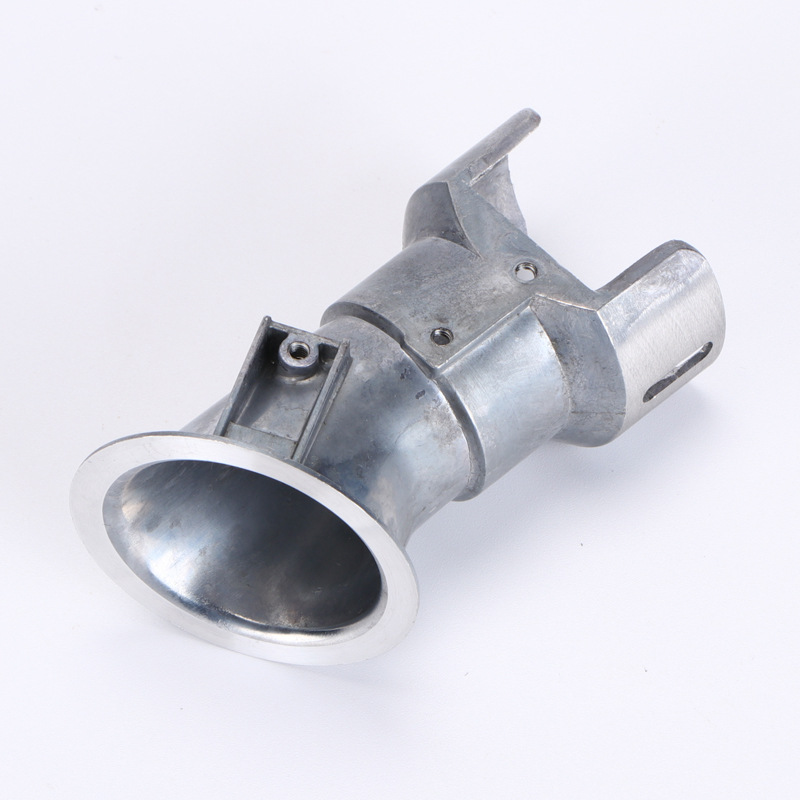
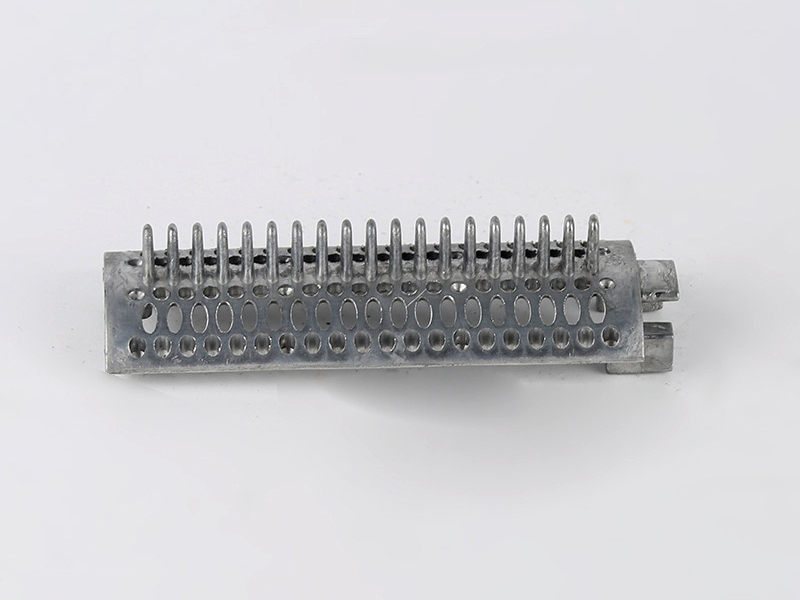
A383، المعروف أيضًا باسم ADC12، هو واحد من أكثر سبائك الألومنيوم استخدامًا في صب الألومنيوم تحت الضغط العالي. تم تصميمه ليتميز بقابلية صب ممتازة، وسيولة عالية، ومقاومة قوية للتشقق الساخن، ويدعم A383/ADC12 الأشكال ذات الجدران الرقيقة، وهياكل العلبة المعقدة، والمكونات التي تتطلب تحكمًا دقيقًا في الأبعاد. توفر هذه السبيكة توازنًا موثوقًا بين القوة، والتوصيل الحراري، ومقاومة التآكل، مما يجعلها مثالية للإنتاج واسع النطاق في صناعات السيارات والإلكترونيات والأجهزة الاستهلاكية. عند دمجه مع قدرات تصنيع القوالب والأدوات المتقدمة لدى Neway وعمليات التشغيل الآلي باستخدام الحاسب الرقمي (CNC) الدقيقة، يمكن لمسبوكات A383 تحقيق دقة واستقرار ملحوظين عبر الأشكال المعقدة. يصبح أداؤها الميكانيكي أكثر اتساقًا عند اقترانه بعمليات التشطيب المناسبة مثل الطلاء بالمسحوق أو الطلاء، مما يضمن متانة طويلة الأمد في البيئات الصعبة.
الأسماء الدولية أو الدرجات الممثلة
المنطقة | الاسم الشائع | الدرجات الممثلة |
|---|---|---|
الولايات المتحدة الأمريكية | سبيكة صب ألومنيوم تحت الضغط | A383, A380 |
اليابان | سبيكة صب ألومنيوم حسبมาตรฐาน JIS | ADC12, ADC10 |
أوروبا | سلسلة EN AC | EN AC-46000, EN AC-44300 |
الصين | سبيكة ألومنيوم حسبมาตรฐาน GB | YL113, YL112 |
قطاع السيارات | سبيكة صب تحت الضغط عالية السيولة | A383/ADC12, A413 |
خيارات المواد البديلة
اعتمادًا على متطلبات القوة، والأداء الحراري، وسلوك التآكل، وقيود التكلفة، يمكن للعديد من البدائل أن تعمل كبدائل لـ A383. لتحسين الخصائص الميكانيكية أو مقاومة الحرارة، توفر سبائك مثل A380 و EN AC-43500 سلامة هيكلية أعلى لعلب السيارات المطلوبة. لتعزيز المطيلية أو تحسين استجابة الأكسدة، تعتبر AlSi12 و AlSi7Mg بدائل مناسبة. إذا كانت هناك حاجة إلى مقاومة تآكل شديدة أو إحكام ضغط فائق، فقد يقدم Zamak 3 أو ZA-8 أداء ختم أفضل. بالنسبة للمكونات الهيكلية المتميزة، يوفر AC4C أو A356 قوة ميكانيكية فائقة وقدرة على المعالجة الحرارية، مما يدعم التطبيقات الهندسية الأكثر تطلبًا.
غرض التصميم
تم تطوير A383/ADC12 ليتفوق في بيئات الصب تحت الضغط العالي التي تتطلب سيولة فائقة الحد الأدنى من عيوب الصب. يدعم تركيبه ملء القوالب المعقد، وتقليل المسامية، ومقاومة قوية للتشقق الساخن، مما يجعله مثاليًا للمكونات ذات الجدران الرقيقة، وعلب الإلكترونيات، والدعامات الدقيقة. تعطي نية تصميم السبيكة أولوية للتكرار، والاستقرار البعدي، والإنتاجية العالية، والتوافق مع الإنتاج الضخم المؤتمت. يضمن هيكلها المعدني قوة ومتانة جيدة دون الحاجة إلى معالجة حرارية معقدة، مما يمكّن المصنعين من تحقيق أداء متسق عبر الدفعات الكبيرة. يظل A383 واحدًا من أكثر المواد فعالية من حيث التكلفة وموثوقية في صناعة الصب تحت الضغط نظرًا لتوازنه بين قابلية الصب، والقدرة الميكانيكية، والتنوع.
التركيب الكيميائي
العنصر | التركيب (%) |
|---|---|
السيليكون (Si) | 9.5–12.0 |
النحاس (Cu) | 1.5–3.5 |
المغنيسيوم (Mg) | ≤0.3 |
الزنك (Zn) | ≤1.0 |
الحديد (Fe) | ≤1.3 |
المنغنيز (Mn) | ≤0.5 |
القصدير (Sn) | ≤0.2 |
أخرى | ≤0.5 |
الألومنيوم (Al) | الباقي |
الخصائص الفيزيائية
الخاصية | القيمة |
|---|---|
الكثافة | ~2.74 جم/سم³ |
التوصيل الحراري | ~96–110 واط/م·كلفن |
التوصيل الكهربائي | ~23% IACS |
نطاق الانصهار | ~560–610°م |
التمدد الحراري | 21–23 ميكرومتر/م·°م |
الخصائص الميكانيكية
الخاصية | القيمة النموذجية |
|---|---|
قوة الشد | ~310 ميجا باسكال |
قوة الخضوع | ~160 ميجا باسكال |
الاستطالة | 1–3% |
الصلادة | ~85 HB |
مقاومة الصدمات | متوسطة |
الخصائص الرئيسية للمادة
تسمح السيولة العالية بملء دقيق للقوالب ذات الجدران الرقيقة والتجاويف العميقة.
أداء ممتاز في الصب تحت الضغط مع انكماش منخفض وتقليل مخاطر العيوب المتعلقة بالمسامية.
يضمن التوصيل الحراري الجيد تبديدًا مستقرًا للحرارة لعلب الإلكترونيات.
استقرار بعدي قوي للهياكل المعقدة والدعامات.
مقاومة التآكل مناسبة لمكونات المستهلك والسيارات الخارجية.
أداء متسق في عمليات صب المعادن عالية الحجم.
خيار سبيكة فعال من حيث التكلفة للتطبيقات الهيكلية متوسطة القوة.
متوافق مع علاجات تشطيب متعددة، مثل الأكسدة الكهربائية والطلاء.
قابلية لحام جيدة للإصلاح أو عمليات الوصل الثانوية.
قوة ميكانيكية موثوقة دون الحاجة إلى معالجة حرارية بعد الصب.
القابلية للتصنيع في العمليات المختلفة
الصب تحت الضغط العالي: خصائص تدفق ممتازة مثالية للعلب المعقدة باستخدام صب الألومنيوم تحت الضغط.
النماذج الأولية منخفضة الحجم: يدعم دوران سريع من خلال النماذج الأولية السريعة قبل الإنتاج الضخم.
التشغيل الآلي باستخدام الحاسب الرقمي (CNC): يعمل بشكل جيد مع التشغيل الآلي باستخدام الحاسب الرقمي (CNC) للثقوب الدقيقة، والخيوط، والأسطح المتلامسة.
التشطيب السطحي: متوافق مع الرمل و الدرفلة لتعزيز الملمس وإزالة الزوائد.
الطلاء والتغطية: يقبل الطلاء بالمسحوق أو الطلاء للحماية المعززة.
الأكسدة الكهربائية: يستخدم الأكسدة الكهربائية بالقوس لزيادة صلادة السطح ومقاومة التآكل.
دعم تصميم القوالب: يعمل بشكل أمثل عند اقترانه بخدمات تصميم الصب تحت الضغط الاحترافية لتقليل العيوب.
عمليات التجميع: مناسب لخطوط الإنتاج المتكاملة باستخدام خدمات التجميع للمنتجات متعددة المكونات.
طرق ما بعد المعالجة المناسبة
الطلاء بالمسحوق لحماية معززة من التآكل ومظهر سطحي موحد.
الطلاء للتشطيبات الزخرفية أو متطلبات ترميز الألوان.
الأكسدة الكهربائية والأكسدة بالقوس لزيادة صلادة السطح والمتانة.
الدرفلة أو التشطيب الاهتزازي لتحسين النعومة وإزالة الحواف الحادة.
الرمل لتنقية الأسطح قبل الطلاء أو التجميع.
التشغيل اللاحق باستخدام الحاسب الرقمي (CNC) لتحقيق تفاوتات دقيقة ونقاط تجميع محكمة الإغلاق.
معالجات إغلاق السطح لتحسين مقاومة المسامية للمكونات التي تتعامل مع السوائل.
الصناعات والتطبيقات الشائعة
علب السيارات، والدعامات، ومكونات ناقل الحركة، والأجزاء الهيكلية خفيفة الوزن.
أغلفة الإلكترونيات الاستهلاكية، وعلب تبديد الحرارة، وعلب الموصلات.
معدات الاتصالات، وعلب مضخمات الإشارة، والأطر الواقية.
أجسام الأدوات الكهربائية، والأطر الداخلية، والإكسسوارات الدقيقة المصبوبة تحت الضغط.
مكونات الأجهزة المنزلية التي تتطلب استقرارًا بعديًا قويًا ومقاومة للتآكل.
علب الآلات الصناعية والمكونات المصبوفة فعالة من حيث التكلفة.
متى تختار هذه المادة
عندما يكون ملء القالب الممتاز ودقة الجدران الرقيقة مطلوبًا.
عندما يتطلب الإنتاج عالي الحجم أداءً ميكانيكيًا متسقًا.
عندما تكون مقاومة التآكل والقوة الهيكلية المتوسطة كافية.
عندما تكون فعالية التكلفة أولوية لمكونات المستهلك أو السيارات.
عندما تكون خيارات التشطيب المتوافقة مثل الطلاء أو الطلاء بالمسحوق مطلوبة.
عندما يجب صب الأشكال المعقدة بموثوقية مع الحد الأدنى من العيوب.
عندما تستفيد الإدارة الحرارية من التوصيلية الجيدة للسبيكة.
عندما تكون هناك حاجة إلى انتقال سريع من النموذج الأولي إلى التصنيع منخفض الحجم أو الإنتاج الضخم.
استكشف المدونات ذات الصلة