AlSi7Mg
Material Introduction
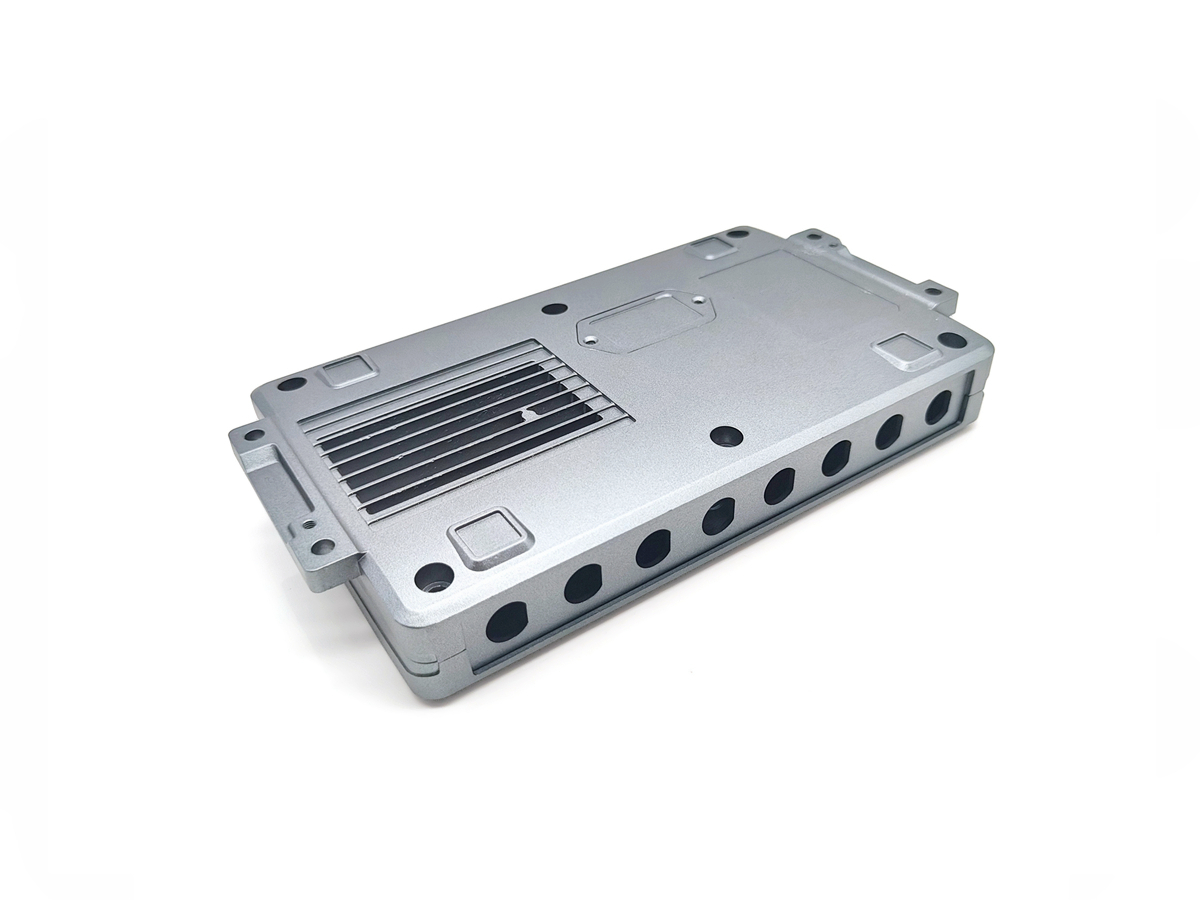
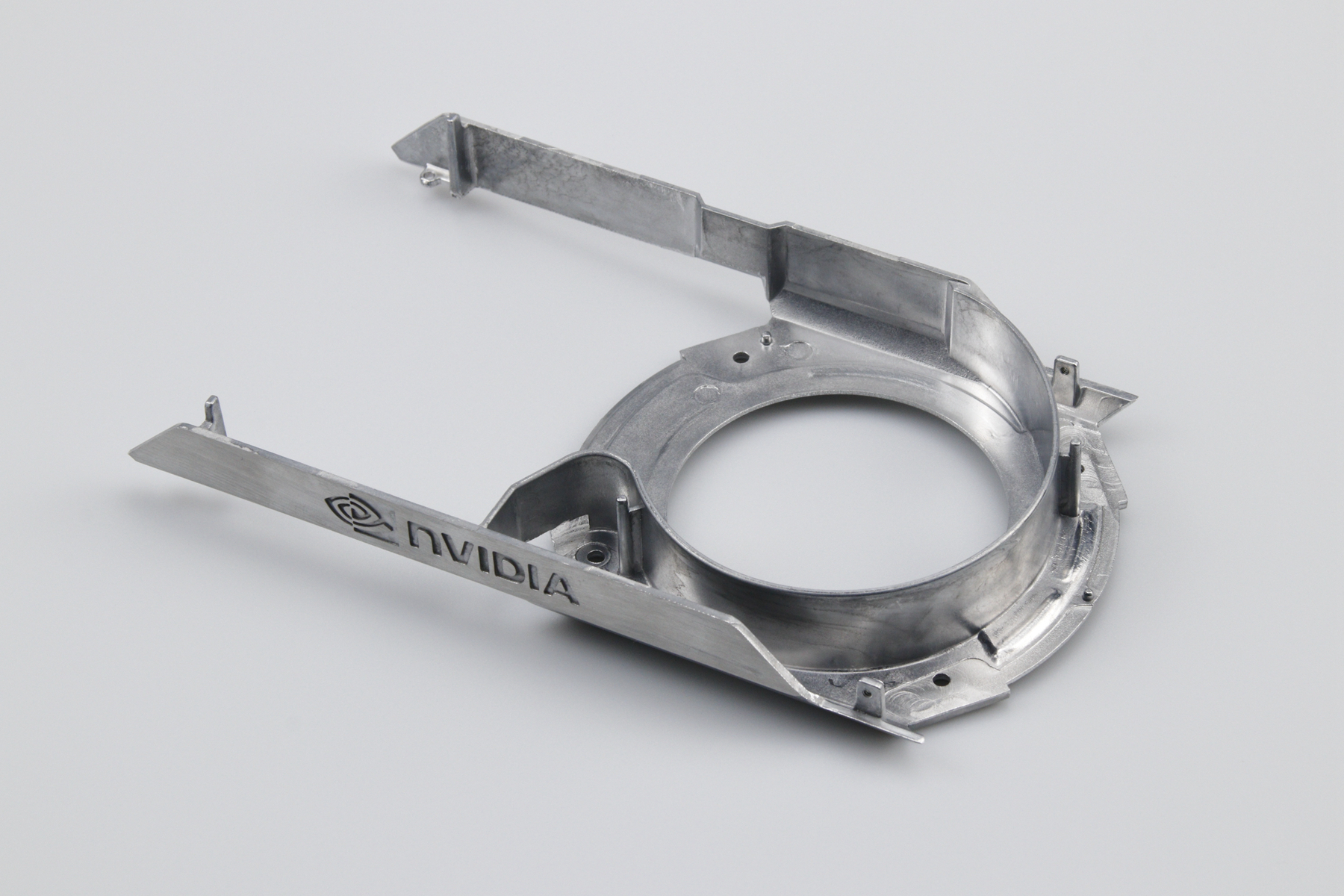
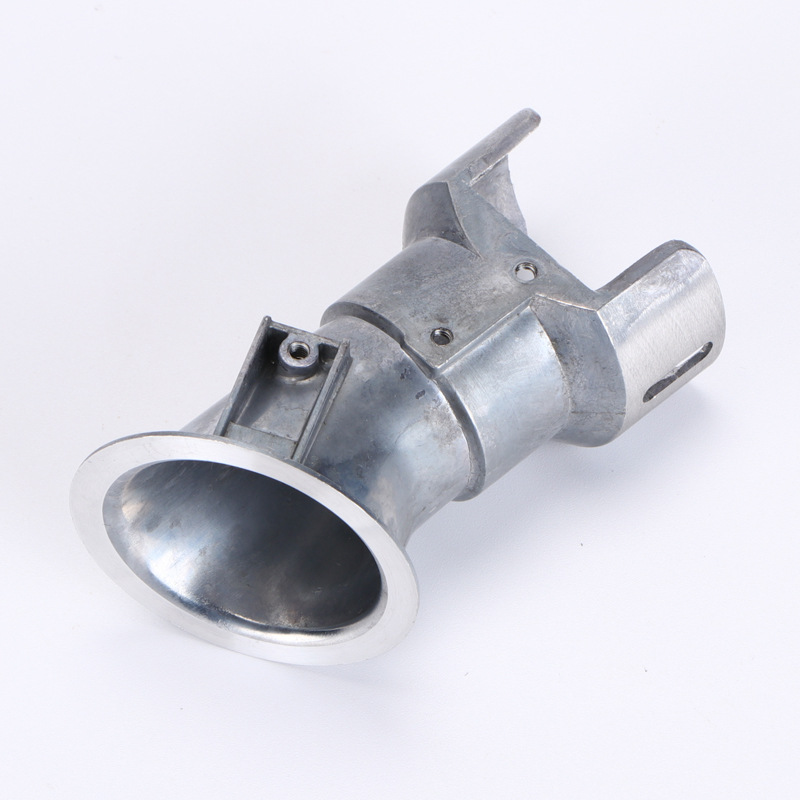
AlSi7Mg is a highly versatile aluminum–silicon–magnesium casting alloy designed for applications that require an excellent strength-to-weight ratio, superior corrosion resistance, and robust mechanical stability. Containing roughly 6.5–7.5% silicon and 0.25–0.45% magnesium, the alloy forms a strong Mg2Si precipitate network, which significantly improves both heat-treatable strength and fatigue performance. AlSi7Mg excels in aluminum die casting, permanent-mold casting, and sand casting, enabling designers to produce thin-wall, weight-optimized components with high dimensional repeatability. When combined with Neway’s advanced tool and die making, optimized thermal control, and precision gating design, AlSi7Mg delivers consistent casting quality, low porosity, and excellent as-cast surface finish, especially for aerospace-grade housings, automotive chassis parts, and mechanical linkage systems.
Alternative Material Options
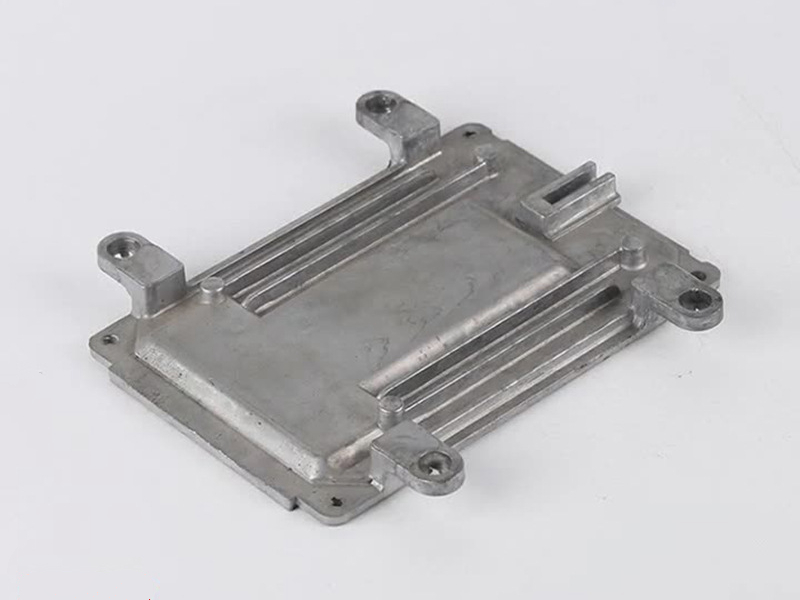
When performance requirements extend beyond AlSi7Mg’s capabilities, several alternatives can be considered. For higher strength and enhanced fatigue performance, EN AC-43500 (AlSi10Mg) provides improved hardness and mechanical durability. If superior fluidity is needed for complex thin-wall geometries, A383 / ADC12 offers exceptional die-fill capability. For elevated temperature resistance or powertrain-level stability, A380 or EN AC-46000 (AlSi9Cu3) are preferred. When extreme wear resistance or rigidity is necessary, A390 is the appropriate upgrade. For premium aesthetics or high electrical/thermal conductivity, Brass 380 or copper–brass alloys can be alternatives outside the aluminum family.
International Equivalent / Comparable Grade
Country/Region | Equivalent / Comparable Grade | Specific Commercial Brands | Notes |
Europe (EN) | EN AC-42000 (AlSi7Mg) | Hydro AlSi7Mg, Handtmann 42000 | Standard European designation for heat-treatable AlSi7Mg. |
USA (AA) | 356.0 / A356.0 | Kaiser A356, Belmont 356 | Very close chemistry; widely used for structural automotive and aerospace castings. |
Germany (DIN) | G-AlSi7Mg / 3.2381 | TRIMET AlSi7Mg | Key alloy for permanent-mold and sand-cast mechanical components. |
Japan (JIS) | AC4C | UACJ AC4C, Daiki AC4C | Excellent ductility and casting quality for industrial housings. |
China (GB/T) | ZL101 | Chalco ZL101, Nanshan ZL101 | Most common Al–Si–Mg alloy for automotive and machinery applications. |
Design Purpose
AlSi7Mg was engineered to provide a lightweight, high-strength, corrosion-resistant aluminum alloy option suitable for precision mechanical components. Its magnesium content enables precipitation hardening, resulting in strong and tough castings after T5/T6 heat treatment. The alloy’s silicon level ensures excellent castability, making it highly effective for parts with ribs, thin walls, deep pockets, and multi-slider mold structures. At Neway, AlSi7Mg is chosen when customers require an alloy that combines structural integrity, low weight, good machinability, and reliable long-term stability—particularly in transportation, aerospace-related systems, and energy equipment.
Chemical Composition
Element | Silicon (Si) | Magnesium (Mg) | Iron (Fe) | Manganese (Mn) | Copper (Cu) | Zinc (Zn) | Titanium (Ti) | Aluminum (Al) |
Composition (%) | 6.5–7.5 | 0.25–0.45 | ≤0.20 | ≤0.10 | ≤0.05 | ≤0.10 | ≤0.20 | Balance |
Physical Properties
Property | Density | Melting Range | Thermal Conductivity | Electrical Conductivity | Thermal Expansion |
Value | ~2.67 g/cm³ | ~560–635 °C | ~150–170 W/m·K | ~30–35% IACS | ~20–22 µm/m·°C |
Mechanical Properties
Property | Tensile Strength | Yield Strength | Elongation | Hardness | Fatigue Strength |
Value (T6 heat-treated) | ~250–310 MPa | ~160–210 MPa | ~5–12% | ~75–95 HB | ~80–110 MPa |
Key Material Characteristics
Excellent castability enabling thin-wall and complex shapes.
High strength-to-weight ratio, especially after T6 treatment.
Superior corrosion resistance suitable for outdoor and marine exposure.
Good fatigue resistance for vibration-loaded parts.
Predictable shrinkage and solidification behavior for dimensional accuracy.
Very good machinability, ideal for precision CNC machining.
Stable thermal performance for moderate heat environments.
Compatible with multiple casting routes (HPDC, gravity, sand).
Manufacturability And Post Process
Gravity and permanent-mold casting: AlSi7Mg is widely used in permanent-mold and gravity casting due to its stable fluidity and ability to form strong, defect-resistant structures. Neway applies precise thermal balancing in dies to control shrinkage and hot spots.
Sand casting: In sand casting, the alloy fills large or thick parts effectively while maintaining high mechanical consistency, ideal for pump housings and industrial components.
Low-pressure die casting (LPDC): LPDC provides superior metallurgical density and minimized porosity, making it suitable for wheels, structural frames, and sealing components.
Machining and precision finishing: The alloy machines very well, enabling Neway to deliver ±0.02–0.05 mm tolerances through post machining. Excellent chip control supports threading, drilling, and surface finishing.
Heat treatment options: T5 and T6 treatments significantly improve strength and fatigue resistance. Neway controls solutionizing and aging cycles to ensure consistent precipitation hardening.
Tumbling and deburring: Castings undergo tumbling to remove flash and prepare for coating or assembly.
Quality inspection: Components requiring structural integrity or sealing are inspected using dimensional checks, X-ray analysis, and pressure/leak tests, all conducted via Neway’s inspection equipment.
Suitable Surface Treatment
Anodizing: AlSi7Mg responds well to anodizing, producing uniform color, improved corrosion protection, and strong adhesion.
Powder coating: Powder coating provides excellent UV stability and mechanical durability, especially for outdoor modules.
Liquid painting: Painting offers cosmetic flexibility and smooth visual finishes for housings and covers.
Conversion coatings: Chromate or Cr-free conversion treatments enhance surface adhesion and corrosion resistance, which are essential for electronics housings.
Bead-blasting: Pre-finishing via sand-blasting creates uniform matte textures, enhancing final coatings.
Laser marking: High-precision marking for product identification without damaging the alloy’s surface quality.
Common Industries and Applications
Automotive chassis components, brackets, and mounting structures.
Aerospace-adjacent structures requiring lightweight strength.
Industrial pump bodies, valves, and pressure-bearing housings.
Energy and HVAC modules requiring corrosion resistance.
Consumer electronics housings and durable frame structures.
Lighting housings, outdoor fixtures, and marine-exposed components.
When to Choose This Material
When a high strength-to-weight ratio is required.
When T6 heat treatment is planned for structural improvement.
When excellent corrosion resistance is needed for outdoor or marine applications.
When casting routes must remain flexible (HPDC, gravity, sand, LPDC).
For thin-wall or complex cavity components requiring reliable fillability.
When machining precision and long-term mechanical stability are mandatory.
Explore Related Blogs