EN AC-46000 (AlSi9Cu3)
Material Introduction
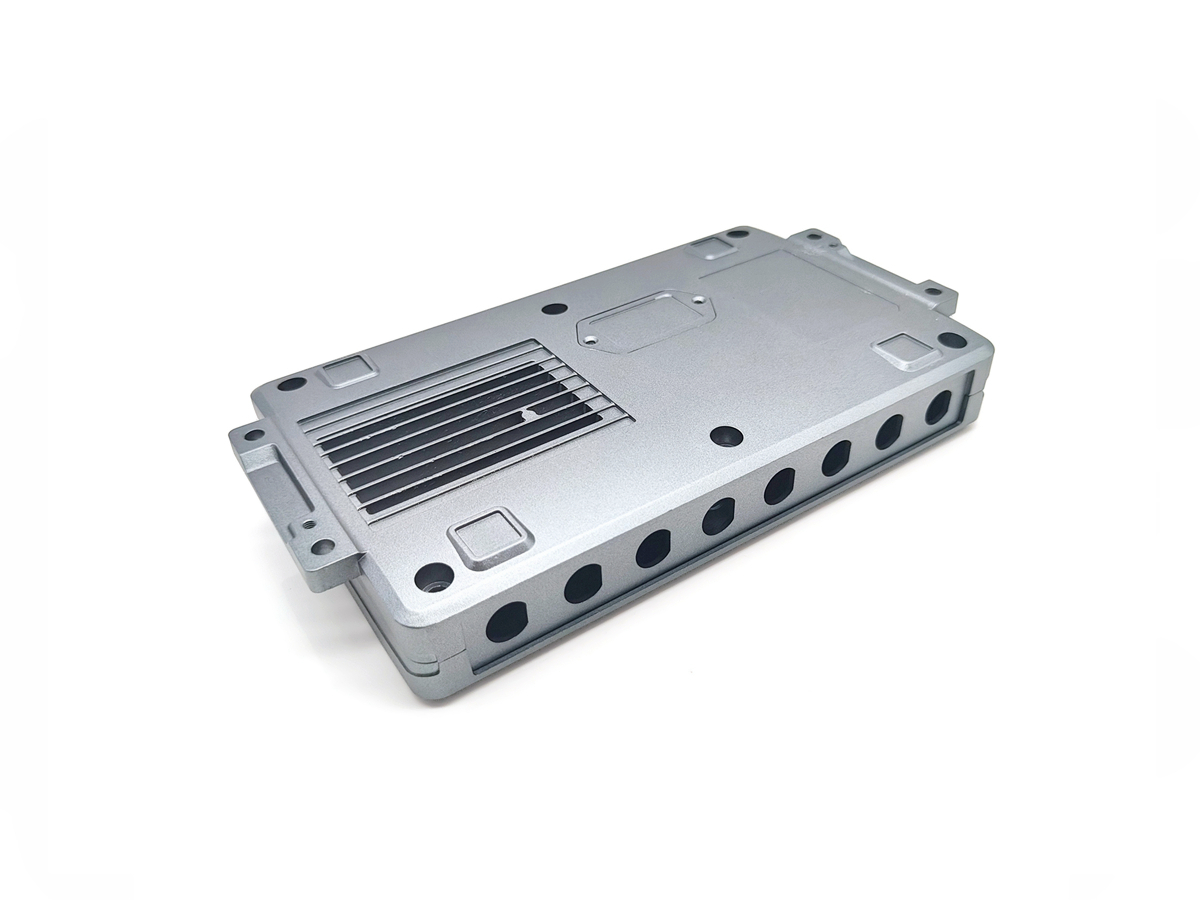
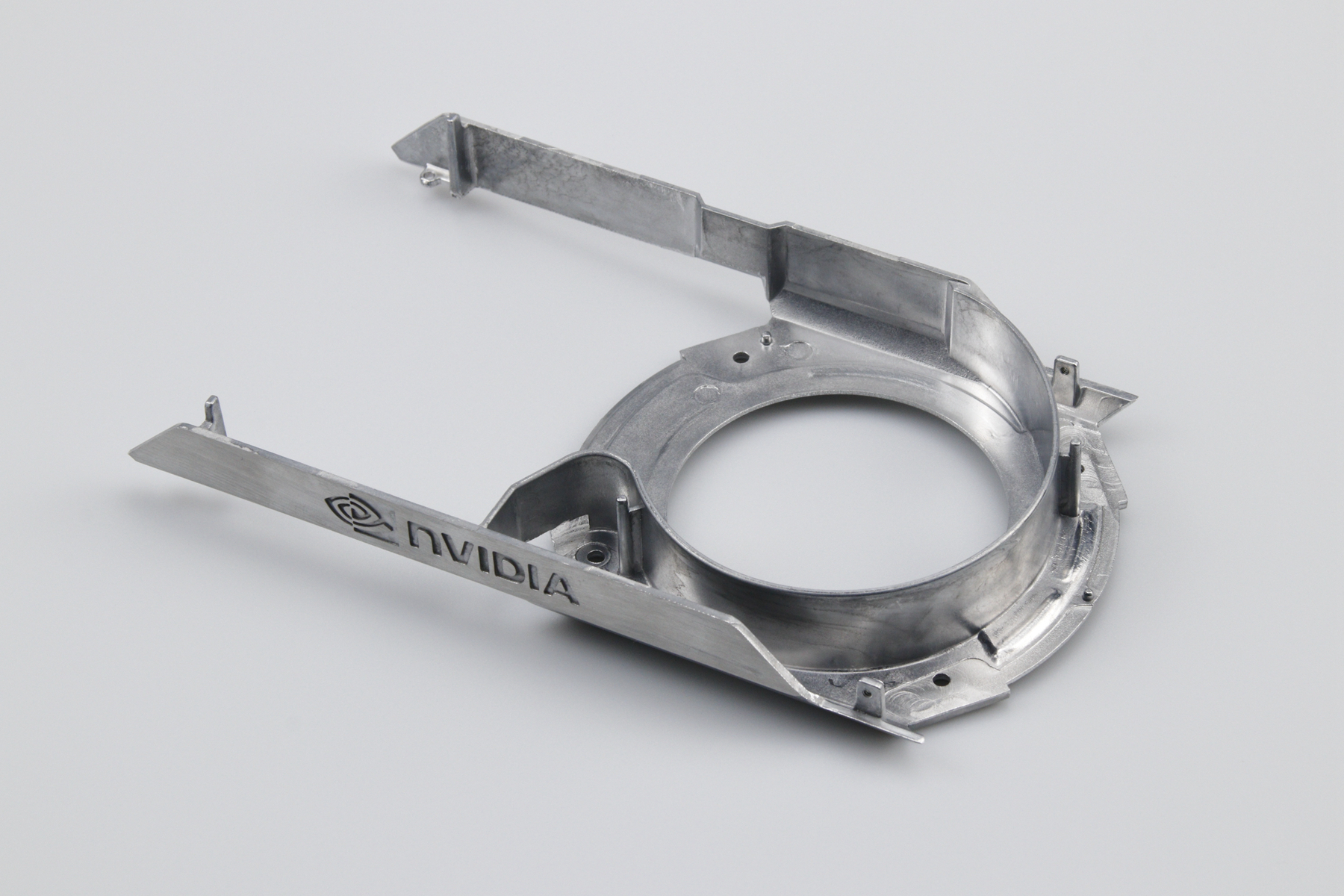
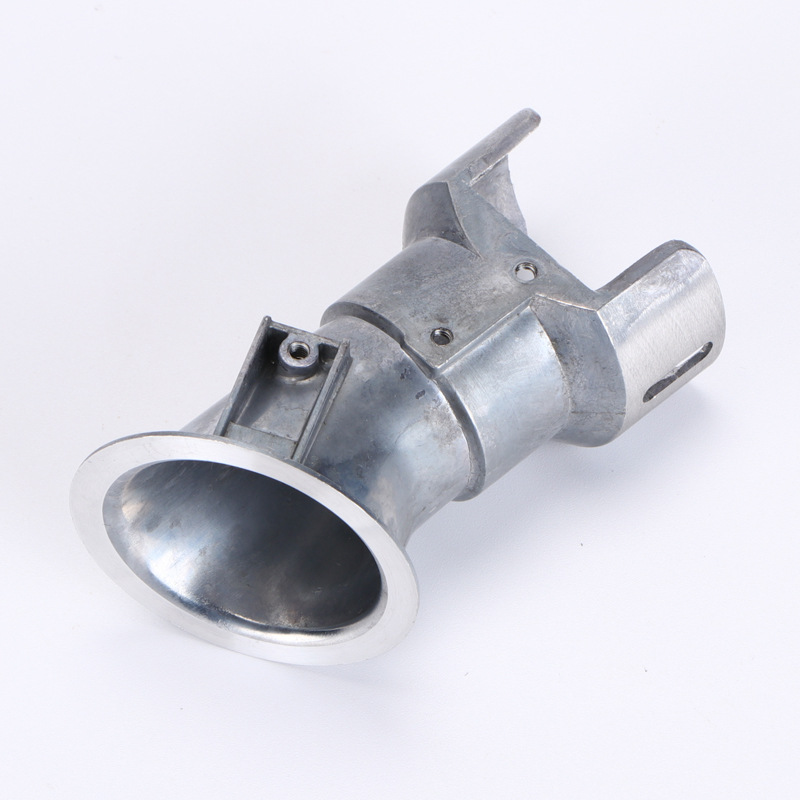
EN AC-46000 (AlSi9Cu3(Fe)) is a widely used aluminum–silicon–copper alloy developed specifically for high-pressure aluminum die casting. With approximately 9% silicon and 2–4% copper, it offers an excellent balance of castability, mechanical strength, and thermal performance. The alloy reliably fills complex dies, supports thin-wall features, and maintains good dimensional stability under thermal cycling. Its moderate thermal conductivity and good pressure tightness make it a preferred choice for housings, covers, and structural components in powertrain, electronics, and general industrial equipment. Combined with Neway’s advanced tool and die-making capabilities, EN AC-46000 enables repeatable, cost-effective production of intricate parts that can be finished with a wide range of post-processes and surface treatments.
Alternative Material Options
When application requirements fall outside the performance window of EN AC-46000, several alternatives can be considered. For improved ductility or weldability in structural parts, alloys such as EN AC-43500 (AlSi10Mg) provide higher elongation and better fatigue behavior. If superior pressure tightness is critical, for example in pump or compressor housings, EN AC-44300 or A413 are often selected. For general-purpose die casting with a strong cost-to-performance ratio, A380 remains a workhorse alloy, while A383/ADC12 is preferred for highly intricate, thin-wall components. In applications where very high wear resistance or extreme hardness is needed, A390 offers superior performance. When maximum electrical or thermal conductivity and premium appearance are required, copper-based materials such as copper-brass alloys or specific brass die-casting grades can be considered, accepting a trade-off in density and material cost.
International Equivalent / Comparable Grade
Country/Region | Equivalent / Comparable Grade | Specific Commercial Brands | Notes |
Europe (EN) | EN AC-46000 (AlSi9Cu3(Fe)) | Hydro EN AC-46000, Handtmann EN AC-46000, various EU foundry brands | Reference EN 1706 casting alloy for AlSi9Cu3(Fe); optimized for HPDC applications. |
Germany (DIN) | GD-AlSi9Cu3, 3.2163 | TRIMET GD-AlSi9Cu3, German automotive supply chain castings | German designation aligned with EN AC-46000 for automotive and machinery castings. |
Japan (JIS) | ADC12 / AlSi9Cu3 family | Generic ADC12 ingots from major Japanese smelters | Comparable Al–Si–Cu die-casting alloy widely used in electronics and automotive parts. |
USA (AA / SAE) | A380.0 / 383.0 | AA-registered A380 and 383 ingots from North American suppliers | Compositionally similar Al–Si–Cu alloys; A380 for general-purpose, 383 for intricate parts. |
China (GB/T) | YL112 (AlSi8Cu3Fe class) | Chinese die-casting ingots produced to YL112 specification | Functional equivalent commonly used for HPDC in automotive and appliance industries. |
International (ISO) | AlSi9Cu3(Fe) | ISO-compliant AlSi9Cu3(Fe) alloys from global smelters | Generic ISO designation covering Al–Si–Cu–Fe alloys similar to EN AC-46000. |
Design Purpose
EN AC-46000 (AlSi9Cu3(Fe)) was engineered to meet the demands of high-volume, high-pressure die-cast components that must withstand mechanical loads, thermal cycling, and internal pressure. Its silicon content provides excellent fluidity and reduced shrinkage, enabling the consistent filling of thin-wall sections, sharp radii, and complex ribbing in metal casting dies. Copper additions enhance the strength and thermal fatigue resistance of the alloy, making it suitable for engine covers, gear housings, and other powertrain components exposed to elevated temperatures. Carefully controlled iron and impurity levels help minimize porosity and hot tearing, improving pressure tightness and leak resistance. The alloy was designed to deliver a robust compromise between castability, mechanical performance, machinability, and cost, supporting efficient production from prototype to mass manufacturing through Neway’s integrated rapid prototyping and series-production capabilities.
Chemical Composition
Element | Silicon (Si) | Copper (Cu) | Magnesium (Mg) | Iron (Fe) | Manganese (Mn) | Nickel (Ni) | Zinc (Zn) | Titanium (Ti) | Chromium (Cr) | Lead (Pb) | Tin (Sn) | Aluminum (Al) |
Composition (%) | 8.0–11.0 | 2.0–4.0 | 0.05–0.55 | ≤1.30 | ≤0.55 | ≤0.55 | ≤1.20 | ≤0.25 | ≤0.15 | ≤0.35 | ≤0.25 | Balance |
Physical Properties
Property | Density | Melting Range (Solidus–Liquidus) | Thermal Conductivity | Electrical Conductivity | Thermal Expansion | Specific Heat Capacity |
Value | ~2.7–2.8 g/cm³ | ~530–620 °C | ~90–110 W/m·K | ~25–30% IACS | ~20–21 µm/m·°C | ~880–950 J/kg·K |
Mechanical Properties
Property | Tensile Strength (UTS) | Yield Strength (0.2% Proof) | Elongation at Break | Hardness | Fatigue Strength (107 cycles) |
Value (as-cast HPDC, typical) | ~230–270 MPa | ~140–160 MPa | ~1–3% | ~80–95 HB | ~80–110 MPa |
Key Material Characteristics
High castability with excellent fluidity for complex, thin-wall aluminum die casting geometries.
Good combination of tensile strength and stiffness for structural housings and load-bearing covers.
Moderate thermal conductivity suitable for powertrain and electronic enclosure heat management.
Good pressure tightness when process parameters and die design are properly optimized.
Stable dimensional behavior under typical automotive and industrial operating temperatures.
Compatible with Neway’s post machining for tight tolerances and precision interfaces.
Well-suited for multi-cavity, high-volume production using advanced tool and die solutions.
Supports a wide range of decorative and functional coatings for different environmental conditions.
Balanced cost level, offering a robust price–performance ratio for mass-produced components.
Broad industrial adoption ensures mature design data, proven performance, and secure supply chains.
Manufacturability And Post Process
High-Pressure Die Casting (HPDC) as the primary route: EN AC-46000 is formulated for high-pressure die casting with moderate-to-high filling speeds. Its Si–Cu balance permits reliable filling of 2–3 mm wall thicknesses and local features down to ~1.5 mm in well-vented dies. At Neway, optimized gating, intensification pressure, and die temperature windows are selected specifically for AlSi9Cu3(Fe) to control porosity and soldering.
Vacuum-assisted HPDC for pressure-tight parts: For oil, coolant, or gas-containing housings, vacuum HPDC is often combined with tailored overflow design to reduce gas entrapment. This allows EN AC-46000 to reach leak-tightness levels suitable for pressure testing with minimal impregnation.
Process choice versus part size: Small and medium-size housings, brackets, and covers are ideally produced by HPDC. Larger, thick-wall components that exceed typical die-casting envelope can be transferred to sand casting or gravity casting using alloys of similar composition, accepting lower cooling rates and coarser microstructure.
Tooling and die steel selection: The relatively high thermal load from AlSi9Cu3(Fe) requires robust H13 tool steel or enhanced die materials such as H13X. Inserts in tungsten carbide or beryllium copper are used locally for wear resistance or intensified cooling.
Precision machining after casting: Functional faces, bearing seats, sealing grooves, and threaded connections are finished using CNC machining and dedicated post machining lines. With stable casting conditions, EN AC-46000 parts typically achieve ±0.02–0.05 mm tolerances on critical dimensions and fine surface roughness suitable for sealing.
Secondary drilling, tapping, and reaming: The alloy machines cleanly with carbide tools under appropriate cutting speeds and coolant conditions. Both cut threads and thread-forming operations are feasible; reaming is used to achieve accurate dowel locations and alignment features in multi-part assemblies.
Deburring and bulk finishing: After trimming, components are processed via tumbling, vibratory finishing, or brushing to remove sharp edges and casting flash. This is particularly important for hand-held housings and safety-related parts in power tools and locking systems.
Dimensional control and leak testing: For safety-critical or fluid-handling components, Neway integrates CMM inspection, functional gauges, and leak-test equipment supported by the company’s die castings inspection capabilities. This ensures EN AC-46000 parts meet dimensional and sealing requirements before surface treatment and assembly.
Suitable Surface Treatment
Powder coating for robust corrosion protection: Due to the Cu content, EN AC-46000 benefits from barrier coatings that isolate the aluminum from aggressive environments. Powder coating with a film thickness of 60–100 µm provides excellent corrosion resistance, impact strength, and color stability for outdoor and industrial applications.
Liquid painting for cosmetic and branded finishes: Liquid painting is ideal for visible covers and decorative housings that require precise color matching, gloss control, or special textures. With proper pretreatment, adhesion grades of 0–1 (cross-cut test) are achievable on EN AC-46000.
Chemical conversion coatings as functional base layers: Chromate or Cr-free conversion coatings are commonly applied as thin, conductive layers to enhance corrosion resistance and paint adhesion. For electronic housings and grounding-critical components, these treatments provide a good compromise between protection and electrical continuity.
Electrocoating (e-coat) for uniform coverage: When complex internal geometries or high packing densities are involved, e-coat is used as a first-stage barrier layer. Its ability to cover internal cavities and edges makes it an excellent base for topcoat painting on EN AC-46000 parts.
Decorative anodizing with controlled expectations: The relatively high Si and Cu levels restrict the depth and uniformity of classical anodizing. Thin, decorative anodic films can be used for selected cosmetic surfaces; however, color stability and uniformity must be validated on a case-by-case basis, typically for low-exposure applications.
Plasma/arc anodizing for wear-critical zones: Where enhanced abrasion resistance is required on specific surfaces, arc anodizing can build a thick, hard, ceramic-like layer. This is particularly useful on contact surfaces or sliding interfaces exposed to repeated mechanical interaction.
Sand-blasting or bead-blasting as pre-treatment: Controlled sand-blasting or bead-blasting removes surface oxides and micro-defects, producing a matte, homogeneous texture that hides minor casting marks and significantly improves coating adhesion.
Laser marking for permanent identification: Laser marking is used to apply logos, barcodes, or traceability codes directly to EN AC-46000 surfaces without the need for additional consumables. Proper parameter selection ensures high contrast while minimizing local thermal distortion of thin-wall regions.
Common Industries and Applications
Automotive powertrain and chassis components: Gearbox housings, pump bodies, engine covers, transmission cases, brackets.
Industrial machinery: Pump and compressor housings, actuator bodies, motor end shields, gear covers.
Power tools and tool housings: Lightweight yet strong structures with integrated ribs and mounting bosses.
Electrical and electronic enclosures: Control unit housings, junction boxes, heat-spreading covers and frames.
General mechanical components: Clamping elements, mounting plates, lightweight structural parts where strength and castability are both important.
When to Choose This Material
High-pressure die-cast housings: When you need robust, pressure-tight enclosures for fluids, oils, or gases.
Complex geometry with thin walls: Ideal when ribbing, bosses, and 2–3 mm wall thicknesses must be filled reliably at high speed.
Elevated service temperature: Suitable for parts operating up to ~150–170 °C where Cu-strengthened aluminum alloys are required.
Balanced strength and cost: A strong choice where A380-level performance is needed with established European standardization.
Moderate fatigue loads: Appropriate for housings and brackets subjected to vibration or cyclic loading within typical design limits.
Demanding surface and dimensional requirements: Works well with machining, blasting, and coatings to achieve both functional and cosmetic targets.
Global supply chain compatibility: When cross-referencing with A380, ADC12, or YL112 is required for multi-regional sourcing.
Prototype-to-mass-production continuity: When the same alloy is preferred from rapid prototyping trials through full-scale mass production.
Explore Related Blogs