A390
Material Introduction
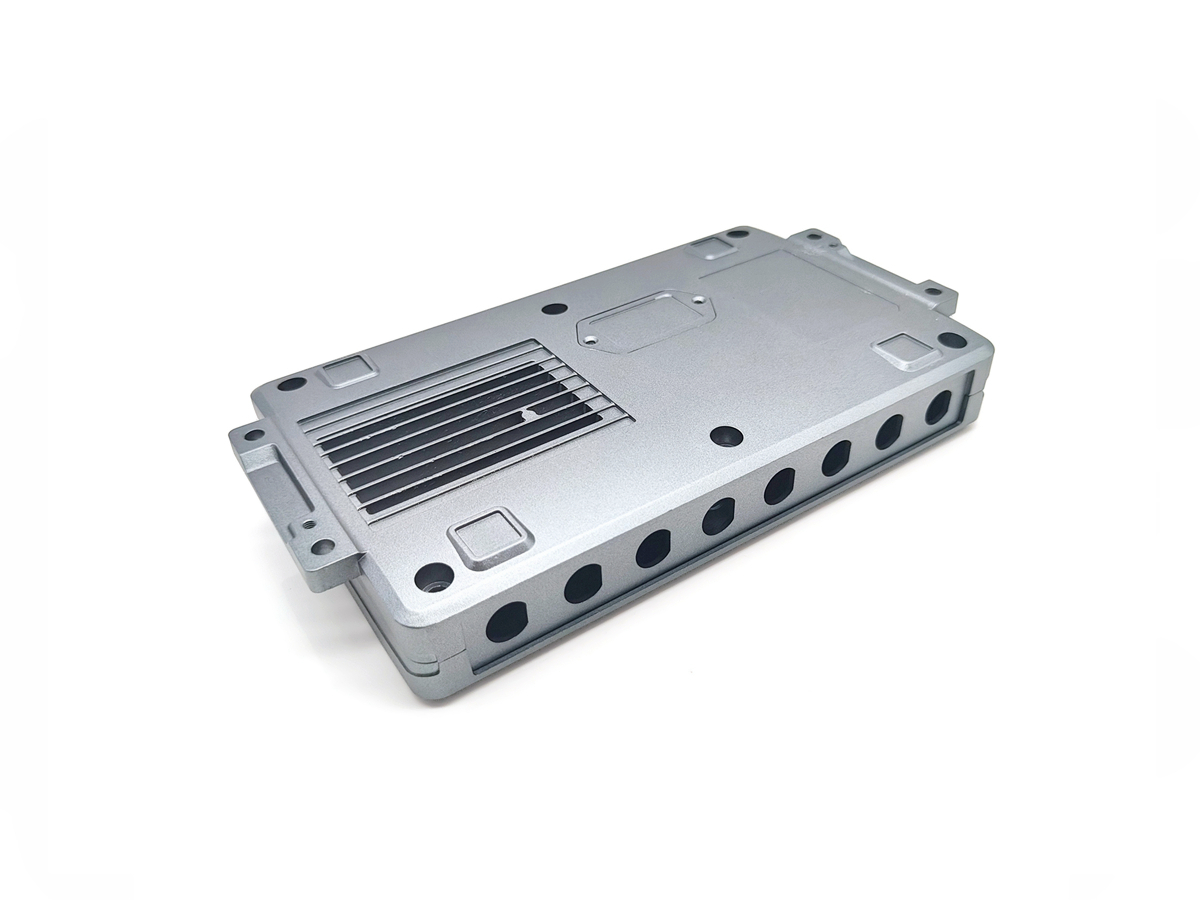
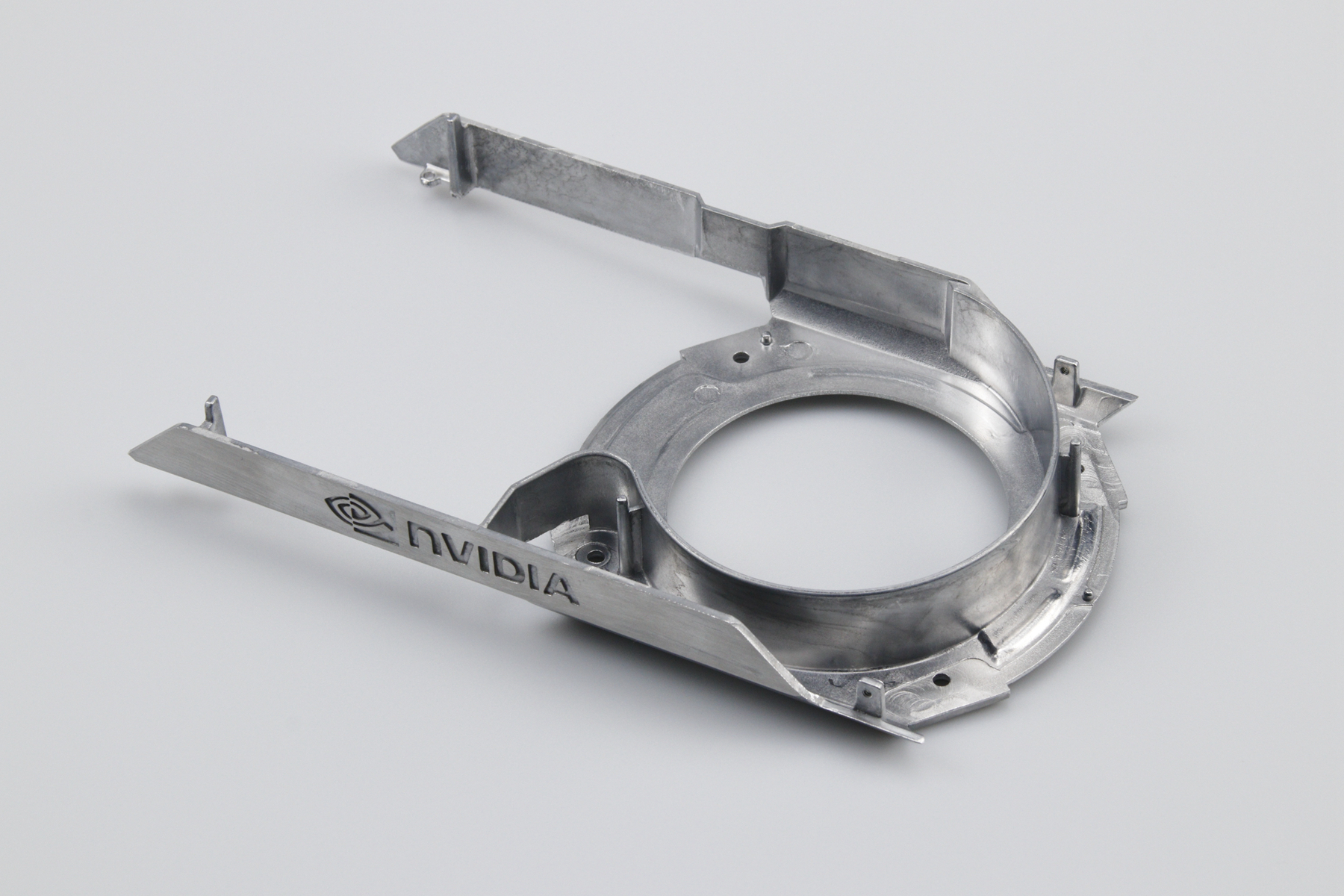
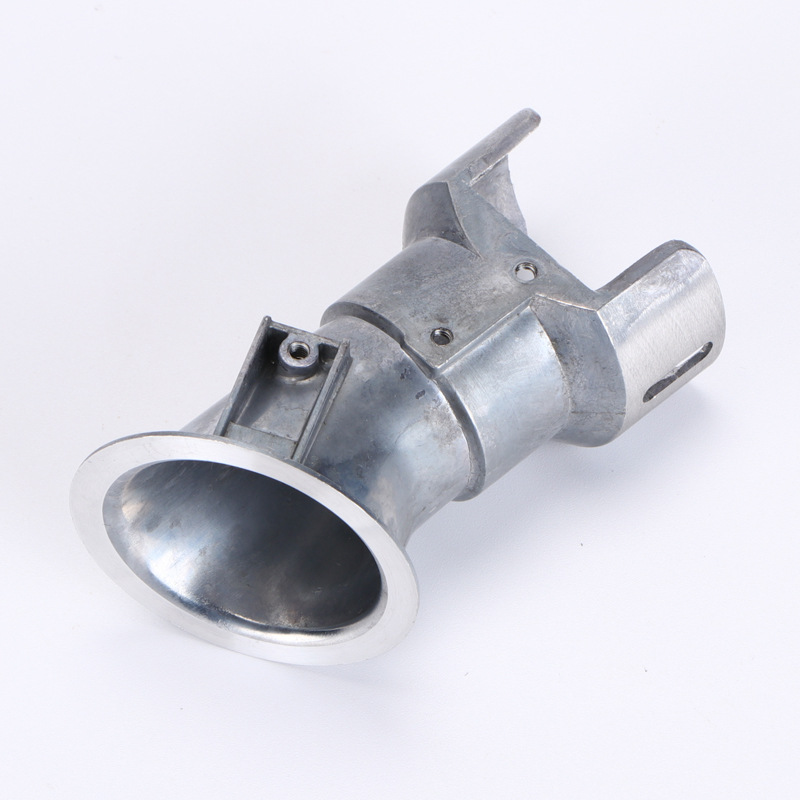
A390 is an ultra–high-silicon aluminum casting alloy engineered for exceptional wear resistance, extreme hardness, and superior dimensional stability under mechanical load. Containing approximately 16–18% silicon, A390 forms a dense primary silicon particle network, which dramatically increases abrasion resistance and load-bearing capability compared to standard Al–Si casting alloys. This unique microstructure makes A390 ideal for high-pressure, high-temperature, or sliding-contact applications such as engine pistons, transmission components, scuff-resistant housings, compressor parts, and precision wear plates. When manufactured through Neway’s optimized aluminum die casting and controlled thermal solidification, A390 achieves extremely stable grain structures, minimized distortion, and low porosity, resulting in exceptionally durable and long-lasting performance in demanding automotive and industrial environments.
Alternative Material Options
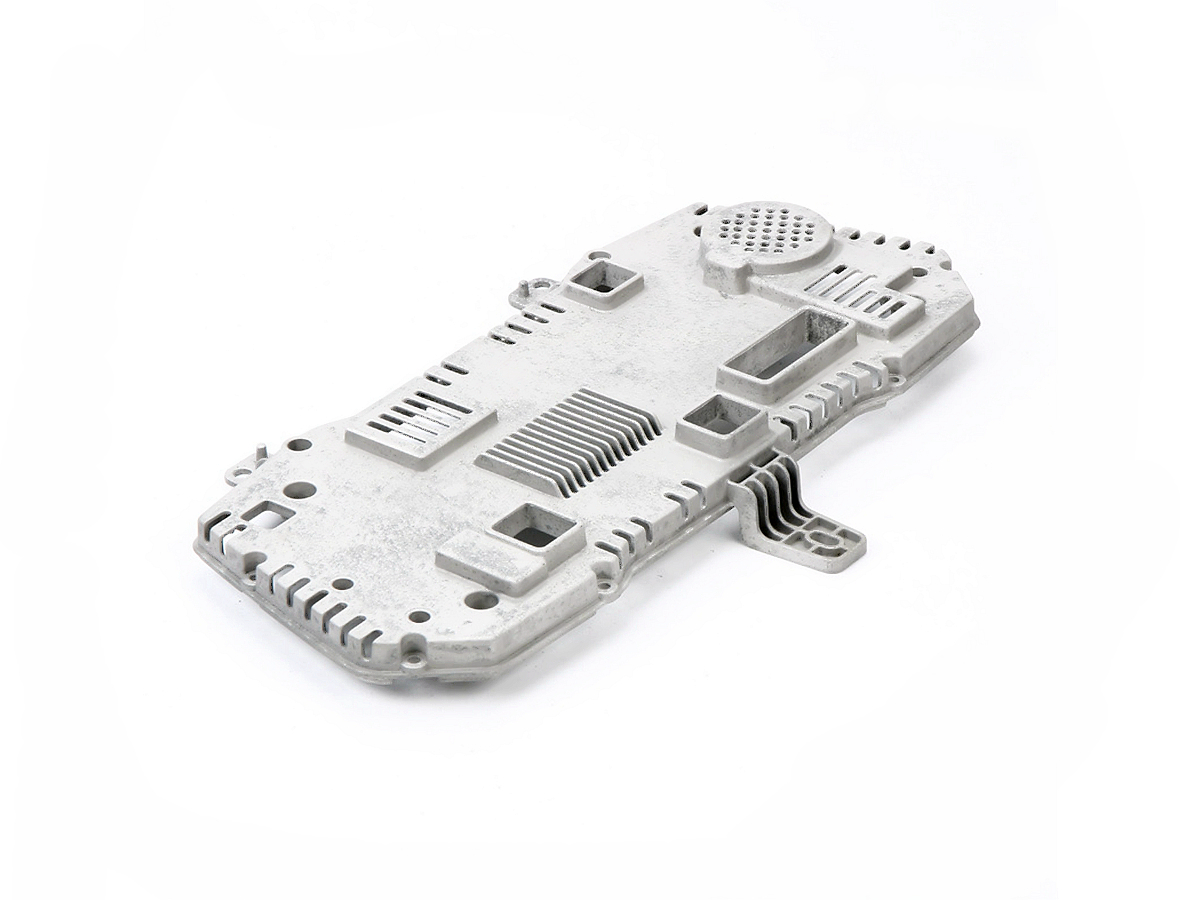
For applications requiring less extreme hardness but better ductility, EN AC-43500 (AlSi10Mg) or AlSi7Mg offer improved elongation and machinability. When thermal stability and strength under elevated temperatures are more relevant than wear resistance, A380 or EN AC-46000 are often selected. For components requiring excellent fluidity for thin-wall designs, A383 / ADC12 is a strong choice. For situations where maximum wear resistance must be combined with exceptionally high strength or stiffness, switching outside the aluminum family toward copper–brass alloys or tungsten carbide may be appropriate.
International Equivalent / Comparable Grade
Country/Region | Equivalent / Comparable Grade | Commercial Brands | Notes |
USA (AA) | AA A390.0 | Kaiser A390, Belmont A390 | Primary reference for ultra-high-silicon casting alloys. |
Europe (EN) | EN AC-48000 class | Hydro AlSi17, Handtmann AlSi17 | Close functional equivalent for wear-critical castings. |
Germany (DIN) | G-AlSi17 / 3.2583 | TRIMET AlSi17 | Used in engine pistons and wear plates. |
Japan (JIS) | AC8A family | UACJ AC8A, Daiki AC8A | High-silicon alloy used for automotive dynamics. |
China (GB/T) | ZL109 | Chalco ZL109, Nanshan ZL109 | Most common Chinese equivalent for high-Si wear alloys. |
Design Purpose
A390 was specifically formulated to deliver extreme wear resistance, very high hardness, and excellent dimensional retention for components subject to friction, impact, or continuous sliding loads. Its elevated silicon content produces large primary silicon crystals and an eutectic Si network that act as abrasion-resistant phases, allowing A390 to outperform most aluminum alloys and even many ferrous castings in wear-intensive applications. The alloy’s design also minimizes thermal expansion, making it suitable for precision mechanical systems operating under varying temperatures. A390 is widely chosen for powertrain, fluid-handling, and industrial systems where long service life and resistance to scoring, galling, or abrasive wear are critical.
Chemical Composition
Element | Silicon (Si) | Magnesium (Mg) | Copper (Cu) | Iron (Fe) | Manganese (Mn) | Zinc (Zn) | Titanium (Ti) | Aluminum (Al) |
Composition (%) | 16–18 | 0.45–0.65 | ~4.0–4.5 | ≤1.0 | ≤0.5 | ≤1.0 | ≤0.20 | Balance |
Physical Properties
Property | Density | Melting Range | Thermal Conductivity | Thermal Expansion | Electrical Conductivity |
Value | ~2.68 g/cm³ | ~560–620 °C | ~120–150 W/m·K | ~17–19 µm/m·°C | ~22–27% IACS |
Mechanical Properties
Property | Tensile Strength | Yield Strength | Elongation | Hardness | Wear Resistance Index |
Value (as-cast) | ~260–310 MPa | ~170–220 MPa | ~1–3% | ~120–140 HB | Extremely high (among all aluminum alloys) |
Key Material Characteristics
Extremely high hardness from primary silicon particles.
Outstanding wear and abrasion resistance.
Low thermal expansion for dimensional stability.
High load-bearing capability in sliding contact applications.
Good corrosion resistance despite high Si content.
Thermal stability suitable for engine and compressor environments.
Excellent long-term durability under cyclic or impact loads.
Strong suitability for precision machining with diamond or carbide tooling.
Manufacturability And Post Process
High-Pressure Die Casting (HPDC): Used for thin-wall housings, wear plates, and mechanical enclosures. Precise die temperature control is essential to avoid premature silicon crystallization.
Permanent-mold or gravity casting: Ideal for pistons, liners, and heavy-wear components requiring controlled solidification and higher mechanical integrity.
Machining: Due to high hardness, A390 requires diamond-coated or carbide tools and optimized feeds during post-machining. Achieving critical accuracy of ±0.02–0.05 mm requires a proper tooling strategy.
Heat treatment: Limited compared with low-Si alloys, but stabilization cycles improve dimensional consistency and reduce residual stress.
Surface preparation: Parts may undergo tumbling and micro-polishing to remove casting edges.
Inspection: Wear-critical components receive bore-size checks, X-ray inspection, and dimensional verification using Neway’s inspection equipment.
Suitable Surface Treatment
Hard anodizing: Provides additional wear resistance and surface hardness—ideal for sliding interfaces.
Plasma or arc anodizing: Industrial-grade coatings from arc anodizing significantly enhance scratch and thermal resistance.
Solid lubricant coatings: Molybdenum disulfide and dry-film lubricants reduce friction for dynamic components.
Powder coating: Powder coating provides a thick protective film for housings and exterior parts.
Conversion coatings: Improves corrosion resistance and enhances adhesion for secondary coatings.
Bead-blasting: Via sand-blasting produces uniform textures and exposes silicon-rich surfaces for coatings.
Common Industries and Applications
Automotive pistons, cylinder liners, and transmission modules.
Compressor rotors, pump components, and hydraulic wear plates.
Industrial mechanisms requiring long-life, low-wear surfaces.
Precision housings exposed to friction or temperature cycling.
Energy and HVAC machinery with sliding or rotational interfaces.
High-duty mechanical assemblies requiring extreme wear resistance.
When to Choose This Material
When extreme wear resistance is mandatory for sliding or abrasive environments.
When dimensional stability is required under temperature cycling.
When long service life outweighs ductility requirements.
When machining can be performed using diamond or carbide tools.
For pistons, rotors, pump plates, and friction-intense components.
When low thermal expansion improves system accuracy.
For high-pressure or high-load mechanical parts with minimal deformation tolerance.
Explore Related Blogs