
कास्ट पार्ट्स को अक्सर सीएनसी मशीनिंग की आवश्यकता क्यों होती है?
कास्ट पार्ट्स को अक्सर सीएनसी मशीनिंग की आवश्यकता क्यों होती है?
कास्ट पार्ट्स को अक्सर सीएनसी मशीनिंग की आवश्यकता होती है क्योंकि थ्रेडेड होल, प्रिसिजन बोर, सीलिंग फेस, माउंटिंग फेस, लोकेटिंग होल और डेटम को आमतौर पर अकेले कास्टिंग की तुलना में अधिक सख्त नियंत्रण की आवश्यकता होती है।
पोस्ट मशीनिंग परियोजनाओं के लिए, खरीदार द्वारा मूल्य, नमूना या उत्पादन रिलीज को मंजूरी देने से पहले इस अक्सर पूछे जाने वाले प्रश्न को एज़-कास्ट सतहों, मशीनी डेटम, मशीनिंग भत्ता, थ्रेडेड होल, सीलिंग फेस, निरीक्षण अनुक्रम और आपूर्तिकर्ता जिम्मेदारी के विरुद्ध जांचा जाना चाहिए।
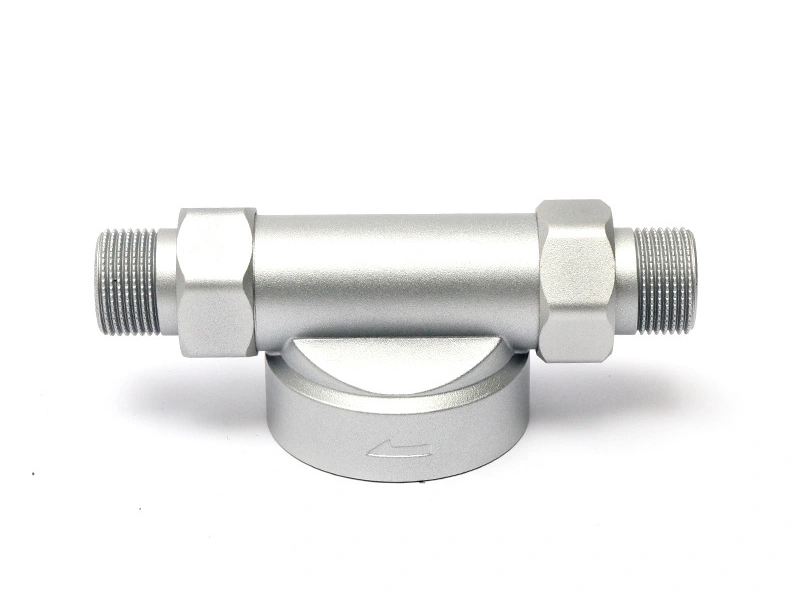
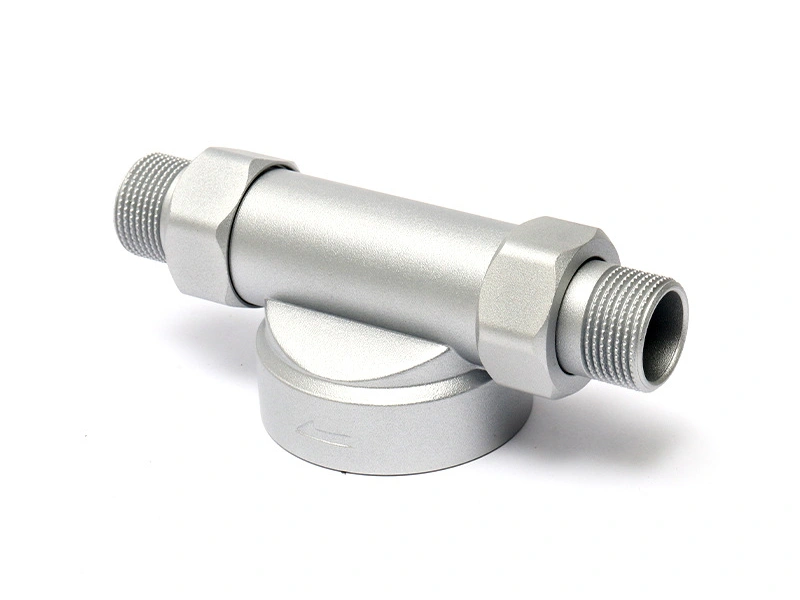
1.1 कास्टिंग और मशीनिंग खरीदार निर्णय जाँच सूची
कास्टिंग और मशीनिंग परियोजनाओं के लिए, खरीदारों को इस प्रश्न को एक सामान्य प्रक्रिया परिभाषा के रूप में मानने के बजाय, अक्सर पूछे जाने वाले प्रश्न के उत्तर को एज़-कास्ट सतहों, मशीनी डेटम, मशीनिंग भत्ता, थ्रेडेड होल, सीलिंग फेस, निरीक्षण अनुक्रम और आपूर्तिकर्ता जिम्मेदारी से जोड़ना चाहिए।
निर्णय को Neway द्वारा अंतिम मार्ग की पुष्टि करने से पहले ड्राइंग, एप्लिकेशन लोड, अनुमोदन नमूना, बैच मात्रा और तैयार-भाग स्वीकृति मानक के विरुद्ध जांचा जाना चाहिए।
खरीदार को पुष्टि करनी चाहिए | यह कास्टिंग और मशीनिंग के लिए क्यों मायने रखता है |
|---|---|
3D मॉडल और 2D ड्राइंग | दिखाता है कि क्या कास्टिंग और मशीनिंग वास्तविक ज्यामिति, सहनशीलता नोट्स, डेटम सतहों और महत्वपूर्ण विशेषताओं का समर्थन कर सकते हैं |
सामग्री और अंतिम उपयोग | कास्टिंग और मशीनिंग को ताकत, घिसाव, संक्षारण, रंग, वजन, गर्मी या कार्य वातावरण की आवश्यकताओं से जोड़ता है |
मात्रा और उत्पादन चरण | प्रोटोटाइप, पायलट, ब्रिज, कम-मात्रा और बड़े पैमाने पर उत्पादन निर्णयों को अलग करता है |
फिनिश और कार्यात्मक सतहें | कॉस्मेटिक, कोटिंग, सीलिंग, असेंबली या मशीनिंग आवश्यकताओं को छूटने से रोकता है |
निरीक्षण और स्वीकृति मानक | डिलीवरी से पहले रिपोर्ट, गेज, नमूने और कार्यात्मक परीक्षणों को परिभाषित करता है |
1.3 संबंधित Neway सहायता
Neway कास्टिंग और मशीनिंग, मेटल कास्टिंग, सीएनसी मशीनिंग और पोस्ट प्रोसेस को जोड़ सकता है ताकि खरीदार को अलग-अलग प्रक्रिया उत्तरों के बजाय एक नियंत्रित मार्ग प्राप्त हो।
1.4 वाणिज्यिक अनुशंसा
यदि कास्ट पार्ट्स को अक्सर सीएनसी मशीनिंग की आवश्यकता क्यों होती है? लागत, फिट, फिनिश, निरीक्षण, उत्पादन अनुमोदन या दोहराए गए ऑर्डर को प्रभावित करता है, तो खरीदारों को Neway द्वारा अंतिम पोस्ट मशीनिंग मार्ग की पुष्टि करने से पहले इसे आरएफक्यू में शामिल करना चाहिए।
