हिन्दी

कस्टम ऑनलाइन एल्यूमिनियम डाई कास्टिंग सेवा

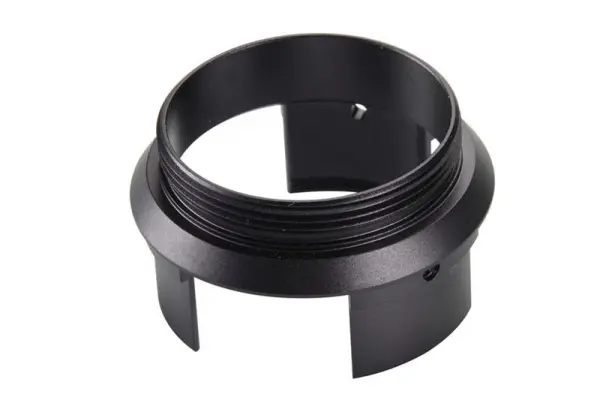
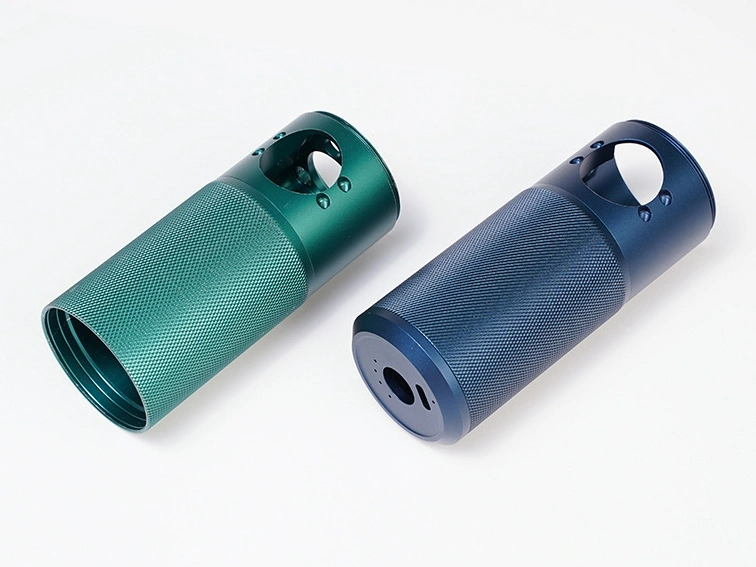
हमारी कस्टम ऑनलाइन एल्यूमिनियम डाई कास्टिंग सेवा उच्च गुणवत्ता, प्रिसिजन-इंजीनियर एल्यूमिनियम पार्ट्स प्रदान करती है जो आपकी विशिष्टताओं के अनुसार बनाई जाती हैं। त्वरित टर्नअराउंड समय के साथ, हम रैपिड प्रोटोटाइपिंग, विश्वसनीय उत्पादन, और विविध औद्योगिक आवश्यकताओं के लिए विभिन्न फिनिशिंग विकल्प प्रदान करते हैं।
नि:शुल्क कोटेशन के लिए हमें अपनी डिज़ाइन और विशिष्टताएँ भेजें
सभी अपलोड की गई फ़ाइलें सुरक्षित और गोपनीय हैं

एल्यूमिनियम डाई कास्टिंग क्या है?

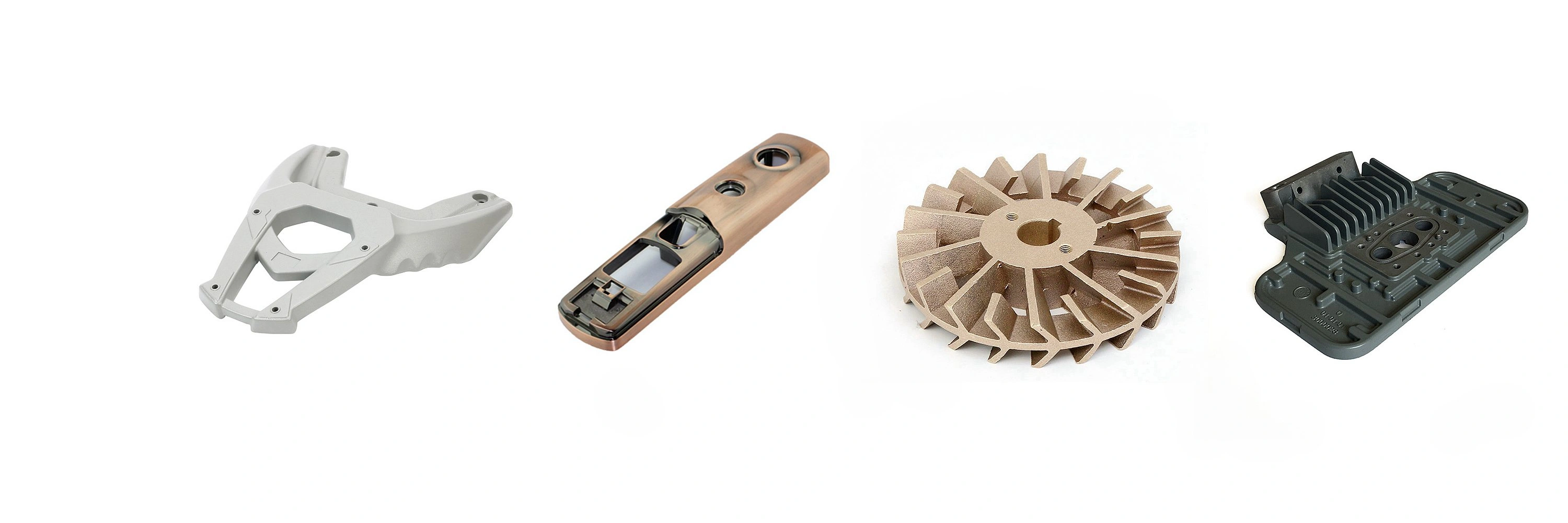
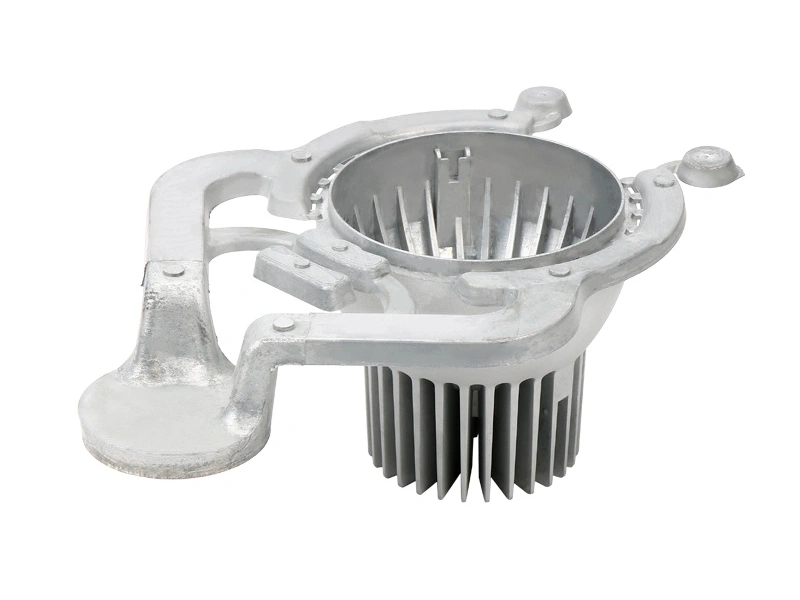
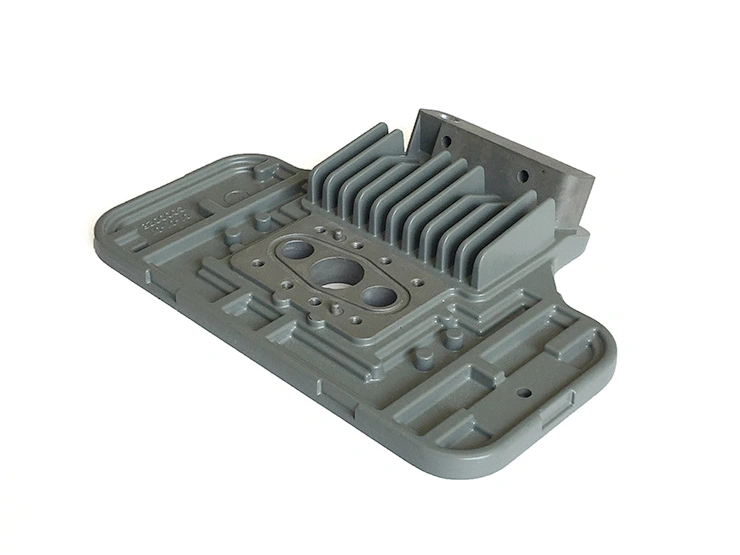
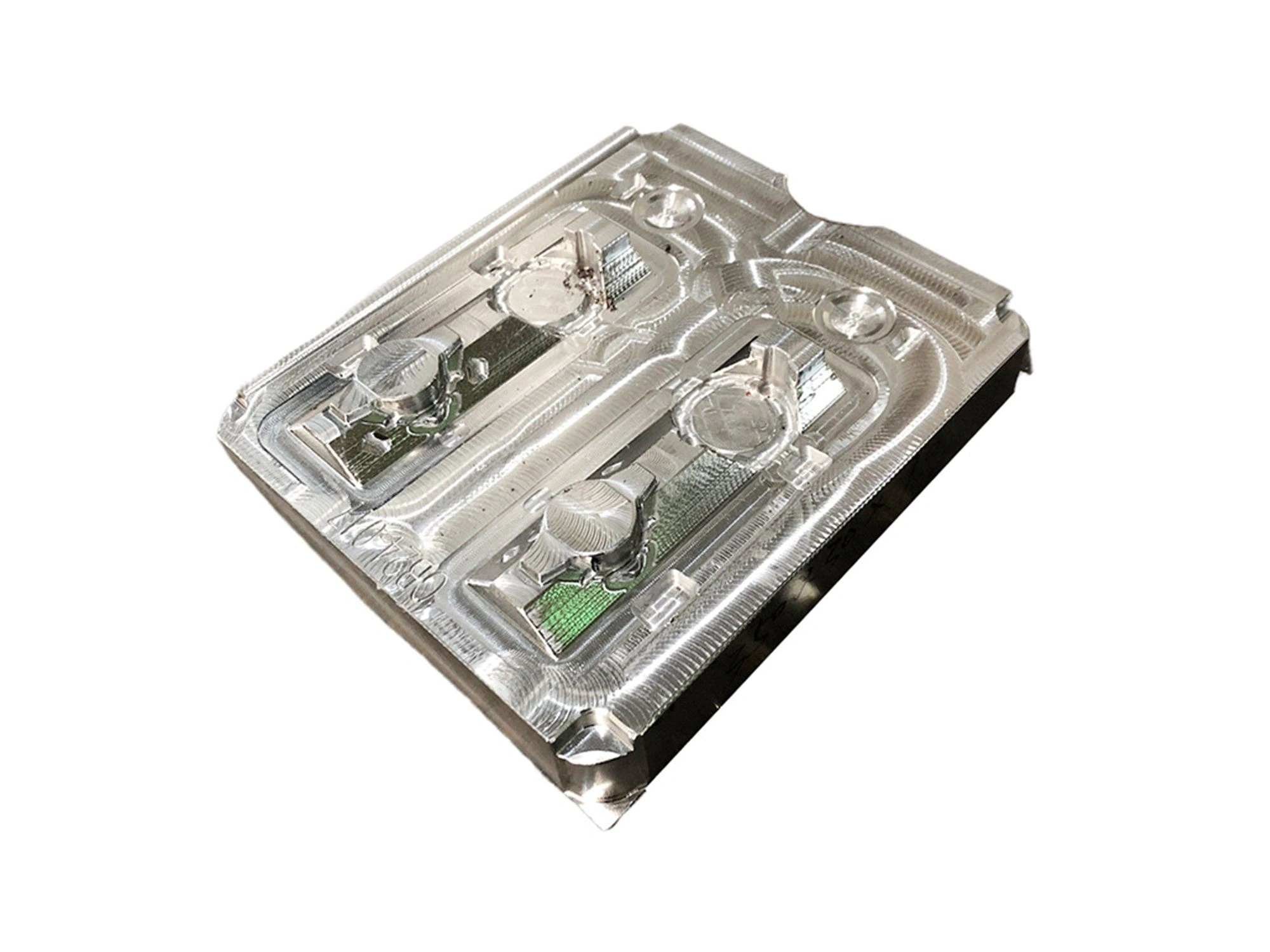
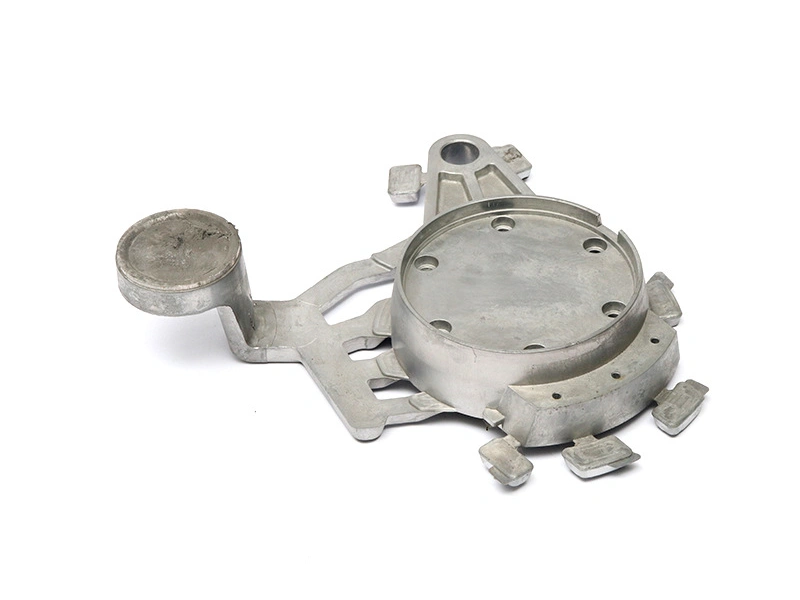
एल्यूमिनियम डाई कास्टिंग एक निर्माण प्रक्रिया है जिसमें पिघला हुआ एल्यूमिनियम उच्च दबाव में स्टील के साँचे में इंजेक्ट किया जाता है। यह टिकाऊ, जटिल, और सटीक भाग बनाता है जो ऑटोमोटिव, एयरोस्पेस, और इलेक्ट्रॉनिक्स सहित विभिन्न उद्योगों में उपयोग किए जाते हैं।
एल्यूमिनियम डाई कास्टिंग क्या है?

चरण

विवरण

मोल्ड तैयारी

उच्च-ताकत स्टील मोल्ड को जटिल गुहाओं के साथ डिज़ाइन किया जाता है। इसे पार्ट निकालने में सहायता और सतह को चिकना बनाने के लिए रिलीज एजेंट से कोट किया जाता है।

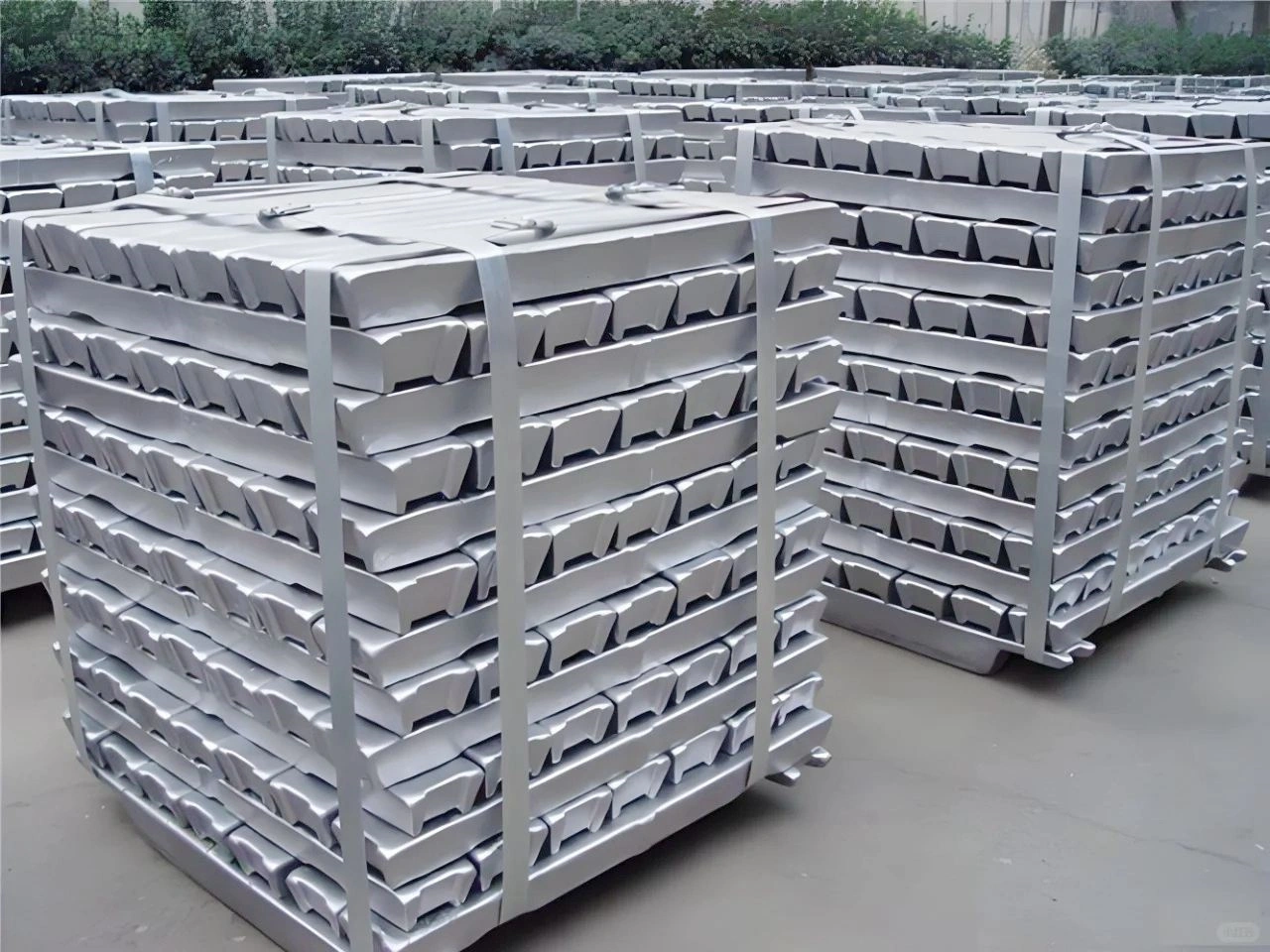
एल्यूमिनियम मिश्र धातु पिघलाना

एल्यूमिनियम मिश्र धातु को लगभग 660°C तापमान पर भट्टी में पिघलाया जाता है। पिघला हुआ एल्यूमिनियम फिर इंजेक्शन के लिए डाई कास्टिंग मशीन में स्थानांतरित किया जाता है।

एल्यूमिनियम इंजेक्शन

पिघला हुआ एल्यूमिनियम उच्च दबाव में मोल्ड में इंजेक्ट किया जाता है, आमतौर पर 10,000-20,000 psi, जिससे मिश्र धातु मोल्ड की गुहाओं को पूरी तरह और सटीक रूप से भरता है।

ठंडा होना और ठोस होना

इंजेक्शन के बाद, एल्यूमिनियम तेजी से ठंडा होता है और मोल्ड के भीतर ठोस हो जाता है। ठंडा होने की दर पार्ट के आकार और जटिलता पर निर्भर करती है, जो उचित आकार और ताकत सुनिश्चित करती है।

ट्रिमिंग और फिनिशिंग

अतिरिक्त सामग्री, जैसे गेट्स और रनर्स, कास्टिंग से हटा दी जाती है। पार्ट को अतिरिक्त फिनिशिंग, जैसे मशीनिंग, सैंडिंग, या पॉलिशिंग के लिए प्रस्तुत किया जा सकता है ताकि सटीकता प्राप्त हो।

एल्यूमिनियम डाई कास्टिंग के लाभ

एल्यूमिनियम डाई कास्टिंग ±0.05 मिमी आयाम सहिष्णुता, लगभग 2.7 ग्राम/सेमी³ घनत्व और 300 MPa तन्य ताकत के साथ मापनीय लाभ प्रदान करती है, और 1.0 मिमी तक की दीवार मोटाई संभव बनाती है। ये क्षमताएं एयरोस्पेस, ऑटोमोटिव, और इलेक्ट्रॉनिक आवरण के लिए कुशल बड़े पैमाने पर उत्पादन का समर्थन करती हैं।
एल्यूमिनियम डाई कास्टिंग के लाभ

लाभ

विवरण

उच्च आयामी सटीकता

एल्यूमिनियम डाई कास्टिंग ±0.05 मिमी तक की प्रिसिजन सहिष्णुता का समर्थन करता है, जिससे उच्च-विशिष्टता वाले घटकों के लिए सुसंगत पुनरावृत्ति संभव होती है। यह पोस्ट-मशीनिंग की आवश्यकता को कम करता है और असेंबली में इंटरचेंजिबिलिटी सुनिश्चित करता है।

हल्का और टिकाऊ

लगभग 2.7 ग्राम/सेमी³ घनत्व और 300 MPa तक की तन्य ताकत के साथ, कास्ट एल्यूमिनियम घटक उत्कृष्ट ताकत-से-वजन अनुपात प्रदान करते हैं। यह एयरोस्पेस और इलेक्ट्रिक वाहनों जैसे वजन-संवेदनशील क्षेत्रों के लिए आदर्श है।

जटिल ज्यामितियां

डाई कास्टिंग 1.0 मिमी तक की दीवार मोटाई और 0.2 मिमी तक के फीचर विवरण के साथ जटिल आकार सक्षम करता है। अंडरकट्स, रिब्स, और बॉस सीधे बनाए जा सकते हैं, जिससे पार्ट की संख्या कम होती है।

मास प्रोडक्शन के लिए लागत प्रभावी

प्रति शॉट 30–60 सेकंड के चक्र समय और 100,000 से अधिक चक्रों की मोल्ड जीवन अवधि के साथ, एल्यूमिनियम डाई कास्टिंग प्रति यूनिट लागत को न्यूनतम करता है। कुशल सामग्री उपयोग और कम स्क्रैप दरें उत्पादन ओवरहेड को कम करती हैं।

उपलब्ध सामान्य कास्टिंग एल्यूमिनियम मिश्र धातु

हम डाई कास्टिंग के लिए उच्च गुणवत्ता वाली विभिन्न एल्यूमिनियम मिश्र धातु प्रदान करते हैं, जिनमें A356, A360, A380, ADC12 (A383), B390, A413, और एनोडाइज्ड एल्यूमिनियम शामिल हैं। प्रत्येक मिश्र धातु ऑटोमोटिव, एयरोस्पेस, और इलेक्ट्रॉनिक्स जैसे विभिन्न उद्योगों के लिए अनूठे गुण प्रदान करता है।

एल्यूमिनियम

उपनाम

तन्य ताकत
(MPa)

यील्ड ताकत
(MPa)

थकान ताकत
(MPa)

लम्बाव
(%)

कठोरता
(HB)

घनत्व
(g/cm³)

अनुप्रयोग

A380

AlSi9Cu3 (EU), AC7A (जापान)

240-310

155-210

90-120

1-3

90-120

2.68-2.75

ऑटोमोटिव पार्ट्स, औद्योगिक कास्टिंग्स, हाउजिंग

A356

AlSi7Mg (EU)

290-350

230-280

150-180

4-8

120-150

2.68-2.75

एयरोस्पेस, उच्च-प्रदर्शन ऑटोमोटिव, संरचनात्मक पार्ट्स

A413

A383 (जापान)

240-310

150-200

85-110

2-4

85-115

2.68-2.75

प्रिसिजन कास्टिंग्स, पतले-दीवार वाले घटक

A360

AlSi9Cu3 (EU)

250-310

180-230

100-120

3-5

95-120

2.65-2.75

ऑटोमोटिव, औद्योगिक घटक, प्रेशर डाई कास्टिंग

AC4C

A360 (यूएस), AlSi9Cu3 (EU)

240-310

170-220

90-120

3-5

95-120

2.65-2.75

ऑटोमोटिव, उच्च-प्रदर्शन डाई कास्टिंग

AC7A

A380 (यूएस), AlSi8Cu3 (EU)

230-300

150-200

80-100

2-4

90-115

2.65-2.75

ऑटोमोटिव, औद्योगिक, सामान्य-उद्देश्य डाई कास्टिंग

AC8A

A413 (यूएस)

210-280

140-190

75-90

3-5

85-110

2.60-2.75

ऑटोमोटिव, पतले-दीवार वाले पार्ट्स, प्रिसिजन डाई कास्टिंग

AlSi12

AlSi12 (EU)

200-270

150-220

80-100

2-4

85-110

2.60-2.70

ऑटोमोटिव, उच्च-प्रदर्शन, पहनने-प्रतिरोधी पार्ट्स

AlZn10Si8Mg

A356 (यूएस)

350-400

270-350

180-220

5-7

150-170

2.60-2.70

इंजन घटक, संरचनात्मक और उच्च-ताकत वाले पार्ट्स

Typical Surface Treatment for Aluminum Die Castings

Typical surface treatments for aluminum die castings include anodizing, arc anodizing, chromate conversion coating, powder coating, electroplating, painting, polishing, shot blasting, vibratory finishing, chemical etching, clear coating, and heat treatment. These processes enhance properties such as corrosion resistance, wear resistance, appearance, and strength, while also improving durability and performance in various industrial applications.

Surface Treatment

Description

Purpose/Benefit

Applications

Anodizing

Electrochemical process that forms a durable oxide layer on the surface of the aluminum.

Increases corrosion resistance and wear resistance; enhances appearance.

Automotive parts, cookware, aerospace, electronics, architectural finishes.

Arc Anodizing

A type of anodizing that uses electrical arcs to produce a thicker and harder oxide coating on aluminum.

Provides superior wear resistance, durability, and aesthetic appeal, especially for harsh environments.

Aerospace, military, high-end automotive, industrial machinery, marine environments.

Chromate Conversion Coating

A chemical treatment that creates a protective layer on the aluminum surface.

Provides corrosion resistance and improves paint adhesion.

Aerospace, automotive, military, electrical connectors, industrial equipment.

Powder Coating

A dry finishing process where a powdered coating is applied and then cured under heat.

Enhances corrosion resistance, improves aesthetics, and offers durable finishes.

Automotive parts, household appliances, furniture, architectural components, outdoor equipment.

Electroplating (Nickel, Zinc, etc.)

The process of depositing a metal layer onto the aluminum surface through electrochemical means.

Improves corrosion resistance and surface hardness, and enhances appearance.

Automotive, electrical components, hardware, household products, decorative items.

Painting

Application of liquid paints for decorative and protective purposes.

Offers color, increased durability, and corrosion resistance.

Consumer products, automotive, machinery, outdoor products, furniture.

Polishing

Mechanical or chemical polishing to create a smooth, shiny surface.

Improves surface finish and aesthetic appeal, often used for decorative purposes.

Jewelry, automotive, consumer electronics, decorative architectural elements.

Shot Blasting

High-pressure blasting of abrasive particles onto the surface to clean or texture it.

Improves surface texture, removes casting defects, and enhances paint adhesion.

Metalworking, automotive, aerospace, construction, foundries.

Vibratory Finishing

Using abrasive media in a vibrating machine to smooth surfaces.

Reduces surface roughness and deburrs parts.

Automotive, aerospace, medical device manufacturing, jewelry finishing.

Chemical Etching

Use of chemicals to etch away unwanted material from the surface.

Provides fine surface finishes, often used for engraving or creating textured finishes.

Electronics, signage, jewelry, precision machining, aerospace.

Clear Coating

Application of a transparent coating to preserve the natural finish of aluminum.

Provides UV and corrosion resistance while maintaining the metallic look.

Automotive, electronics, marine, architectural, jewelry.

Heat Treatment

Controlled heating and cooling process to alter the mechanical properties of aluminum.

Enhances strength and hardness of the cast aluminum part.

Aerospace, automotive, machinery, defense, high-performance parts.

Applications of Aluminum Die Castings

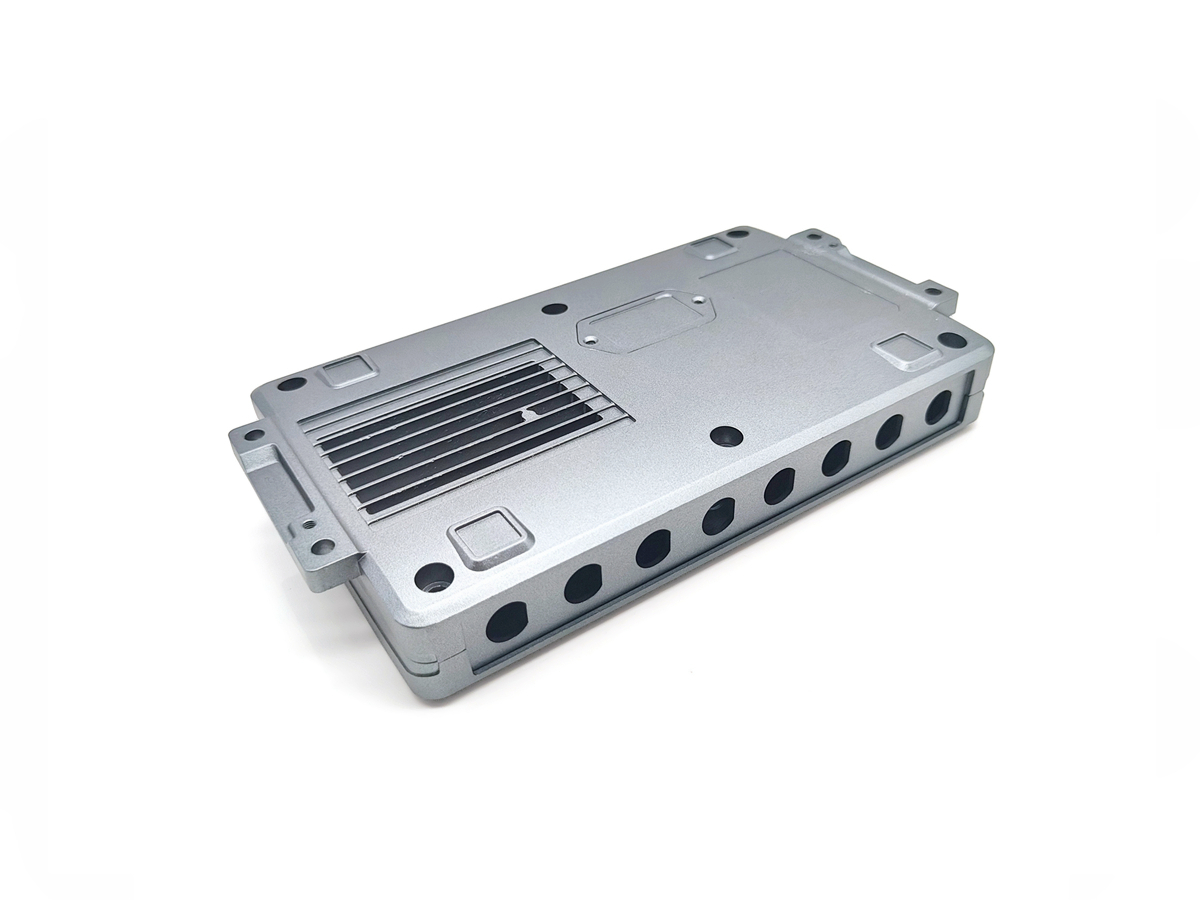
Aluminum die casting delivers lightweight, high-strength solutions across industries. From durable automotive engine components to aerospace structures, consumer electronics housings, and industrial machinery parts, its precision and reliability stand out. Ideal for medical devices, marine applications, thermal management, and LED lighting, aluminum die casting ensures efficiency, durability, and corrosion resistance.
आज ही नया प्रोजेक्ट शुरू करें

Aluminum Die Castings Design

Good design in aluminum die castings offers several advantages, including improved strength, reduced material waste, and faster production times. It ensures uniform wall thickness, optimal metal flow, and minimizes defects like porosity. Additionally, it enhances part durability, reduces post-processing needs, and allows for precise tolerances, ultimately lowering costs and increasing the overall quality and efficiency of manufacturing.

Design Elements

Specific Value/Range

Uniform Wall Thickness

Aim for wall thickness between 2.5mm to 4mm for optimal casting flow and strength. Thicker walls can lead to defects.


Draft Angles

Use a 2° to 3° draft angle on vertical surfaces to ease part removal and avoid damage to the mold or part.


Radii and Fillets

Implement a 3mm to 5mm radius at corners and edges to reduce stress concentrations and improve flow.


Avoid Sharp Corners

Corners should have at least a 3mm radius to avoid stress and ensure better mold filling.


Incorporate Ribs and Bosses

Use ribs at 0.5mm to 1.5mm thickness, spaced 2 to 3 times their thickness apart for optimal strength and material efficiency.


Correct Gate Placement

Place gates at the thickest part of the casting, and aim for a gate thickness of 2mm to 3mm to avoid cold shuts and ensure even metal flow.


Optimized Thickness for Strength

For strength and lightweight designs, maintain a balance of 2.5mm to 4mm wall thickness, reducing material wastage while ensuring durability.


Proper Tooling Design

Ensure vents are placed every 30-50mm on the part, and runners should be 6-8mm wide for proper metal flow and air evacuation.


Consider Post-Processing Needs

Account for 0.2mm to 0.5mm tolerance for any CNC machining or surface finishing processes.


Avoid Deep Blind Holes

If possible, avoid blind holes deeper than 2x their diameter; if required, ensure they are easily accessible or consider through holes.


Minimize Undercuts

Aim to keep undercuts to a minimum and use a core pull or side-action tooling for more complex geometries, or simplify the design.


Frequently Asked Questions

संबंधित संसाधन एक्सप्लोर करें