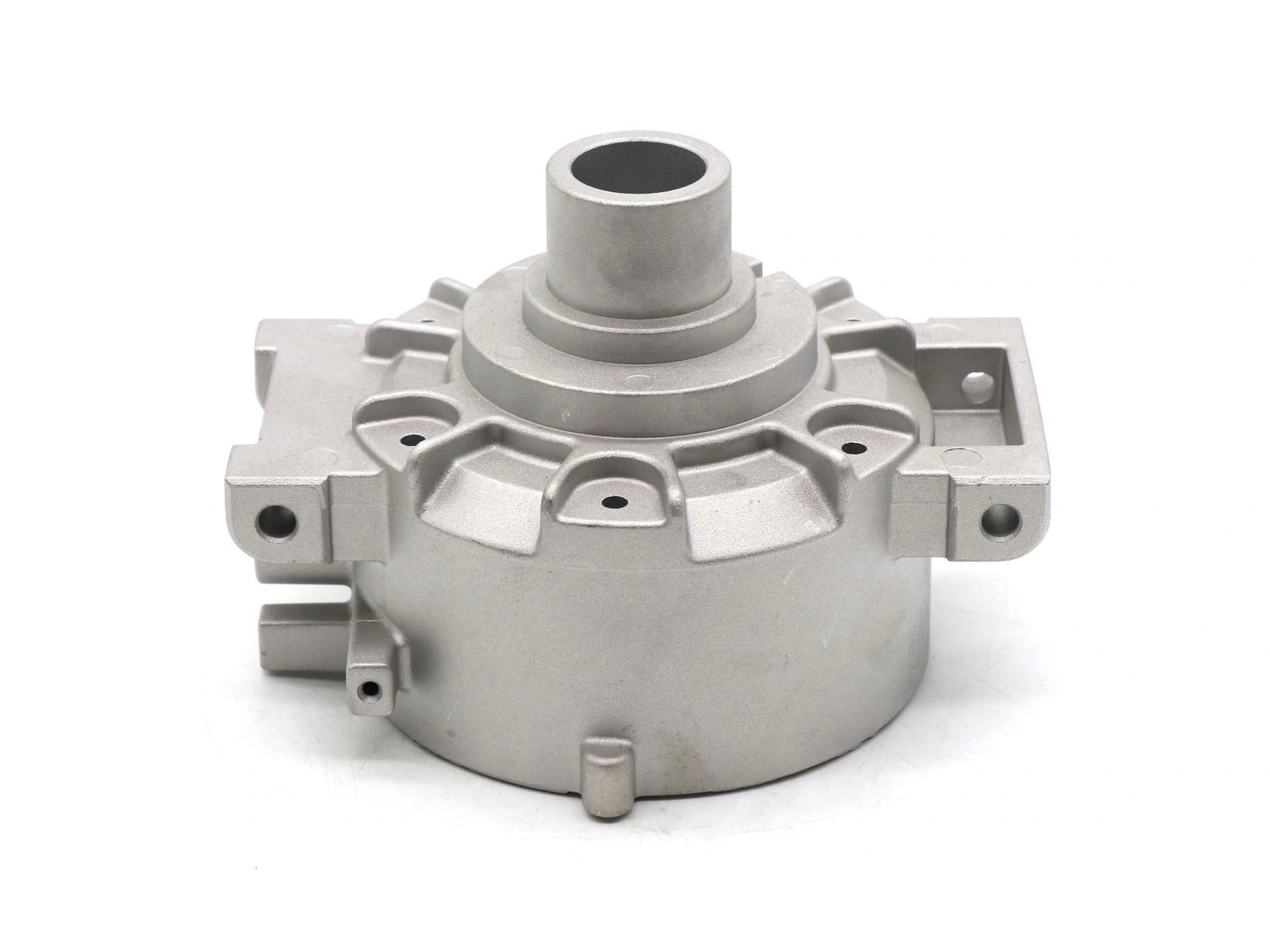
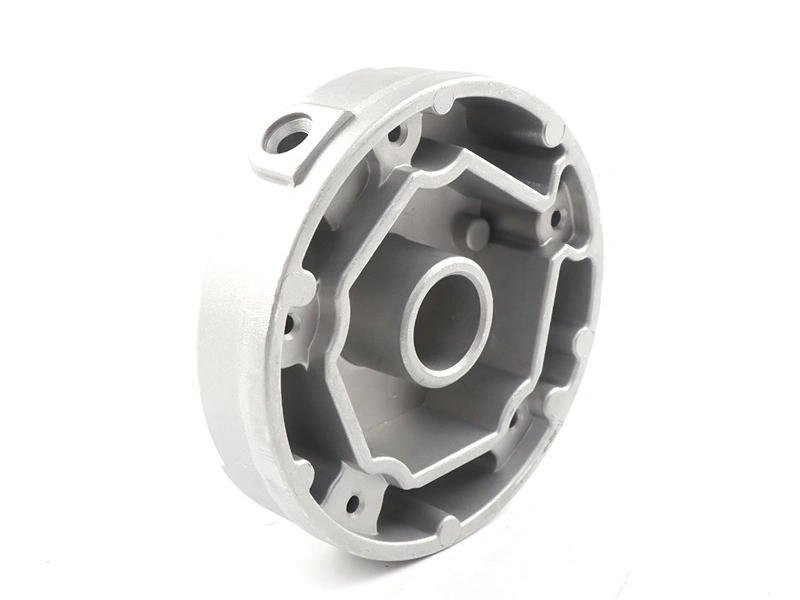
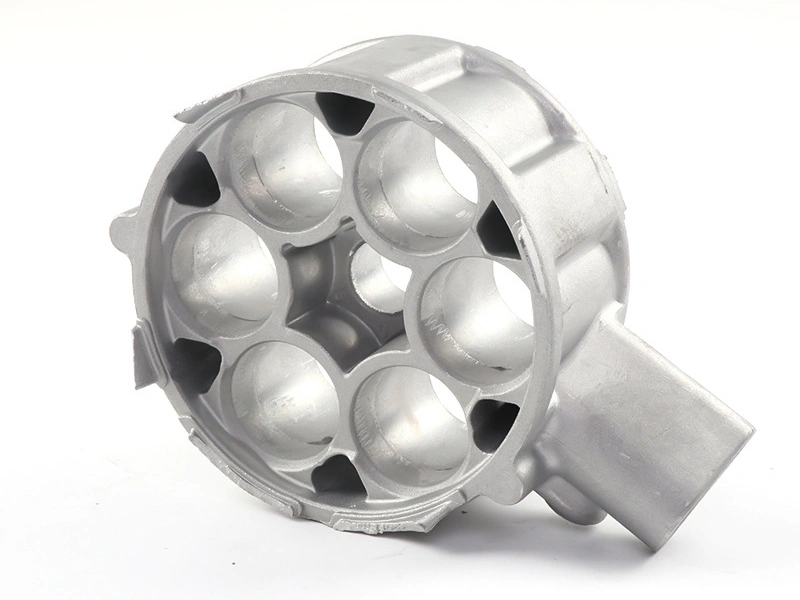
Can an A413 Casting Replace LM6 Without a Drawing Change?
Usually no. If the controlled drawing specifies LM6 and does not allow approved equivalents, A413 is a material deviation until the authorized drawing owner accepts it. The approval may be recorded as a one-time deviation, source-specific concession or formal drawing revision, depending on the buyer's quality system. A supplier's statement that A413 is “equivalent” does not change the contract.
The only straightforward exception is when the drawing or purchase specification already defines a permitted alternative envelope that A413 demonstrably meets. Even then, the supplier must provide the required standard, chemistry, certificate and process evidence. “Or equivalent” without an approval method is ambiguous and should be clarified before production.
Read the Complete Material Callout and Document Hierarchy
Check the drawing, material specification, purchase order, customer-specific requirements and approved supplier list together. A note on one document may be overridden by a higher-level specification. Confirm the LM6 standard revision, casting condition, heat treatment if any, finish, functional tests and whether substitutions require customer approval.
Do not interpret a national-alloy cross-reference as contractual permission. A nearby A413 material page can explain the proposed grade, but the drawing controls the part. Likewise, a supplier's historical use of A413 for another housing does not approve it for this geometry, fluid, pressure or corrosion duty.
If the callout is obsolete, unavailable or internally inconsistent, open a clarification record. Do not silently normalize it to a familiar alloy. The design owner may choose to retain LM6, add A413 as a named alternative, define a custom chemistry envelope or change to another current designation. Each choice has different future sourcing consequences.
Route the Proposal Through a Bounded Deviation
Drawing Condition | Allowed Action | Required Approver | Record |
|---|---|---|---|
LM6 only, no alternative language | Quote A413 separately as a proposed deviation | Authorized design/material and quality owners | Deviation request with evidence before production |
LM6 or approved equivalent | Submit A413 through the stated equivalence process | Owner named by the specification | Approved equivalence matrix and source |
Custom chemistry envelope | Show actual A413 source fits every controlled limit | Engineering and quality | Melt report plus conformity statement |
Customer-mandated LM6 | Do not substitute without customer authorization | Customer design authority | Customer concession or revised drawing |
Prototype-only trial authorization | Use A413 only for identified samples | Project owner | Time, quantity and purpose-bounded permit |
A413 added to revised drawing | Produce only after revision release and order update | Configuration authority | Released drawing and purchase baseline |
A good deviation names source, standard revision, chemistry target, casting process, tool, sample quantity, validation, expiration and affected orders. It should state whether later lots need measured chemistry and whether another A413 supplier is covered. Avoid open-ended wording such as “A413 accepted as LM6 equivalent” without conditions.
Assign approval authority before the deadline. Purchasing can request the alternative and quality can verify evidence, but neither should override a design-controlled material requirement unless the quality system grants that authority. For customer-owned drawings, the manufacturer may have no right to approve the substitution internally. Record the responsible individual or function, approval date and configuration effect.
Align the purchase order with the decision. If a source-specific deviation is approved but the order still says only LM6, receiving may reject compliant alternative parts or, worse, accept uncontrolled material under an ambiguous note. Reference the deviation number, approved source, validity and certificate fields on the order without changing the master drawing informally.
Consider a hypothetical regional source change. The first supplier uses LM6 under the original drawing; a second offers A413 to reduce lead time. Engineering compares standards and actual sample chemistry, then validates the casting and machined seal. Approval is restricted to that source, tool and revision for six identified trial pieces. This is not yet a drawing change or blanket production approval.
Carry the Approved Configuration Into Repeat Orders
After successful trials, decide whether the alternative is temporary or strategic. A recurring approved A413 route belongs in the controlled material specification or drawing, not a chain of emails. Update the bill of material, purchase description, inspection plan and certificate requirements so purchasing and receiving inspect the same baseline.
Use engineering change control to record why the change is acceptable, what evidence supports it and which revisions are affected. Check interchangeability in the finished assembly rather than assuming the same CAD means the same configuration.
Define reapproval triggers: new A413 source, changed standard revision, chemistry target, return-metal practice where controlled, casting process, tool repair near critical geometry, machining fixture, finish or functional test. Mass-production release should link the accepted material to lot records and sampling, not only the first article.
A drawing change is not always the only acceptable record, but an authorized controlled record is mandatory. The buyer's system decides its form. The engineering principle is simple: a proposed A413 casting does not become LM6 by quotation language; it becomes an approved alternative only through documented authority and evidence.
Before closing the deviation, receiving inspection should verify that the purchase-order callout, certificate identity and casting lot use the same approved designation. Any mismatch must return to the named design and quality approvers rather than being corrected informally at shipment.