Aluminum Die Casting Services: What Buyers Should Confirm Before Quotation
Aluminum Die Casting Services: What Buyers Should Confirm Before Quotation
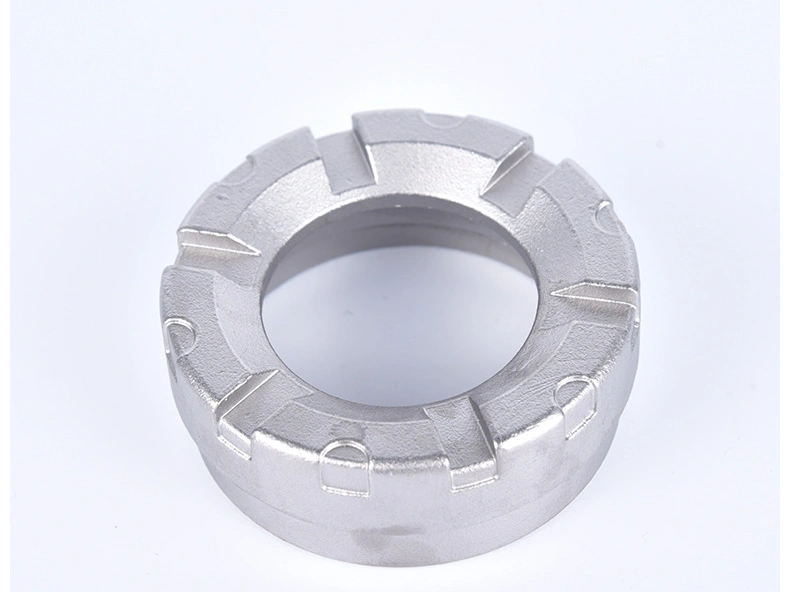
Aluminum die casting services should help buyers turn a drawing into stable finished parts, not just produce raw castings. A capable service provider reviews material, geometry, tooling, high pressure die casting conditions, CNC machining, surface finishing, inspection and packing before confirming price and lead time. This matters because many quote problems appear after the buyer discovers that machining, coating, inspection or assembly-critical features were not included.
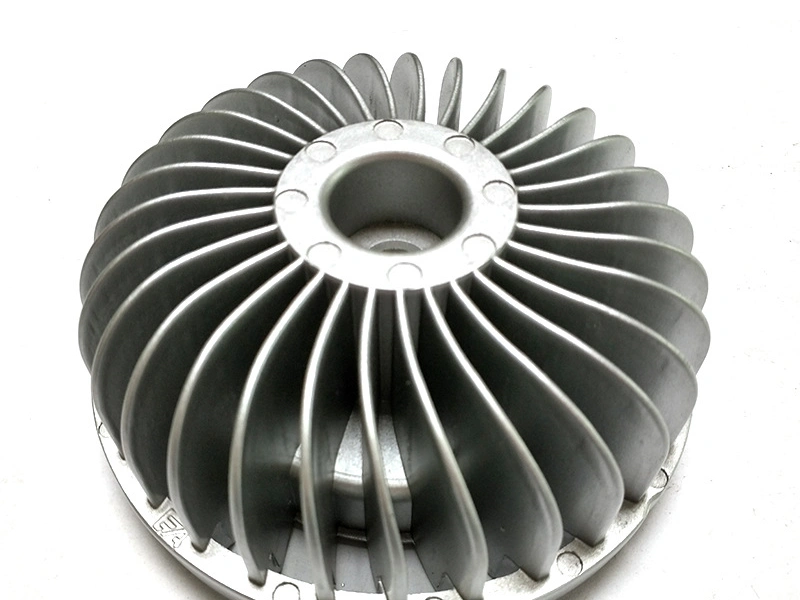
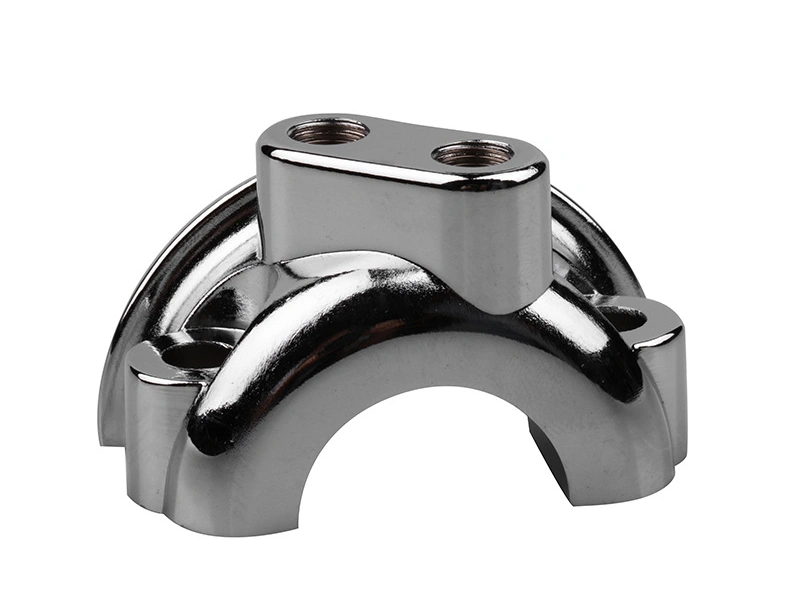
Buyers searching for aluminum die casting services usually have a real purchasing need. They may need housings, motor covers, lighting bodies, pump components, brackets, heat sink frames, industrial covers or electronic enclosures. The decision is not simply which supplier owns a die casting machine. The decision is whether the supplier can manage the whole manufacturing scope required by the part.
An accurate quote should show what is included and what needs separate approval. If the part has threaded holes, sealing faces, visible surfaces, coating requirements or dimensional reports, those items must be discussed before quotation. A lower quote that excludes secondary operations can become more expensive after sample rejection, rework or delayed launch. When this issue becomes a separate approval point, how to order aluminum die casting services helps buyers avoid treating it as a generic casting note.
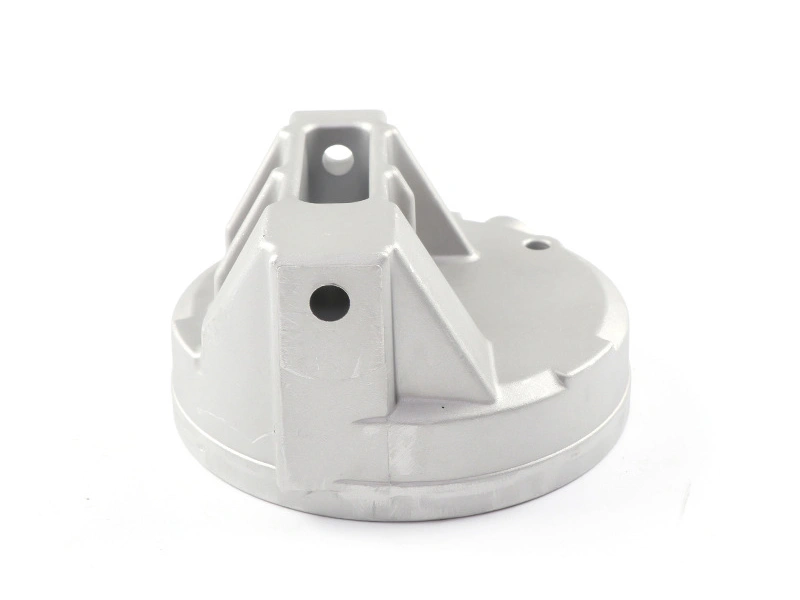
Core Scope of Aluminum Die Casting Services
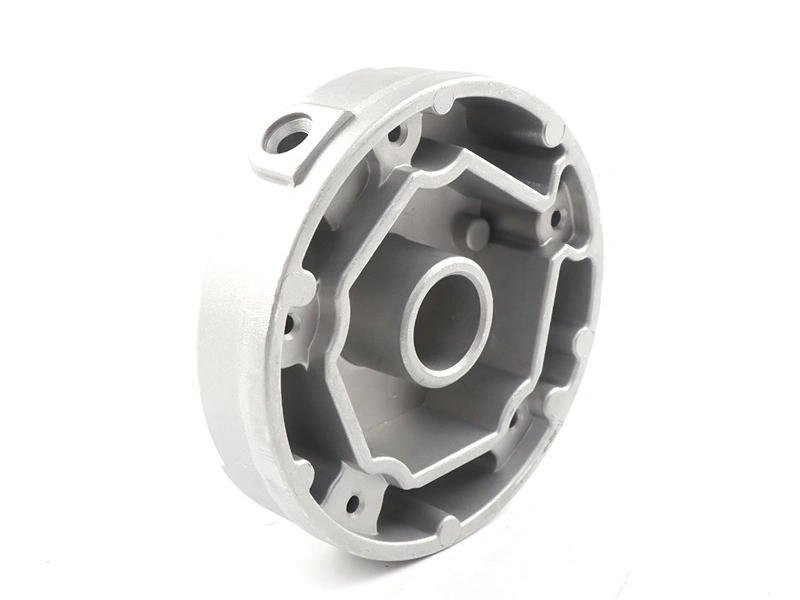
The core scope of aluminum die casting services should start with engineering review. The supplier should check whether the part fits high pressure die casting, whether the selected alloy is realistic, whether wall thickness and draft are manufacturable and whether any features need CNC machining after casting. The quote should not be based only on part weight and quantity.
The scope should then move into tooling, casting, trimming, deburring, machining, finishing and inspection. Some buyers need only raw castings. Many buyers need finished parts ready for assembly. The service provider should make that difference visible in the quote and sample plan.
Service Area | What It Should Cover | Buyer Value |
|---|---|---|
Engineering review | Material, wall thickness, draft, undercuts and critical features | Reduces tooling changes and sample delays |
Tooling | Die design, gate, runner, venting, cooling, sliders and ejectors | Controls filling, dimensions and surface marks |
Casting production | High pressure die casting, trimming and process control | Creates repeatable aluminum cast parts |
Post machining | Threads, holes, bores, sealing faces and datum pads | Completes functional features |
Surface finishing | Deburring, polishing, painting, powder coating or other finish | Meets appearance and protection requirements |
Inspection | CMM, gauges, visual standard, FAI and coating checks | Creates approval evidence |
Engineering Review Before Quotation
A supplier should review the part before quoting, especially when the drawing includes thin walls, deep ribs, bosses, holes, undercuts, sealing faces, cosmetic surfaces or tight tolerances. The review should identify features that are as-cast, features that need machining and features that may require tooling changes. This helps the buyer understand whether the quoted route is realistic.
Material review is part of engineering review. A380, ADC12, A360 and A413-style choices may fit different production risks. The supplier should ask about corrosion exposure, pressure tightness, heat dissipation, coating and mechanical load. If the buyer leaves the alloy open, the supplier should explain why one material direction is recommended.
DFM feedback should be specific. Useful comments mention wall thickness, draft angle, radius, gate location, ejector marks, machining allowance, critical datums and surface finish risk. Comments such as "design can be made" are not enough for parts with tooling investment.
Tooling Capability in Aluminum Die Casting Services
Tooling determines whether aluminum die casting services can move from samples to stable production. The die controls cavity layout, runner balance, gate direction, venting, cooling, slider movement, ejector pin position, parting line and machining allowance. A weak tooling plan can cause porosity, flash, short shots, warpage, surface marks or unstable dimensions.
Buyers should ask whether the supplier can explain the tooling approach. For example, where will metal enter the part? Which visible surfaces need protection from ejector marks? Are sliders needed for undercuts or side holes? Which features will be machined after casting? How will the tool be corrected after first samples?
The tooling quote should state whether sample correction is included, how many trial samples are expected, how tool ownership is handled and how long the tool is intended to support production. These details make the tooling investment easier to compare. For the related technical choice, how to evaluate a die casting service gives the buyer another page to verify before production planning.
Casting Production and Process Control
During casting production, the supplier controls melt quality, die temperature, injection parameters, venting, trimming, flash removal and process records. For aluminum die cast parts, small changes can affect porosity, fill, surface texture and dimensions. Service capability should include process control, not just machine capacity.
Buyers should ask how first samples are evaluated. A good sample review checks dimensions, appearance, porosity risk, machining stock and finish suitability. If a part has pressure or sealing requirements, the sample plan should include the required test. If a part has cosmetic surfaces, the sample should include the planned finish.
For repeat production, process control should link to inspection. The supplier should know which dimensions need routine checks and which visual defects are unacceptable. This prevents the first sample standard from drifting during batch production.
CNC Machining After Aluminum Die Casting
Many aluminum die casting services are incomplete without CNC machining. Die casting forms the main shape efficiently, but threaded holes, sealing faces, mounting holes, bores, datum pads and tight assembly surfaces often need machining. The supplier should identify these areas before tooling begins.
Machining planning should include datum selection, fixture design, machining allowance, burr control and inspection method. If the fixture locates from unstable cast surfaces, dimensions may drift. If machining allowance is too small, the part may fail to clean up. If plating or coating follows machining, final fit should be checked after finishing.
A quote that includes raw die casting but excludes machining may look cheaper. Buyers should compare finished-part scope. If the final part needs tapped holes and flatness-controlled faces, those operations must be included in the quotation and sample approval.
Surface Finishing and Cosmetic Requirements
Surface finishing in aluminum die casting services may include deburring, polishing, sand blasting, painting, powder coating, protective coating or limited anodizing review. The finish plan should be connected to visible surfaces, masking areas, coating thickness, accepted defects and packaging protection. For customer-facing parts, a raw casting sample does not approve finished appearance.
Powder coating and painting often work well for die cast aluminum when pretreatment, masking and defect standards are clear. Decorative anodizing may be difficult on many die casting alloys because cast chemistry and surface texture affect color. Buyers should state the finish goal in the RFQ so the supplier can recommend a realistic route.
Finished samples should be approved before production. The approval should distinguish visible surfaces from hidden surfaces. A small pore on an internal rib may be acceptable; a pore on a front cover may not be. This boundary prevents cosmetic disputes later.
How to Compare Aluminum Die Casting Service Quotes
Aluminum die casting service quotes should be compared by included scope, not only by unit price. A quote that includes tool design, trial samples, CNC machining, powder coating, CMM reporting and packaging is not the same as a quote for raw castings. Buyers should request a line-by-line scope so tooling, casting, machining, finishing and inspection are visible. If the geometry is driving cost or defects, design review before tooling should be reviewed before the supplier freezes the tooling plan.
Hidden scope is one of the main causes of supplier disputes. A buyer may assume tapped holes are included because they appear on the drawing. The supplier may quote raw castings and add tapping later. A buyer may assume powder coating includes masking and coating thickness control. The supplier may quote basic coating only. These differences should be resolved before tool build. If repeat supply is the goal, choosing an aluminum die casting supplier should be part of the supplier approval discussion.
Quote Item | Low-Risk Quote Shows | Risky Quote Hides |
|---|---|---|
Tooling | Tool scope, sample trial and correction rule | Only a tooling price |
Machining | Threads, holes, faces and inspection method | Machining listed as optional later |
Finishing | Color, masking, coating thickness and sample approval | General coating without standard |
Inspection | CMM, gauges, FAI or visual standard | No report level or acceptance criteria |
Delivery | Sample timing, batch timing and packaging method | Only total lead time |
Supplier Red Flags for Aluminum Die Casting Services
Several signals show that a supplier may be quoting too shallowly. One red flag is quoting a complex part without asking for a 2D drawing, tolerance notes or critical surfaces. Another is avoiding discussion of tooling layout, parting line, gate marks, machining allowance or finish requirements. A third is offering a very low price without explaining what is excluded.
Buyers should also watch for suppliers that cannot explain material choice. If the supplier cannot discuss A380, ADC12, A360 or equivalent material behavior in relation to the part, the quote may be based on habit. If the part has outdoor exposure, pressure risk or cosmetic finish, material review should be part of the service conversation.
Weak inspection planning is another red flag. If a supplier says inspection is included but cannot name the tools, report format or critical features, the buyer may not receive useful quality evidence. For aluminum die cast parts, inspection should be tied to machined features, sealing faces, threads, cosmetic zones and coating standards.
Sample Approval Before Production Release
Sample approval should follow the same route expected in production. If the final part will be machined and powder coated, the approved sample should be machined and powder coated. If the final part needs threads, thread gauge results should be available. If the final part has a sealing face, flatness and leak requirements should be checked if relevant.
Buyers should not approve a raw casting when the purchase requirement is a finished component. Raw casting approval may confirm fill and basic dimensions, but it does not approve final appearance, coating, thread fit or assembly. The sample approval record should state exactly what was approved and what remains open.
For production release, the supplier should provide a summary covering drawing revision, material, tooling corrections, machining method, finish sample, inspection result and packaging standard. This summary becomes the baseline for repeat orders. Where casting and machining share the same part, coordinating tooling, machining and finishing helps keep the precision work tied to real assembly needs.
Quality Control for Aluminum Die Casting Services
Quality control should match the part risk. Common checks include material confirmation, first article inspection, CMM, calipers, thread gauges, plug gauges, visual inspection, coating thickness checks and leak testing where needed. The supplier should identify which checks are included in the quote and which require special reporting.
Buyers should not over-tolerance every dimension. Instead, they should mark critical dimensions: threaded holes, sealing faces, datum surfaces, flatness-controlled pads, bearing bores and assembly interfaces. This helps the supplier build a practical inspection plan that protects function without adding unnecessary cost.
Quality Need | Useful Check | When It Matters |
|---|---|---|
Critical dimensions | CMM or fixture check | Assembly interfaces and datums |
Threads | Thread gauge | Fastening reliability |
Sealing faces | Flatness and leak test if required | Pump bodies, covers and fluid parts |
Cosmetic surfaces | Visual standard and finish sample | Visible housings and covers |
Coating | Thickness and adhesion checks | Powder coated or painted parts |
Short Example: Aluminum Motor Cover Quotation
A buyer requested an aluminum die casting quote for a motor cover. The lowest quote included tooling and raw castings only. It did not include CNC tapping, machining of the mounting face, powder coating, thread gauges or coating inspection. A second quote looked higher but included engineering review, tooling correction, machining, black powder coating, CMM report and thread inspection.
After review, the buyer chose the second service scope because the motor cover needed assembly-ready parts. The first quote would have required additional suppliers and delayed sample approval. The project avoided rework by defining finished-part scope before tooling started.
What to Include in an Aluminum Die Casting Services RFQ
An RFQ for aluminum die casting services should include 3D CAD, 2D drawing, material preference, annual volume, batch size, application environment, critical dimensions, machined features, surface finish, inspection requirements, packaging needs and target delivery schedule. The buyer should also state whether the quote should include finished parts or raw castings only.
RFQ Item | Why It Matters |
|---|---|
Finished-part scope | Clarifies whether machining, finishing and inspection are included |
Material direction | Controls alloy selection and property review |
Critical features | Identifies threads, bores, sealing faces and datums |
Surface finish | Defines coating, color, masking and cosmetic standard |
Inspection level | Defines CMM, gauges, FAI, leak test or visual checks |
Volume | Guides tooling, cavity count and production planning |
Neway supports aluminum die casting services that connect engineering review, tool and die making, aluminum die casting, CNC machining, surface finishing and inspection. Buyers can use this connected scope to evaluate quote completeness and reduce risk before approving tooling.
Production Handoff and Repeat Order Control
After samples are approved, the service provider should control repeat production with the same drawing revision, tooling record, machining fixture, finish sample and inspection plan. This is especially important when the buyer places repeat orders months later. Without a release record, the next batch may use a different finish standard, inspection method or machining assumption. When the first parts are meant to prove the route, batch quality validation before long-term cooperation gives buyers a stronger bridge from sample approval to production.
Repeat order control should also track tool wear, flash growth, dimensional drift, coating variation and packaging damage. Aluminum die casting services are valuable when they keep these details connected. A supplier that only makes castings may not notice that a small tooling change affects coating appearance or assembly fit after machining.
For buyers, the practical request is simple: ask the supplier how sample approval becomes production control. If the answer includes records, checkpoints and responsibility for secondary operations, the service scope is stronger.
Final Service Approval Checklist
Before approving an aluminum die casting service order, buyers should confirm the quote scope, drawing revision, material, tool plan, sample approval route, machined features, finish standard, inspection reports, packaging and delivery stages. The checklist should show who is responsible for each step. This prevents a supplier from assuming the buyer will handle machining or finishing, and prevents the buyer from assuming those steps are already included.
Approval Item | Buyer Should Confirm |
|---|---|
Scope | Raw casting, machined casting or finished part delivery |
Samples | Raw sample, machined sample and finished sample timing |
Inspection | Critical dimensions, gauges, visual standard and reports |
Changes | How tooling, drawing or finish changes are approved |
Repeat orders | How approved standards are retained for future batches |
This approval checklist is simple, but it changes the purchasing conversation. The buyer is no longer comparing machine capacity alone. The buyer is comparing which service provider can deliver the required aluminum die cast part with clear responsibility and evidence.
That evidence should stay attached to the part through sampling, pilot production and repeat orders.
It should be easy for quality teams to find.
Every batch matters.
FAQ
What Should Buyers Expect From Aluminum Die Casting Services?
How Do Aluminum Die Casting Services Handle DFM and Tooling?
What Secondary Operations Should Be Included in Aluminum Die Casting Services?
How Can Buyers Evaluate Quality Control in Aluminum Die Casting Services?
What Information Is Needed for an Aluminum Die Casting Services Quote?