How Can Buyers Validate Batch Quality Before Long-Term Cooperation?
How Can Buyers Validate Batch Quality Before Long-Term Cooperation?
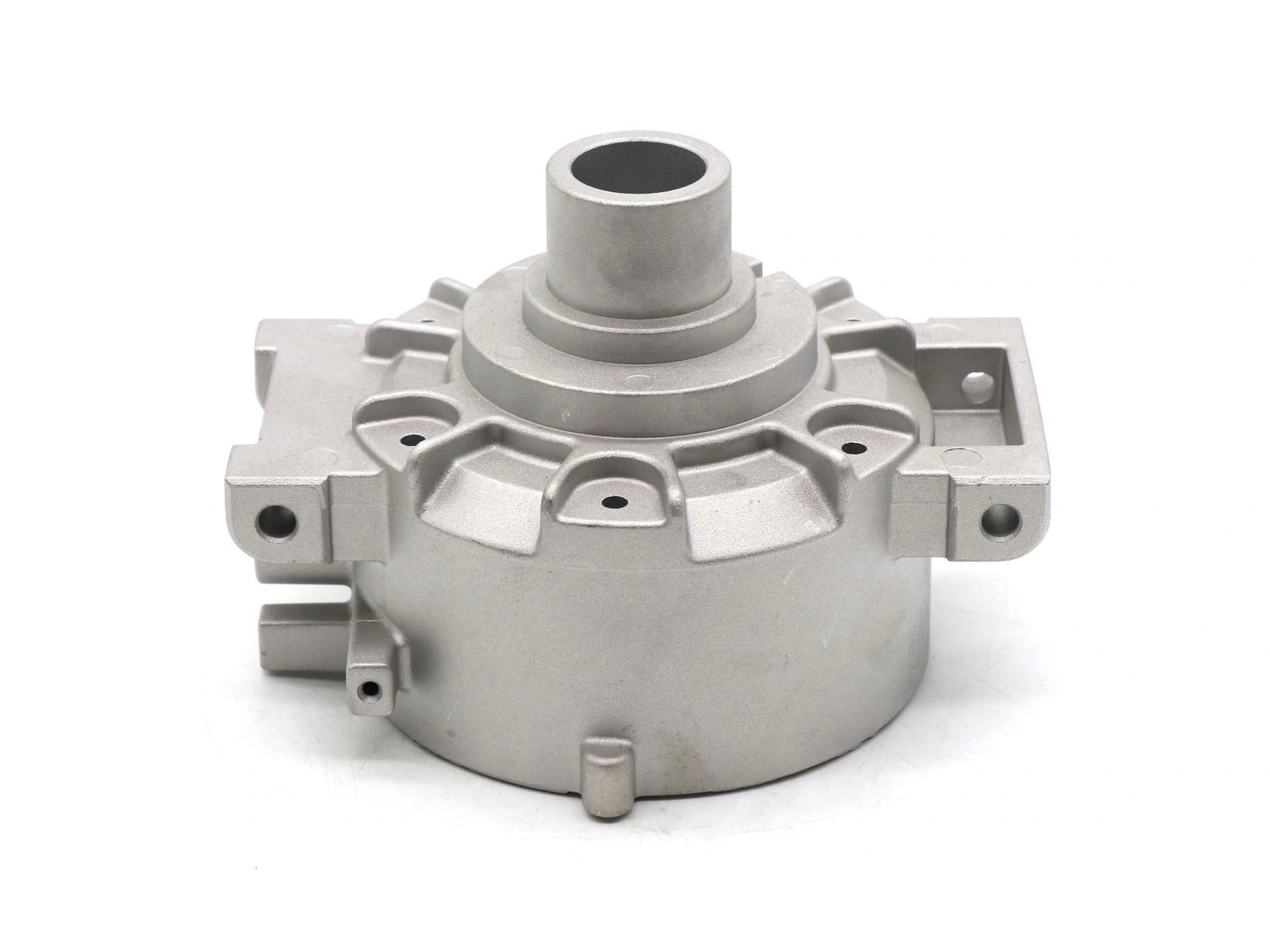
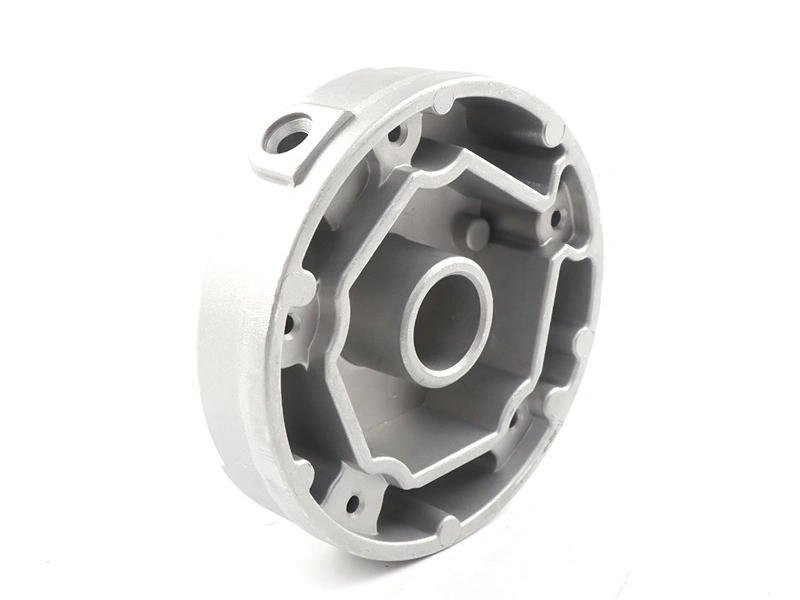
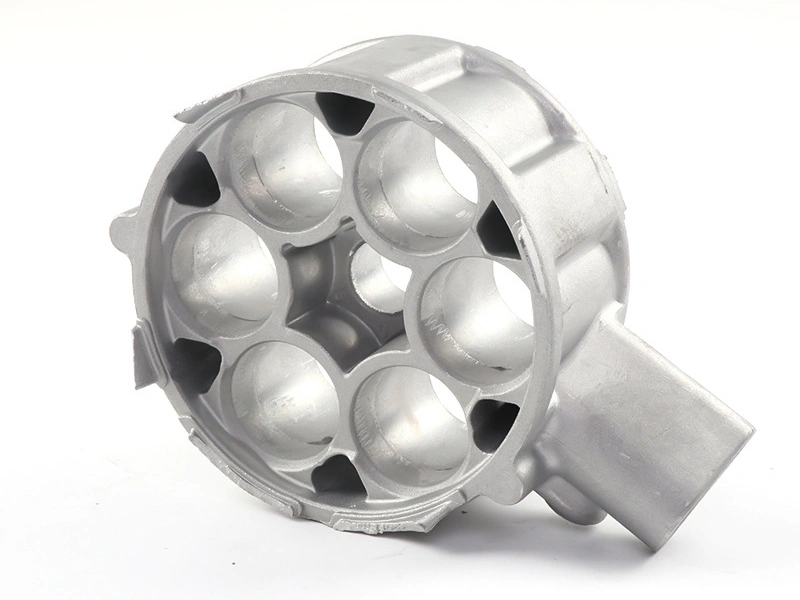
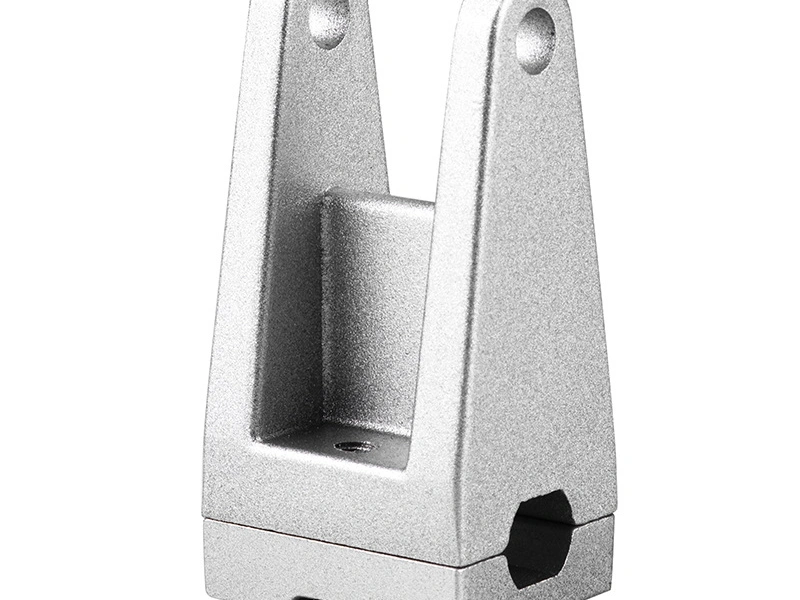
Buyers can validate aluminum die casting batch quality before long-term cooperation by checking trial sample dimensions, critical dimension stability, CNC machined feature accuracy, surface finish consistency, cosmetic surface quality, coating or painting results, assembly fit, burr control, packaging protection, small batch consistency, inspection report format and the supplier’s defect response process.
For long-term custom aluminum die cast parts, buyers should not approve cooperation based only on one good-looking sample. They should validate whether the aluminum die casting supplier can repeat the same quality across trial samples, small batches and future production orders.
1. Validate Trial Samples and Critical Dimensions
Validation Item | What Buyers Should Check | Why It Matters |
|---|---|---|
Trial sample dimensions | Overall dimensions, hole positions, datums and key tolerance areas | Confirms tooling and casting process feasibility |
Critical dimension stability | Variation across multiple samples and small-batch parts | Shows whether production can remain repeatable |
Assembly fit | Fit with mating parts, clearance, fastening and alignment | Reduces long-term assembly failure risk |
Inspection report format | Whether reports clearly show critical dimensions and acceptance criteria | Improves traceability and approval communication |
2. Validate CNC Machined Feature Accuracy
Many aluminum die casting projects require CNC machining inspection for holes, threads, sealing faces, flatness areas and datum surfaces. These machined features should be validated before long-term cooperation.
Machined Feature | Validation Focus | Risk Reduced |
|---|---|---|
Machined holes | Diameter, position, depth and alignment | Assembly mismatch and inspection rejection |
Threads | Thread size, depth, gauge result and burr condition | Fastening failure and rework |
Sealing faces | Flatness, roughness, tool marks and exposed pores | Leakage and functional failure |
Datum surfaces | Reference accuracy and repeatability across parts | Fixture instability and batch variation |
3. Validate Surface Finish and Cosmetic Quality
Surface finish consistency is important when parts need polishing, painting, powder coating or other appearance requirements. Buyers should define cosmetic surfaces and inspect whether the supplier can maintain the same standard across a small batch.
Surface Validation Item | What Buyers Should Check | Why It Matters |
|---|---|---|
Cosmetic surface quality | Flow marks, scratches, dents, pores, ejector marks and parting line visibility | Reduces appearance rejection |
Surface finish consistency | Visual consistency across multiple parts | Confirms batch-level appearance control |
Coating or painting result | Color, gloss, coating thickness, adhesion and masking quality | Reduces finishing disputes and assembly issues |
Burr control | Hole edges, machined areas, parting line and trimmed gate areas | Improves handling, assembly and final appearance |
4. Validate Packaging, Small Batch Consistency and Defect Response
Batch validation should include packaging and supplier response, not only the part itself. Poor packaging can damage finished surfaces, and weak defect response can make long-term cooperation difficult.
Long-Term Validation Item | What Buyers Should Review | Buyer Benefit |
|---|---|---|
Packaging protection | Scratch prevention, separation, anti-rubbing and shipping protection | Reduces damage after production |
Small batch consistency | Dimensions, machining, appearance and packaging across multiple parts | Confirms supplier repeatability |
Defect response process | How the supplier handles sorting, rework, root cause and corrective action | Improves long-term quality control |
Production communication | How quickly the supplier responds to engineering or quality feedback | Reduces project delay and repeated defects |
5. Check Full Process Capability Before Cooperation
Before long-term cooperation, buyers should confirm whether the supplier can support tool and die making, casting, CNC machining, surface finishing, inspection and batch feedback. A supplier with custom metal casting production capability can also help buyers compare aluminum projects with zinc die casting batch consistency or copper die casting quality control options when product requirements change.
6. Summary
Before Long-Term Cooperation, Buyers Should Validate | Main Purpose |
|---|---|
Trial sample dimensions | Confirm tooling and casting feasibility |
Critical dimension stability | Confirm repeatability across samples and small batches |
CNC machined feature accuracy | Confirm holes, threads, sealing faces and datums meet requirements |
Surface finish and cosmetic quality | Confirm finished appearance and coating consistency |
Assembly fit and burr control | Confirm the part can be assembled reliably without rework |
Packaging and defect response | Confirm long-term delivery protection and quality improvement ability |
In summary, buyers should validate aluminum die casting batch quality before long-term cooperation by checking trial samples, critical dimensions, CNC machined features, surface finish, cosmetic quality, coating results, assembly fit, burr control, packaging protection, inspection reports and supplier defect response. Long-term cooperation should be based on repeatable batch quality, not only one approved sample.