What Should Buyers Expect From Aluminum Die Casting Services?
What Should Buyers Expect From Aluminum Die Casting Services?
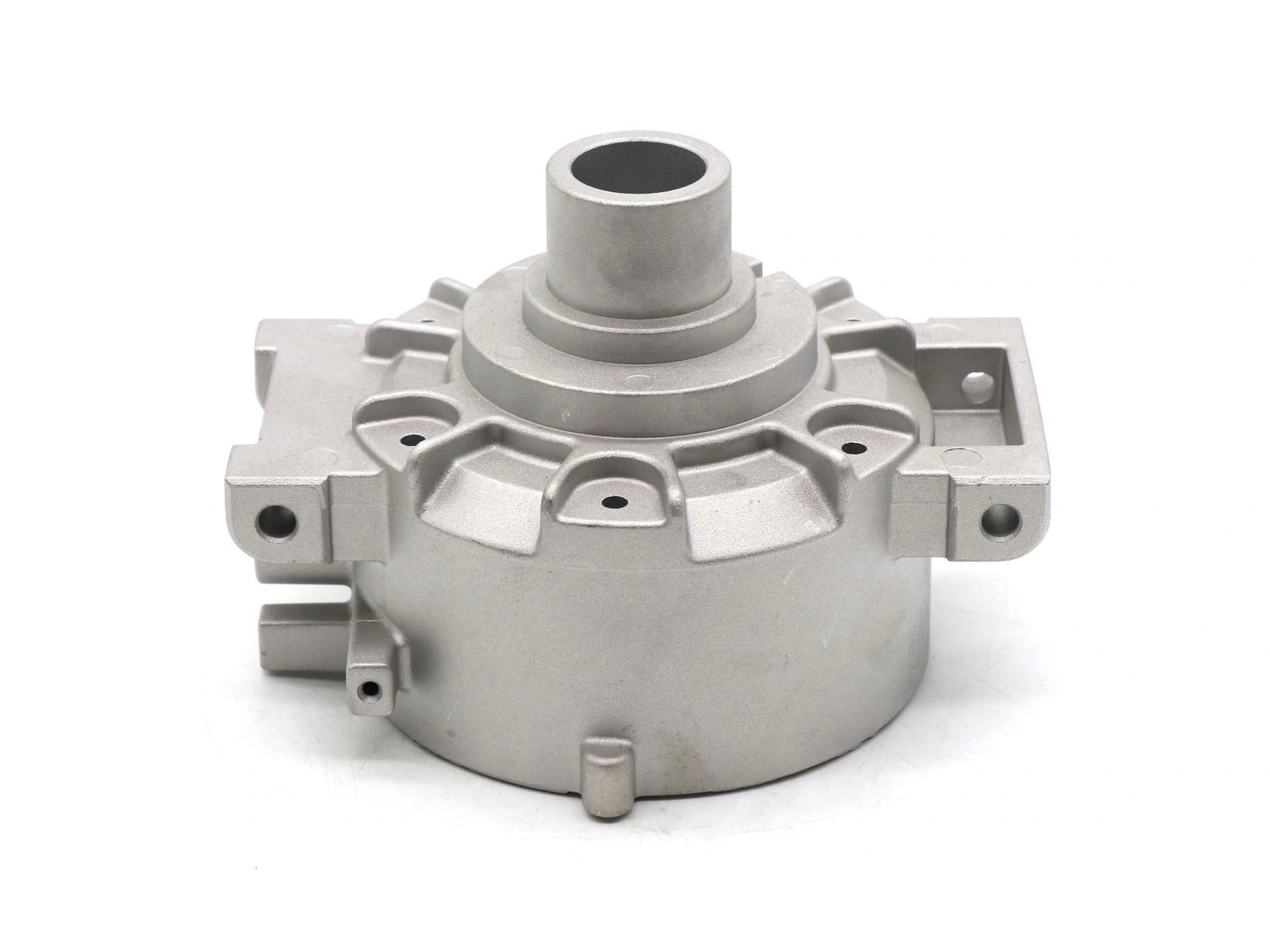
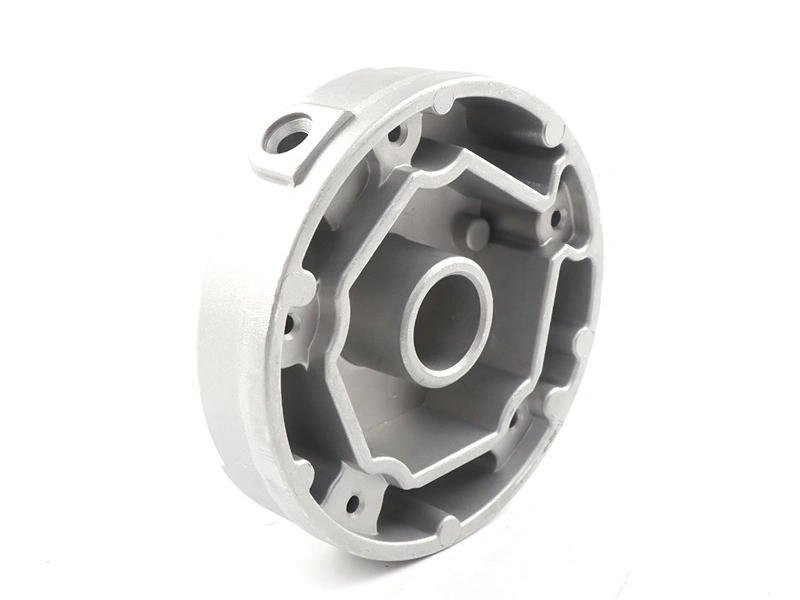
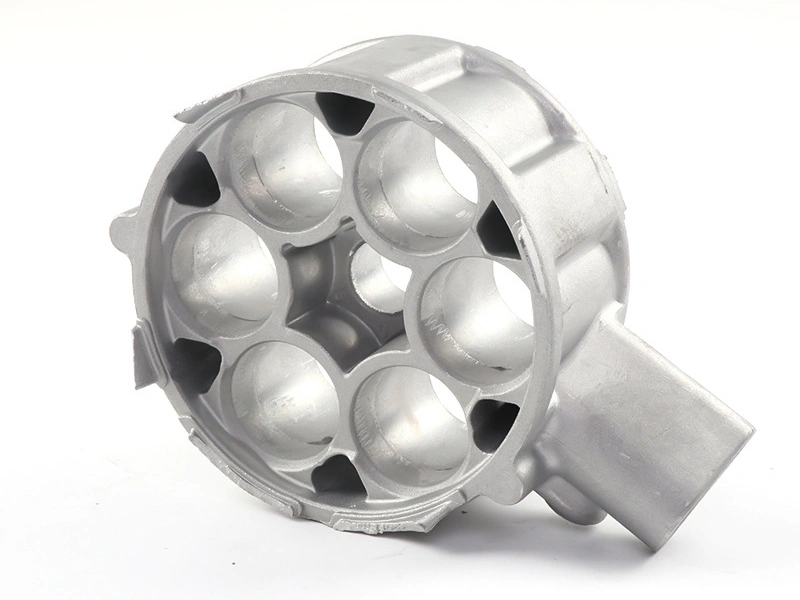
Buyers should expect aluminum die casting services to cover engineering review, material selection, tooling, die casting, trimming, deburring, CNC machining, surface finishing, inspection and finished-part delivery when those steps are required by the drawing. Some projects need only raw castings, but many custom aluminum die cast parts need a connected service route before they can be assembled or shipped to customers.
The service scope should be clear before quotation. A supplier that quotes only raw castings may still be useful, but the buyer should know that machining, coating, inspection or packaging will need separate handling. A supplier that quotes finished parts should explain exactly which secondary operations and reports are included.
For buyers, the main risk is assuming that "aluminum die casting services" automatically means finished parts. A quote can include tooling and casting only, or it can include the complete production chain. The difference changes cost, lead time and responsibility.
For service evaluation, buyers can review how to evaluate a die casting service and how to validate batch quality before long-term cooperation.
Expected Service Scope
Service Step | What Buyers Should Expect | Why It Matters |
|---|---|---|
Engineering review | Material, geometry, wall thickness and critical feature review | Prevents quote assumptions |
Tooling | Die design, trial samples and correction plan | Controls long-term casting stability |
Casting | Aluminum die casting, trimming and process control | Creates the base metal part |
Machining | Threads, bores, faces, datums and tight features | Completes functional requirements |
Finishing | Deburring, polishing, painting or powder coating | Controls appearance and protection |
Inspection | Dimensional, gauge, visual and finish checks | Provides release evidence |
Raw Casting vs Finished-Part Services
Raw casting service delivers the casting after trimming and basic cleanup. This can be enough when the buyer has its own machining and finishing supply chain. Finished-part service includes the operations needed to deliver an assembly-ready component. The buyer should decide which scope is needed before comparing prices.
Finished-part service is often valuable for housings, covers, motor parts, pump components and brackets because these parts commonly need threads, flat faces, coating, visual standards and inspection. A raw casting quote may become misleading if the part cannot be used without extra work.
Supplier Communication Expectations
A capable supplier should ask for the 3D model, 2D drawing, alloy requirement, finish, quantity, application and inspection needs. The supplier should also ask which surfaces are cosmetic, which features are critical and whether leak or pressure testing is required. These questions show that the supplier is evaluating the finished part instead of pricing only casting weight.
Buyers should expect clear communication about risks. If a wall is too thin, a boss needs radius, a hole must be machined or a finish may not be suitable, the supplier should explain that before tooling begins.
What a Complete Service Quote Should Show
A complete quote should show tooling, casting, machining, finishing, inspection and packaging as separate or clearly described items. It should state the material being quoted, the expected sample route, the number of samples, whether tooling correction is included and which inspection reports will be supplied. If the supplier lists only a part price, the buyer should ask what that price includes.
This is especially important for parts with threaded holes, sealing faces, powder coating, visible surfaces or leak testing. These features can change cost and lead time more than part weight. A quote that hides them may win the first comparison but fail during sample approval.
Service Red Flags
Red flags include quoting without a 2D drawing, ignoring critical dimensions, avoiding DFM feedback, not discussing tooling corrections, failing to ask about finish, and treating inspection as a vague promise. Buyers should also be cautious when a supplier cannot say whether the quote is for raw castings or finished parts.
A strong aluminum die casting service provider should ask enough questions to protect the buyer's finished part. The supplier does not need to make the project complicated, but it should identify the real manufacturing risks before tooling money is spent.
How Neway Supports Service Scope
Neway can support aluminum die casting services through engineering review, tool and die making, casting production, CNC machining, surface finishing and quality inspection. This helps buyers keep responsibility in one manufacturing chain when the part requires more than a raw casting.
Before approving a quote, buyers should ask for a written scope that lists included operations, sample approval steps, inspection reports and exclusions. This document protects cost and delivery expectations.
That written scope also helps future repeat orders. When purchasing reorders the part, the team can check the approved service route instead of rebuilding the requirements from memory.
Short Service Scope Example
A buyer sourcing an aluminum lighting housing may need A380 die casting, drilled mounting holes, tapped screw bosses, deburring, black powder coating, visual inspection and protective packaging. If the quote includes only casting and trimming, the part is not ready for assembly. A complete service quote should show each required step and the sample approval method.
This example shows why service scope matters more than a broad capability list. The buyer needs the supplier to deliver the condition that will be used in the final product.