How to Evaluate a Die Casting Service for Custom Metal Parts

How to Evaluate a Die Casting Service for Custom Metal Parts
A die casting service should help buyers manufacture custom metal parts from early design review to stable production delivery. For many projects, the buyer does not only need casting blanks. They need a supplier that can review drawings, select materials, build tooling, control die casting production, machine critical features, apply surface finishing, inspect quality, support assembly, and manage repeat orders.
When buyers search for a die casting service, they are usually evaluating whether a supplier can handle a complete custom metal parts project. This may involve aluminum die casting, zinc die casting, copper die casting, CNC machining, post-machining, surface treatment, inspection, packaging, and mass production.
This guide explains how buyers can evaluate a professional die casting service supplier before starting a project, especially when the parts need functional dimensions, stable quality, surface finishing, and long-term production support.
Why Buyers Search for a Die Casting Service
Buyers searching for a die casting service usually already have a product drawing, sample, design concept, material requirement, or production plan. They may need custom aluminum parts, zinc components, copper alloy parts, precision die cast parts, or finished components ready for assembly.
The search intent is not only to understand what die casting is. Buyers want to know whether a supplier can turn their design into manufacturable metal parts and manage the complete production process from design review to delivery.
Buyer Search Intent | What It Usually Means | Service Capability Needed |
|---|---|---|
Custom die casting service | The buyer has a drawing or sample and needs a made-to-order metal part. | Design review, material selection, tooling, die casting, and inspection. |
Metal die casting service | The buyer may need aluminum, zinc, copper, or another casting material. | Multi-material evaluation and process recommendation. |
Precision die casting service | The part has critical dimensions, holes, surfaces, or assembly requirements. | CNC machining, post-machining, CMM inspection, and functional validation. |
One-stop die casting service | The buyer wants fewer suppliers and lower project coordination risk. | Integrated tooling, casting, machining, finishing, inspection, assembly, and packaging. |
A professional die casting service should be project-oriented. It should help buyers evaluate risks before tooling, not only quote a casting price after receiving a drawing.
What Should a Professional Die Casting Service Include?
A professional die casting service should include more than die casting production. Custom metal parts usually require multiple connected steps. If any step is missing or poorly controlled, the final part may fail in assembly, surface appearance, dimensional accuracy, or long-term production consistency.
Service Area | Buyer Need | Why It Matters |
|---|---|---|
Design review | Judge whether the drawing is suitable for die casting. | Reduces tooling rework, casting defects, and late design changes. |
Engineering support | Optimize structure, material, tolerance, and manufacturing route. | Lowers project risk before mold investment. |
Material selection | Select aluminum, zinc, copper, or other casting materials. | Affects strength, weight, conductivity, surface finish, cost, and final performance. |
Tool and die making | Develop stable tooling for repeat production. | Controls dimensions, surface quality, defects, and batch consistency. |
Die casting production | Produce custom metal parts efficiently and repeatedly. | Determines forming stability, defect control, and production efficiency. |
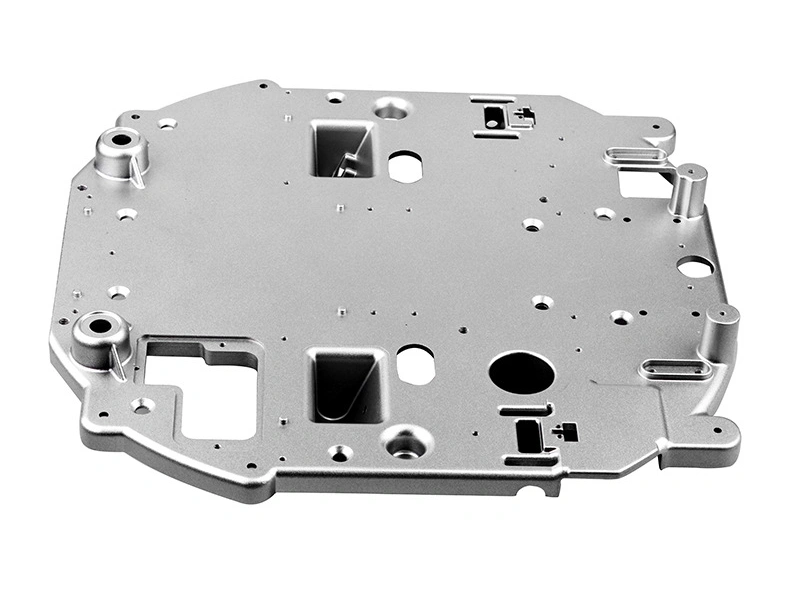
CNC post-machining | Machine holes, threads, sealing faces, and functional surfaces. | Ensures tolerance control, assembly fit, and part function. |
Surface finishing | Apply painting, powder coating, anodizing, blasting, tumbling, or other finishes. | Controls appearance, corrosion protection, coating thickness, and final value. |
Quality inspection | Check material, dimensions, internal defects, surface, coating, and function. | Supports stable quality and reduces incoming inspection failures. |
Assembly and packaging | Deliver finished components or assembly-ready parts. | Reduces buyer-side secondary operations and supply chain management work. |
The most valuable die casting service is not just a casting operation. It is a complete manufacturing system built around the final part requirement.
How to Choose Between Aluminum, Zinc and Copper Die Casting Service
Material selection is one of the most important parts of evaluating a die casting service. A buyer may know the part shape but may not yet know whether aluminum, zinc, or copper is the best material. A capable supplier should help compare these options based on the part’s function, weight, strength, appearance, conductivity, working environment, and production volume.
Die Casting Service Type | Suitable Parts | Main Buyer Concern |
|---|---|---|
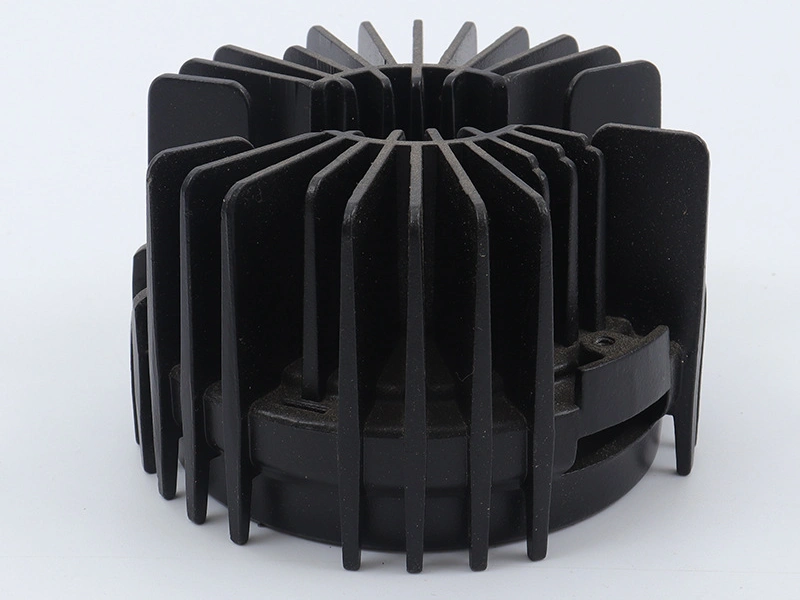
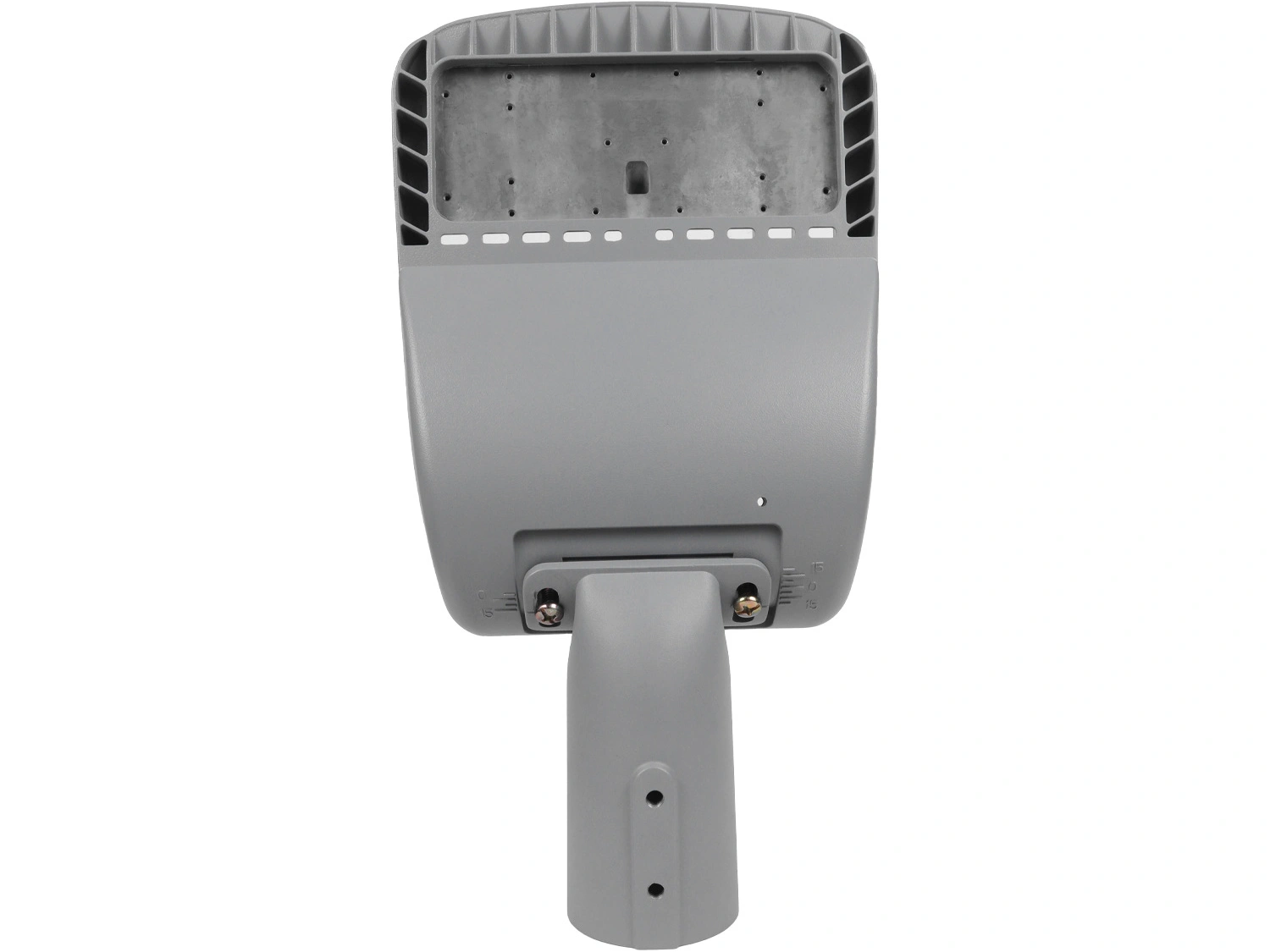
Lightweight housings, brackets, heat sinks, frames, structural parts. | Weight, strength, heat dissipation, corrosion protection, and cost. | |
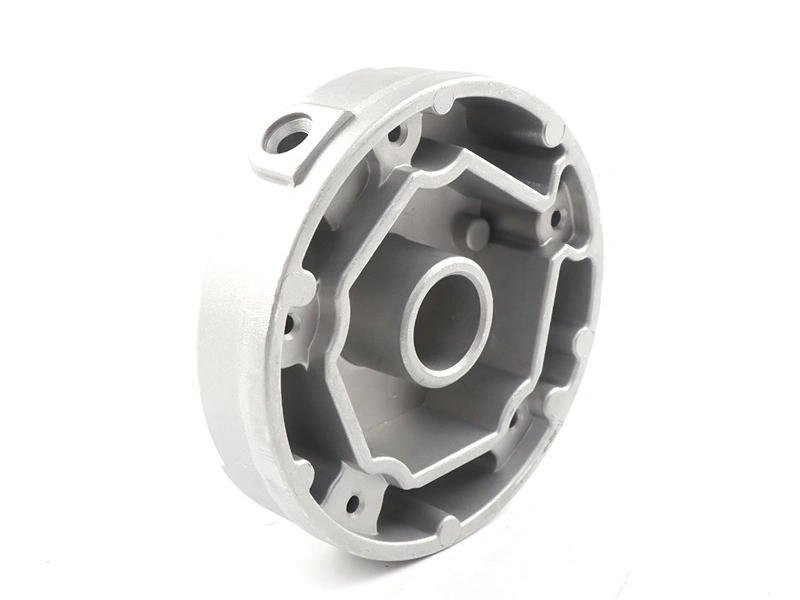
Small complex parts, hardware, decorative parts, connectors, assembly components. | Fine detail, dimensional stability, surface quality, plating or coating, and metal feel. | |
Electrical parts, terminals, conductive components, thermal parts, selected fittings. | Electrical conductivity, thermal performance, corrosion resistance, and functional reliability. | |
Multi-material casting service | Projects with multiple part families or uncertain material direction. | Material comparison, supply chain integration, and application-based engineering review. |
If buyers are unsure which material fits their project, they can begin with a broader metal casting evaluation and then move into aluminum, zinc, or copper die casting based on the application.
Die Casting Service vs CNC Machining, 3D Printing and Sand Casting
A die casting service is not always the correct solution for every metal part. Buyers should compare it with CNC machining, 3D printing, sand casting, and urethane casting based on quantity, geometry, tolerance, surface finish, material, cost, and project stage.
Manufacturing Service | Better For | Limitation |
|---|---|---|
Die casting service | Medium to high-volume custom metal parts, complex shapes, repeat production. | Requires tooling investment and early manufacturability review. |
Low-volume high-precision solid parts, prototypes, and functional machined features. | Higher cost for high-volume complex parts with casting-friendly geometry. | |
Fast prototypes, early design validation, and complex trial structures. | Limited for many metal production parts and repeat manufacturing requirements. | |
Large castings, low-volume parts, and flexible metal casting projects. | Lower dimensional precision and surface quality than die casting. | |
Plastic-like appearance prototypes and early product validation. | Not suitable for metal mass production parts. |
For custom metal parts with stable demand, complex geometry, repeatable design, and long-term production needs, a die casting service is often more scalable than machining every part from billet.
How Engineering Review Improves Die Casting Service Results
Engineering review is one of the most important differences between a basic casting supplier and a professional die casting service. A supplier should not simply quote the drawing. It should review the part for manufacturability, material suitability, tooling risk, machining needs, surface finishing feasibility, and assembly requirements before tooling begins.
This type of review can help buyers avoid expensive mold changes, casting defects, finishing failures, and assembly problems.
Engineering Review Item | Service Value |
|---|---|
Wall thickness | Helps reduce shrinkage, porosity, deformation, and unstable filling. |
Draft angle | Improves part release, reduces mold wear, and supports production stability. |
Material choice | Matches strength, weight, surface finish, conductivity, and cost requirements. |
Machining allowance | Ensures critical holes, faces, threads, and datums can be machined correctly. |
Surface finish area | Helps avoid coating, polishing, plating, or painting problems after casting. |
Assembly interface | Reduces fit, tolerance stack-up, fastening, sealing, and movement risks. |
Production volume | Helps choose tooling type, cavity number, process plan, and scaling strategy. |
Buyers should look for design support for die casting service and engineering support for die casting projects before committing to tooling.
Tooling Development in a Die Casting Service
Tooling development is central to a professional die casting service. The mold controls part quality, surface condition, filling, cooling, dimensional repeatability, cycle stability, and long-term production cost. Buyers should evaluate whether the supplier can manage tooling from design to trial, correction, maintenance, and repeat production.
Tooling Service Item | Impact on Project |
|---|---|
Mold design | Determines forming stability, part quality, cycle time, and repeatability. |
Gate and venting | Affects filling, air escape, internal defects, flow marks, and surface quality. |
Cooling design | Affects dimensional stability, shrinkage, deformation, and cycle consistency. |
Ejector layout | Affects visible surfaces, part release, deformation risk, and cosmetic acceptance. |
Tool trial | Validates the mold, part dimensions, surface condition, and initial casting quality. |
Tool maintenance | Supports long-term production by controlling flash, burrs, wear, and dimensional drift. |
Tool revision record | Prevents wrong-version production after drawing, tooling, or process changes. |
Buyers should confirm whether the supplier can provide tool and die making for die casting service, select suitable tool materials for die casting molds, and use appropriate options such as H13 die casting mold steel when mold durability is important.
CNC Machining and Post-Machining in Die Casting Service
A complete die casting service often needs CNC machining and post-machining. Die casting can form complex shapes efficiently, but certain features need tighter control than the as-cast process can provide. These features usually affect assembly, sealing, fastening, alignment, and final product performance.
Post-Machining Area | Why It Matters |
|---|---|
Threaded holes | Ensure fastening reliability, screw engagement, and repeat assembly. |
Mounting faces | Improve assembly stability, flatness, and contact consistency. |
Sealing surfaces | Support sealing, contact quality, and leak prevention. |
Locating holes | Control assembly position and part alignment. |
Bearing seats | Control coaxiality, roundness, fit, and functional movement. |
Datum surfaces | Provide stable inspection and assembly references. |
O-ring grooves | Support sealing reliability and product performance. |
Integrated CNC machining for die casting service and die casting post-machining service help keep casting, machining, inspection, and assembly requirements aligned. For functional products, CNC post-machining for assembly fit is often essential.
Surface Finishing Options in Die Casting Service
Surface finishing should be considered as part of the die casting service from the beginning. It affects appearance, corrosion protection, wear resistance, coating thickness, hand feel, assembly clearance, and packaging. If finishing is only discussed after casting, the project may face coating defects, color variation, assembly interference, or surface rejection.
Surface Finishing Service | Suitable Parts | Buyer Planning Point |
|---|---|---|
Housings, covers, consumer product parts, visible components. | Color, adhesion, gloss, masking, surface preparation, and cosmetic standards. | |
Industrial parts, protective components, coated die cast parts. | Coating thickness, durability, edge coverage, and assembly clearance. | |
Selected aluminum die cast parts with appearance or protection needs. | Alloy suitability, color variation, surface quality, and process feasibility. | |
Matte surfaces, pre-treatment, uniform texture, and coating preparation. | Surface roughness, appearance consistency, and downstream coating compatibility. | |
Small batch parts, small components, and deburring applications. | Edge consistency, burr removal, and small feature protection. | |
Decorative coating | Visible hardware, trims, consumer-facing parts, and premium components. | Base surface quality, color consistency, handling, and packaging protection. |
Anti-corrosion coating | Outdoor parts, humid environment parts, and protective metal components. | Protection level, exposure environment, coating durability, and inspection. |
A complete die casting surface finishing service should define finish method, visual standards, masking, coating thickness, process sequence, and packaging protection before production starts.
Quality Control in a Die Casting Service
Quality control in a die casting service should cover the full manufacturing chain, not only final visual inspection. Material, tooling, casting, CNC machining, finishing, assembly, and packaging all affect the final part quality.
Quality Control Item | Why Buyers Should Ask for It |
|---|---|
Material verification | Confirms that the selected material matches the application requirement. |
First article inspection | Verifies early samples before production approval. |
Checks critical dimensions, datums, machined areas, and assembly interfaces. | |
Helps detect internal flaws in custom metal parts where reliability matters. | |
Coating inspection | Controls coating thickness, appearance, adhesion, corrosion protection, and assembly clearance. |
Functional testing | Verifies the part or assembly works in its final use condition. |
Batch traceability | Supports long-term quality tracking, repeat orders, and issue investigation. |
Packaging inspection | Prevents scratches, coating damage, thread damage, deformation, and mixed batches. |
For long-term purchasing, quality control for die casting service should include process records, approved samples, inspection plans, tooling maintenance records, and traceable production data.
How a Die Casting Service Supports Prototype, Low-Volume and Mass Production
A good die casting service should support the buyer through different project stages. Some projects begin with prototype validation. Others need low-volume trial production before full mass production. A supplier should help buyers reduce risk step by step instead of pushing directly from quotation to high-volume production.
Project Stage | Die Casting Service Focus | Buyer Benefit |
|---|---|---|
Prototype review | Validate structure, material direction, function, and early manufacturability. | Reduces mold risk before major tooling investment. |
Tooling development | Build the mold foundation for repeatable production. | Supports stable forming and consistent production quality. |
Trial casting | Verify filling, surface, defects, dimensions, and process feasibility. | Confirms whether tooling or process changes are needed. |
Low-volume run | Validate batch stability, inspection standards, and finishing process. | Lowers risk before full mass production. |
Mass production | Control repeat production, quality records, tooling maintenance, and delivery. | Supports stable long-term orders. |
Repeat production | Maintain material, tooling, process, inspection, and packaging consistency. | Reduces reorder risk and keeps approved standards consistent. |
Buyers can use prototype die casting service for early validation, low-volume die casting service for trial production, and mass production die casting service for stable repeat orders.
How to Evaluate a One-Stop Die Casting Service Supplier
A one-stop die casting service supplier can help buyers reduce project risk by integrating material selection, design review, tooling, die casting, CNC machining, surface finishing, inspection, assembly, packaging, and mass production. This is especially useful when the project requires finished parts, functional features, visible surfaces, or assembly-ready delivery.
Supplier Capability | Why It Matters |
|---|---|
Multi-material casting | Supports aluminum, zinc, copper, and project-based material comparison. |
Engineering support | Reduces tooling, material, machining, finishing, and assembly risks before production. |
Tool and die making | Controls mold quality, repeatability, and long-term production stability. |
Die casting production | Ensures forming efficiency, process stability, and defect control. |
CNC machining | Controls functional dimensions, holes, threads, datums, and assembly features. |
Surface finishing | Controls appearance, protection, coating thickness, and final product value. |
Inspection | Verifies material, dimensions, internal quality, surface, coating, and function. |
Supports finished assemblies and reduces buyer-side secondary operations. | |
Packaging | Protects finished parts during shipment and supports traceable delivery. |
Mass production support | Maintains consistent quality and delivery for long-term procurement. |
If buyers need an one-stop die casting service, they should confirm that the supplier can truly control each process instead of only listing services. The supplier should explain how design, engineering, tooling, casting, machining, finishing, inspection, assembly, and delivery work together.
Summary
A professional die casting service should support custom metal parts from project review to production delivery. Buyers should evaluate whether the supplier can provide design review, engineering support, material selection, tool and die making, die casting production, CNC post-machining, surface finishing, inspection, assembly, packaging, and mass production support.
For custom aluminum, zinc, copper, or multi-material casting projects, the best supplier is not only a casting factory. It should be a manufacturing partner that can reduce project risk, improve part reliability, and support stable repeat production.
Evaluation Area | Key Buyer Question | Recommended Action |
|---|---|---|
Service scope | Does the supplier provide more than raw casting? | Check design review, engineering, tooling, casting, machining, finishing, inspection, assembly, and packaging. |
Material selection | Can the supplier recommend aluminum, zinc, copper, or other materials based on the part? | Compare material performance, cost, weight, surface finish, conductivity, and final use. |
Engineering review | Can the supplier identify risks before tooling? | Review wall thickness, draft, parting line, gate, venting, machining allowance, finishing, and assembly needs. |
Tooling | Can the supplier manage die casting molds for repeat production? | Check mold design, material, gate, venting, cooling, ejector layout, trial mold, maintenance, and revision records. |
Post-machining | Can functional features be controlled after casting? | Plan threaded holes, mounting faces, sealing surfaces, locating holes, bearing seats, and datum surfaces. |
Surface finishing | Can appearance and protection requirements be controlled? | Plan painting, powder coating, anodizing, sand blasting, tumbling, decorative coating, and corrosion protection early. |
Quality and production | Can the supplier support long-term stable delivery? | Use material verification, CMM inspection, X-ray inspection, coating inspection, functional testing, batch traceability, and mass production control. |
FAQ