How Can Buyers Choose Between Aluminum, Zinc and Copper Die Casting Services?

How Can Buyers Choose Between Aluminum, Zinc and Copper Die Casting Services?
Buyers can choose between aluminum, zinc and copper die casting services by comparing part weight, strength, thermal performance, electrical conductivity, surface finish, detail requirements, corrosion resistance, assembly needs and production volume. The right material should match the final product application, not only the lowest unit price.
1. Why Material Choice Should Come Before Tooling
Material selection affects tooling design, casting parameters, CNC machining, surface finishing, inspection and final part performance. If the material is chosen incorrectly, buyers may face excessive weight, poor finish compatibility, weak functional performance, high machining cost or unstable long-term production.
Neway can help buyers evaluate projects through custom metal casting service and then select the most suitable die casting route based on engineering and production requirements.
Service Type | Best Suited For | Buyer Concern |
|---|---|---|
Lightweight housings, brackets, covers, heat sinks and structural parts | Weight, structure, thermal use and surface treatment compatibility. | |
Small complex parts, decorative hardware, locks, connectors and assembly parts | Fine detail, surface finish, dimensional stability and repeatability. | |
Electrical, thermal and corrosion-related components | Conductivity, thermal performance and corrosion behavior. | |
Multi-material service | Projects with several part types or different performance requirements | Integrated evaluation across material, tooling, machining and finishing. |
2. When Aluminum Die Casting Service Is Suitable
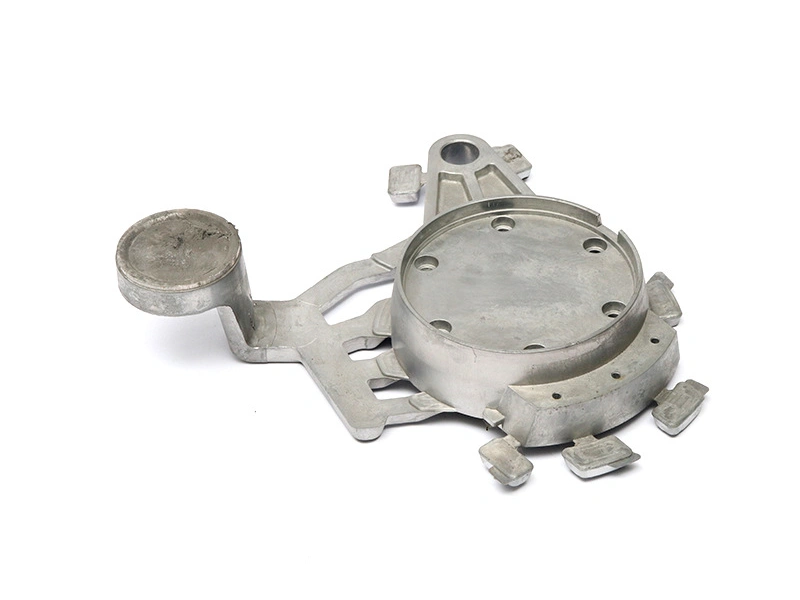
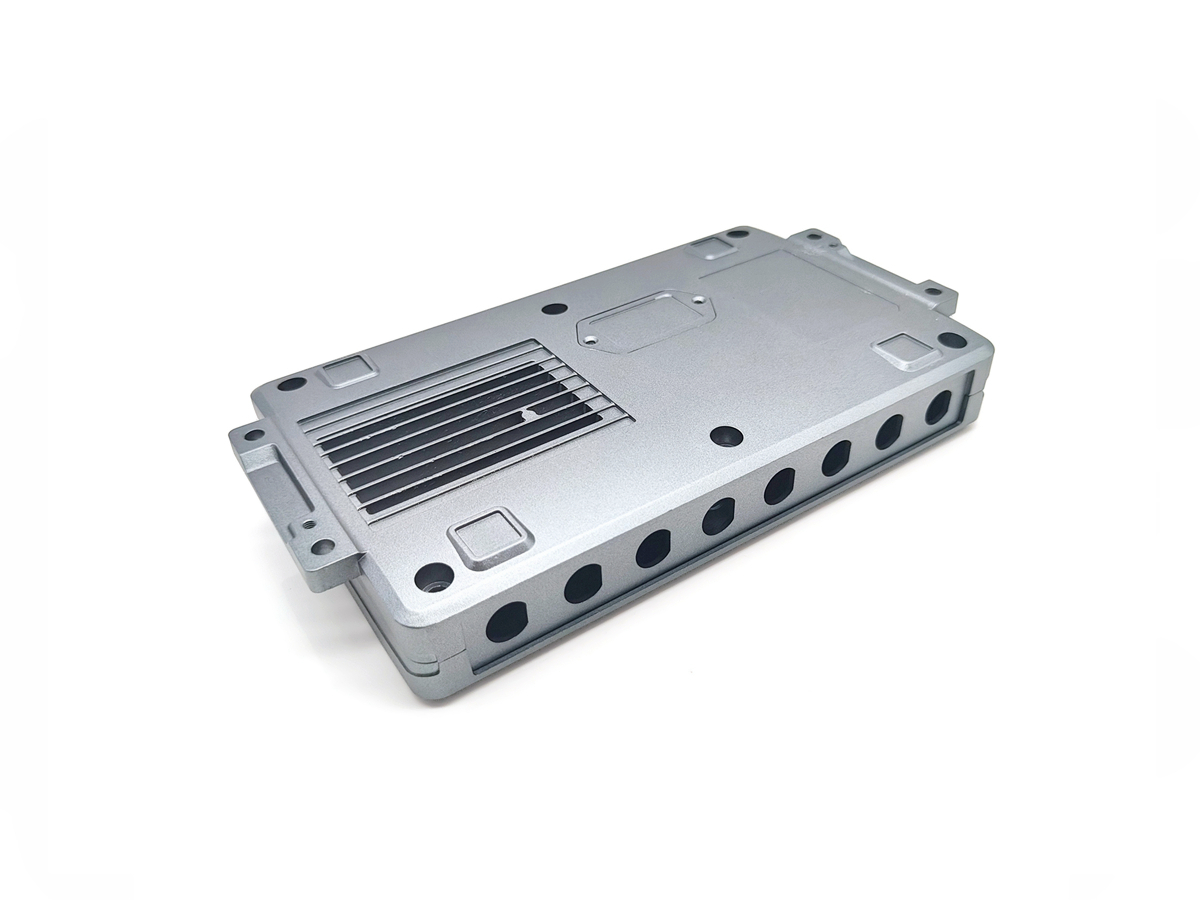
Aluminum die casting service is often suitable for lightweight housings, brackets, automotive parts, electronic housings, heat-related components and structural parts. Buyers usually choose aluminum when weight reduction, strength-to-weight balance, thermal performance or larger part geometry matters.
If a project requires lightweight metal parts with production consistency, aluminum die casting should be evaluated early with tooling, machining and surface finish requirements.
3. When Zinc Die Casting Service Is Suitable
Zinc die casting service is often suitable for small complex parts, decorative parts, locks, hinges, connectors, hardware components and assembly-ready parts. Zinc alloys can support fine detail, stable dimensions, metal feel and surface finishing for many small to medium parts.
For appearance-critical or complex small parts, zinc die casting may provide better detail reproduction and finishing potential than aluminum or CNC machining, depending on the part design and volume.
4. When Copper Die Casting Service Is Suitable
Copper die casting service should be reviewed when the part requires electrical conductivity, thermal performance, corrosion resistance or special mechanical behavior. Copper and copper alloy parts may be used in conductive, thermal, valve, fitting or industrial applications where material performance is more important than weight reduction.
Neway can support casting material selection and engineering support for metal casting when buyers are unsure which material route is safest.
Selection Risk | Possible Result | Better Decision Method |
|---|---|---|
Large lightweight part uses high-density material | The product may become too heavy or uneconomical. | Review aluminum die casting for weight-sensitive parts. |
Small decorative part ignores zinc die casting | Detail, appearance or finishing performance may not be optimal. | Review zinc die casting for small complex cosmetic parts. |
Conductive part uses the wrong alloy | Electrical or thermal performance may fail. | Review copper die casting when conductivity matters. |
Material is chosen only by price | Final performance, finish or assembly may suffer. | Choose material based on product function and production volume. |
Summary
Buyer Question | Recommended Direction |
|---|---|
Which service fits lightweight metal parts? | Aluminum die casting service is often suitable for lightweight housings, brackets and heat-related parts. |
Which service fits small decorative parts? | Zinc die casting service is often suitable for small complex and appearance-focused parts. |
Which service fits conductive parts? | Copper die casting service should be reviewed for electrical or thermal applications. |
What should buyers do if unsure? | Ask Neway to evaluate material, application, tooling, finishing and production volume together. |