Why Is Engineering Review Important Before Starting a Die Casting Service?
Why Is Engineering Review Important Before Starting a Die Casting Service?
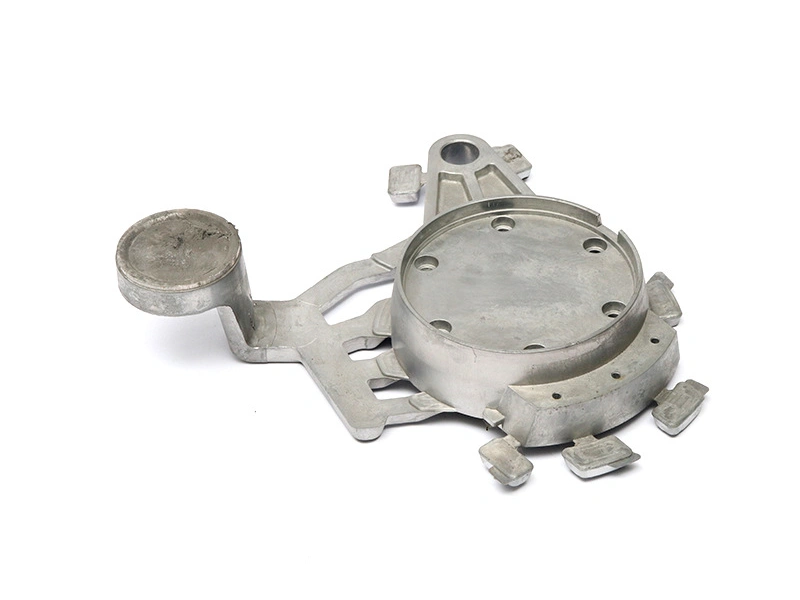
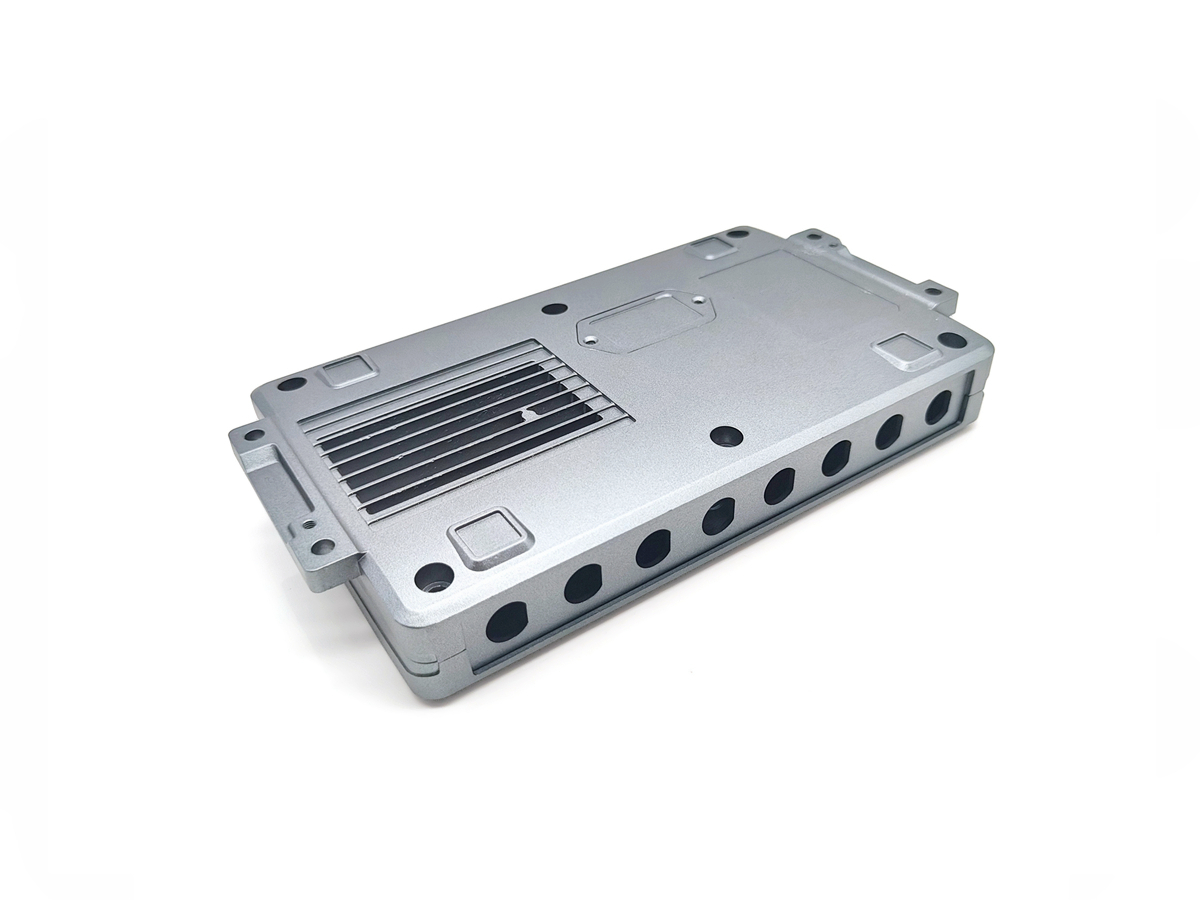
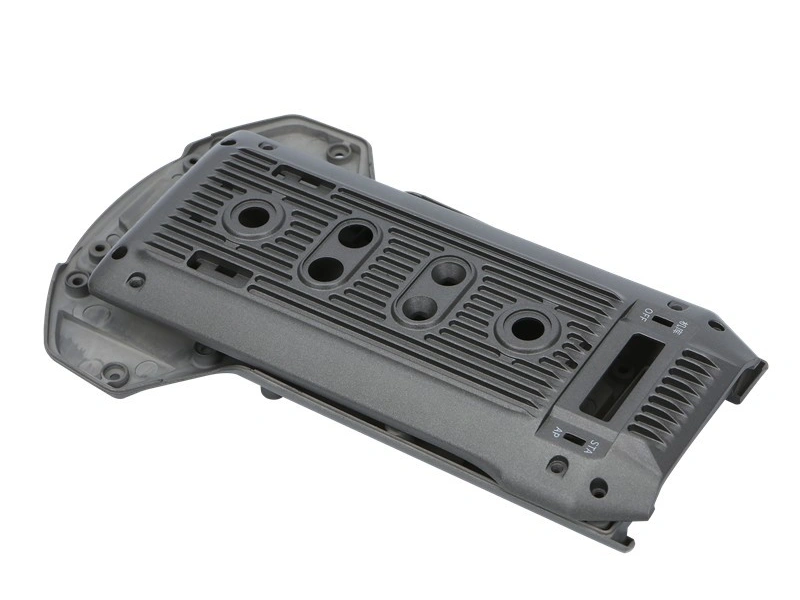
Engineering review is important before starting a die casting service because it helps identify wall thickness issues, draft angle problems, parting line risks, material mismatch, machining allowance, surface finish limitations, tooling concerns and assembly risks before mold making begins.
1. Why Engineering Review Should Happen Before Tooling
Once tooling begins, design changes become more expensive and slower. If the part has uneven walls, poor draft, unclear cosmetic surfaces, missing machining allowance or undefined assembly interfaces, the buyer may face repeated mold modifications after trial casting. Engineering review helps reduce these risks before tooling investment.
Neway’s die casting service includes more than production. It can include die casting design review and engineering review for die casting service to improve manufacturability before mold manufacturing.
Engineering Review Item | Risk if Skipped | Benefit |
|---|---|---|
Wall thickness | Shrinkage, porosity or unstable filling may occur. | Improves casting stability and reduces defect risk. |
Draft angle | Part ejection may be difficult and tooling wear may increase. | Improves mold release and tool life. |
Material choice | Part performance, finish or weight may not match the application. | Improves material fit for final use. |
Machining allowance | There may not be enough stock for reliable post-machining. | Protects holes, threads, datum surfaces and assembly fit. |
Cosmetic surfaces | Parting lines, gates or ejector marks may appear on visible faces. | Improves appearance control before tooling. |
Assembly features | The finished part may fail during assembly. | Improves functional reliability and fit. |
2. How DFM Review Reduces Manufacturing Risk
DFM review checks whether the part can be cast, machined, finished and assembled reliably. It can identify thick sections, thin walls, sharp corners, poor rib design, difficult parting lines, trapped areas, cosmetic surface conflicts and post-machining risks.
Neway can help buyers improve manufacturable die casting design before tooling. This reduces the chance that the first trial casting exposes major design issues.
3. How Tooling Review and Mold Flow Analysis Help
Tooling review checks parting line, gate location, ejector position, cooling, cavity layout and expected production stability. For complex parts, mold flow analysis for die casting precision can help evaluate filling, hot spots, air trapping and shrinkage risks before mold manufacturing.
Tooling for die casting service should be based on both the product drawing and the final production requirement.
Engineering Risk | Possible Result | Recommended Control |
|---|---|---|
Buyer starts tooling directly | Trial casting may expose design problems too late. | Complete engineering and DFM review before mold making. |
Machining allowance is missing | Critical features may not be corrected after casting. | Mark post-machined areas before tooling design. |
Cosmetic face conflicts with parting line | Visible surface quality may be rejected. | Define cosmetic surfaces before tooling layout. |
Material does not match environment | Weight, corrosion, strength or thermal performance may fail. | Review material choice based on final use. |
Assembly dimensions are not defined | Parts may pass casting inspection but fail in final assembly. | Define datum surfaces, critical dimensions and fit tests early. |
4. How Neway Supports Engineering Before Production
Neway can review drawings, materials, tooling risks, machining allowance, surface finish requirements and assembly interfaces before die casting service begins. This helps buyers reduce tooling modification cost, shorten sampling cycles and improve long-term production stability.
Summary
Buyer Concern | Recommended Engineering Review |
|---|---|
Is the part suitable for die casting? | Review wall thickness, draft, ribs, bosses, parting line and filling risks. |
Will the part need machining? | Check machining allowance, datum surfaces and functional features. |
Will the visible surface look acceptable? | Review cosmetic surfaces, gate positions, ejector marks and finish requirements. |
When should engineering review happen? | Before tooling, so design and manufacturing risks can be reduced early. |