How Should Suppliers Coordinate Tooling, Machining and Finishing in Aluminum Diecasting?
How Should Suppliers Coordinate Tooling, Machining and Finishing in Aluminum Diecasting?
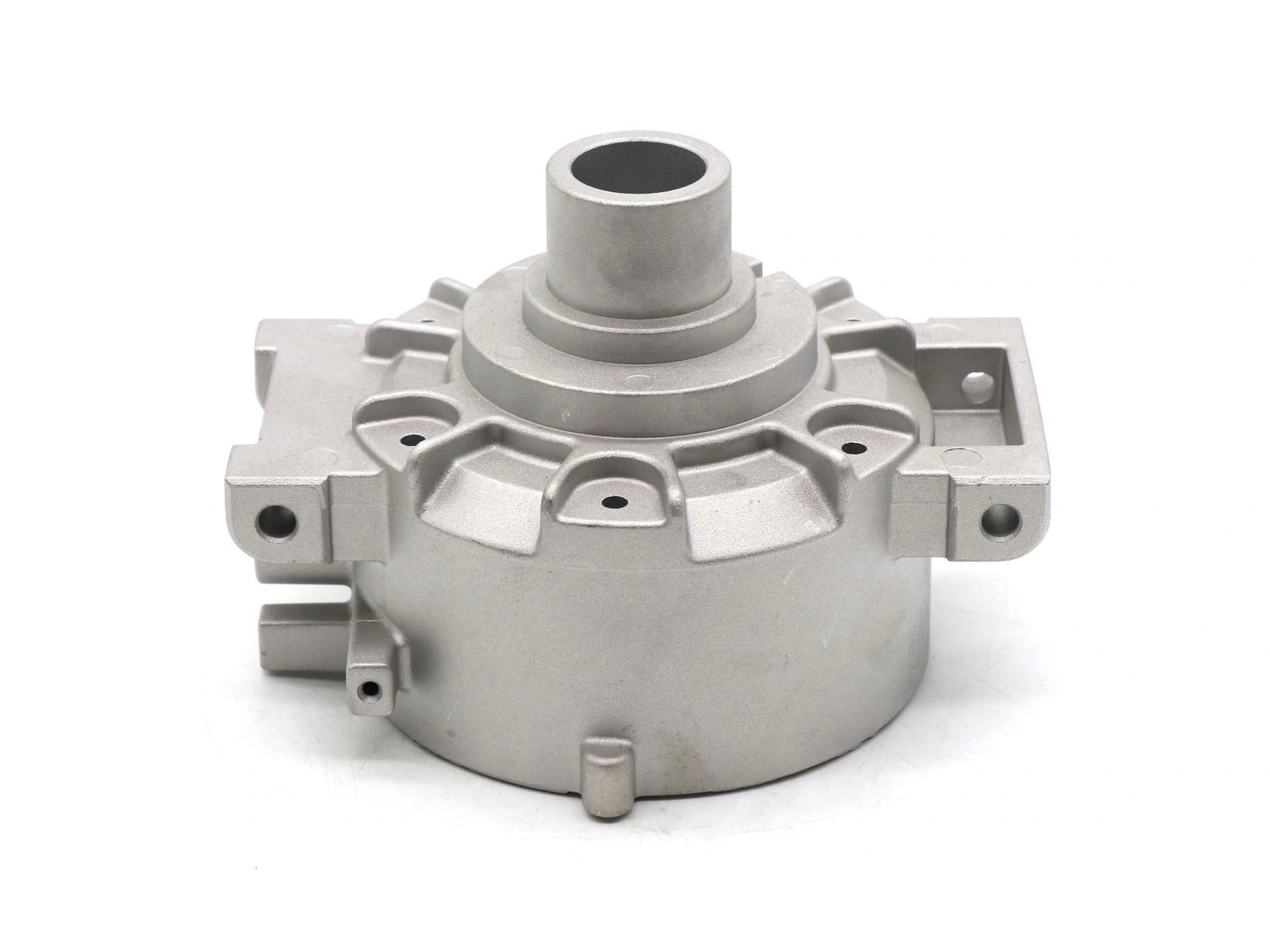
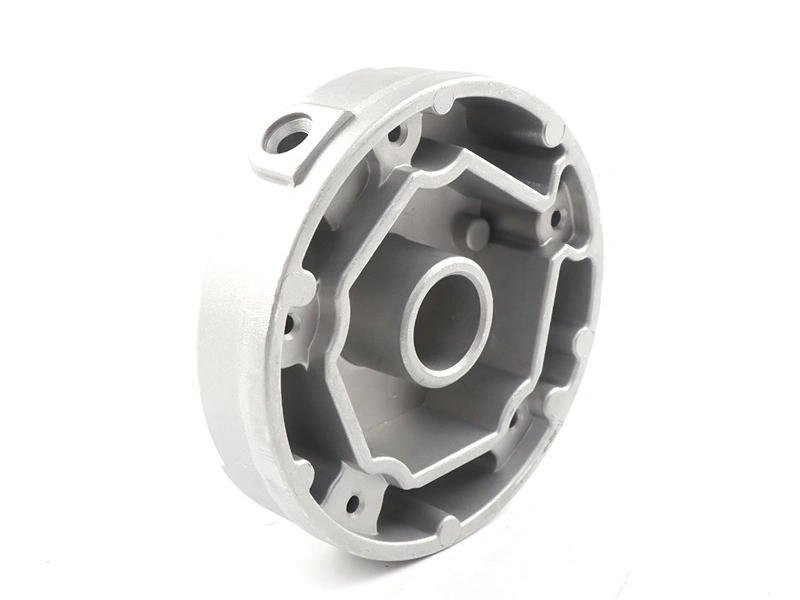
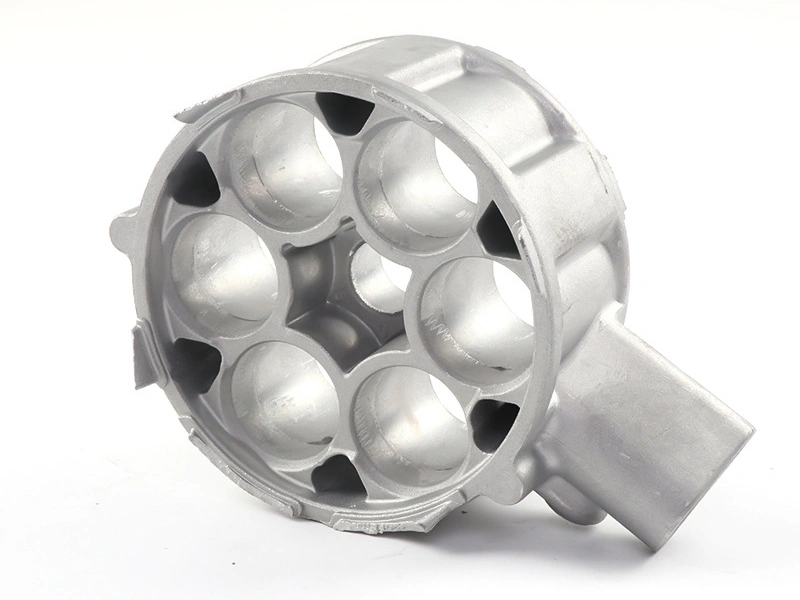
Suppliers should coordinate tooling, machining and finishing in aluminum diecasting with machining and finishing by reviewing machining allowance, fixture positioning, cosmetic surfaces, parting lines, ejector pin marks, coating areas, masking requirements and inspection standards before mold design is finalized.
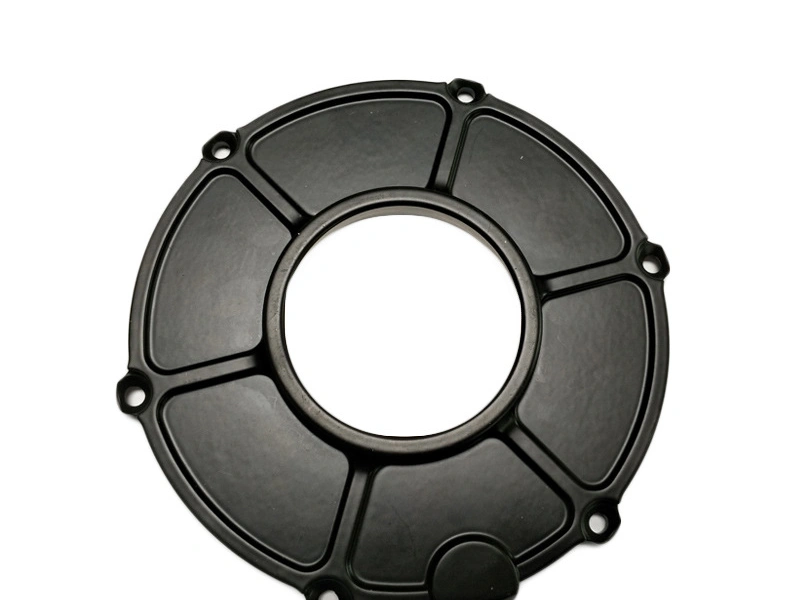
This FAQ is useful for buyers whose parts involve multiple processes, such as diecasting the housing, CNC machining holes and sealing faces, polishing visible areas, powder coating for surface protection, inspecting assembly features and packaging finished surfaces.
1. Coordinate Tooling Layout With Final Part Requirements
Tooling Area | Supplier Should Coordinate | Risk if Ignored |
|---|---|---|
Gate and runner design | Filling direction, flow marks, trimming areas and cosmetic surfaces | Appearance defects and unstable filling |
Parting line position | Visible surfaces, sealing faces, deburring areas and coating results | Cosmetic rejection and extra finishing work |
Ejector pin position | Cosmetic surfaces, datum surfaces and fixture positioning | Visible marks and CNC locating problems |
Machining allowance | Stock for holes, threads, sealing faces, flatness areas and datums | Rejected machined surfaces |
2. Coordinate CNC Machining With Casting and Tooling
The tooling team and CNC machining team should review the part together before tool and die making. Many finished part problems come from weak coordination between mold layout, fixture positioning and machining requirements.
Machining Area | What Should Be Coordinated | Buyer Benefit |
|---|---|---|
Fixture positioning | Datum surfaces, clamping areas and repeatable locating references | Improves batch dimensional stability |
Threaded holes | Thread size, depth, burr removal and gauge inspection | Reduces fastening failure |
Sealing faces | Flatness, roughness, porosity risk and machining sequence | Reduces leakage and functional rejection |
Burr removal | Burr control after casting, trimming and CNC machining | Improves assembly and handling quality |
3. Coordinate Finishing, Masking and Inspection
Surface finishing should not be planned after the casting and machining are already finished. Coating areas, masking areas, cosmetic surfaces and inspection criteria should be defined early with CNC machining after aluminum diecasting and final assembly requirements.
Finishing Area | Supplier Should Confirm | Risk Reduced |
|---|---|---|
Coating areas | Which surfaces need painting, powder coating, polishing or protection | Missed finishing requirements |
Masking areas | Threads, holes, sealing faces, datum surfaces and contact areas | Coating covering functional features |
Cosmetic inspection | Allowed defects, inspection distance, lighting and visible surfaces | Subjective appearance disputes |
Final inspection | Dimensional checks, machined features, surface quality and packaging | Unclear acceptance standards |
4. Compare Cross-Process Workflow Across Materials
A custom metal casting workflow can also support zinc die casting surface finish planning and copper die casting machined parts when buyers need different material functions or product families.
5. Summary
Coordination Area | Main Purpose |
|---|---|
Tooling layout, gate, runner and ejector planning | Reduce casting defects and visible tooling marks |
Machining allowance, datums and fixture positioning | Improve CNC machining and dimensional repeatability |
Sealing faces, threads and burr control | Protect assembly and functional reliability |
Coating, masking and inspection standards | Reduce finishing conflicts and quality disputes |
In summary, suppliers should coordinate tooling, machining and finishing in aluminum diecasting before mold design is finalized. Cross-process coordination helps reduce machining allowance problems, fixture issues, surface defects, coating conflicts and batch rework.