How Do Aluminum Die Casting Services Handle DFM and Tooling?
How Do Aluminum Die Casting Services Handle DFM and Tooling?
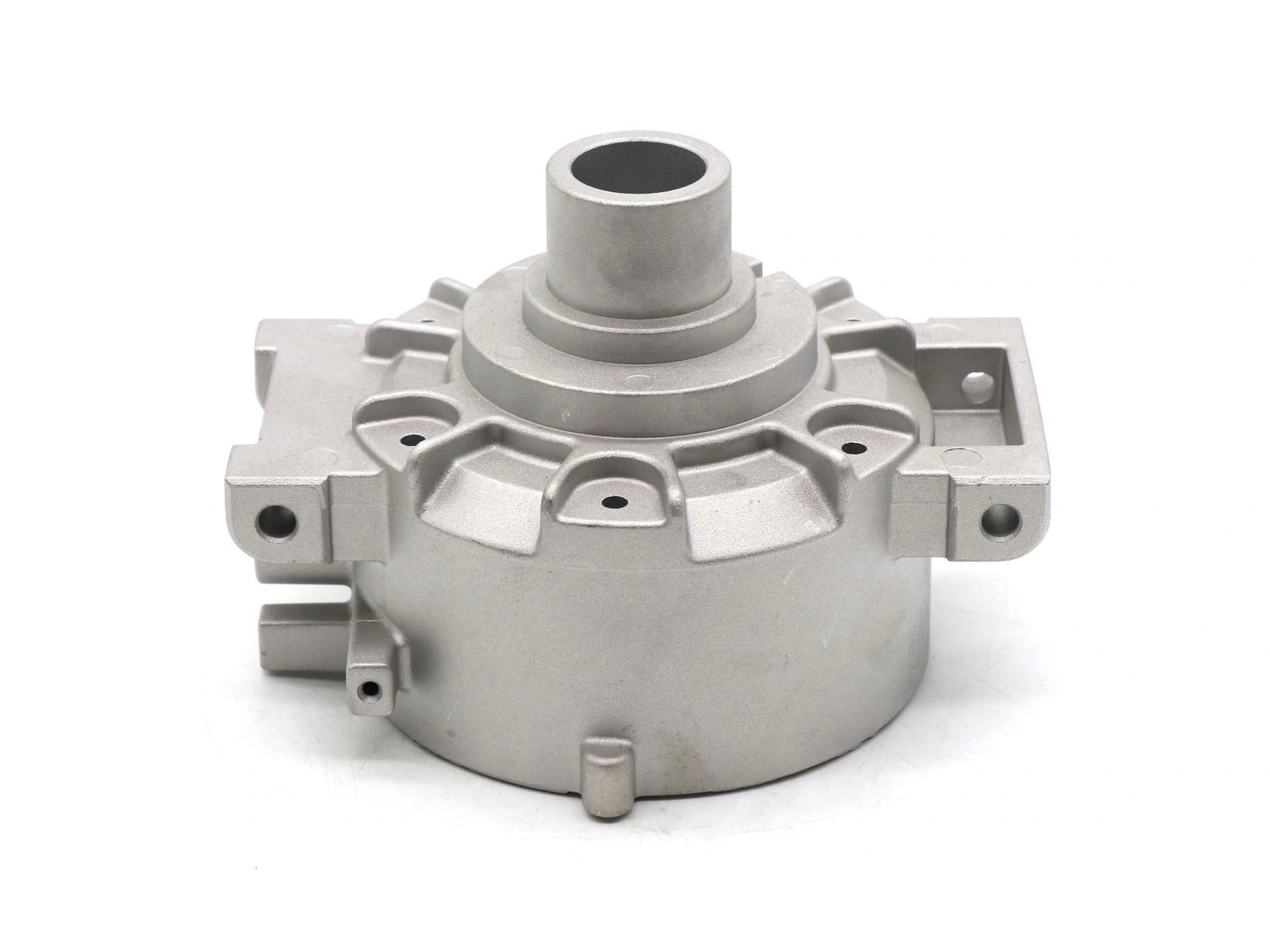
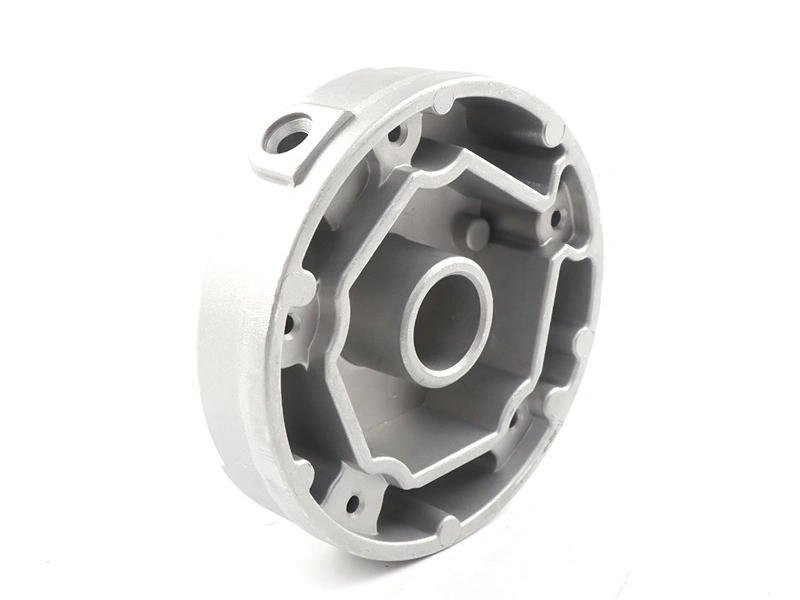
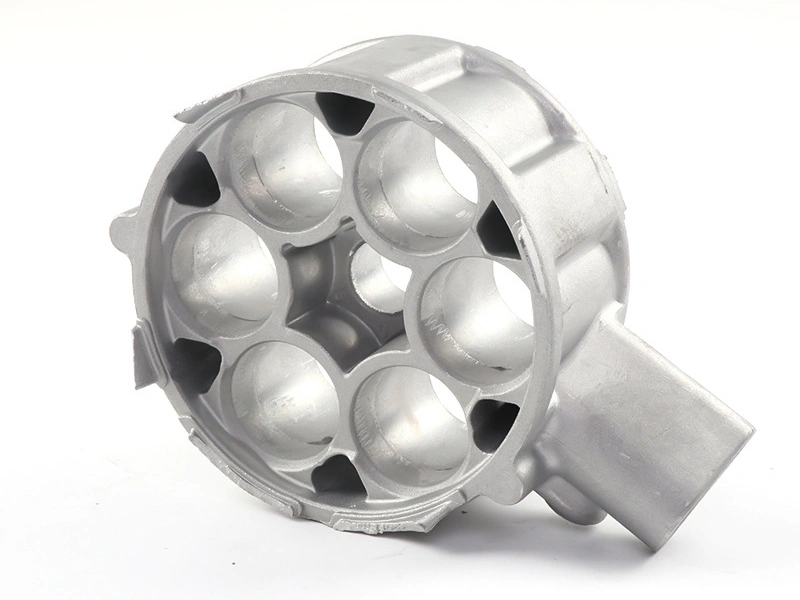
Aluminum die casting services should handle DFM and tooling by reviewing wall thickness, draft, radius, undercuts, ribs, bosses, gate location, venting, runner balance, cooling, slider needs, ejector marks, parting line, machining allowance and cosmetic surfaces before the die is built. This review helps buyers avoid expensive tooling corrections after first samples.
DFM should be specific to the drawing. A useful review identifies which features can be cast, which features need CNC machining and which features create tooling or quality risk. For example, a deep side hole may need machining or a slider. A visible cover face may need the parting line moved. A gasket face may need extra machining allowance.
Tooling is where many aluminum die casting service projects succeed or fail. A good die supports stable filling, proper venting, consistent dimensions and reasonable surface appearance. A weak die can create porosity, flash, warpage and repeated sample correction.
For DFM and tooling review, buyers can use design review support before tooling and ways to improve aluminum die cast part design before mold making.
DFM Review Table
DFM Item | What the Supplier Should Check | Buyer Risk Controlled |
|---|---|---|
Wall thickness | Uniformity, thin sections and thick hot spots | Short shots, shrinkage and warpage |
Draft and radius | Ejection direction and sharp corners | Sticking, drag marks and cracking |
Undercuts | Slider, insert or machining requirement | Unexpected tooling cost |
Cosmetic surfaces | Gate, ejector and parting line location | Visible marks and finishing disputes |
Machining allowance | Stock for holes, faces and datums | Insufficient cleanup after CNC |
Tooling Details Buyers Should Ask About
Buyers should ask how the die will fill the part, where the gate and runner are located, how trapped gas will escape, whether cooling is needed near thick sections and where ejector pins will touch the part. These details are not academic. They influence porosity, surface marks and production repeatability.
If the part has undercuts, side holes or complex mounting features, the buyer should ask whether sliders or secondary machining are required. If the part has visible surfaces, ejector and gate marks should be planned away from those areas where possible.
Sample Correction After First Trial
First trial samples often reveal issues that cannot be fully predicted. The service provider should inspect samples, identify root causes and propose corrections. Corrections may involve die polishing, vent changes, gate adjustment, local geometry changes, machining allowance changes or process parameter adjustment.
The quote should state how trial corrections are handled. If correction scope is unclear, the buyer may face extra cost or schedule delay after the first sample.
Tooling Approval Evidence
Tooling approval should be based on evidence from first samples. Buyers should review fill quality, flash, parting line location, ejector marks, critical dimensions, machining stock and surface finish risk. If the part needs coating, the sample should be finished before final appearance approval. If the part needs machining, the tool should be approved after machined samples confirm stock and datum stability.
The supplier should record tool corrections. A note such as "tool adjusted" is not enough for future production. Useful records describe what was changed, why it was changed and whether the next sample confirmed the correction. These records help prevent repeated arguments when production begins.
DFM Red Flags
DFM red flags include no comments on thin walls, no discussion of draft, no plan for undercuts, no cosmetic surface review and no machining allowance for critical faces. If the supplier approves every drawing without questions, the buyer should be careful. Complex aluminum die cast parts usually need at least some manufacturing review.
Buyers should ask for DFM feedback before approving tooling. Even a short but specific action list can prevent costly die changes.
Neway DFM and Tooling Support
Neway can connect DFM review with aluminum die casting tooling, casting trials and finished part requirements. For buyers sourcing aluminum die casting services, this helps make tooling decisions before money is locked into the die.
A strong DFM and tooling review should end with clear actions: keep as drawn, revise geometry, machine a feature, change surface requirement or adjust tooling plan. Buyers should ask for that action list before approving tool build.
The approved action list should travel with the project into sampling and production. It becomes the reference for checking whether the tooling plan actually solved the design risks.
Short DFM Example
A buyer submitted an aluminum cover with a thin rib, two side holes and a cosmetic front face. DFM review identified that the side holes should be machined, the rib needed radius improvement and the ejector marks should stay away from the front face. These changes were small, but they prevented tooling rework and appearance rejection after the first samples.
This is the kind of feedback buyers should expect before tool build. It connects drawing details with tooling and finished-part quality.
The supplier should also state whether each change is required for manufacturability, cost reduction or cosmetic improvement.
That reason helps buyers approve changes faster.