How Do Aluminum Die Casting Services Support Design Review Before Tooling?
How Do Aluminum Die Casting Services Support Design Review Before Tooling?
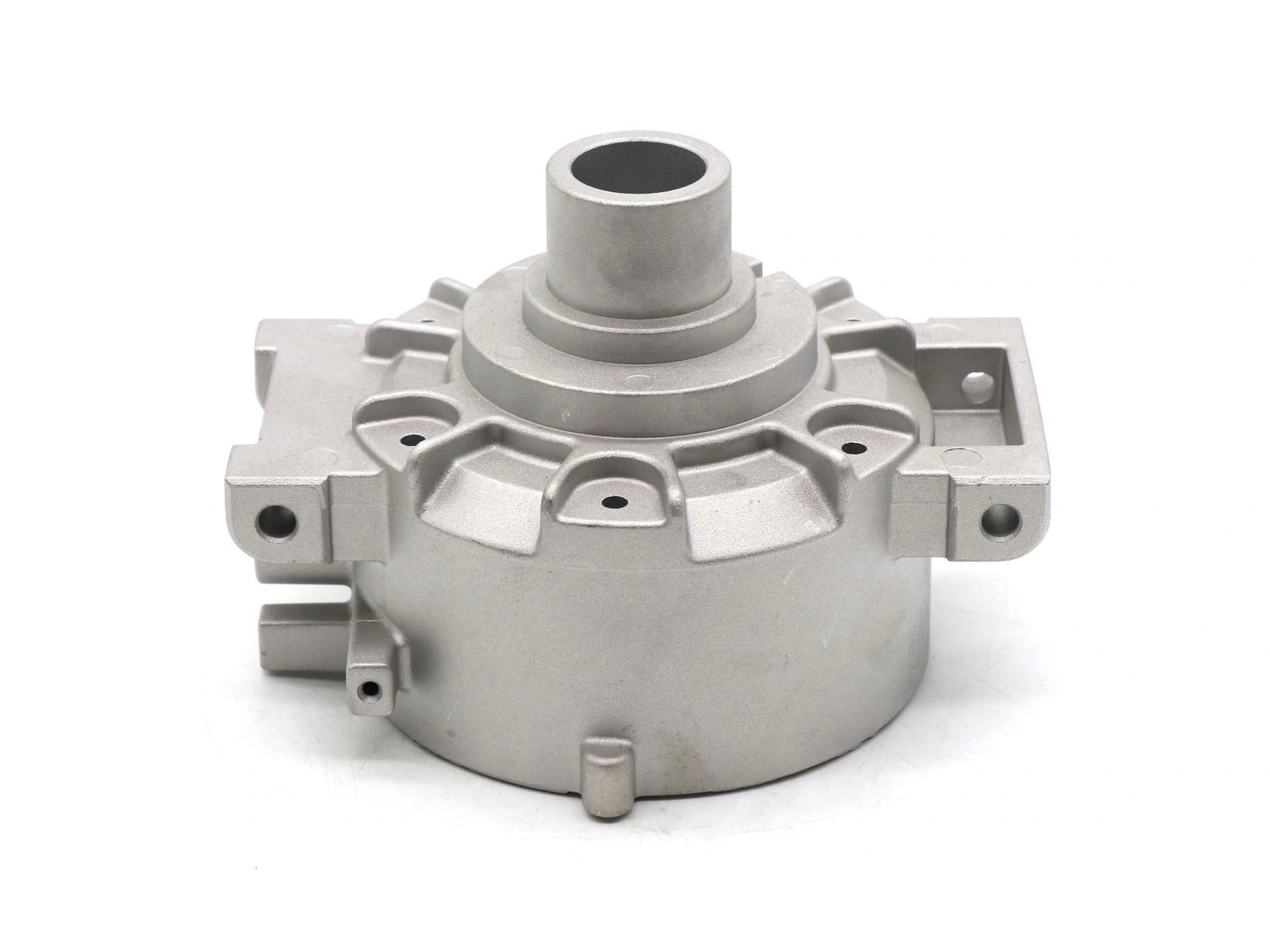
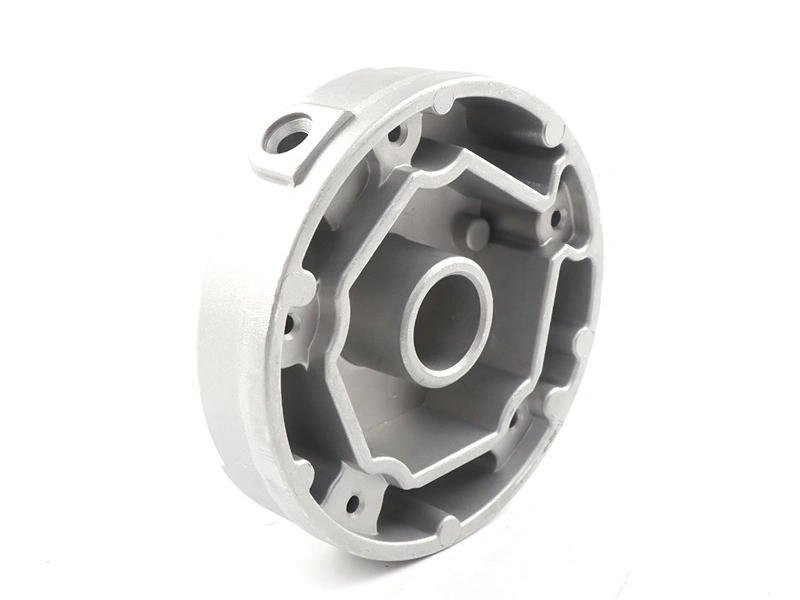
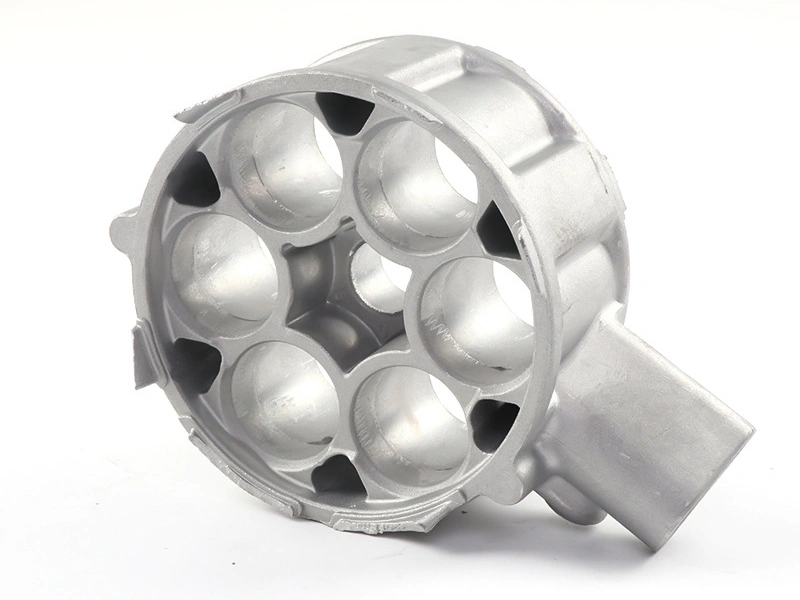
Aluminum die casting services should support design review before tooling by checking whether the part structure is suitable for die casting, whether wall thickness is balanced, whether functional areas need CNC machining, and whether cosmetic surfaces can meet the required appearance standard.
This is important for buyers who already have a 2D drawing and 3D model but have not started tooling. A drawing may look complete, but an aluminum die casting project still needs DFM review, material evaluation, machining allowance planning and surface finishing review before the mold is made.
1. Projects That Need Design Review Before Tooling
Project Type | Why Design Review Matters | Buyer Risk if Ignored |
|---|---|---|
Aluminum housings | Need balanced wall thickness, mounting features and stable appearance surfaces | Warpage, assembly problems and cosmetic rejection |
Lighting housings | Often require heat dissipation ribs, visible surfaces and coating control | Short filling, coating defects and unstable appearance |
Electronic enclosures | Need threaded holes, sealing areas, cosmetic surfaces and assembly fit | Machining rework and enclosure assembly failure |
Motor covers and pump bodies | Need flatness, sealing faces, critical holes and dimensional stability | Leakage, fit issues and batch rejection |
Custom aluminum die cast parts | Need project-specific review of structure, tooling, machining and finishing | Tooling modification and production delay |
2. What the Supplier Should Review
A supplier should review the full part design before tool and die making for aluminum die casting. The review should include casting feasibility, mold release, machining requirements and surface appearance risk.
Review Item | What It Checks | Risk Reduced |
|---|---|---|
Wall thickness | Whether thick and thin areas are balanced for stable filling and cooling | Shrinkage, porosity and warpage |
Ribs and bosses | Whether ribs support strength and bosses avoid local thick sections | Sink marks, weak features and local defects |
Draft angle and corner radius | Whether the part can release from the mold without damage | Drag marks, ejection damage and tooling correction |
Parting line and ejector marks | Whether tooling marks will affect visible surfaces or functional areas | Cosmetic rejection and polishing rework |
Machined features | Whether threaded holes, sealing faces and datums need CNC machining after aluminum die casting | Machining allowance shortage and fixture problems |
3. Design Review Should Connect Casting, Machining and Finishing
A useful design review should not only check whether the part can be cast. It should also check whether the cast part can be machined, finished, inspected and assembled reliably.
Process Connection | What Should Be Confirmed | Buyer Benefit |
|---|---|---|
Die casting plus machining | Datum surfaces, machining allowance, holes, threads and sealing faces | Reduces CNC rework and inspection disputes |
Die casting plus surface finishing | Cosmetic surfaces, coating areas, painting effect and masking requirements | Reduces appearance rejection and coating problems |
Die casting plus assembly | Critical dimensions, mating parts, fastening points and functional interfaces | Improves production approval and assembly stability |
4. Compare Related Project Support When Needed
Some buyers may need to compare aluminum with zinc die casting project support for smaller precision parts or copper die casting project support for conductive or functional parts. A custom metal casting service review helps confirm the right process route before tooling.
5. Summary
Design Review Focus | Main Purpose |
|---|---|
Wall thickness, ribs, bosses and draft angle | Reduce casting defects and mold modification risk |
Parting line, ejector marks and cosmetic surfaces | Protect appearance surfaces before tooling layout is fixed |
Threaded holes, sealing faces and machined areas | Reserve machining allowance and reduce CNC rework |
Coating, painting and assembly dimensions | Reduce finishing disputes and fit problems |
In summary, aluminum die casting services should support design review before tooling by connecting casting, tooling, CNC machining, surface finishing and inspection requirements. Buyers should choose suppliers that provide DFM feedback before mold making, not suppliers that only quote from drawings without reviewing production risk.