How Can Buyers Improve Aluminum Die Cast Part Design Before Mold Making?
How Can Buyers Improve Aluminum Die Cast Part Design Before Mold Making?
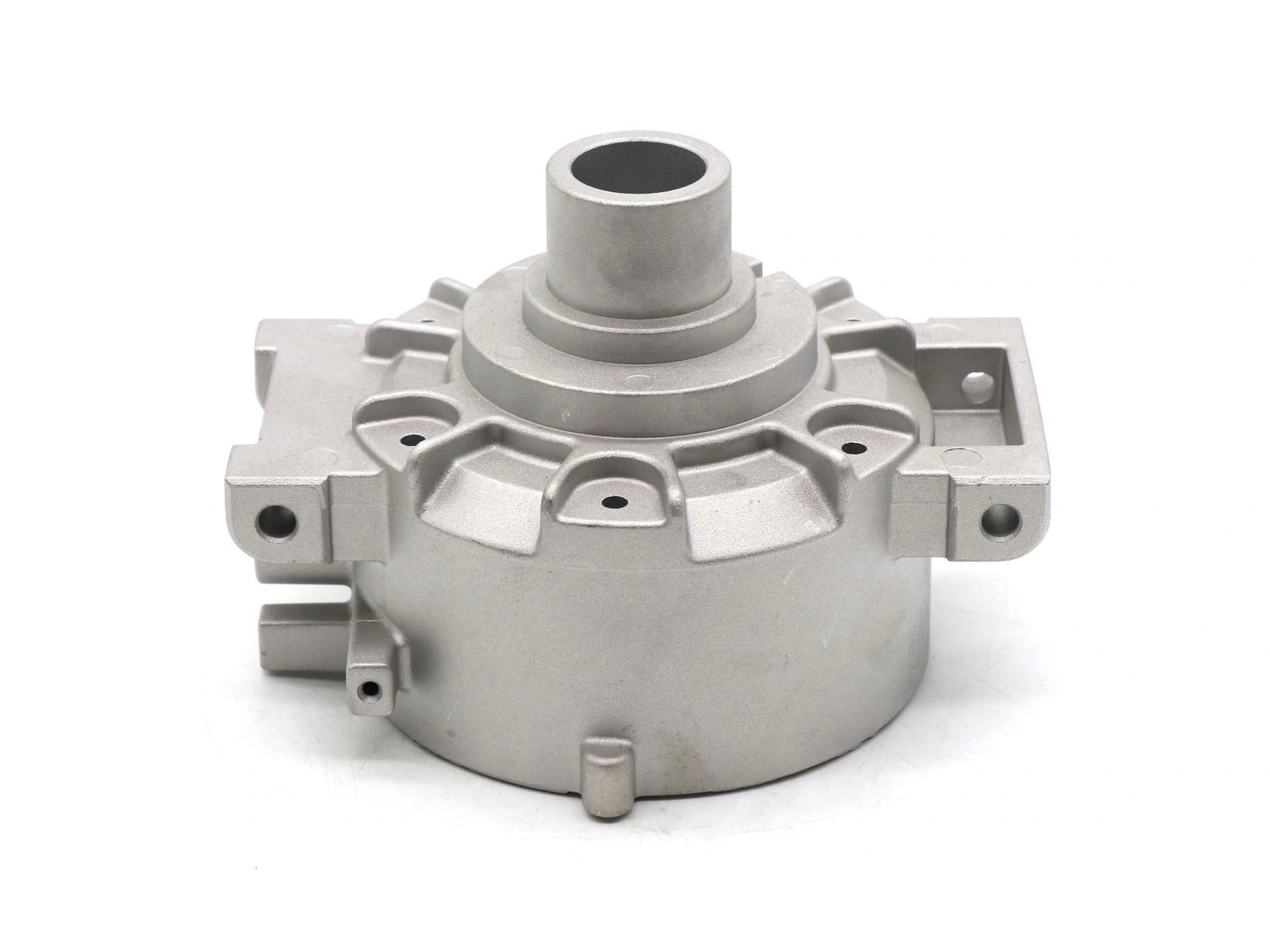
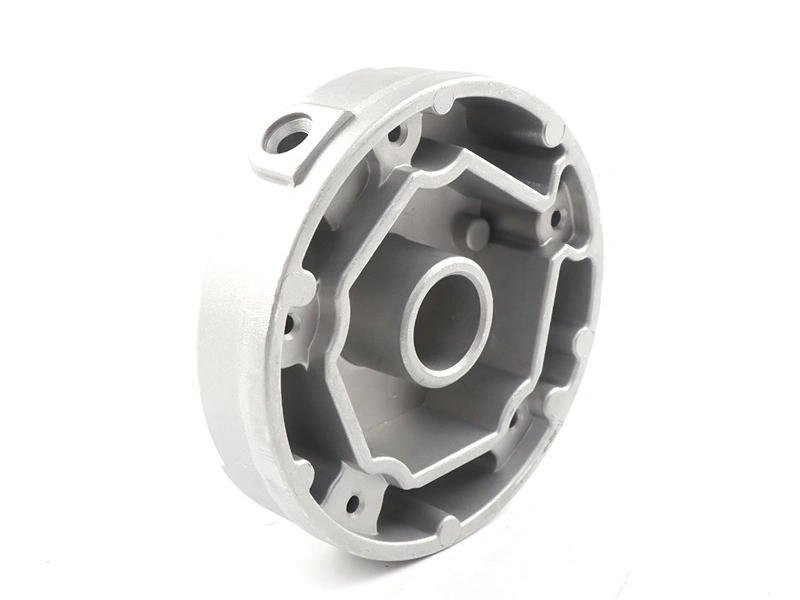
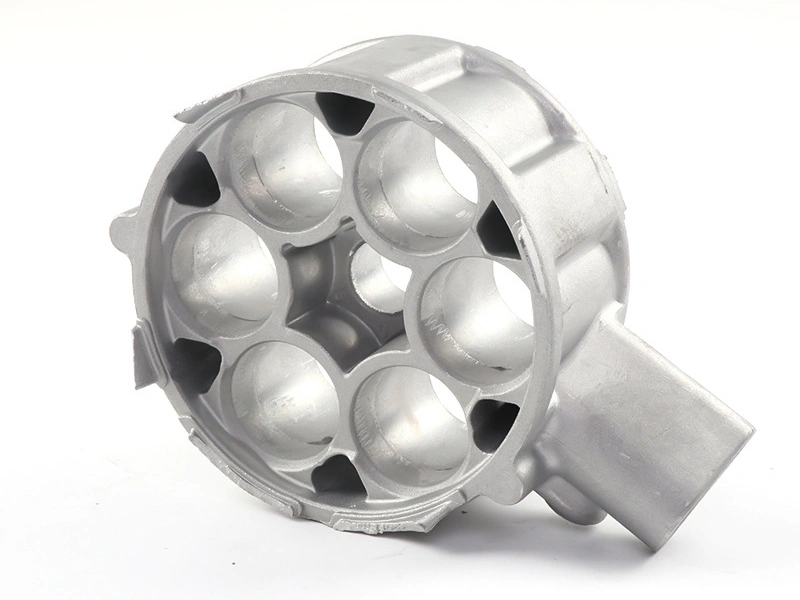
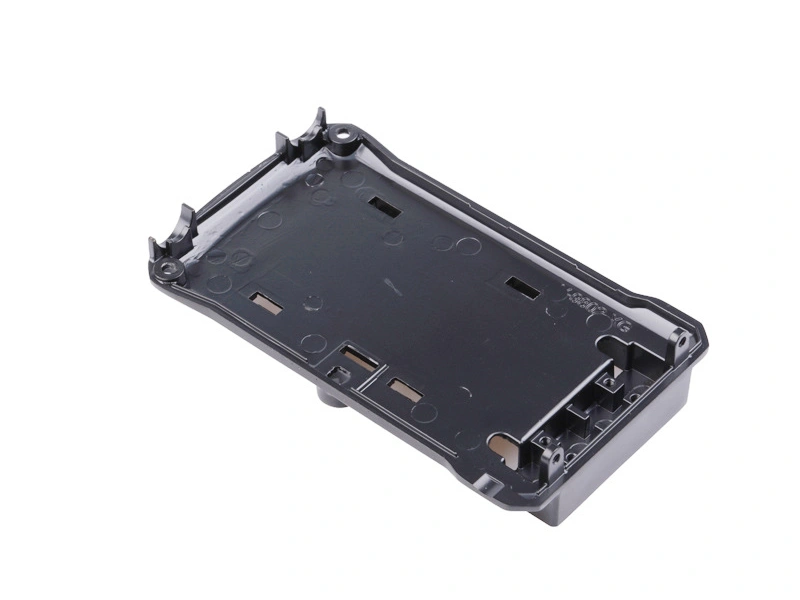
Buyers can improve aluminum die cast part design before mold making by reviewing wall thickness, draft angle, rib design, boss design, corner radius, gate location, parting line, ejector pin position, machining allowance, cosmetic surface marking, tolerance stack-up and assembly fit. These design details should be optimized before the mold is manufactured.
The earlier custom aluminum die cast parts are optimized, the lower the risk of mold modification, trial sample failure, CNC machining difficulty, surface finishing defects and batch production instability. Buyers should complete DFM review for aluminum die casting before starting mold making.
1. Key Design Areas to Review Before Mold Making
Design Area | Why It Matters | Risk if Ignored |
|---|---|---|
Wall thickness | Affects filling, shrinkage, porosity and deformation | Trial defects, shrinkage, warpage and high scrap rate |
Draft angle | Helps the part release from the die casting mold | Ejection damage, surface drag marks and mold wear |
Rib design | Improves stiffness without excessive material thickness | Sink marks, weak areas or unnecessary weight |
Boss design | Supports screws, assembly points and local strength | Cracking, sink marks or fastening failure |
Corner radius | Improves metal flow and reduces stress concentration | Poor filling, weak corners and cracking risk |
2. How Mold Design Discussions Reduce Risk
Tool and die making should be discussed before finalizing aluminum die cast part design. Gate location, parting line, cooling, venting and ejector pin positions can affect appearance, strength, machining and production stability.
Mold Design Discussion | Why It Matters | Buyer Should Confirm |
|---|---|---|
Gate location discussion | Controls filling direction and gate mark location | Cosmetic surfaces and trimming areas |
Parting line planning | Affects flash, polishing, coating and visual quality | Visible surfaces and assembly contact areas |
Ejector pin position | May leave marks on the casting surface | Acceptable ejector mark locations |
Venting and cooling | Affect porosity, shrinkage, deformation and cycle time | Thick areas, thin walls and functional surfaces |
3. Why CNC Machining Allowance Should Be Planned Early
Many aluminum die cast parts need CNC machining allowance for holes, threads, sealing faces, mounting faces and datum surfaces. If machining allowance is not planned before mold making, machined features may fail to clean up or may require costly mold modification.
Machining Planning Area | Why It Matters | Buyer Benefit |
|---|---|---|
Machined hole locations | Need enough stock and stable position after casting | Improves assembly accuracy |
Sealing faces | Need controlled flatness and surface roughness | Reduces leakage risk |
Datum surfaces | Support fixture setup and inspection repeatability | Improves batch consistency |
Tolerance stack-up | Shows how casting and machining tolerances affect assembly | Reduces fit problems and inspection disputes |
4. How Cosmetic Surface Marking Helps
Cosmetic surface marking is important for aluminum die casting mold design. Visible surfaces should be confirmed before tooling so the supplier can plan gate marks, parting lines, ejector marks, polishing, coating and final appearance inspection.
Surface Planning Item | Why It Matters | Risk if Unclear |
|---|---|---|
Cosmetic surface marking | Shows which surfaces need high visual quality | Gate marks or ejector marks may appear in visible areas |
Functional surface marking | Shows surfaces that affect fit, sealing or contact | Machining, coating or inspection requirements may be missed |
Acceptable defect standard | Defines limits for flow marks, pores, scratches and flash | Sample disputes and batch rejection |
Surface finishing plan | Connects tooling design with polishing, coating or painting | Unexpected finishing cost or appearance problems |
5. Material-Specific Design Review
Although this FAQ focuses on aluminum, buyers may compare other die casting material routes. Custom metal casting design review helps compare aluminum, zinc and copper alloy solutions. Zinc die casting design review may focus more on small details and cosmetic surfaces. A copper alloy die casting project may require more attention to functional surfaces, tool wear and machining cost.
6. Summary
Before Mold Making, Buyers Should Improve | Main Purpose |
|---|---|
Wall thickness, ribs and bosses | Improve filling, strength and dimensional stability |
Draft angle and corner radius | Reduce ejection damage and improve metal flow |
Gate, parting line and ejector planning | Reduce appearance problems and mold modification |
CNC machining allowance | Ensure enough stock for functional machined areas |
Cosmetic surfaces and tolerance stack-up | Reduce surface disputes, fit problems and inspection issues |
In summary, buyers can improve aluminum die cast part design before mold making by optimizing wall thickness, draft angle, ribs, bosses, radius, gate location, parting line, ejector pin position, machining allowance, cosmetic surfaces, tolerance stack-up and assembly fit. Early DFM review helps reduce mold modification, trial failure, CNC machining difficulty, surface defects and batch instability.