How Zinc Alloy Die Casting Helps Buyers Make Precision Custom Parts
How Zinc Alloy Die Casting Helps Buyers Make Precision Custom Parts
Zinc alloy die casting helps buyers produce small, complex, dimensionally stable and appearance-sensitive custom metal parts. It is widely used for hardware parts, decorative parts, connectors, brackets, consumer product components, automotive small parts and industrial accessories.
For buyers, zinc alloy die casting is not only a material or process choice. It affects tooling design, dimensional stability, surface finish, CNC machining needs, coating quality, inspection standards, unit cost and long-term batch consistency. A successful zinc alloy die casting project should connect material selection, part design, tooling, post machining, surface treatment and production planning from the RFQ stage.
Compared with aluminum alloy and copper alloy options, zinc alloy is often selected when the part is small, detailed, precise and appearance-sensitive. It can support complex structures and good surface quality while still allowing local CNC machining where tighter tolerances are needed.
What Is Zinc Alloy Die Casting?
Zinc alloy die casting is a manufacturing process that uses zinc alloy material and a die casting mold to produce complex metal parts. The molten zinc alloy is injected into the mold cavity, where it forms the required part geometry with good repeatability and dimensional stability.
This process is commonly used for small precision parts, hardware parts, decorative parts, appearance parts, connectors, brackets, consumer product parts, automotive small parts and industrial accessories. Its core advantages are stable dimensions, complex structure capability, good surface quality and suitability for medium to high-volume production.
For buyers sourcing zinc alloy casting parts, zinc alloy die casting should be evaluated as a complete project, not only a casting process. The final result depends on material selection, mold quality, CNC machining areas, surface finish requirements and inspection standards.
Zinc Alloy Die Casting Feature | What It Means for Buyers | Typical Buyer Value |
|---|---|---|
Dimensional stability | Parts can maintain repeatable dimensions across production batches | Improves fit, assembly and inspection consistency |
Complex structure capability | Small features, ribs, bosses and detailed shapes can be formed efficiently | Reduces machining and assembly burden |
Good surface quality | Zinc alloy parts can support decorative and protective finishes | Useful for visible and appearance-sensitive parts |
Production repeatability | Tooling supports stable output after approval | Helps control long-term unit cost |
Secondary process compatibility | Parts can be machined, polished, plated, painted or coated | Supports finished custom zinc die cast parts |
Why Buyers Choose Zinc Alloy Die Casting
Buyers choose zinc alloy die casting because it is suitable for small complex structures, fine details, stable dimensions and good surface quality. It can form compact metal parts that may be expensive or inefficient to machine completely from solid material.
Zinc alloy die casting is valuable when the part needs decorative quality, tight repeatability, assembly accuracy or medium to high-volume production. It is especially useful for hardware, consumer products, small automotive parts, connectors, brackets, trim parts and appearance components.
After casting, local CNC machining after zinc die casting can be used for holes, threads, locating faces, sealing faces and high-tolerance areas. This allows buyers to combine die casting efficiency with precision where the part actually needs it.
Buyer Requirement | Why Zinc Alloy Die Casting Helps | Commercial Benefit |
|---|---|---|
Small complex structures | Zinc alloy can form detailed features and compact geometries | Reduces machining and assembly steps |
Fine detail features | The process supports small ribs, bosses, holes and decorative details | Useful for precision zinc die casting projects |
Dimensional stability | Repeatable casting helps maintain consistent dimensions | Improves assembly and batch quality |
Good surface quality | Zinc alloy surfaces can support plating, painting and coating | Improves final appearance and product value |
Medium to high-volume production | Tooling cost can be spread across repeat production | Improves long-term cost efficiency |
Critical assembly features | Local CNC machining can finish functional areas | Improves fit without machining the whole part |
Common Applications of Zinc Alloy Die Cast Parts
Zinc alloy die cast parts are commonly used when buyers need small, strong, detailed and appearance-friendly metal components. Many of these parts are visible, assembled, touched or used in repeated production, so both dimensional quality and surface quality matter.
Application Type | Why Zinc Alloy Fits | Buyer Concern |
|---|---|---|
Hardware parts | Good strength and surface quality | Durability and appearance |
Decorative parts | Suitable for plating and coating | Stable cosmetic finish |
Connectors | Dimensional stability | Fit and assembly |
Small brackets | Strength and repeatability | Batch consistency |
Consumer product parts | Complex shapes and good finish | Product appearance |
Automotive small parts | Precision and stable production | Long-term reliability |
Industrial accessories | Cost and performance balance | Functional stability |
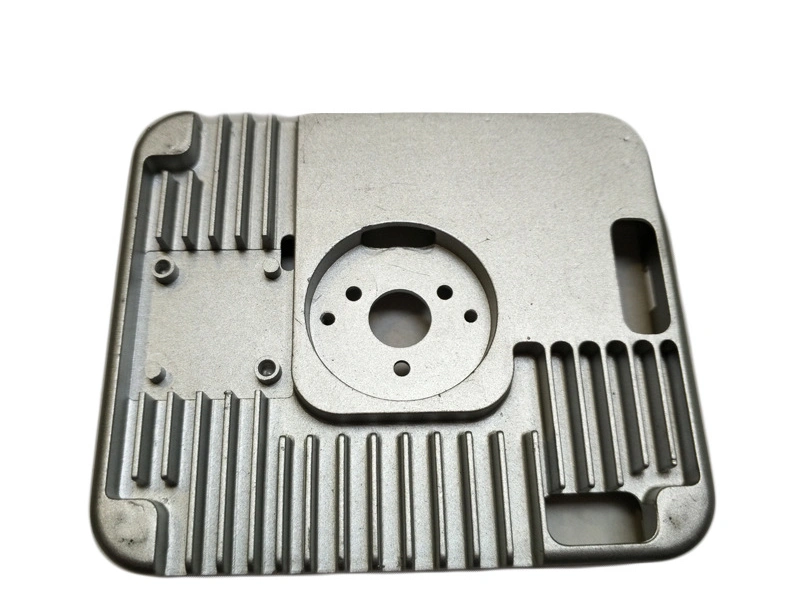
Zinc Alloy Die Casting vs Zamak Casting
Zamak casting and zinc alloy die casting are closely related. Zamak is one common zinc alloy material system used in zinc alloy die casting. When buyers search for Zamak casting, they are often looking for a specific zinc alloy casting solution. When buyers search for zinc alloy die casting, they may be comparing a broader range of zinc alloy options and production requirements.
Both Zamak casting and zinc alloy die casting are suitable for small, complex, dimensionally stable and surface-sensitive parts. They are commonly used for hardware, decorative parts, consumer products, connectors and small industrial components.
The final choice should depend on material grade, strength requirement, appearance requirement, cost target and production volume. Buyers should not choose only by material name. They should let the supplier review the part geometry, tolerance, surface finish, tooling plan and batch demand before confirming the material.
Comparison Point | Zamak Casting | Zinc Alloy Die Casting |
|---|---|---|
Meaning | Usually refers to casting with Zamak zinc alloy materials | A broader zinc alloy die casting category |
Suitable parts | Small precision parts, hardware and decorative parts | Small complex zinc alloy parts with different material options |
Main buyer focus | Material grade, appearance and precision | Material selection, tooling, cost and production stability |
Decision basis | Choose when a specific Zamak material fits the part | Choose when comparing broader zinc alloy manufacturing options |
Zinc Alloy Die Casting vs Aluminum Die Casting
Zinc alloy die casting and aluminum die casting serve different buyer needs. Zinc alloy die casting is usually better for small, complex, high-detail and surface-sensitive parts. Aluminum die casting is usually better for lightweight die cast parts, heat dissipation parts and larger structural components.
Zinc alloy usually offers good surface quality and is suitable for decorative parts, hardware, connectors and small precision components. Aluminum is better when the part must reduce weight, transfer heat or support larger structural geometry.
Both processes may require die casting tooling, CNC machining and surface treatment. Buyers should compare part size, weight target, strength, appearance, use environment, tolerance and total cost before selecting the process.
Comparison Point | Zinc Alloy Die Casting | Aluminum Die Casting |
|---|---|---|
Best part size | Small to medium precision parts | Medium to larger structural parts |
Detail capability | Very suitable for fine details and compact features | Suitable for larger ribs, housings and structural features |
Weight | Heavier than aluminum | Better for lightweight parts |
Surface quality | Good for decorative and appearance-sensitive parts | Good, but surface finish depends on alloy and casting quality |
Typical applications | Hardware, connectors, handles, decorative parts and small components | Housings, heat sinks, brackets, covers and lightweight structures |
Zinc Alloy Die Casting vs Copper Alloy Die Casting
Zinc alloy die casting and copper alloy die casting are used for different types of projects. Copper alloy die casting is usually selected for conductive die cast parts, heat transfer parts, wear-resistant parts and higher-function industrial components.
Zinc alloy die casting is usually selected when the buyer needs small precision parts, appearance parts, decorative components and cost-controlled repeat production. Copper alloy normally has higher material cost and may require more careful tooling, machining and inspection control.
If the main requirement is conductivity, heat transfer or demanding wear resistance, copper alloy may be better. If the main requirement is precision, decorative quality, dimensional stability and cost control for small parts, zinc alloy is often more practical.
Comparison Point | Zinc Alloy Die Casting | Copper Alloy Die Casting |
|---|---|---|
Main value | Precision, appearance and cost control | Conductivity, heat transfer and wear resistance |
Typical parts | Hardware, decorative parts, brackets, housings and connectors | Conductive components, thermal parts and functional industrial parts |
Cost direction | Usually better for cost-controlled small precision parts | Usually higher material and post-machining cost |
Best buyer priority | Stable dimensions, surface finish and repeatability | Functional performance in demanding applications |
How Tooling Affects Zinc Alloy Die Casting Quality
Tooling has a direct effect on zinc alloy die casting quality. The mold controls metal flow, dimensional stability, surface appearance, parting lines, ejector marks, flash, burrs and repeatability. Good tooling can reduce rework, scrap and batch instability.
Gate design affects metal flow and surface appearance. Venting design affects porosity risk. Parting line position affects visible surfaces. Ejector pin position affects cosmetic surfaces and assembly faces. Mold accuracy also affects later CNC machining allowance and final tolerance control.
Before starting tooling for zinc alloy die casting, buyers should confirm material, wall thickness, cosmetic surfaces, functional surfaces, critical dimensions, machining areas and production quantity. This helps reduce trial mold changes and unstable production.
Tooling Factor | How It Affects Zinc Alloy Die Casting | Buyer Risk if Ignored |
|---|---|---|
Gate design | Affects metal flow, filling balance and visible surface marks | Flow marks, cold shuts or poor appearance |
Venting design | Helps trapped gas escape during casting | Porosity and internal defects |
Parting line position | Affects flash, burrs and cosmetic surface quality | Visible lines and extra finishing work |
Ejector pin position | Affects part release and surface marks | Ejector marks on cosmetic or assembly faces |
Mold precision | Affects dimensional stability and machining allowance | Poor fit or insufficient stock for post machining |
Tooling maintenance | Affects repeatability during batch production | Unstable quality and higher long-term cost |
When Does Zinc Alloy Die Casting Need CNC Machining?
Not every zinc alloy die cast part needs CNC machining. Zinc alloy die casting can produce many small and detailed features directly from the mold. However, some functional areas still require tighter control than casting alone can provide.
Common CNC machined areas include precision holes, threaded holes, assembly faces, positioning faces, sealing faces, high-tolerance fit areas and key surfaces for later assembly. Buyers should mark critical dimensions, machining areas and tolerance requirements before quotation.
CNC machining after zinc die casting should be planned early because it affects machining allowance, fixture design, inspection cost and final unit price. If machining requirements are added late, the tooling or quotation may need to be revised.
Machined Area | Why It May Need CNC Machining | Buyer Benefit |
|---|---|---|
Precision holes | Hole size and position may need tighter control | Improves assembly accuracy |
Threaded holes | Threads require controlled depth and alignment | Improves fastening reliability |
Assembly faces | Mating surfaces may need controlled flatness or location | Improves fit with other components |
Positioning faces | Datum areas control repeatable placement | Improves installation consistency |
Sealing faces | Surface finish and flatness affect sealing performance | Reduces leakage or contact failure risk |
High-tolerance fit areas | Casting tolerance may not meet final fit requirements | Improves functional reliability |
Assembly key surfaces | Some contact surfaces must fit accurately after coating or assembly | Reduces rework and assembly failure |
How Surface Finish Affects Zinc Alloy Die Cast Parts
Surface finish is one of the major reasons buyers choose zinc alloy die casting. Zinc alloy die cast parts can support deburring, polishing, painting, plating, powder coating, clear coating and protective coating depending on the product requirement.
The final surface finish depends on original die casting quality, burr control, porosity control, pre-treatment cleanliness and appearance inspection standards. If the casting has heavy burrs, visible parting lines, porosity, shrinkage or surface contamination, plating or coating may still expose problems.
Buyers should define cosmetic surfaces, contact surfaces, coating type, color, plating requirement, acceptable defect standard and inspection level during the RFQ stage. This helps the supplier control both casting and finishing quality before production begins.
Surface Finish Option | Main Purpose | Buyer Concern |
|---|---|---|
Deburring | Remove flash, burrs and sharp edges | Safe handling and better assembly |
Polishing | Improve appearance and surface smoothness | Cosmetic quality |
Painting | Add color and basic protection | Brand appearance and surface consistency |
Plating | Improve decorative finish, wear resistance or functional surface quality | Appearance and durability |
Powder coating | Improve protection and durability | Corrosion resistance and surface life |
Clear coating | Protect the surface while keeping the base look | Decorative and consumer-facing parts |
Protective coating | Improve surface protection for use conditions | Longer service life and reduced surface aging |
What Affects Zinc Alloy Die Casting Cost?
Zinc alloy die casting cost depends on part size, part weight, zinc alloy material selection, tooling complexity, cavity number, annual demand, tolerance requirements, CNC machining areas, plating, painting or coating requirements, appearance inspection standards, scrap rate, rework risk, packaging and delivery requirements.
Buyers should not only compare casting unit price. A low casting price may not reduce total cost if the tooling is unstable, the surface finish fails, the part needs unexpected CNC machining, or the defect rate is high. A better quotation should include casting, tooling, machining, finishing, inspection and production volume assumptions.
Cost Factor | How It Affects Zinc Alloy Die Casting | Buyer Action |
|---|---|---|
Part size and weight | Larger or heavier parts use more material and may require larger tooling | Optimize structure and avoid unnecessary mass |
Zinc alloy material selection | Different zinc alloy options may affect performance and cost | Select material based on actual function |
Tooling complexity | Undercuts, sliders, inserts and fine details increase mold cost | Use DFM review before tooling |
Cavity number | More cavities can improve output but raise tooling investment | Balance tooling cost with annual demand |
Tolerance requirement | Tighter tolerances may require CNC machining and more inspection | Define critical dimensions only where needed |
CNC machining areas | Machining adds setup, fixture, tool and inspection cost | Machine only functional areas that need precision |
Plating, painting or coating | Surface treatment adds process, inspection and rework cost | Mark cosmetic surfaces and finish standards clearly |
Appearance inspection standard | High cosmetic requirements increase inspection and rejection risk | Use samples or reference photos for approval |
Scrap and rework risk | Unstable casting or finishing quality increases total cost | Control tooling, casting and inspection before mass production |
Packaging and delivery | Finished parts may need protection against scratches or coating damage | Confirm packing method before quotation |
What Buyers Should Provide for a Zinc Alloy Die Casting Quote
Buyers should provide complete technical and commercial information before requesting a zinc alloy die casting quote. A 3D model alone is usually not enough because cost depends on material, tooling, tolerance, surface finish, machining, inspection and production volume.
Important information includes 2D drawing, 3D model, zinc alloy material requirement, annual demand, order quantity, tolerance requirement, cosmetic surface marking, surface treatment requirement, plating or coating requirement, CNC machining areas, working environment, assembly requirement, sample or reference part, target cost and delivery schedule.
Buyer Information | Why It Is Needed | What It Helps the Supplier Evaluate |
|---|---|---|
2D drawing | Shows dimensions, tolerances, notes and critical features | Tooling, machining and inspection requirements |
3D model | Shows part geometry, wall thickness and complex structures | Casting feasibility and tooling strategy |
Zinc alloy material requirement | Defines material performance expectations | Material selection and process planning |
Annual demand | Shows expected production volume | Cavity number and tooling investment |
Order quantity | Defines batch size and production planning | Lead time and unit cost |
Tolerance requirement | Shows which dimensions need tight control | CNC machining and inspection cost |
Cosmetic surface marking | Identifies visible and appearance-critical areas | Gate, ejector, parting line and finishing planning |
Surface treatment requirement | Defines plating, painting, coating or polishing needs | Surface process and inspection standard |
Plating or coating requirement | Defines decorative, protective or functional surface needs | Pre-treatment, coating thickness and appearance control |
CNC machining areas | Identifies holes, threads, faces and fit areas | Machining allowance and cost evaluation |
Working environment | Shows indoor, outdoor, automotive, industrial or high-contact conditions | Material and finish selection |
Assembly requirement | Shows how the part fits with other components | Datum, tolerance and machining planning |
Sample or reference part | Shows expected appearance, fit or performance | Cosmetic standard and inspection planning |
Target cost | Clarifies commercial expectations | Material, tooling, machining and finishing balance |
Delivery schedule | Clarifies timing for samples, tooling, production and shipment | Project planning and production schedule |
How to Choose a Zinc Alloy Die Casting Supplier
Choosing a zinc alloy die casting supplier should not be based only on the lowest unit price. Buyers should evaluate whether the supplier understands zinc alloy materials, die casting tooling, CNC machining, surface treatment, cosmetic inspection and batch production stability.
A qualified supplier should review part structure, wall thickness, cosmetic surfaces, critical dimensions, machining areas, plating or coating requirements, assembly requirements and production volume before tooling begins. This helps reduce mold changes, surface defects, machining problems and production instability.
Neway supports zinc alloy die casting projects that require zinc die casting, custom metal casting, zinc die casting mold, CNC machining after zinc die casting, surface finish planning and batch production control. For buyers sourcing custom zinc die cast parts, early project review helps improve quality, cost control and production stability.
Supplier Capability | Why Buyers Should Check It | What It Helps Prevent |
|---|---|---|
Zinc alloy die casting experience | Small zinc alloy parts require stable casting and defect control | Unstable dimensions and surface defects |
Tooling capability | Tooling affects detail, parting lines, ejector marks and repeatability | Mold changes and cosmetic problems |
CNC machining support | Critical features may need post machining after casting | Poor assembly fit and tolerance failure |
Surface finish control | Zinc alloy parts often need plating, coating or decorative finishing | Appearance rejection and rework |
Inspection capability | Precision parts need stable dimensional and cosmetic inspection | Batch quality disputes |
Production consistency | Repeatability is important for medium and high-volume orders | Unstable supply and higher total cost |
FAQ