How Is Zinc Alloy Die Casting Different From Aluminum Die Casting?
How Is Zinc Alloy Die Casting Different From Aluminum Die Casting?
Zinc alloy die casting is generally better for small, complex, high-detail metal parts with stable dimensions and good surface quality. Aluminum die casting is generally better for lightweight parts, heat dissipation structures, larger housings and weight-sensitive structural components.
Buyers should not simply ask whether zinc alloy or aluminum is better. The better choice depends on product function, size, weight target, appearance requirements, use environment, annual demand, tooling strategy, CNC machining needs, surface treatment and total manufacturing cost.
1. Quick Comparison: Zinc Alloy Die Casting vs Aluminum Die Casting
Comparison Area | Zinc Alloy Die Casting | Aluminum Die Casting |
|---|---|---|
Best part size | Small precision parts and detailed components | Medium to larger housings, brackets and structural parts |
Weight | Heavier than aluminum and usually better for smaller parts | Better for lightweight designs and weight-sensitive products |
Surface quality | Good for decorative finishes, plating, painting and coating | Good for functional parts, coatings and structural applications |
Detail reproduction | Strong option for fine details and complex small features | Good for many complex structures, especially larger aluminum parts |
Typical applications | Hardware, decorative parts, connectors, small brackets and consumer parts | Housings, heat sinks, automotive parts, lighting parts and industrial structures |
2. When Zinc Alloy Die Casting Is Better
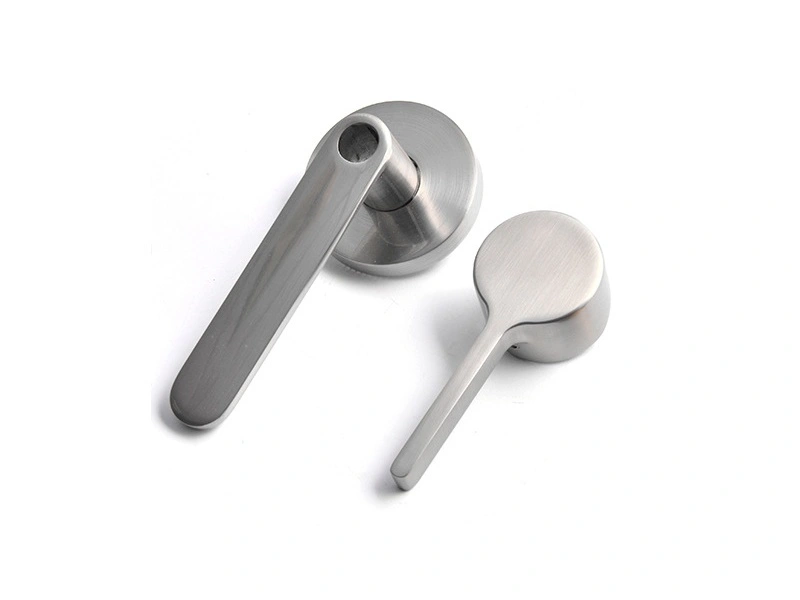
Zinc alloy die casting is usually better when the part is small, complex and appearance-sensitive. It is often used for hardware, locks, handles, decorative parts, connectors, consumer product parts and precision small components that need stable dimensions and surface finishing.
Buyer Requirement | Why Zinc Alloy Fits | Typical Value |
|---|---|---|
Small complex details | Zinc alloy die casting can reproduce fine features efficiently | Reduces secondary processing and supports detailed design |
High dimensional stability | Useful for assembly parts and precision small features | Improves fit and repeatability |
Decorative appearance | Supports plating, painting, coating and polished finishes | Improves visible product quality |
Hardware and consumer parts | Good balance of detail, strength and appearance for small parts | Supports batch production with stable cosmetic standards |
3. When Aluminum Die Casting Is Better
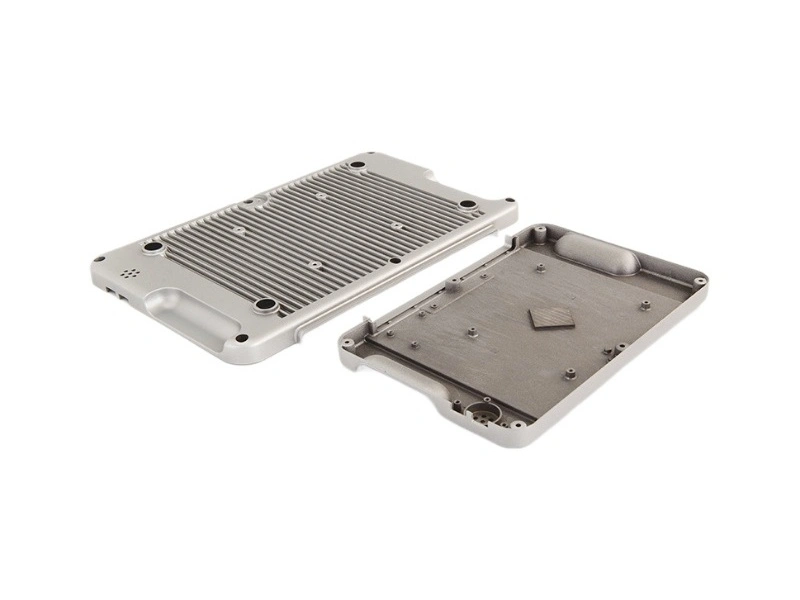
Aluminum die casting is usually better when the part needs lightweight structure, heat dissipation, larger geometry or structural efficiency. It is commonly used for automotive parts, electronic housings, lighting housings, heat sinks, pump housings, motor housings and industrial equipment parts.
Buyer Requirement | Why Aluminum Fits | Typical Value |
|---|---|---|
Lightweight design | Aluminum is lighter than zinc alloys | Useful for automotive, electronics and portable equipment |
Heat dissipation | Aluminum is commonly used for thermal housings and heat sink parts | Supports heat management in lighting and electronic products |
Larger structural parts | Suitable for larger housings, covers, brackets and frames | Supports strength and lower weight in production |
Production scalability | Good for medium to high volume aluminum parts after tooling validation | Helps control long-term unit cost |
4. How Tooling, CNC Machining and Surface Treatment Affect Both
Both zinc alloy die casting and aluminum die casting depend on die casting tooling, post-machining, surface treatment, inspection and production volume. Material selection affects the manufacturing route, but tooling and process planning determine whether the project can remain stable in production.
Process Factor | Effect on Zinc Alloy Die Casting | Effect on Aluminum Die Casting |
|---|---|---|
Tooling | Controls fine details, parting lines, ejector marks and cosmetic surfaces | Controls filling, shrinkage, heat dissipation structures and dimensional stability |
CNC machining | CNC machining for die cast parts may be used for threads, holes and locating faces | CNC machining may be used for holes, threads, sealing faces and datums |
Surface treatment | Often important for plating, painting, coating and decorative appearance | Often used for corrosion protection, painting, coating and appearance control |
Production volume | Tooling cost must be spread across repeated small part production | Tooling cost must match larger part demand and unit cost target |
5. When Copper Die Casting May Be Another Option
If the buyer needs conductivity, heat transfer, wear resistance or special functional metal performance, copper die casting for conductive parts may be worth reviewing. Copper alloy is not usually selected for the lowest material cost, but it can be valuable when product function requires copper alloy performance.
6. Summary
Question | Answer |
|---|---|
When is zinc alloy die casting better? | When the part is small, complex, detailed, dimensionally stable and appearance-sensitive. |
When is aluminum die casting better? | When the part needs lightweight structure, heat dissipation, larger geometry or structural efficiency. |
Which is better for decorative parts? | Zinc alloy die casting is often a strong option for decorative small parts and high-surface-quality components. |
Which is better for lightweight parts? | Aluminum die casting is usually better when weight reduction is important. |
How should buyers choose? | Buyers should compare function, size, weight, appearance, environment, quantity, tooling, CNC machining, surface treatment and total cost. |
In summary, zinc alloy die casting is usually better for small, complex, detailed, dimensionally stable and appearance-focused metal parts. Aluminum die casting is usually better for lightweight, larger, thermal and structural parts. Buyers should choose based on product function, size, weight, appearance requirements, use environment, annual demand, tooling, CNC machining, surface treatment and total manufacturing cost.