How to Source Custom Zinc Die Casting Parts for Stable Mass Production
How to Source Custom Zinc Die Casting Parts for Stable Mass Production
Custom zinc die casting is often used for small, complex, detailed, and appearance-sensitive metal parts that require stable dimensions, repeatable production, and strong surface finishing options. Buyers commonly use it for decorative hardware, electronic housings, automotive trim, lock parts, medical device housings, industrial small components, and consumer product fittings.
When buyers source custom zinc die casting parts, they are usually not only comparing casting prices. They also need to confirm whether the design is suitable for zinc alloy die casting, which Zamak alloy should be used, how the mold should be planned, whether CNC post-machining is required, how plating or coating will affect dimensions, and whether the supplier can support repeat production.
A stable custom zinc die casting project should connect alloy selection, tooling, die casting, post-machining, surface finishing, inspection, assembly, and mass production planning from the beginning. This helps buyers reduce rework, avoid supplier coordination problems, and improve long-term part consistency.
Why Buyers Choose Custom Zinc Die Casting
Buyers usually search for custom zinc die casting when they already have a drawing, sample, product concept, assembly requirement, decorative surface requirement, or batch production plan. They may need a metal part that is small, detailed, accurate, durable, and suitable for decorative finishing.
The value of custom zinc die casting is not simply low cost. Zinc alloys are useful when buyers need complex details, good as-cast accuracy, smooth surface quality, thin-wall capability, stable small features, and finishing options such as electroplating, painting, powder coating, polishing, or decorative coating.
Buyer Requirement | Why Zinc Die Casting Fits | Planning Focus |
|---|---|---|
Small complex metal parts | Zinc alloys can fill fine details and compact geometries effectively. | Wall thickness, small bosses, thin features, and mold venting. |
Decorative appearance | Zinc die cast parts can support plating, polishing, painting, and decorative coatings. | Cosmetic face planning, parting line control, and finishing thickness. |
Precision assembly | Zinc die casting can provide stable dimensions for many small functional parts. | Critical holes, datum areas, threads, and post-machining requirements. |
Repeat production | Tooling can support consistent production for long-term orders. | Mold life, inspection standards, batch control, and mass production planning. |
For buyers who need custom zinc die cast components, the main goal is not only to make one acceptable sample. The goal is to build a repeatable manufacturing process that can deliver consistent parts over many batches.
Common Custom Zinc Die Casting Parts
Custom zinc die casting is widely used for products that need compact structures, fine details, attractive surfaces, and stable assembly. Because zinc alloys can support detailed shapes and decorative finishes, they are often selected for hardware, electronics, automotive, medical, industrial, and consumer product applications.
Custom Zinc Die Casting Part Type | Common Application | Buyer Concern |
|---|---|---|
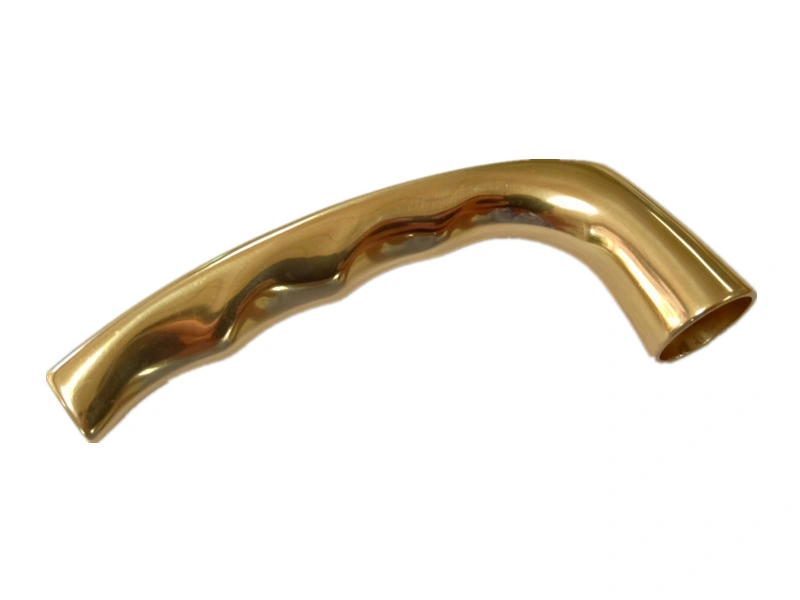
Decorative hardware | Handles, locks, knobs, furniture hardware, trim parts. | Appearance, plating quality, surface consistency, and dimensional repeatability. |
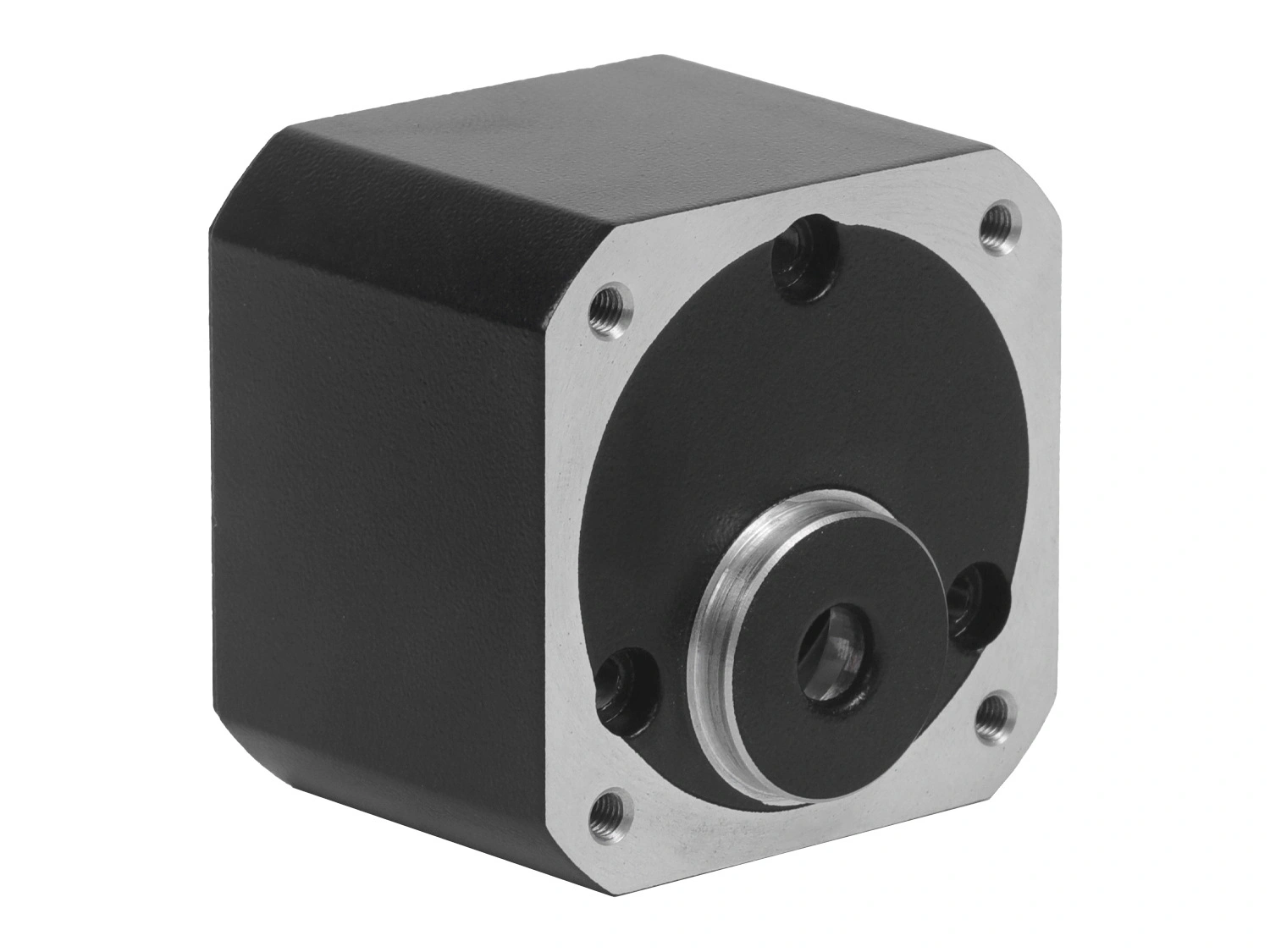
Electronic housings | Connectors, shells, covers, shielding parts. | EMI shielding, wall thickness, assembly fit, and finishing control. |
Automotive components | Handles, trim, brackets, interior hardware. | Strength, durability, coating performance, and batch consistency. |
Medical device housings | Small casings, ergonomic parts, handheld device shells. | Appearance, touch feel, precision assembly, and surface reliability. |
Industrial small parts | Gears, levers, brackets, locks, mechanical fittings. | Wear resistance, hole position, machining accuracy, and repeat production stability. |
Consumer product components | Caps, frames, shells, decorative structures. | Fine details, color control, decorative effect, and visual quality. |
Different part types require different planning. A decorative handle may need polished and plated surfaces, while an industrial lever may need stronger alloy selection, post-machined holes, and functional inspection. A professional zinc die casting supplier should evaluate the final application before recommending the process route.
When Zinc Die Casting Is Better Than Aluminum, Plastic or CNC Machining
Zinc die casting is not always the best choice for every custom part, but it can be very suitable when the part is small, complex, detailed, appearance-sensitive, and produced repeatedly. Buyers should compare zinc die casting with aluminum die casting, plastic injection molding, CNC machining, and stamping before confirming the manufacturing route.
Process or Material | Better For | Limitation |
|---|---|---|
Custom zinc die casting | Small complex parts, detailed features, decorative parts, precision batch components. | Heavier than aluminum and not ideal for large lightweight structural parts. |
Lightweight structural parts, heat sinks, larger housings, and weight-sensitive applications. | May not always match zinc for small fine details and decorative plating applications. | |
Plastic injection molding | Lightweight plastic parts, insulating components, and high-volume plastic products. | Limited metal feel, strength, plating appearance, and mechanical durability. |
Low-volume high-precision solid parts and prototype validation. | Higher cost for complex high-volume parts with detailed shapes. | |
Stamping | Thin sheet parts, simple brackets, clips, and flat metal structures. | Limited for complex three-dimensional shapes and detailed cast features. |
If a buyer needs a compact metal component with clear details, stable tolerances, decorative finishing, and repeatable batch production, zinc die casting service is often a strong option.
How to Choose Zinc Alloys for Custom Zinc Die Casting
Zinc alloy selection affects casting flow, strength, hardness, dimensional stability, surface finishing, wear resistance, and final part performance. Buyers should not choose a zinc alloy only by price. The supplier should evaluate part geometry, wall thickness, cosmetic requirements, plating needs, assembly method, load condition, and service environment.
Common zinc die casting alloys include Zamak 3, Zamak 5, Zamak 7, ZA-8, and Zamak 2. Each alloy has different advantages for custom zinc die cast parts.
Zinc Alloy | Suitable Use | Planning Point |
|---|---|---|
General zinc die casting parts, housings, hardware, small components. | Balanced performance, dimensional stability, and broad application suitability. | |
Parts requiring higher strength and hardness. | Useful for structural small parts, hardware, and components with stronger mechanical requirements. | |
Thin-wall, complex, and detail-sensitive parts. | Good option when fluidity and surface quality are important. | |
Parts requiring higher strength and wear resistance. | Suitable for selected mechanical parts where performance requirements are higher. | |
Higher strength and wear-related applications. | Should be selected based on actual working conditions and production feasibility. |
For custom zinc die casting projects, alloy choice should be reviewed together with mold design, surface finishing, machining, and assembly requirements. A part with decorative plating needs may require different planning than a small mechanical component used in repeated motion.
Design Factors for Custom Zinc Die Cast Parts
Custom zinc die cast parts often include small bosses, thin walls, fine textures, decorative surfaces, assembly holes, clips, hinge areas, and detailed edges. These features make zinc die casting attractive, but they also require careful design review before tooling starts.
Buyers should confirm which areas are cosmetic, which dimensions are critical, which surfaces will be plated or painted, which holes require post-machining, and which features are important for assembly. This allows the supplier to plan the mold, process, finishing, and inspection correctly.
Design Area | Buyer Question | Supplier Review Point |
|---|---|---|
Thin walls | Can the part fill consistently during production? | Alloy fluidity, gate design, venting, and flow path control. |
Small bosses | Will bosses shrink, crack, or deform? | Wall thickness transition, rib support, machining allowance, and local feeding. |
Decorative faces | Can the visible surface remain clean after casting and finishing? | Parting line, ejector marks, gate position, polishing, and coating plan. |
Assembly holes | Do the holes need precision fit or threaded connection? | CNC post-machining, tapping, fixture design, and inspection method. |
Plated surfaces | Will coating thickness affect final dimensions? | Surface treatment thickness, masking, tolerance compensation, and assembly clearance. |
For parts with tight cosmetic and assembly requirements, buyers can reduce project risk by involving design and engineering support before mold production.
Tooling Planning for Custom Zinc Die Casting
Tooling is one of the most important parts of a custom zinc die casting project. The mold must reproduce fine details, control parting lines, protect cosmetic surfaces, support repeat production, and reduce defects across many production cycles.
Good zinc die casting tooling planning should include parting line location, gate position, venting, ejector pin layout, sliders, inserts, multi-cavity design, trial mold validation, and mold life planning.
Tooling Factor | Why It Matters | Impact on Custom Zinc Die Cast Parts |
|---|---|---|
Parting line location | Affects cosmetic appearance, trimming, and assembly surfaces. | Important for handles, covers, plated parts, and decorative components. |
Gate position | Controls how molten zinc enters the cavity. | Affects flow marks, surface quality, and local filling stability. |
Venting design | Helps trapped air escape from detailed cavities. | Reduces porosity, short fill, and appearance defects. |
Ejector pin layout | Controls how the part is removed from the mold. | Prevents deformation and avoids marks on visible surfaces. |
Sliders and inserts | Support undercuts, holes, grooves, and complex features. | Useful for small complex zinc die cast parts with functional details. |
Tool steel selection | Affects mold durability and thermal fatigue resistance. | H13 die casting mold steel can be considered for durable die casting tools. |
The success of custom zinc die casting does not depend only on alloy selection. It also depends on whether the mold can copy details consistently, control defects, protect visible areas, and support stable production over repeated orders.
Surface Finishing for Custom Zinc Die Casting Parts
Surface finishing is one of the most important commercial reasons buyers choose custom zinc die casting. Zinc die cast parts are often used for visible products, decorative hardware, consumer components, and plated metal parts where appearance directly affects product value.
Finishing options may include electroplating, PVD coating, painting, powder coating, polishing, tumbling, sand blasting, decorative coatings, and anti-corrosion coatings. The finishing plan should be discussed before tooling because parting lines, ejector marks, gate marks, polishing direction, and coating thickness can affect the final result.
Surface Finish | Suitable For | Buyer Concern |
|---|---|---|
Electroplating | Decorative parts, hardware, handles, trims, visible metal components. | Plating adhesion, color consistency, corrosion resistance, and surface smoothness. |
PVD coating | High-end decorative parts and premium appearance components. | Mirror effect, wear resistance, surface preparation, and cosmetic consistency. |
Housings, consumer parts, colored covers, and appearance components. | Color consistency, adhesion, masking, and coating durability. | |
Industrial parts, protective surfaces, and coated zinc die cast components. | Coating thickness, assembly clearance, edge coverage, and corrosion protection. | |
Polishing | High appearance parts and decorative visible areas. | Base casting defects may become more visible after polishing. |
Deburring and batch edge smoothing for small zinc parts. | Edge consistency, small feature protection, and part collision risk. |
For zinc die cast parts with appearance, plating, or decorative coating requirements, buyers should define cosmetic surfaces early. The supplier should then plan parting lines, ejector pins, gate removal, polishing, and surface finishing for zinc die casting together.
Post-Machining and Assembly Planning for Zinc Die Cast Components
Zinc die casting can achieve good dimensional stability, but that does not mean every functional feature should remain as-cast. Some areas may still require post-machining for zinc die casting parts, especially when the part needs accurate assembly, threaded connection, sealing, rotation, or positioning.
Typical post-machined areas include threaded holes, precision bores, locating holes, hinge positions, insert areas, pin holes, mating faces, and surfaces affected by finishing thickness. Buyers should define these features clearly on drawings before tooling and production planning.
Feature Area | Post-Machining Need | Reason |
|---|---|---|
Threaded holes | Often required | Improves thread quality, connection strength, and assembly repeatability. |
Precision holes | Often required | Controls diameter, roundness, and position for functional fit. |
Locating holes | Required for accurate assembly | Ensures alignment with other components. |
Hinge areas | May be required | Controls rotation clearance, pin fit, and durability. |
Plated holes | Must be reviewed | Finishing thickness can reduce hole size and affect assembly. |
Cosmetic external faces | Usually not fully machined | Often controlled through casting quality and finishing instead of CNC machining. |
For assembled zinc die casting components, integrated CNC post-machining for assembly fit helps reduce mismatch between casting, machining, finishing, and final assembly. This is especially useful when buyers need ready-to-use delivery instead of unfinished castings.
Quality Control for Precision Custom Zinc Die Casting
Quality control for precision custom zinc die casting should cover dimensions, appearance, coating, assembly, function, and batch consistency. Zinc die cast parts are often small and detailed, so minor dimensional changes, coating defects, burrs, or plating thickness variation can affect final product value.
A reliable supplier should control quality from first article inspection to mass production sampling. This includes dimensional inspection, CMM measurement, visual standards, plating thickness checks, coating adhesion testing, thread inspection, assembly testing, functional testing, and batch traceability.
Quality Item | Why It Matters | Control Method |
|---|---|---|
Dimension | Affects assembly fit and functional performance. | CMM inspection, fixture inspection, calipers, gauges, and sampling plans. |
Surface appearance | Important for decorative and consumer-facing zinc die cast parts. | Visual standards, surface defect limits, polishing control, and finishing inspection. |
Plating thickness | Affects corrosion resistance, color stability, and assembly clearance. | Coating thickness measurement and finishing process control. |
Thread quality | Affects fastening strength and assembly reliability. | Thread gauges, torque checks, and post-machining inspection. |
Batch consistency | Affects long-term sourcing stability and repeat orders. | Process records, sampling inspection, tooling maintenance, and traceability. |
For high-value custom zinc die cast components, quality inspection should not only approve one sample. It should verify that the same part can be produced consistently across trial production, repeat batches, and high-volume manufacturing.
How to Choose a Custom Zinc Die Casting Supplier
Choosing a custom zinc die casting supplier only by price can create hidden risks. Zinc die casting projects often involve mold design, alloy selection, cosmetic surface control, CNC post-machining, plating or coating, inspection, assembly, and repeat production. If these steps are handled by disconnected suppliers, communication problems and quality variation can increase.
For this reason, buyers should evaluate whether the supplier can provide an integrated process from drawing review to final delivery. A one-stop custom zinc die casting service can help coordinate tooling, casting, machining, finishing, inspection, and assembly under one production plan.
Supplier Capability | Why It Matters | Buyer Benefit |
|---|---|---|
Zinc alloy selection | Determines strength, hardness, surface finishing, dimensional stability, and cost. | Helps match the material to the application instead of using one alloy for every part. |
Die casting tooling | Controls fine detail, cosmetic faces, defects, and batch repeatability. | Reduces tool revision risk and improves production stability. |
Process control | Affects porosity, flash, shrinkage, surface marks, and dimensional consistency. | Improves repeat quality for custom zinc die cast parts. |
Surface finishing capability | Controls plating, coating, painting, polishing, and decorative appearance. | Supports plated zinc die cast components and appearance-sensitive products. |
CNC or post-machining | Controls threads, holes, mating faces, hinge areas, and assembly features. | Improves functional fit and reduces assembly problems. |
Inspection capability | Verifies dimensions, surface quality, coating, and batch consistency. | Reduces incoming inspection failures and quality disputes. |
Connects casting, machining, finishing, and final product delivery. | Helps buyers receive assembled zinc die casting components instead of separate unfinished parts. | |
Mass production support | Maintains stable output across repeated orders. | Supports long-term supply for high-volume zinc die casting parts. |
If buyers need stable custom zinc die casting parts, they should choose a supplier that can understand the part function, review the design, select the alloy, build the mold, cast the part, machine critical features, finish the surface, inspect the batch, support assembly, and scale to mass production when needed.
Summary
Custom zinc die casting is a strong manufacturing choice for small, detailed, precise, decorative, and repeat-production metal components. It is especially useful when buyers need fine features, stable dimensions, good surface quality, and finishing options such as plating, painting, powder coating, or decorative coating.
To source custom zinc die cast parts successfully, buyers should review alloy selection, part geometry, tooling, surface finishing, post-machining, assembly, inspection, and production volume together. When these factors are planned early, zinc die casting projects can move more smoothly from sample approval to repeat production.
Planning Area | Key Question | Recommended Action |
|---|---|---|
Part design | Is the geometry suitable for zinc die casting? | Review thin walls, bosses, decorative faces, holes, and plating areas. |
Material | Which zinc alloy fits the part requirement? | Compare Zamak 3, Zamak 5, Zamak 7, ZA-8, and Zamak 2 based on function. |
Tooling | Can the mold copy fine details consistently? | Plan parting line, gate, venting, ejector pins, sliders, inserts, and mold life. |
Finishing | Does the part need decorative or protective finishing? | Plan plating, polishing, painting, coating, masking, and finishing thickness early. |
Post-machining | Which features need precision after casting? | Define threads, holes, locating features, hinge areas, and assembly datums. |
Quality control | How will consistency be verified? | Use dimensional inspection, coating checks, thread gauges, visual standards, and batch records. |
Production | Can the supplier support long-term orders? | Choose integrated zinc die casting, machining, finishing, assembly, and mass production support. |
FAQ
How Should Buyers Define Critical Features in Custom Zinc Die Casting Parts?
How Can Custom Zinc Die Casting Support Small Complex Metal Components?
How Should Surface Finishing Be Planned for Custom Zinc Die Cast Parts?
How Can Buyers Reduce Assembly Risk in Custom Zinc Die Casting Projects?
How Should Custom Zinc Die Casting Projects Move From Sample Approval to Repeat Production?