How to Source Zinc Alloy Die Casting Parts for Stable Product Performance
How to Source Zinc Alloy Die Casting Parts for Stable Product Performance
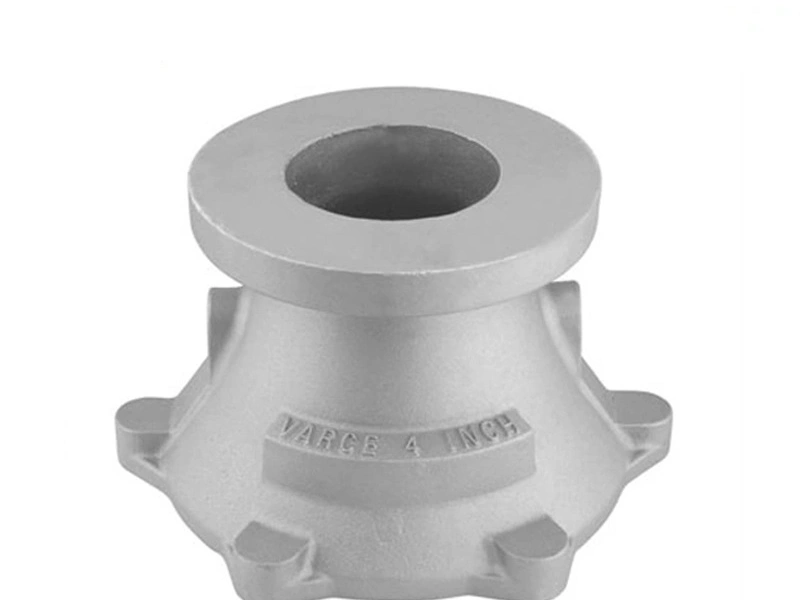
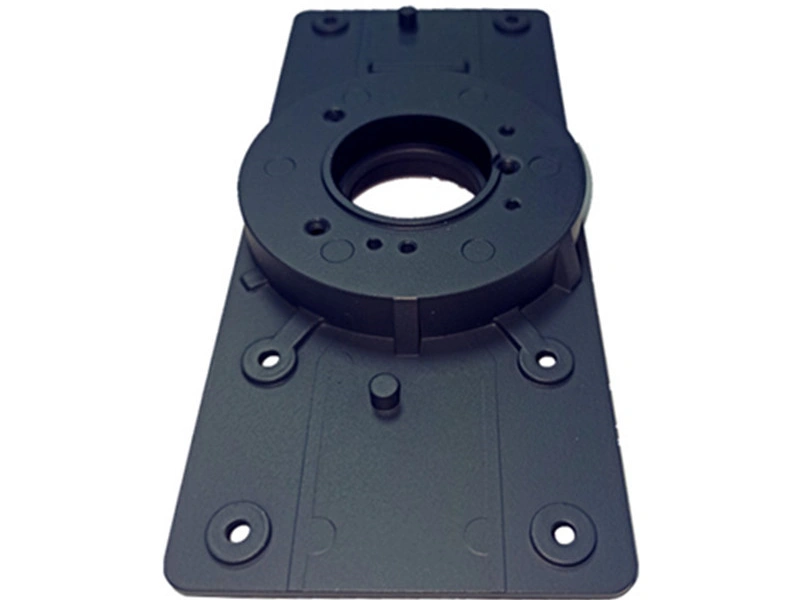
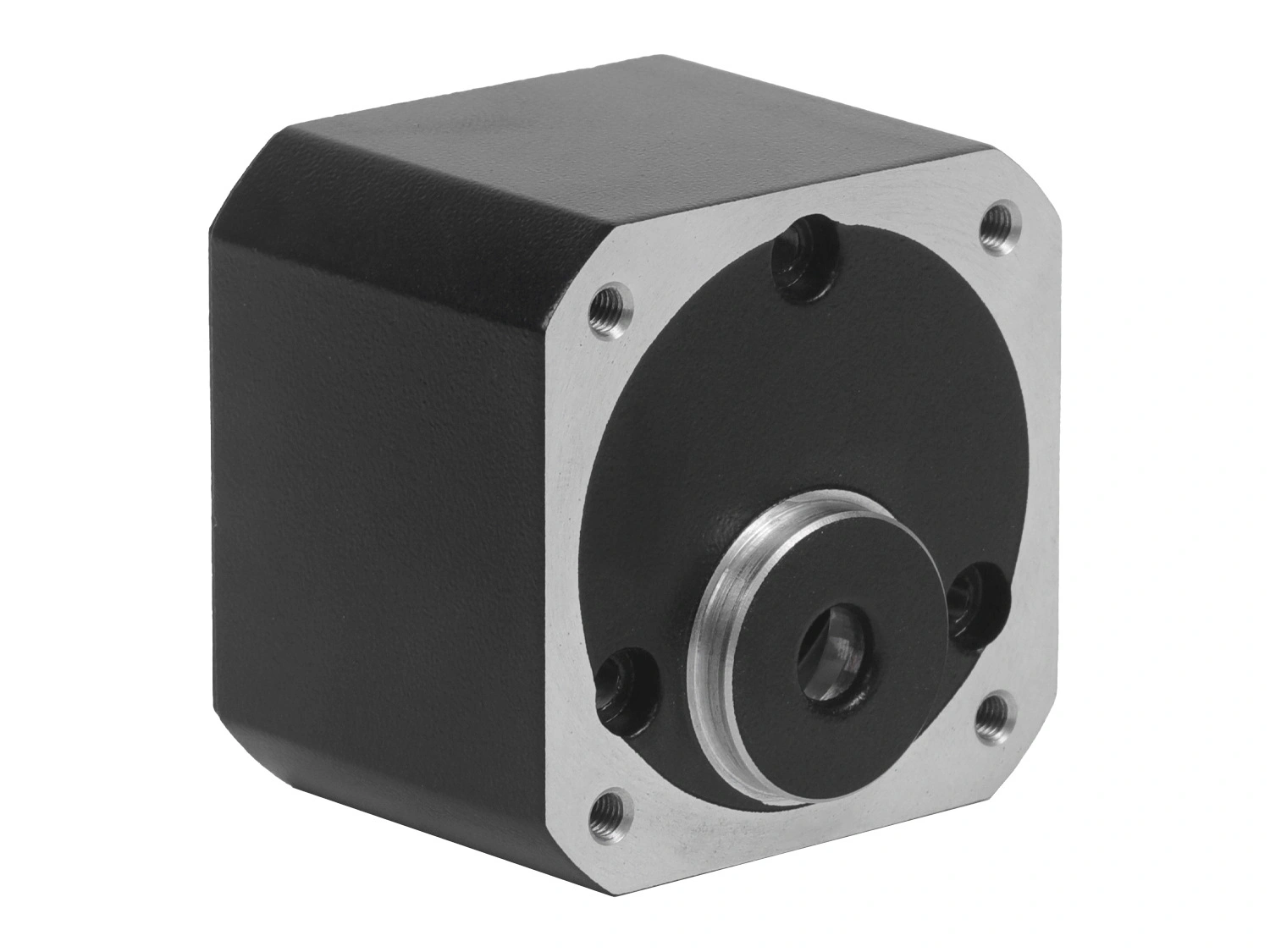
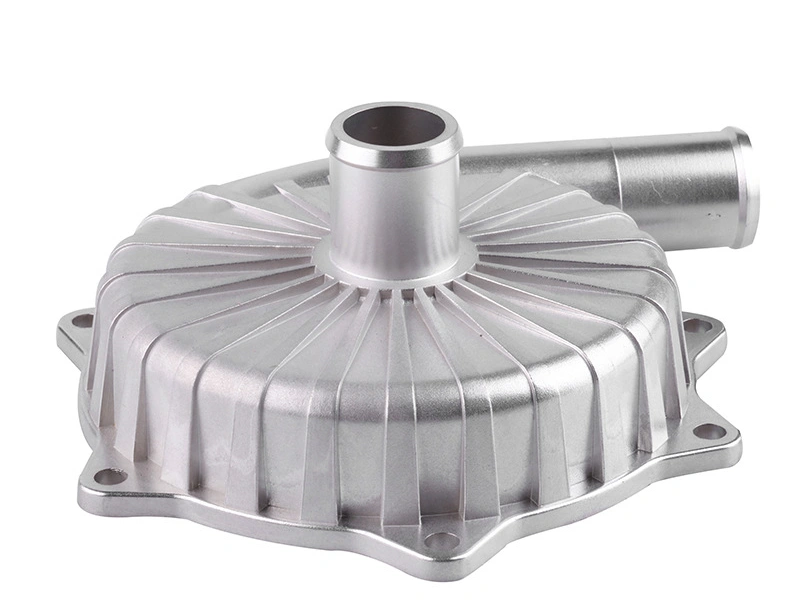
Zinc alloy die casting parts are widely used in custom product manufacturing when buyers need small metal parts with stable dimensions, good surface quality, strong metal feel, and repeatable production performance. These parts are often used in hardware, locks, handles, connector shells, decorative trims, device housings, small mechanisms, consumer product components, and finished assemblies.
When buyers source zinc alloy die casting parts, the main concern is not only whether zinc can be cast. The more important question is whether the selected zinc alloy can support the part’s strength, hardness, appearance, machining, assembly, coating, inspection, and long-term production stability.
This article explains how buyers can connect zinc alloy selection with real part performance, including Zamak alloy choice, product application, tooling, post-machining, surface finishing, quality control, material traceability, validation, and mass production planning.
Why Zinc Alloy Die Casting Parts Are Used in Custom Manufacturing
Buyers usually search for zinc alloy die casting parts when they need more than a basic zinc casting. They may already have a specific product part, assembly requirement, surface finish target, material requirement, or long-term order plan.
The search intent combines material selection and part sourcing. Buyers want to know which zinc alloy is suitable, whether Zamak parts can meet functional or decorative needs, whether the material affects machining and finishing, and whether the supplier can deliver finished zinc alloy die casting parts instead of unfinished casting blanks.
Buyer Concern | What It Means | Planning Focus |
|---|---|---|
Material suitability | The buyer needs to know whether zinc alloy fits the product requirement. | Strength, hardness, surface quality, weight feel, and service environment. |
Part performance | The part must work in an assembly, product, or repeated-use application. | Functional areas, movement, fastening, positioning, and inspection standards. |
Surface appearance | The part may be visible, plated, painted, coated, polished, or handled by users. | Visible surfaces, coating thickness, cosmetic standards, and packaging protection. |
Repeat production | The buyer needs consistent parts across future batches. | Material records, tooling maintenance, process control, and batch traceability. |
For this reason, zinc alloy die casting parts should be planned as material-driven custom parts. The alloy choice must work together with tooling, die casting, CNC machining, finishing, inspection, and final delivery.
Common Zinc Alloy Die Casting Parts and Applications
Zinc alloy die casting can support many small and medium-size product parts. Different part types require different material, tooling, post-machining, and surface finishing strategies. A decorative zinc alloy part, for example, may need more surface control, while a functional moving part may need stronger material review and wear-related testing.
Zinc Alloy Die Casting Part Type | Common Application | Buyer Focus |
|---|---|---|
Zamak hardware parts | Locks, handles, knobs, hinges, hardware fittings. | Strength, wear resistance, electroplating, appearance, and long-term durability. |
Zinc alloy connector parts | Connector shells, covers, fittings, small housings. | Dimensions, shielding, mating fit, surface quality, and assembly stability. |
Decorative zinc alloy parts | Caps, trims, logos, fashion hardware, consumer-facing details. | Surface quality, texture, decorative coating, plating, and packaging protection. |
Zinc alloy mechanical parts | Levers, brackets, small moving parts, functional fittings. | Hardness, hole position, wear resistance, movement clearance, and post-machining. |
Zinc alloy housing parts | Device shells, small covers, product frames, handheld product structures. | Appearance, painting, dimensional stability, and assembly interface control. |
Finished zinc alloy parts | Ready-to-use components for final product assembly. | CNC machining, surface finishing, inspection, assembly support, and packaging. |
Buyers should not evaluate all zinc alloy die cast parts in the same way. A hardware part, connector shell, decorative logo part, and finished assembly component may all need different alloy choices and quality controls.
How Zinc Alloy Selection Affects Die Casting Part Performance
Zinc alloy selection directly affects die casting part performance. The alloy influences strength, hardness, detail reproduction, dimensional stability, surface quality, wear behavior, post-machining response, coating performance, and long-term consistency.
Common zinc alloys for die casting parts include Zamak 3, Zamak 5, Zamak 7, ZA-8, and Zamak 2. The correct alloy should be selected according to the part requirement, not only the lowest material cost.
Zinc Alloy | Suitable Part Requirement | Performance Focus |
|---|---|---|
General zinc alloy die casting parts, housings, hardware, and common custom parts. | Dimensional stability and balanced overall performance. | |
Hardware, locks, stronger small parts, and load-related zinc components. | Strength, hardness, and durability. | |
Thin-wall, decorative, detailed, and appearance-sensitive zinc parts. | Flowability, fine detail reproduction, and surface performance. | |
Wear-related or functional zinc alloy parts. | Wear resistance, strength direction, and mechanical performance. | |
Higher-strength specific applications. | Should be evaluated according to load, wear, finishing, and actual service conditions. |
The alloy selection should be reviewed together with drawing design, tooling, post-machining, surface finishing, and inspection. A material that is suitable for decorative parts may not be the best option for a moving mechanical part, and a stronger alloy may not automatically be better for every cosmetic application.
How to Match Zinc Alloy Die Casting Parts to Product Requirements
The best zinc alloy die casting plan starts from the final product requirement. Buyers should define whether the part is mainly decorative, functional, moving, outdoor, high-volume, or detail-sensitive before confirming alloy, tooling, machining, and finishing.
Product Requirement | Zinc Alloy Die Casting Planning Focus |
|---|---|
Decorative appearance | Surface quality, visible faces, coating choice, polishing, color consistency, and packaging protection. |
Assembly accuracy | Hole position, threads, locating faces, datum surfaces, CNC post-machining, and CMM inspection. |
Repeated movement | Wear resistance, burr control, movement clearance, hinge holes, fit test, and functional validation. |
Outdoor or humid use | Anti-corrosion coating, material protection, coating thickness, and service environment review. |
High-volume repeat orders | Mold life, material batch records, process standards, inspection checklist, and traceability. |
Small detailed features | Alloy flowability, mold venting, gate planning, detailed feature reproduction, and surface stability. |
This product-based approach helps buyers avoid vague quotation requests. Instead of asking only for “zinc die casting,” buyers can define what the part must do, how it should look, how it will assemble, and how many batches must remain consistent.
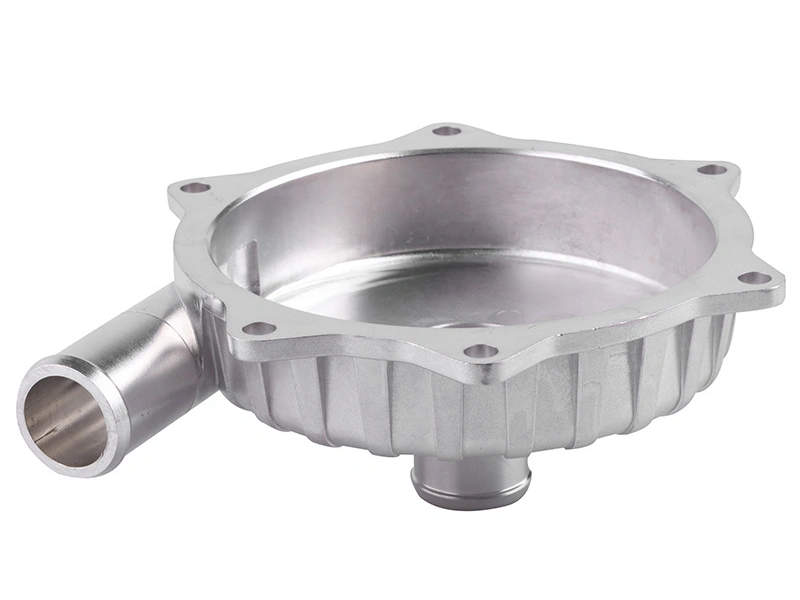
Zinc Alloy Die Casting Parts vs Aluminum, Plastic and CNC Parts
Zinc alloy die casting parts should be compared with aluminum die casting parts, plastic parts, CNC machined parts, and sheet metal parts before production begins. The correct choice depends on the part’s size, weight target, appearance, strength, geometry, quantity, and assembly requirement.
Option | Better For | Limitation |
|---|---|---|
Zinc alloy die casting parts | Small complex metal parts, appearance parts, hardware, connector shells, precision batch parts. | Heavier than aluminum and not ideal for large lightweight structures. |
Lightweight structural parts, heat sinks, larger housings, and weight-sensitive products. | Small detail reproduction and premium decorative appearance may not always be better than zinc. | |
Plastic parts | Lightweight, insulating, low-load, and plastic product shell applications. | Limited metal feel, strength, wear resistance, and decorative metal finish options. |
Low-volume high-precision solid parts and prototype validation. | Higher cost for high-volume complex parts with cast geometry. | |
Sheet metal parts | Simple thin panels, folded brackets, covers, and flat structures. | Limited for complex three-dimensional details and integrated cast features. |
If the product needs a small complex metal part with stable dimensions, metal feel, good surface finishing, decorative appearance, and repeat production consistency, zinc alloy die casting parts can be a strong manufacturing solution.
Design Factors for Zinc Alloy Die Casting Parts
Design details strongly affect zinc alloy die casting part quality. Even the right alloy can produce poor results if the part has unsuitable wall thickness, sharp transitions, difficult holes, poorly planned cosmetic faces, or coating areas that conflict with assembly requirements.
Buyers should review wall thickness, bosses, ribs, cosmetic faces, functional holes, coated areas, moving areas, and batch production requirements before tooling begins.
Design Factor | Effect on Zinc Alloy Die Casting Parts | Planning Action |
|---|---|---|
Wall thickness | Affects filling, shrinkage, deformation, and dimensional stability. | Optimize thick-to-thin transitions and avoid unnecessary heavy sections. |
Bosses and ribs | Affect local strength, shrinkage risk, and structural support. | Control structure proportion, rib thickness, boss support, and machining allowance. |
Cosmetic face | Affects appearance, coating result, polishing, and final product value. | Define visible surfaces early and avoid parting lines, ejector marks, and gate marks where possible. |
Functional holes | Affect assembly, positioning, fastening, movement, and tolerance control. | Reserve post-machining allowance and define inspection standards. |
Coated areas | Affect final dimensions, appearance, corrosion protection, and assembly clearance. | Plan coating thickness, masking, and fit compensation before production. |
Moving areas | Affect wear, touch feel, clearance, noise, and long-term function. | Review alloy choice, burr control, surface finish, and functional testing. |
For complex zinc alloy die casting parts, early design and engineering review can reduce tooling revision, finishing risk, and assembly problems.
Tooling Planning for Zinc Alloy Die Casting Parts
Tooling planning connects material behavior with part requirements. Different zinc alloys have different flow behavior, and part geometry affects how gate location, venting, ejector layout, sliders, inserts, and cavity balance should be designed.
A reliable tooling for zinc alloy die casting parts plan should protect visible surfaces, support small feature filling, reduce defects, control cavity variation, and support long-term production stability.
Tooling Factor | Impact on Zinc Alloy Die Casting Parts |
|---|---|
Gate location | Affects filling path, surface marks, post-machining areas, and final appearance. |
Venting design | Affects air escape, porosity, short fill, surface quality, and fine detail reproduction. |
Ejector layout | Affects cosmetic faces, deformation risk, visible marks, and polishing requirements. |
Cavity number | Affects production capacity, cavity-to-cavity consistency, and inspection planning. |
Tool maintenance | Affects flash, burrs, tool wear, dimensional drift, and long-term batch quality. |
Tool revision record | Helps prevent wrong-version production after drawing, logo, dimension, or finish changes. |
When durable tooling is required, mold material should also be reviewed. H13 mold steel for zinc alloy die casting may be considered for die casting mold applications where tool performance and production stability are important.
Post-Machining Requirements for Zinc Alloy Die Casting Parts
Zinc alloy die casting parts can achieve good as-cast detail and stable dimensions, but important functional areas may still require CNC machining or post-machining. The purpose is to make the finished part reliable for fastening, positioning, movement, contact, sealing, or final assembly.
Post-machining should be planned before tooling so the supplier can define machining allowance, datum surfaces, fixture strategy, burr control, and inspection requirements.
Machined Feature | Why It Matters | Control Method |
|---|---|---|
Threaded holes | Support fastening reliability and repeat assembly. | Tapping, thread gauge check, torque check, and burr removal. |
Locating holes | Control assembly position and part alignment. | CNC machining for zinc alloy die casting parts and inspection. |
Hinge holes | Support smooth movement and controlled clearance. | Machining, pin fit test, movement test, and repeat sampling. |
Contact surfaces | Support sealing, mating, sliding, or stable product contact. | Post-machining for zinc alloy die casting parts and surface inspection. |
Datum faces | Control assembly references and inspection consistency. | Fixture inspection, CNC post-machining for assembly fit, and CMM check. |
Machined areas should also be coordinated with surface finishing. Coating after machining can change hole size or mating clearance, while machining after coating may damage appearance or protection. The process sequence should be confirmed before production.
Surface Finishing for Zinc Alloy Die Casting Parts
Surface finishing is not only an appearance step for zinc alloy die casting parts. It can affect corrosion protection, coating thickness, wear resistance, assembly clearance, hand feel, packaging, and final product acceptance.
Buyers should choose surface finishing based on product use, appearance standard, working environment, and assembly requirements. The finishing plan should be connected with alloy selection, casting surface quality, tooling marks, post-machining, and packaging.
Surface Finish | Suitable Zinc Alloy Die Casting Parts | Planning Concern |
|---|---|---|
Housings, covers, consumer product parts, and visible shells. | Color, adhesion, masking, gloss, surface preparation, and thickness. | |
Industrial components, protective parts, and coated zinc alloy die cast parts. | Coating thickness, edge coverage, durability, and assembly clearance. | |
Appearance parts, trims, hardware, caps, and consumer-facing parts. | Base surface defects, color consistency, texture, handling, and batch repeatability. | |
Moving parts, handled parts, contact surfaces, and functional zinc parts. | Wear life, friction, coating adhesion, and actual service condition. | |
Outdoor parts, humid environment parts, and protective metal components. | Corrosion protection, environmental exposure, coating durability, and packaging. | |
Small batch parts, small high-volume parts, and deburred zinc components. | Edge consistency, burr removal, collision marks, and part-to-part protection. | |
Matte surfaces, coating preparation, and uniform texture requirements. | Surface roughness, appearance control, and downstream coating compatibility. |
If zinc alloy die casting parts are delivered as finished parts, surface finishing should be planned before mass production. This helps avoid color mismatch, coating buildup, assembly interference, and surface rejection after parts have already been produced.
Quality Control for Zinc Alloy Die Casting Parts
Quality control for zinc alloy die casting parts must cover both material and part performance. A part may have a correct shape but still fail because of material variation, wrong alloy grade, coating thickness issues, thread defects, poor functional fit, or damaged packaging.
A reliable quality plan should include alloy grade confirmation, material batch records, chemical composition checks, first article inspection, CMM inspection, thread gauge inspection, surface appearance checks, coating thickness inspection, functional fit tests, batch traceability, and packaging inspection.
Quality Control Item | Why It Matters for Zinc Alloy Die Casting Parts |
|---|---|
Alloy grade | Ensures the selected zinc alloy matches the approved design and application requirement. |
Material records | Support batch traceability and help investigate future quality issues. |
Chemical composition check | Verifies material consistency and reduces risk from incorrect alloy batches. |
Critical dimensions | Ensure assembly, movement, sealing, fastening, and product function. |
Surface appearance | Protects the value of decorative, visible, painted, or coated zinc alloy parts. |
Coating thickness | Affects corrosion protection, appearance, and assembly clearance. |
Functional test | Confirms the part works in the final product, not only as a casting sample. |
Packaging check | Prevents scratches, dents, coating damage, thread damage, and mixed batches. |
For material verification, alloy composition analysis for zinc alloy die casting parts can help confirm the material. For dimensional verification, CMM inspection for zinc alloy die casting parts can support critical dimension control.
How to Validate Zinc Alloy Die Casting Parts Before Mass Production
Validation helps buyers confirm that zinc alloy die casting parts are suitable before repeat production begins. A project should not move directly from quotation to full production without checking material, tooling, casting, machining, finishing, and functional performance.
Validation Stage | What to Confirm | Why It Matters |
|---|---|---|
Application review | Whether the part is suitable for zinc alloy die casting. | Avoids material mismatch and unsuitable process selection. |
Alloy selection | Whether Zamak or ZA alloy direction fits the part requirement. | Ensures strength, hardness, appearance, and service needs are considered. |
Tooling review | Whether the mold supports structure, details, surface quality, and repeatability. | Reduces trial mold risk and future production variation. |
Sample casting | Dimensions, surface quality, filling, defects, and basic part feasibility. | Confirms the part can be produced before scaling. |
Post-machining check | Holes, threads, datum faces, mating areas, and functional features. | Confirms assembly and performance requirements. |
Finish approval | Color, coating, texture, polishing, surface protection, and visual standard. | Prevents cosmetic disputes and batch appearance variation. |
Pilot production | Small-batch consistency, inspection plan, process stability, and packaging. | Reduces risk before high-volume production. |
Mass production release | Quality standards, production records, packaging rules, and traceability. | Supports repeat orders and long-term supply stability. |
Buyers can use prototype zinc alloy die casting parts for early validation, low-volume zinc alloy die casting parts for controlled trial production, and mass production zinc alloy die casting parts for repeat production after approval.
How to Choose a Zinc Alloy Die Casting Parts Manufacturer
A zinc alloy die casting parts manufacturer should help buyers connect material selection with final part performance. The supplier should understand Zamak and ZA alloys, review the part application, design suitable tooling, control die casting production, support CNC post-machining, manage surface finishing, verify material quality, inspect critical dimensions, and support production scaling.
If the buyer needs finished zinc alloy die casting parts, the supplier should also support assembly, packaging, traceability, and repeat production standards.
Manufacturer Capability | Why It Matters | Buyer Benefit |
|---|---|---|
Zinc alloy selection | Material affects strength, hardness, surface, machining, and long-term performance. | Helps select a suitable alloy instead of choosing only by price. |
Zamak and ZA alloy experience | Different zinc alloys suit different product requirements. | Supports more accurate material matching for custom parts. |
Tool and die making | Tooling controls detail, surface marks, repeatability, and production stability. | Improves sample success and long-term quality consistency. |
CNC and post-machining | Functional areas often need tighter accuracy than as-cast surfaces. | Improves assembly fit, fastening reliability, and product function. |
Surface finishing | Finishing affects appearance, corrosion protection, coating thickness, and final value. | Supports finished zinc alloy die cast parts ready for product use. |
Material verification | Confirms alloy consistency and supports traceability. | Reduces long-term material risk. |
Assembly and packaging support | Finished parts must be protected and ready for use. | Reduces buyer-side secondary work and delivery damage. |
Prototype, low-volume, and mass production support | Projects need controlled validation before full production. | Helps move from samples to repeat orders with lower risk. |
A one-stop zinc alloy die casting parts manufacturer can help buyers manage material, tooling, casting, machining, finishing, inspection, assembly, packaging, and mass production in one integrated workflow.
Summary
Zinc alloy die casting parts combine material selection and custom part manufacturing. They are suitable for small complex metal parts, Zamak hardware, connector shells, decorative parts, mechanical components, finished zinc alloy parts, and high-volume repeat production projects.
To source these parts successfully, buyers should connect zinc alloy choice with product function, design details, tooling, post-machining, surface finishing, quality inspection, material traceability, validation, and long-term production planning. The goal is not only to choose a zinc alloy, but to turn that alloy into a reliable finished part.
Planning Area | Key Buyer Question | Recommended Action |
|---|---|---|
Material selection | Which zinc alloy fits the part requirement? | Compare Zamak 3, Zamak 5, Zamak 7, ZA-8, and Zamak 2 based on function, appearance, and production needs. |
Product requirement | What must the finished part do? | Define decorative, functional, movement, outdoor, high-volume, or detailed-feature requirements. |
Design | Can the geometry support stable casting and finishing? | Review wall thickness, bosses, ribs, cosmetic faces, functional holes, coated areas, and moving areas. |
Tooling | Can the mold connect alloy behavior with part quality? | Plan gate location, venting, ejector layout, cavity number, tool maintenance, and revision records. |
Post-machining | Which features need functional precision? | Define threaded holes, locating holes, hinge holes, contact surfaces, and datum faces. |
Surface finishing | How will appearance, protection, and assembly clearance be controlled? | Plan painting, powder coating, decorative coatings, wear-resistant coatings, anti-corrosion coatings, tumbling, or sand blasting early. |
Quality and production | How will material and part consistency be verified? | Use alloy records, material verification, CMM inspection, coating checks, functional tests, pilot production, and mass production traceability. |
FAQ
How Do Zinc Alloy Die Casting Parts Perform in Decorative and Functional Applications?
What Design Factors Affect Zinc Alloy Die Casting Part Quality?
How Should Material Traceability Be Managed for Zinc Alloy Die Casting Parts?
How Can Buyers Validate Zinc Alloy Die Casting Parts Before Repeat Production?