What Design Factors Affect Zinc Alloy Die Casting Part Quality?
What Design Factors Affect Zinc Alloy Die Casting Part Quality?
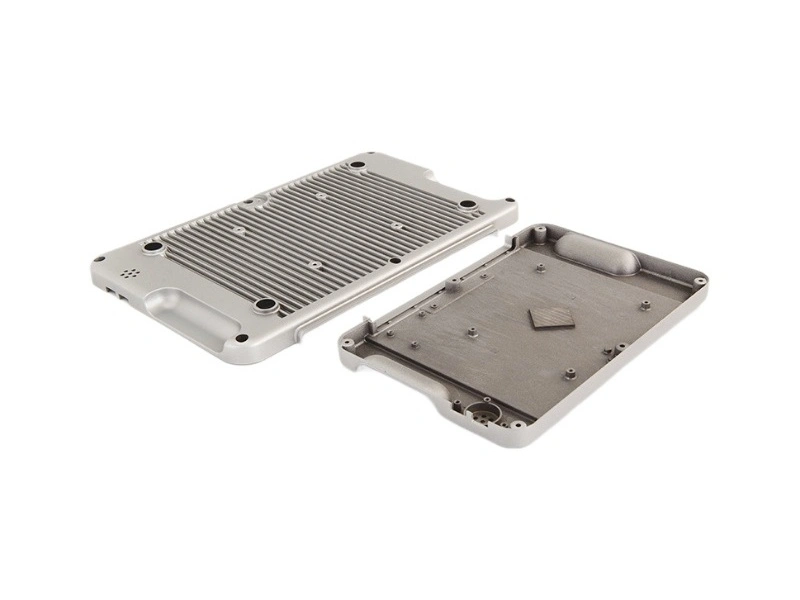
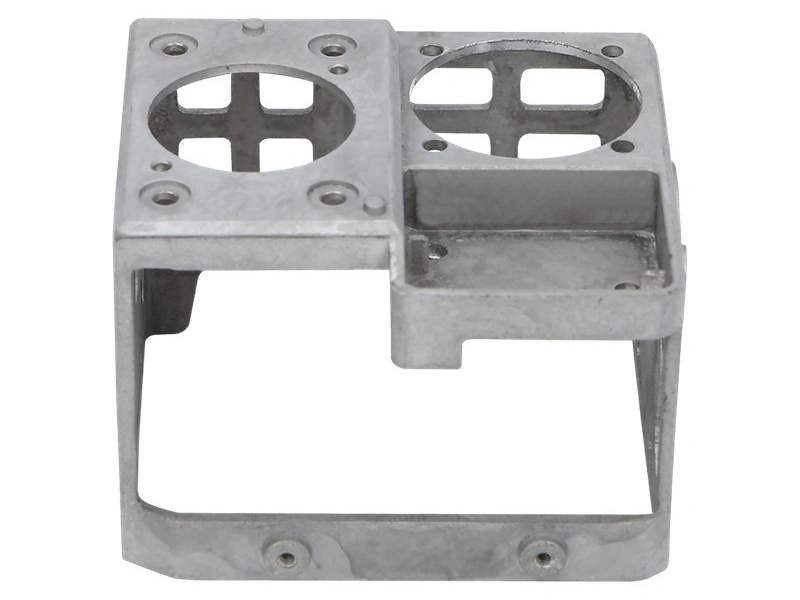
Zinc alloy die casting part quality is affected by wall thickness, ribs, bosses, holes, cosmetic surfaces, parting lines, gate location, ejector marks, machining allowance, surface finish requirements and assembly interfaces. These factors should be reviewed before tooling to reduce shrinkage, flash, deformation, appearance defects and post-machining conflicts.
1. Why Design Review Should Happen Before Tooling
A drawing may show the final product shape, but it may not always show whether the part is easy to cast, machine, finish and assemble. Uneven walls, deep bosses, thin ribs, small holes, cosmetic surfaces and tight assembly areas can all create quality risks if they are not reviewed before mold manufacturing.
Neway can support design review for zinc alloy parts and engineering review so buyers can check manufacturability before tooling investment.
Design Factor | Quality Risk | Planning Method |
|---|---|---|
Uneven wall thickness | Shrinkage, porosity or filling instability | Optimize transitions and avoid sudden thickness changes. |
Bosses and ribs | Deformation, sink marks or internal defects | Balance strength, wall thickness and casting stability. |
Cosmetic surface | Visible marks from parting lines, gates or ejectors | Plan tooling layout before mold manufacturing. |
Threaded areas | Assembly failure or poor thread quality | Add machining allowance and define critical features. |
Coated surfaces | Fit issues after painting, plating or coating | Reserve coating thickness and check finished dimensions. |
Assembly datum | Position error or unstable fit | Define datum surfaces and inspection points early. |
2. How Wall Thickness, Ribs and Bosses Affect Quality
Wall thickness has a direct effect on filling, shrinkage and internal quality. Thick areas may create shrinkage or porosity, while very thin areas may be difficult to fill. Ribs and bosses can improve strength, but if they are too thick or poorly connected, they may create deformation or sink marks.
For complex structures, Neway can review manufacturable zinc die cast part design to help buyers improve casting stability without losing product function.
3. How Tooling Layout Affects Appearance and Function
Tooling decisions affect parting lines, gate marks, ejector marks, mold filling, flash risk and visible surface quality. If a cosmetic surface is not defined before tooling, visible marks may appear on the front face of the part. If gate or ejector locations interfere with assembly areas, the part may require extra rework.
Tooling for zinc alloy die casting parts should be planned with cosmetic surfaces, machined areas, assembly datum and surface finish requirements in mind. For complex parts, mold flow analysis for die casting precision can help evaluate filling and defect risks before mold build.
Design Risk | Possible Result | Recommended Control |
|---|---|---|
Drawing focuses only on product shape | Casting, machining or finishing problems appear after tooling. | Run design and manufacturability review before mold making. |
Cosmetic face conflicts with tooling marks | Visible surface quality may be rejected. | Mark visible surfaces and review gate, ejector and parting line positions. |
No machining allowance | Functional features may not be corrected after casting. | Define machined areas before tooling design. |
Coating thickness is ignored | Finished part may not assemble correctly. | Reserve clearance for surface finish thickness. |
4. How Neway Reduces Tooling and Sample Rework
Neway can help buyers complete design review, tooling review and manufacturing feasibility review before mold manufacturing. This early review helps reduce trial casting problems, tooling modification, surface finishing conflict, post-machining cost and assembly failure.
Summary
Buyer Concern | Recommended Review |
|---|---|
Will the part cast correctly? | Review wall thickness, ribs, bosses, holes and mold filling risk. |
Will the visible surface look acceptable? | Review cosmetic faces, tooling marks and surface finish requirements. |
Will the part assemble correctly? | Define machined areas, datum surfaces, tolerances and coating allowance. |
When should review happen? | Before tooling, so manufacturability issues can be corrected early. |