How Do Zinc Alloy Die Casting Parts Perform in Decorative and Functional Applications?
How Do Zinc Alloy Die Casting Parts Perform in Decorative and Functional Applications?
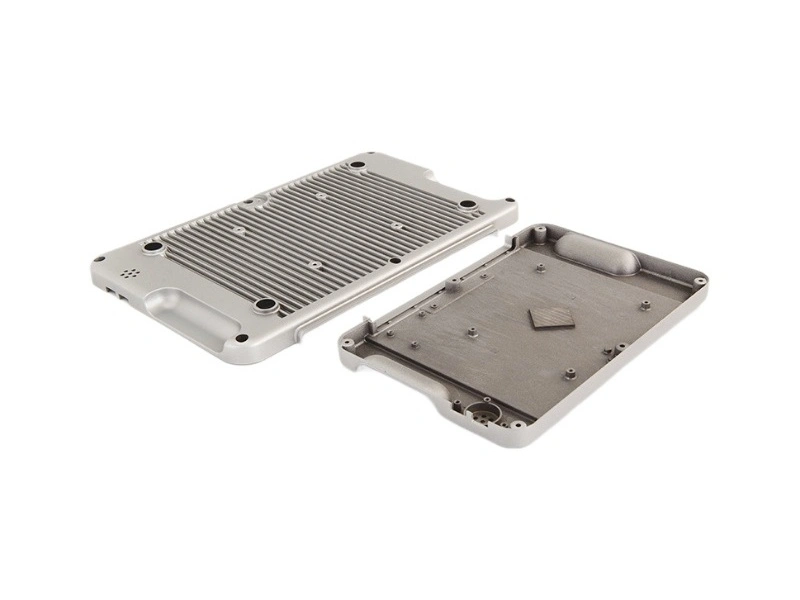
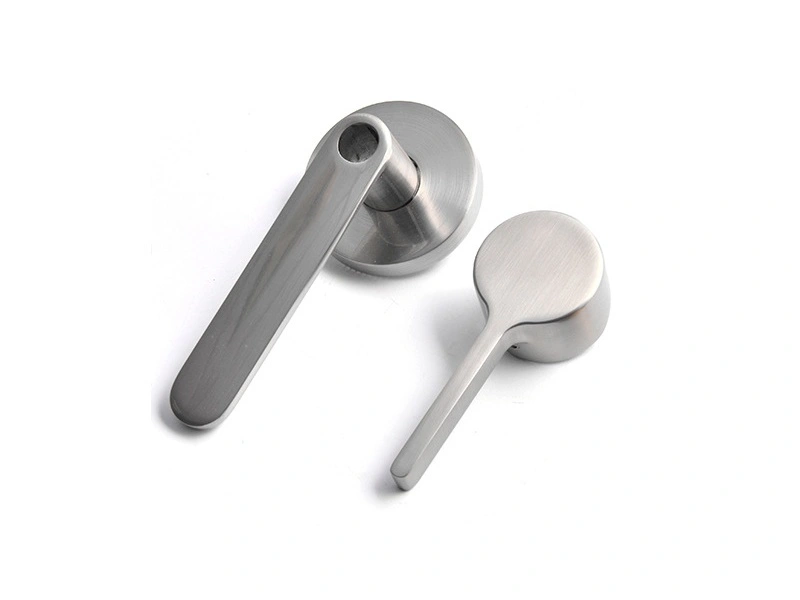
Zinc alloy die casting parts can perform well in both decorative and functional applications because zinc alloys support fine details, stable dimensions, good surface finishing, metal feel and adequate strength for many small to medium parts. The final performance depends on alloy selection, tooling, machining and finishing control.
1. Why Zinc Alloy Parts Can Support Both Appearance and Function
Many zinc alloy die casting parts are used in products where appearance and function must work together. A lock component may need a decorative surface and reliable movement. A connector shell may need stable dimensions and surface protection. A consumer product housing may need metal feel, painted appearance and assembly fit.
Because of this, buyers should not separate decorative requirements from functional requirements. Neway can plan zinc alloy die casting parts with surface finishing, CNC machining, post-machining, inspection and assembly requirements in one manufacturing workflow.
Application Type | Performance Requirement | Manufacturing Focus |
|---|---|---|
Decorative part | Appearance, finish, texture and color consistency | Surface planning, cosmetic face control and packaging. |
Hardware part | Strength, wear and handling durability | Alloy selection, tooling quality and finishing protection. |
Connector shell | Fit, dimensional stability and surface protection | CNC machining, inspection and post-processing control. |
Moving part | Smooth movement and stable clearance | Burr control, post-machining and functional testing. |
Finished part | Ready-to-use quality | Finishing, assembly, inspection and packaging. |
2. How Decorative Zinc Alloy Die Casting Parts Should Be Planned
Decorative zinc alloy die casting parts need visible surface planning, finish selection, coating thickness review, color control, texture approval and packaging protection. Surface finishing for zinc alloy parts should be planned before tooling because parting lines, ejector marks and gate marks can affect the final appearance.
For high-value appearance parts, buyers should also use approved samples or golden samples to control color, gloss, texture and cosmetic expectations. Decorative coatings can improve visual value, but only when base casting quality and finishing standards are controlled.
3. How Functional Zinc Alloy Die Cast Parts Should Be Controlled
Functional zinc alloy die cast parts require attention to strength, hardness, hole position, thread quality, wear areas, assembly surfaces and movement features. Some areas may need CNC machining for zinc alloy die casting parts or post-machining to achieve reliable fit.
For assembled parts, Neway can support assembled zinc alloy die cast parts so buyers can check whether the finished part works in the final product, not only whether a single casting meets size requirements.
Risk | Possible Cause | Recommended Control |
|---|---|---|
Appearance passes but assembly fails | Coating thickness or machining areas were not planned. | Review finishing and functional dimensions together. |
Dimensions pass but finish is poor | Visible surfaces and base casting quality were not controlled. | Define cosmetic faces and approved finish samples. |
Moving parts feel rough | Burrs, coating buildup or poor hinge clearance. | Use deburring, trial assembly and functional testing. |
Material and finish do not match | Alloy selection did not consider surface treatment. | Review alloy, tooling and finishing together before tooling. |
4. How Neway Balances Decorative and Functional Requirements
Neway can help buyers plan decorative and functional zinc alloy die casting parts by connecting alloy choice, tooling layout, surface finishing, CNC machining, inspection, assembly and packaging. This reduces the risk that appearance and function are handled by separate suppliers with unclear responsibility.
Summary
Buyer Requirement | Recommended Planning |
|---|---|
Decorative appearance | Define visible surfaces, finishing method, golden samples and packaging protection. |
Functional performance | Define critical dimensions, wear areas, machined features and testing requirements. |
Finished-part quality | Plan casting, CNC, finishing, assembly and inspection together. |
Stable repeat production | Use approved samples, inspection standards and batch process control. |