How Should Buyers Select Zinc Alloys for Die Casting Parts?
How Should Buyers Select Zinc Alloys for Die Casting Parts?
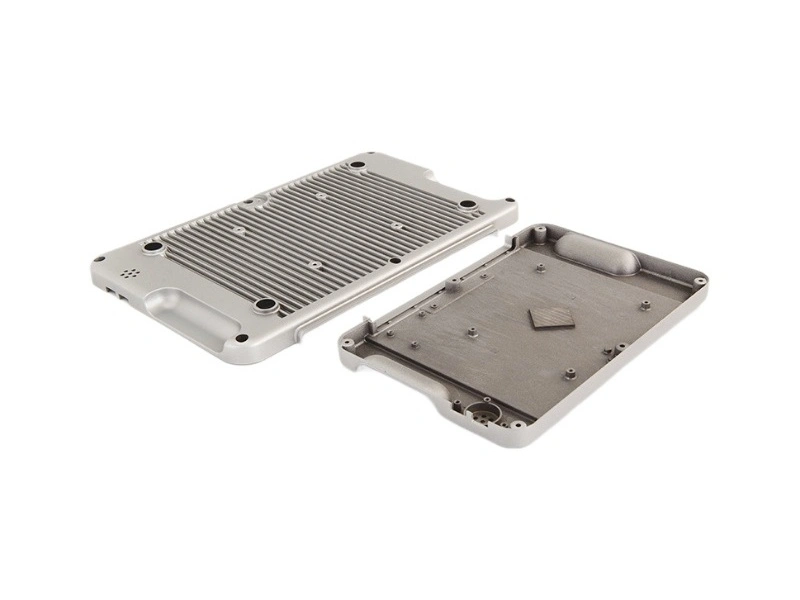
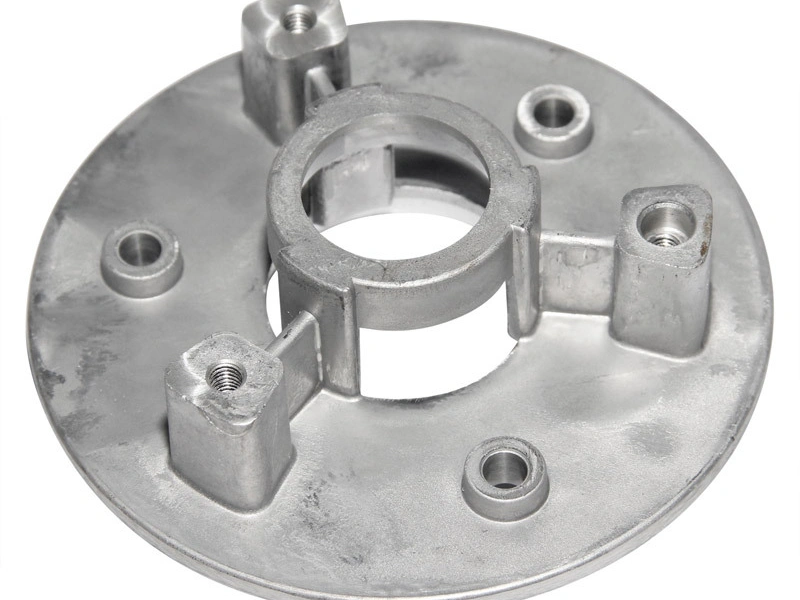
Buyers should select zinc alloys for die casting parts by matching the part's strength, hardness, wall thickness, appearance, wear resistance, assembly method, surface finish and production volume. Zinc alloy die casting parts can use different Zamak and ZA alloy options, but the best choice depends on the final application, not only on material cost.
1. Why Zinc Alloy Selection Matters Before Tooling
Material selection affects casting flow, part strength, surface quality, post-machining behavior, finishing result, assembly fit and repeat production stability. A decorative zinc part, a hardware part, a thin-wall component and a wear-related functional part may all be made by zinc die casting, but they may not require the same alloy.
Before tooling, buyers should share the drawing, application environment, finishing requirement, annual volume and assembly method. Neway can then review zinc alloy selection for die casting parts together with tooling, machining and finishing requirements.
Zinc Alloy | Suitable Die Casting Part | Buyer Focus |
|---|---|---|
General custom zinc alloy die casting parts | Stability, balance and general precision applications. | |
Hardware and stronger small parts | Strength, hardness and functional durability. | |
Thin-wall or decorative parts | Flow, detail reproduction and surface quality. | |
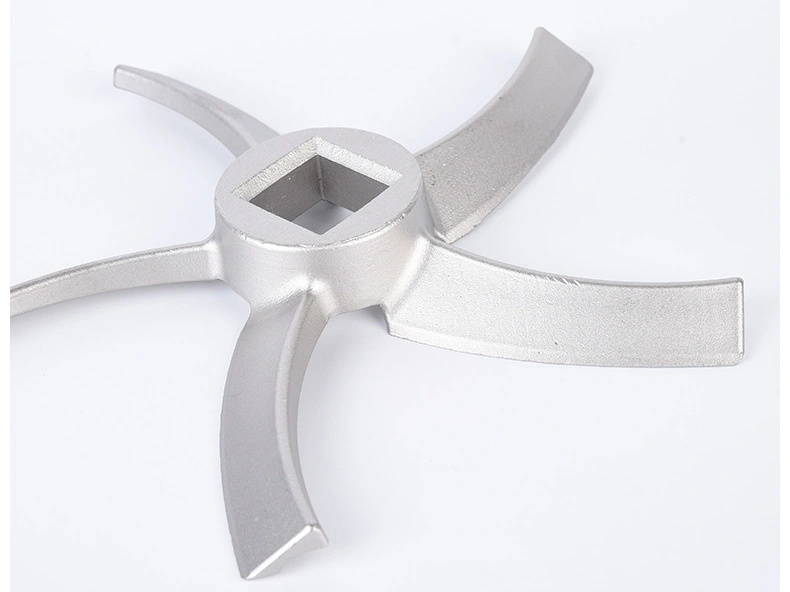
Wear-related functional parts | Strength, wear areas and movement conditions. | |
Zamak 2 | Specific high-strength parts | Application-specific review before selection. |
2. How Appearance, Function and Volume Affect Material Choice
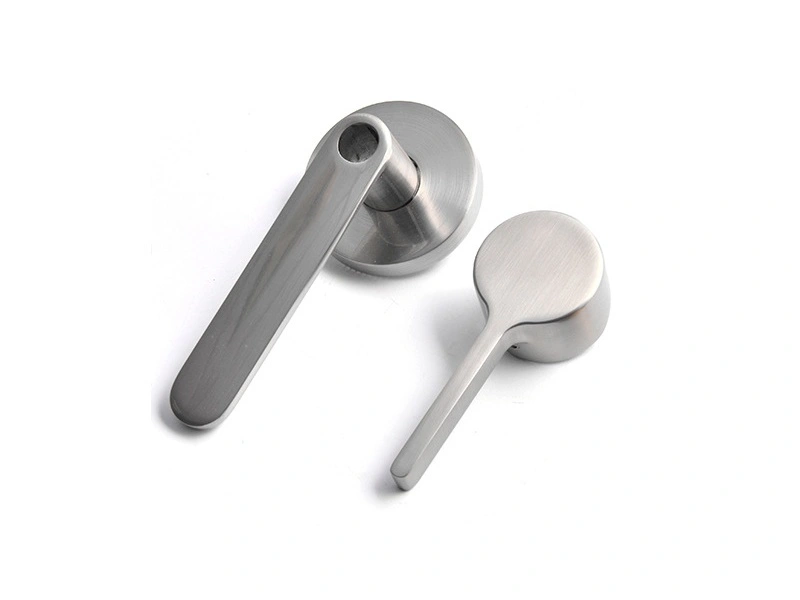
For appearance parts, buyers should consider how the selected alloy supports plating, painting, powder coating, polishing or decorative coatings. For functional parts, alloy choice should consider strength, hardness, wear resistance, screw fastening, hinge movement and long-term use. For thin-wall or detailed parts, flow behavior and mold filling should be reviewed before tooling.
Production volume also matters. If the part will be produced repeatedly, buyers should confirm material records, batch consistency and inspection standards. Material selection should support not only the first sample, but also stable repeat production.
3. Common Risks When Zinc Alloys Are Selected Poorly
If an appearance part is selected without considering surface finishing, coating defects or poor visual quality may appear later. If a functional part is selected only by low material cost, strength or wear performance may be insufficient. If a thin-wall part does not consider alloy flow, short shots or unstable details may appear during trial casting.
Selection Risk | Possible Result | Better Control |
|---|---|---|
Choosing by lowest material cost | Strength, finishing or long-term performance may suffer. | Choose alloy based on application and production requirements. |
Ignoring surface finishing | Coating, plating or cosmetic quality may be unstable. | Review alloy, base casting surface and finishing together. |
Ignoring thin-wall flow | Small details may not fill consistently. | Review wall thickness, mold flow and suitable alloy options. |
No material records for production | Repeat orders may be difficult to trace. | Use alloy grade confirmation and batch records. |
4. How Neway Supports Zinc Alloy Selection
If buyers are not sure which zinc alloy die casting parts require Zamak 3, Zamak 5, Zamak 7 or ZA-8, Neway can evaluate the drawing, part function, cosmetic requirements, post-machining areas, assembly method and production volume together. This helps avoid material mismatch before tooling and reduces long-term production risk.
Summary
Buyer Question | Recommended Decision |
|---|---|
How should zinc alloy be selected? | Match the alloy to strength, appearance, wall thickness, wear, assembly and volume. |
Should buyers choose by lowest material cost? | No. Material choice should support final use and repeat production. |
When should Zamak 7 or ZA-8 be reviewed? | Review Zamak 7 for thin-wall or cosmetic parts and ZA-8 for selected wear-related parts. |
When should Neway be involved? | Before tooling, especially for decorative, functional, machined or repeat-production parts. |