How Can Buyers Reduce Assembly Risk in Custom Zinc Die Casting Projects?
How Can Buyers Reduce Assembly Risk in Custom Zinc Die Casting Projects?
Buyers can reduce assembly risk in custom zinc die casting projects by planning critical dimensions, post-machining areas, coating thickness, burr control, screw engagement and trial assembly before mass production. A zinc casting that looks good may still fail if assembly fit is not controlled.
1. Why Zinc Die Cast Parts Can Fail During Assembly
Custom zinc die cast parts are often assembled with plastic parts, steel parts, springs, shafts, pins, electronic components, fasteners or other metal components. Assembly problems can appear when hole positions shift, threads are not deep enough, burrs remain on edges, coating thickness reduces clearance, hinge regions bind, or datum surfaces are not controlled.
These problems are not always visible from a single part inspection. A part may look acceptable, but it may still fail when installed into the final product. That is why buyers should define assembly requirements before tooling and verify them during sampling.
Assembly Risk | Cause | Prevention |
|---|---|---|
Hole mismatch | Casting tolerance, fixture issue or unclear datum. | CNC machining and dimensional inspection. |
Thread failure | Insufficient depth, burrs or poor tapping control. | Tapping control and gauge check. |
Coating interference | Finish thickness reduces clearance. | Masking and dimension review after finishing. |
Hinge binding | Dimensional variation or surface buildup. | Trial assembly and movement testing. |
Poor fit | Unclear functional datum. | Define critical features before tooling. |
2. Which Areas Need CNC Machining or Post-Machining?
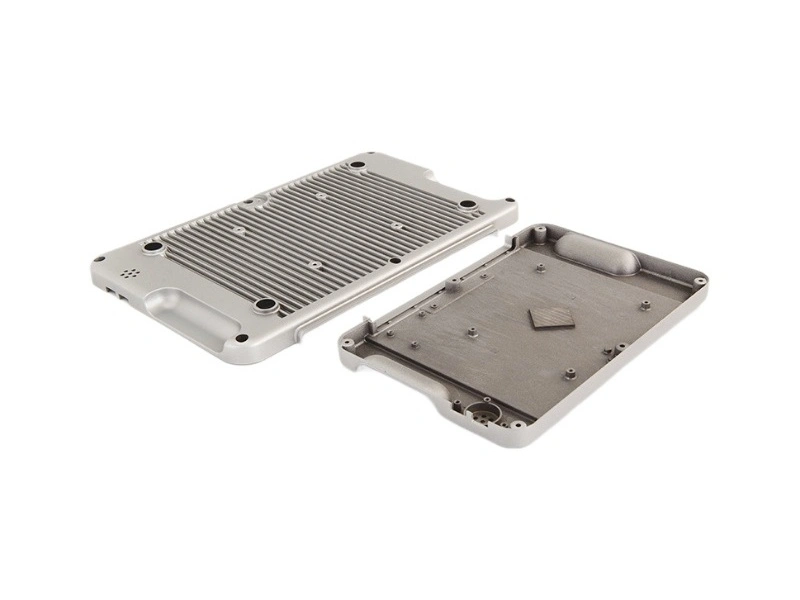
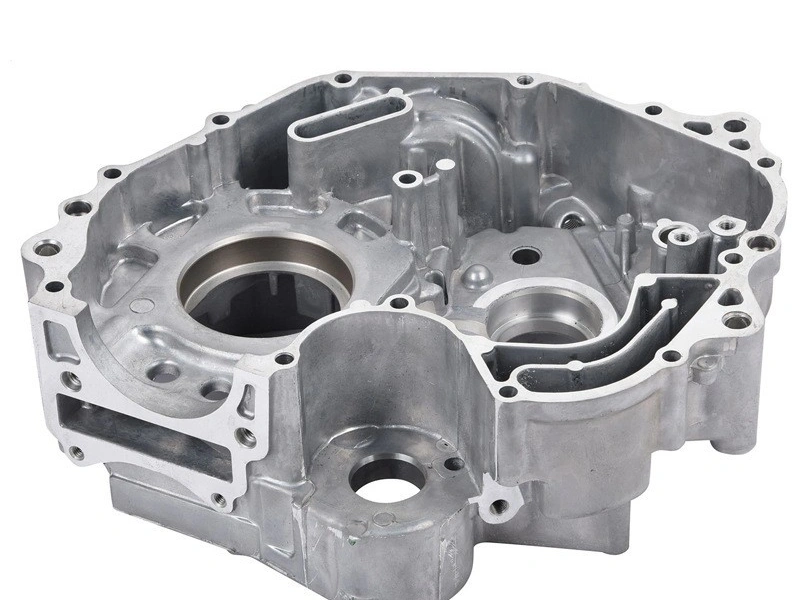
Assembly-critical areas often need more control than as-cast zinc die casting can provide. These areas may include threaded holes, locating holes, hinge bores, shaft seats, contact surfaces, snap-fit areas and mating faces. Post-machining can improve accuracy where assembly fit is important.
Neway can combine casting with CNC machining for zinc die cast parts to reduce the risk of hole mismatch, poor thread quality, unstable datum surfaces and fixture-related variation.
3. How Surface Finishing Can Create Assembly Risk
Surface finishing can improve appearance and protection, but it can also create assembly risk. Plating, painting and coating thickness may affect holes, threads, snap-fit areas, hinge clearances and sealing contact surfaces. If finishing is planned separately from casting and machining, the final part may fail after coating even if the raw casting was acceptable.
Buyers should confirm which surfaces are coated, which areas require masking, which dimensions must be checked after finishing and which parts need trial assembly after surface treatment.
Process Stage | Assembly Question | Control Method |
|---|---|---|
Die casting | Are the functional features formed in the correct position? | Review tooling, datum and critical dimensions. |
CNC machining | Are holes, threads and faces accurate enough? | Use fixtures, gauges and inspection plans. |
Surface finishing | Does coating change clearance or fit? | Control thickness, masking and finished dimensions. |
Assembly | Does the part fit with mating components? | Use trial assembly and functional testing. |
Packaging | Can the finished parts be protected during delivery? | Use secure packaging and surface protection. |
4. Why Sample Assembly and Pilot Run Are Important
Buyers should not move directly from visual sample approval to mass production when the part has assembly requirements. Sample assembly helps confirm screw engagement, hinge movement, snap-fit behavior, mating clearance, coating effect, burr control and actual fit with related components.
A pilot run is safer than direct mass production because it can reveal batch-level risks. It can show whether CNC fixtures are stable, whether coating thickness remains consistent, whether burr removal is effective and whether the part can pass repeated assembly checks.
5. How Neway Supports Ready-to-Use Zinc Die Casting Parts
The delivery target of a custom zinc die casting project should not be only a raw casting. It should be a ready-to-use metal component that can assemble correctly, pass functional testing and enter the final product. Neway can support assembled zinc die cast components through casting, machining, finishing, assembly and inspection coordination.
For buyers who want to reduce supplier coordination risk, Neway can also provide custom assembly and secure packaging for ready-to-use components and one-stop zinc die casting supplier support.
Summary
Buyer Concern | Recommended Control |
|---|---|
The part must fit with other components. | Define critical dimensions, datum features and assembly interfaces before tooling. |
The part has threads, holes or hinges. | Use CNC machining, post-machining, gauges and trial assembly. |
The part will be plated or coated. | Review coating thickness, masking and final assembly clearance. |
The buyer needs ready-to-use parts. | Use integrated casting, machining, finishing, assembly and packaging support. |