How Can Custom Zinc Die Casting Support Small Complex Metal Components?
How Can Custom Zinc Die Casting Support Small Complex Metal Components?
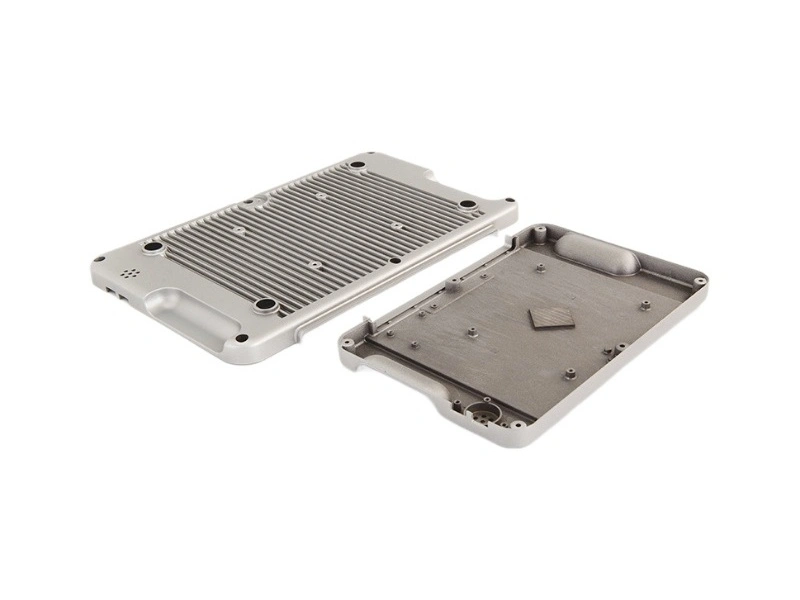
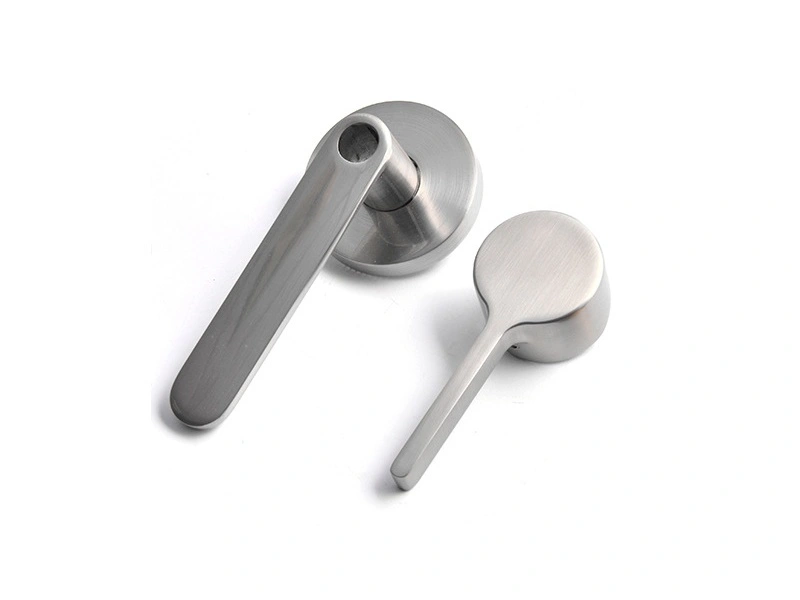
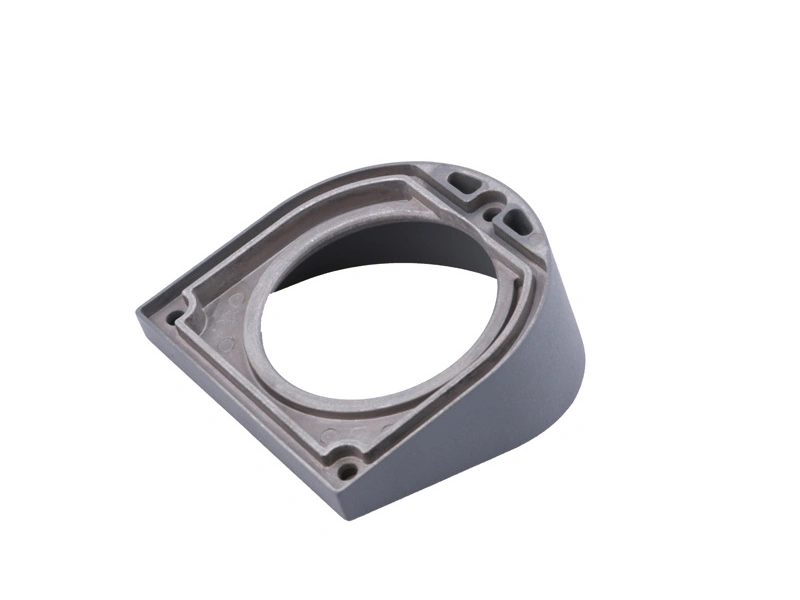
Custom zinc die casting is well suited for small complex metal components because zinc alloys offer good fluidity, detail reproduction, dimensional stability and surface quality. This makes the process useful for hardware, connector housings, small mechanisms, decorative parts, premium consumer components and precision metal parts that require both function and appearance.
1. Why Zinc Alloys Work Well for Small Complex Parts
Zinc alloys can fill fine mold details, reproduce small features and support stable dimensions in repeat production. This is especially useful when a part includes thin walls, small ribs, logos, textures, bosses, holes, hinge areas or decorative surfaces. Compared with machining every detail from solid metal, zinc die casting can be more efficient for repeated production of complex small components.
Buyers can also choose suitable zinc alloy selection for complex parts based on strength, detail, surface finishing and assembly needs. Common options such as Zamak 3 and Zamak 5 can support different combinations of castability, strength and dimensional stability.
Component Requirement | Zinc Die Casting Advantage | Planning Note |
|---|---|---|
Small size | Good detail control and stable repeatability. | Review wall thickness and local filling risk. |
Complex shape | High mold replication for fine structures. | Check parting line, draft angle and ejection direction. |
Decorative surface | Suitable for plating and premium finishing. | Plan cosmetic faces before tooling. |
Metal feel | Higher density than aluminum and plastic. | Confirm weight expectation and user experience. |
Repeated production | Stable output with proper tooling control. | Use tooling maintenance and inspection planning. |
2. How Zinc Die Casting Compares With CNC, Aluminum and Plastic
For small complex metal components, CNC machining can be flexible for prototypes, but it may become expensive when the part has many small details, internal features or decorative surfaces. Custom zinc die casting can reduce repeated machining work once tooling is approved.
Compared with aluminum die casting, zinc die casting can be more suitable for smaller components with fine details, thinner sections, decorative surfaces and tight visual requirements. Compared with plastic, zinc can provide stronger metal feel, better plating potential, improved stiffness and higher perceived product value.
3. Which Small Components Benefit From Zinc Die Casting?
Small complex zinc die cast components are common in hardware, locks, hinges, decorative trims, electrical connector housings, small brackets, consumer product parts, fashion accessories, medical device housings and precision mechanisms. These parts often require stable geometry, fine detail, attractive finishing and repeatable assembly performance.
However, complex structures still need engineering review. Very deep details, difficult undercuts, thin wall sections, decorative logos and small snap features must be evaluated before tooling. Neway can combine engineering support with tooling for small zinc die cast parts to reduce mold risk and improve production stability.
Design Feature | Possible Concern | Recommended Review |
|---|---|---|
Deep logo or texture | Difficult ejection or tool wear. | Review draft angle, depth and location. |
Thin wall | Incomplete filling or surface flow marks. | Review alloy flow, gate position and wall transition. |
Small hinge | Movement interference or tolerance variation. | Plan critical dimension inspection and trial assembly. |
Decorative face | Gate mark, parting line or ejector mark conflict. | Define cosmetic surface before mold design. |
Plated detail | Surface defects may become more visible. | Control base casting quality and finishing process. |
4. Why Tooling and Surface Finishing Must Be Planned Together
Small zinc die cast parts often need surface finishing, plating, painting, polishing or decorative coatings. Tooling layout can affect where parting lines, ejector marks and gate marks appear. If these marks are placed on visible surfaces, finishing may not hide them and can sometimes make them more noticeable.
That is why custom zinc die casting projects should connect zinc alloy selection, tooling design, surface finishing and inspection from the beginning. The goal is not only to make a small casting, but to create a production-ready component with stable details, appearance and fit.
Summary
Buyer Requirement | Why Custom Zinc Die Casting Helps |
|---|---|
Small complex geometry | Zinc alloys can reproduce fine features and support stable dimensions. |
Metal replacement for plastic parts | Zinc provides stronger metal feel, stiffness and plating potential. |
Decorative or premium appearance | Zinc die casting works well with plating, painting and cosmetic finishing. |
Repeat production | Proper tooling and inspection help maintain consistent batch output. |