How to Source Custom Die Casting Parts for Reliable Metal Manufacturing
How to Source Custom Die Casting Parts for Reliable Metal Manufacturing
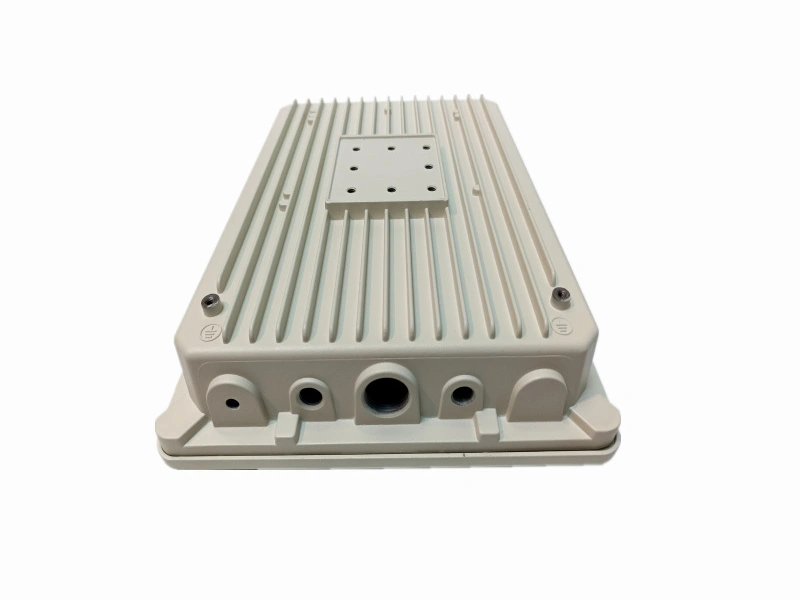
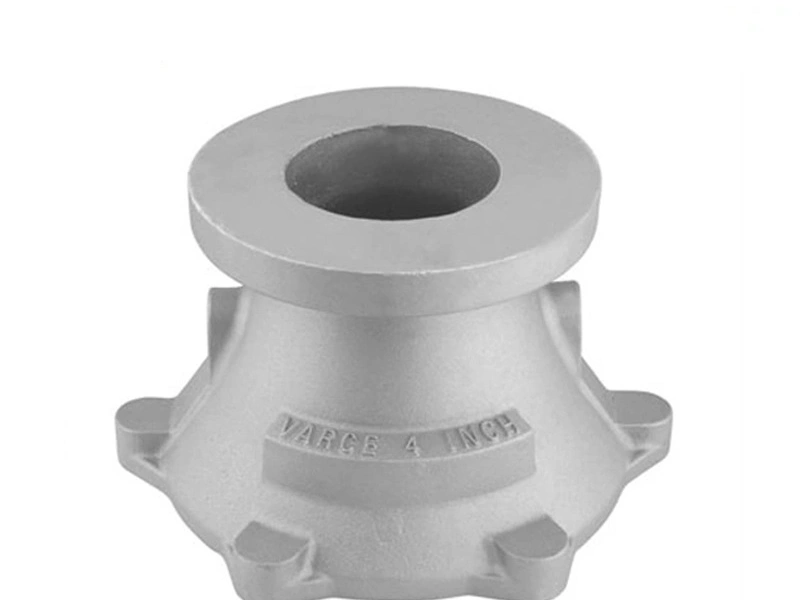
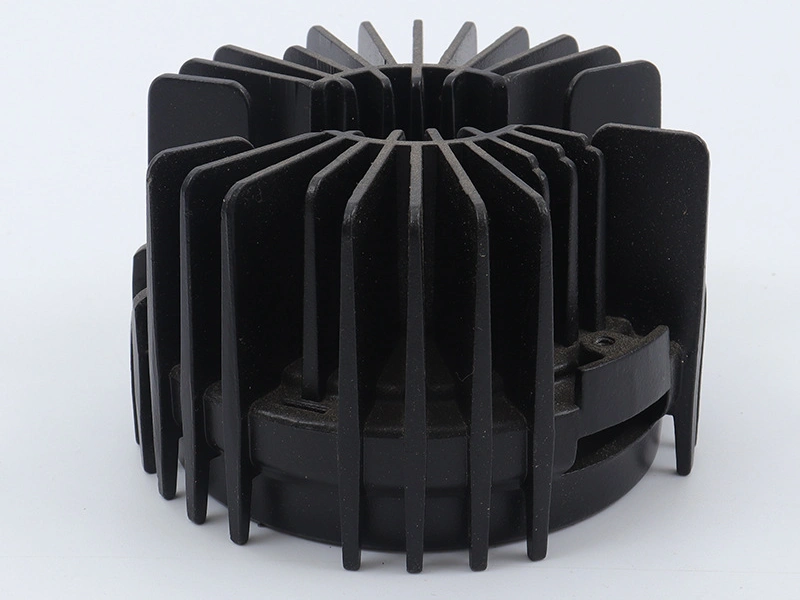
Custom die casting parts are used when buyers need metal components made according to product drawings, samples, performance requirements, assembly needs, surface finish standards, and production volume targets. These parts may be made from aluminum, zinc, copper, or other casting materials depending on strength, weight, conductivity, appearance, and application environment.
When buyers source custom die casting parts, they are usually not only asking for a casting blank. They need a complete manufacturing solution that can turn a drawing into a reliable finished metal part through material selection, engineering review, tooling, die casting, CNC machining, surface finishing, inspection, assembly, and production scaling.
This guide explains how buyers can plan custom die cast components from early design review to prototype validation, low-volume trial production, and stable mass production.
Why Buyers Search for Custom Die Casting Parts
Buyers searching for custom die casting parts usually already have a product drawing, sample, or custom metal part requirement. They may need a housing, cover, bracket, connector, handle, heat-related part, industrial component, or finished assembly that must meet specific dimensions, material performance, appearance, and production requirements.
The search intent is usually commercial. Buyers want to find a manufacturer that can evaluate whether the part is suitable for die casting, choose the right material, build tooling, control casting quality, machine critical features, apply surface finishing, inspect the parts, and support repeat orders.
Buyer Need | What It Usually Means | Manufacturing Capability Needed |
|---|---|---|
Custom metal casting parts | The buyer needs metal parts made according to drawings or samples. | Material review, DFM support, tooling, casting, and inspection. |
Precision die casting parts | The part has critical dimensions, functional surfaces, holes, or assembly requirements. | CNC machining, post-machining, CMM inspection, and fit validation. |
Finished die casting parts | The buyer needs parts with machining, finishing, coating, inspection, or assembly completed. | Surface finishing, post-process control, assembly support, and secure packaging. |
High-volume die casting parts | The buyer needs stable repeat production after sample approval. | Tooling maintenance, process control, batch records, and mass production planning. |
A strong custom die casting project should not move directly from quotation to production. It should start with material selection, design review, tooling planning, and validation before scaling.
Common Types of Custom Die Casting Parts
Custom die casting parts can cover many product categories and materials. Some parts need lightweight aluminum. Some need detailed zinc alloy casting. Some need copper alloy performance for electrical or thermal applications. The correct material and process depend on how the part will be used.
Custom Die Casting Part Type | Common Material Option | Buyer Focus |
|---|---|---|
Housings and covers | Aluminum, zinc | Appearance, assembly fit, wall thickness, surface finishing, and coating quality. |
Brackets and frames | Aluminum, zinc | Strength, hole position, flatness, machining, and dimensional consistency. |
Connectors and terminals | Zinc, copper | Conductivity, dimensional accuracy, surface protection, and assembly reliability. |
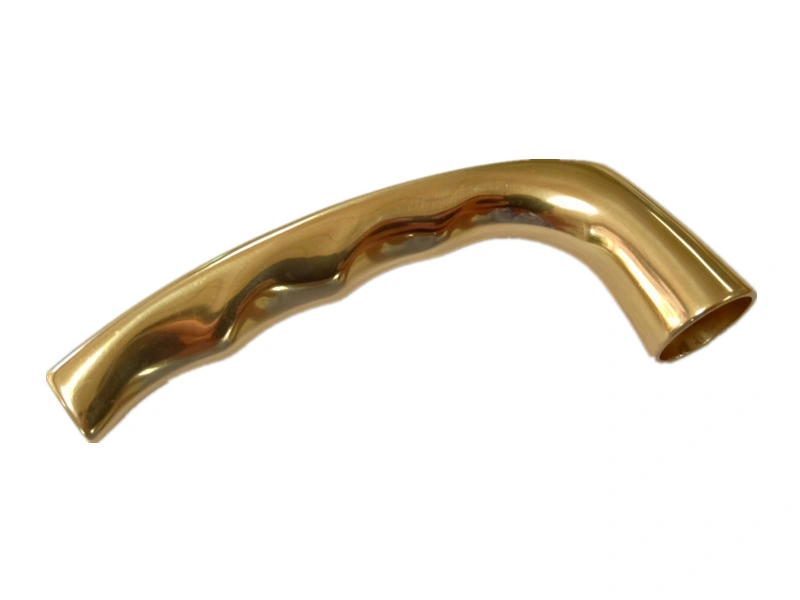
Handles and hardware | Zinc, aluminum | Appearance, wear resistance, coating, hand feel, and long-term durability. |
Heat-related parts | Aluminum, copper | Thermal performance, structure, machining, and surface treatment. |
Industrial components | Aluminum, zinc, copper | Durability, inspection, corrosion protection, and mass production consistency. |
This broader material range is why custom die casting parts are a good fit for the metal casting page. The buyer may not yet know whether aluminum, zinc, or copper is the best option, so the supplier should help evaluate the project from the part function and production goal.
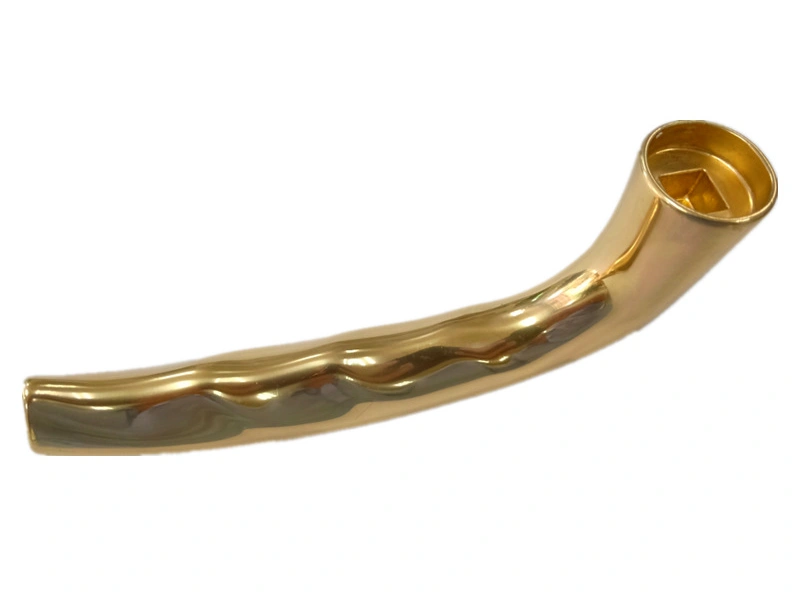
How to Choose Materials for Custom Die Casting Parts
Material selection is one of the most important decisions for custom die casting parts. The right material affects weight, strength, dimensional stability, conductivity, thermal performance, corrosion resistance, surface finishing, machining, and long-term production cost.
Buyers should not choose materials only by unit price. The material must match the part’s function, geometry, production volume, finishing requirement, and final use environment.
Material | Suitable Custom Die Casting Parts | Main Advantage |
|---|---|---|
Lightweight housings, brackets, frames, heat sinks, structural parts. | Light weight, good strength, heat dissipation, and suitability for larger structures. | |
Small complex parts, hardware, decorative parts, assembly components. | Good detail reproduction, dimensional stability, surface quality, and metal feel. | |
Electrical parts, thermal parts, terminals, connectors, conductive components. | Strong direction for electrical conductivity, thermal conductivity, and corrosion resistance. | |
Brass or copper alloys | Valves, pump parts, fittings, connectors, mechanical components. | Good corrosion resistance, mechanical performance, and functional reliability. |
Projects requiring material comparison before production. | Helps buyers compare aluminum, zinc, copper, and related casting material options. |
For custom die cast components, the supplier should review strength, weight, thermal needs, electrical needs, appearance, machining, surface finishing, corrosion protection, and assembly requirements before recommending a material.
Custom Die Casting Parts vs CNC Machining, 3D Printing and Sand Casting
Die casting is not always the best manufacturing method for every project. Buyers should compare die casting with CNC machining, 3D printing, sand casting, and urethane casting based on production volume, material, complexity, surface quality, cost, and delivery requirements.
Manufacturing Option | Better For | Limitation |
|---|---|---|
Die casting | Medium to high-volume metal parts, complex shapes, repeat production, finished components. | Requires tooling investment and early manufacturability review. |
Low-volume high-precision solid parts, prototypes, and critical machined features. | Can be costly for high-volume complex parts with cast geometry. | |
Fast prototypes, early design validation, and complex trial parts. | Limited for many metal mass production requirements. | |
Large parts, low-volume castings, and flexible metal casting projects. | Lower surface quality and dimensional precision compared with die casting. | |
Appearance prototypes and plastic-like trial parts. | Not suitable for metal production parts requiring die casting performance. |
If a metal part has stable quantity demand, complex geometry, repeatable design, and long-term production potential, custom die casting parts may be more scalable than machining every part from solid material.
How Drawings Become Manufacturable Custom Die Casting Parts
A drawing is not only used for quotation. It is the foundation for manufacturability review, material selection, tooling design, machining planning, surface finishing, quality inspection, and production scaling.
For custom die casting parts, the supplier should review the 3D model, 2D drawing, material requirement, cosmetic surfaces, machined areas, assembly interfaces, surface treatment notes, and expected annual quantity before tooling begins.
Drawing Information | Manufacturing Impact |
|---|---|
Material requirement | Determines whether aluminum, zinc, copper, or another casting material is suitable. |
Critical dimensions | Define CNC machining areas, inspection focus, assembly datums, and functional tolerances. |
Cosmetic surfaces | Guide parting line, ejector mark, gate location, finishing, and packaging planning. |
Machined areas | Determine machining allowance, fixture design, cost, lead time, and inspection method. |
Assembly interfaces | Define functional testing, trial assembly, mating fit, and post-machining priorities. |
Annual quantity | Affects tooling strategy, cavity number, production method, and unit cost planning. |
Early design support for custom die casting parts and engineering support for custom die casting can help buyers identify wall thickness issues, draft problems, machining conflicts, cosmetic risks, and assembly concerns before mold manufacturing.
Tooling Planning for Custom Die Casting Parts
Tooling planning determines whether custom die casting parts can be produced consistently. A mold affects filling, shrinkage, venting, cooling, ejection, surface quality, dimensional stability, and long-term production repeatability.
For custom die casting projects, tooling for custom die casting parts should be reviewed together with material, part geometry, production volume, surface finishing, and post-machining requirements.
Tooling Factor | Impact on Custom Die Casting Parts |
|---|---|
Parting line | Affects appearance, trimming, coating quality, and assembly edges. |
Gate location | Affects filling, flow marks, post-machining areas, surface quality, and trimming needs. |
Venting | Affects porosity, short fill, internal defects, and surface quality. |
Cooling | Affects dimensional stability, deformation, shrinkage, and cycle consistency. |
Ejector layout | Affects visible surfaces, deformation risk, and part release stability. |
Mold maintenance | Affects flash, burrs, tool wear, dimensional drift, and long-term batch consistency. |
Tooling material also matters. Buyers can review tool materials for die casting molds and options such as H13 die casting mold steel when mold life, heat resistance, and repeat production stability are important.
Post-Machining for Custom Die Casting Parts
Many custom die casting parts require partial post-machining after casting. The goal is not to machine every surface, but to control the features that affect assembly, sealing, fastening, bearing fit, alignment, and final function.
Properly separating as-cast areas from machined areas helps control cost while protecting critical performance.
Machined Feature | Why It Matters | Control Method |
|---|---|---|
Threaded holes | Support fastening reliability and repeat assembly. | Tapping, thread gauge inspection, torque check, and burr removal. |
Sealing surfaces | Support sealing, contact quality, and leak prevention. | CNC machining, flatness check, and surface inspection. |
Locating holes | Control assembly position and product alignment. | Fixture inspection, CMM measurement, and datum control. |
Mounting faces | Improve assembly stability and contact consistency. | Post-machining for custom die casting parts and flatness control. |
Bearing seats | Support coaxiality, fit, roundness, and functional movement. | Precision machining, bore inspection, and fit verification. |
O-ring grooves | Support sealing reliability and assembly repeatability. | CNC machining, surface check, and dimensional inspection. |
Integrated CNC machining for custom die casting parts helps keep casting datums, machining allowance, fixtures, inspection, and assembly requirements aligned. For functional parts, CNC post-machining for assembly fit can improve final reliability.
Surface Finishing Options for Custom Die Casting Parts
Surface finishing affects appearance, corrosion resistance, wear resistance, coating thickness, hand feel, assembly clearance, and final product value. For custom die casting parts, finishing should be considered during drawing review and tooling planning, not after casting is complete.
Surface Finish | Suitable Custom Die Casting Parts | Buyer Concern |
|---|---|---|
Housings, covers, consumer product parts, and visible shells. | Color, adhesion, masking, surface preparation, and cosmetic consistency. | |
Industrial parts, protective parts, coated die cast components. | Coating thickness, edge coverage, durability, and assembly clearance. | |
Selected aluminum die cast parts with appearance or protection requirements. | Alloy compatibility, surface quality, color variation, and process suitability. | |
Matte surfaces, coating preparation, and uniform texture requirements. | Surface roughness, appearance consistency, and downstream coating compatibility. | |
Small parts, deburring, edge smoothing, and batch finishing. | Edge consistency, small feature protection, and part-to-part contact control. | |
Decorative coating | Appearance parts, consumer-facing hardware, trims, and premium components. | Surface quality, color consistency, handling, and packaging protection. |
Anti-corrosion coating | Outdoor parts, humid environment parts, and protective metal components. | Protection level, service environment, coating durability, and inspection. |
A complete post processing for custom die casting parts plan should include finishing method, surface preparation, masking, coating thickness, visual standards, and packaging protection.
Quality Inspection for Custom Die Casting Parts
Quality inspection for custom die casting parts must cover material, dimensions, internal quality, surface condition, machining, coating, assembly, and packaging. Visual inspection alone is not enough for parts with functional or repeat production requirements.
Inspection Item | Why It Matters |
|---|---|
Material verification | Ensures the casting material matches strength, weight, conductivity, corrosion, or application needs. |
Verifies critical dimensions, datums, machined areas, and assembly interfaces. | |
Helps detect internal defects in custom metal parts where reliability matters. | |
Thread gauge inspection | Confirms threaded holes, fastening areas, and screw assembly reliability. |
Surface inspection | Controls appearance quality, visible defects, polishing marks, and coating readiness. |
Coating inspection | Checks coating thickness, adhesion, appearance, corrosion protection, and assembly clearance. |
Functional testing | Confirms the part works in the final use condition, not only as an isolated casting. |
Batch records | Support repeat production, traceability, problem solving, and long-term supply control. |
For long-term projects, quality control for custom die casting parts should include first article inspection, batch sampling, process records, tooling maintenance records, and approved sample references.
From Prototype to Mass Production for Custom Die Casting Parts
Custom die casting parts should move through a controlled validation process. This is especially important when parts include functional dimensions, surface finishing, post-machining, assembly, or long-term repeat production requirements.
Stage | Main Purpose | Buyer Decision |
|---|---|---|
Design review | Judge whether the part is suitable for die casting. | Decide whether drawing geometry, wall thickness, ribs, holes, or cosmetic surfaces need optimization. |
Material selection | Choose aluminum, zinc, copper, or another suitable casting material. | Confirm material direction based on function, weight, surface, conductivity, and environment. |
Tooling plan | Build the mold foundation for repeatable production. | Approve mold design, cavity plan, parting line, gate, venting, ejector, and maintenance strategy. |
Trial casting | Verify filling, shrinkage, surface quality, dimensions, and internal defects. | Decide whether mold modification or process adjustment is needed. |
Sample approval | Confirm appearance, dimensions, machining, finishing, and function. | Decide whether the project can move into trial production. |
Low-volume trial | Verify batch stability before full production. | Confirm inspection standards, production parameters, packaging, and supplier readiness. |
Mass production | Support stable long-term delivery. | Establish repeat order standards, quality records, tooling maintenance, and production traceability. |
Buyers can use prototype custom die casting parts for early validation, low-volume custom die casting parts for trial production, and mass production custom die casting parts for stable repeat orders.
How to Choose a Custom Die Casting Parts Manufacturer
A custom die casting parts manufacturer should support more than raw casting production. Buyers should evaluate whether the supplier can help with material selection, DFM review, engineering support, tooling, die casting production, CNC machining, post-machining, surface finishing, inspection, testing, assembly, packaging, and production scaling.
This is especially important for buyers who need finished die casting parts instead of unfinished blanks. A complete supplier should help connect design, material, tooling, machining, finishing, quality, and delivery.
Manufacturer Capability | Why It Matters | Buyer Benefit |
|---|---|---|
Material selection | Different parts may require aluminum, zinc, copper, or other casting materials. | Helps match material performance with final product requirements. |
Aluminum, zinc, and copper die casting | Different materials support different weight, strength, appearance, and conductivity needs. | Gives buyers a broader material solution instead of forcing one process direction. |
DFM and engineering support | Design issues can cause tooling changes, defects, machining conflicts, or assembly risk. | Improves manufacturability before mold investment. |
Tool and die making | The mold controls filling, surface quality, dimensions, and production repeatability. | Supports stable production from sample to repeat orders. |
CNC and post-machining | Critical features often need tighter accuracy than as-cast surfaces. | Improves fit, sealing, fastening, and functional performance. |
Surface finishing | Finishing affects appearance, corrosion protection, wear, coating thickness, and final value. | Supports finished die casting parts ready for end use. |
Inspection and testing | Quality must be verified through dimensions, surface, material, internal defects, and function. | Reduces incoming inspection failures and long-term quality risk. |
Assembly and packaging | Some projects need ready-to-use components, not single castings. | Reduces buyer-side secondary operations and delivery damage. |
A one-stop custom die casting parts manufacturer can help buyers manage the full workflow from material and design review to tooling, casting, machining, finishing, inspection, assembly, packaging, and mass production.
Summary
Custom die casting parts are suitable for buyers who need made-to-order metal components with controlled material performance, complex geometry, repeatable dimensions, surface finishing, machining, inspection, and long-term production support. They may include aluminum die cast parts, zinc die cast parts, copper alloy parts, precision die casting parts, machined die cast parts, and finished die casting components.
To source custom die casting parts successfully, buyers should start with the part function, then evaluate material selection, drawing manufacturability, tooling, post-machining, surface finishing, inspection, prototype validation, low-volume trial production, and mass production planning.
Planning Area | Key Buyer Question | Recommended Action |
|---|---|---|
Material selection | Which material best fits the custom part? | Compare aluminum, zinc, copper, and related casting materials based on weight, strength, conductivity, appearance, and environment. |
Design review | Can the drawing be manufactured reliably? | Review wall thickness, draft, ribs, bosses, cosmetic surfaces, machined areas, and assembly interfaces. |
Tooling | Can the mold support stable repeat production? | Plan parting line, gate, venting, cooling, ejector layout, mold material, and maintenance. |
Post-machining | Which features need tighter accuracy? | Define threaded holes, sealing surfaces, locating holes, mounting faces, bearing seats, and O-ring grooves. |
Surface finishing | How should the part look and perform after casting? | Plan painting, powder coating, anodizing, sand blasting, tumbling, decorative coating, or corrosion protection early. |
Quality control | How will the part be verified? | Use material verification, CMM inspection, X-ray inspection, thread gauge checks, surface inspection, coating inspection, and batch records. |
Production scaling | How can the project move safely from sample to long-term production? | Use prototype validation, tooling trials, sample approval, low-volume trial runs, and mass production standards. |
FAQ
How Should Buyers Choose Materials for Custom Die Casting Parts?
How Can Custom Die Casting Parts Be Designed for Reliable Manufacturing?
What Manufacturing Steps Turn Custom Die Casting Parts Into Finished Components?
How Should Quality Requirements Be Defined for Custom Die Casting Parts?
How Can Custom Die Casting Parts Be Scaled From Pilot Runs to Long-Term Production?