How Can Custom Die Casting Parts Be Scaled From Pilot Runs to Long-Term Production?
How Can Custom Die Casting Parts Be Scaled From Pilot Runs to Long-Term Production?
Custom die casting parts can be scaled from pilot runs to long-term production by confirming tooling condition, sample approval, material records, machining standards, surface finish samples, inspection checklists, packaging requirements, batch traceability and production capacity. A successful sample should become a controlled production standard before repeat orders begin.
1. Why Pilot Runs Are Important Before Long-Term Production
Pilot runs help verify whether the approved sample can be repeated in a small batch. This is different from producing one or two samples. A pilot run can reveal tooling stability, dimensional variation, machining fixture issues, finishing differences, packaging risks and inspection gaps before mass production.
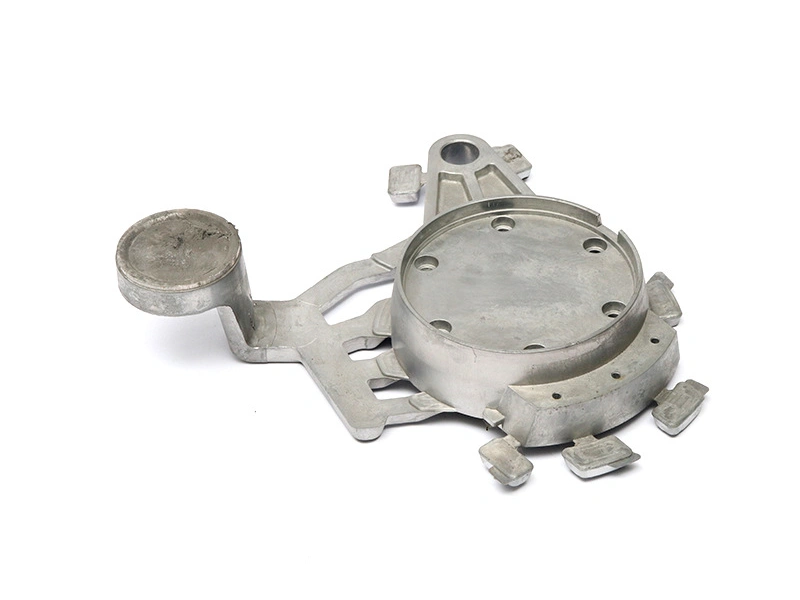
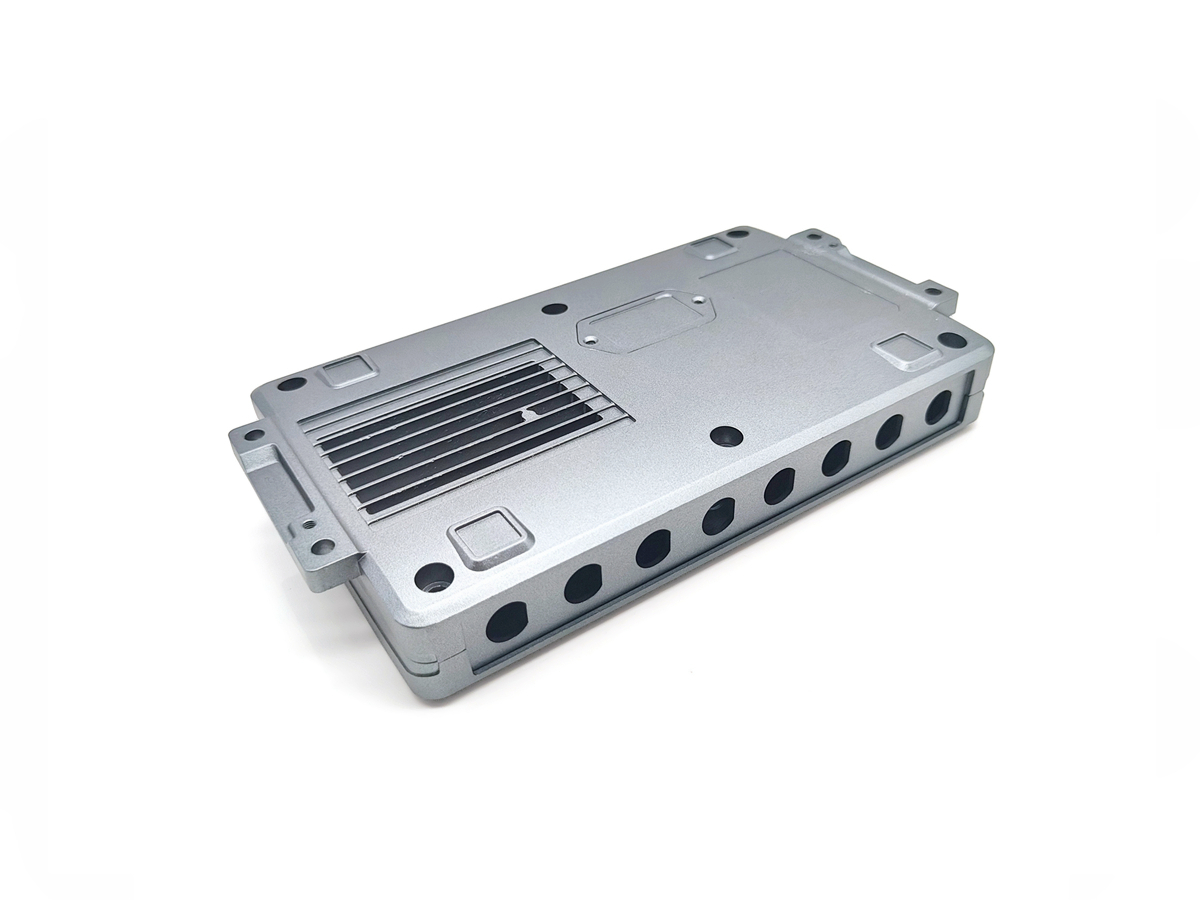
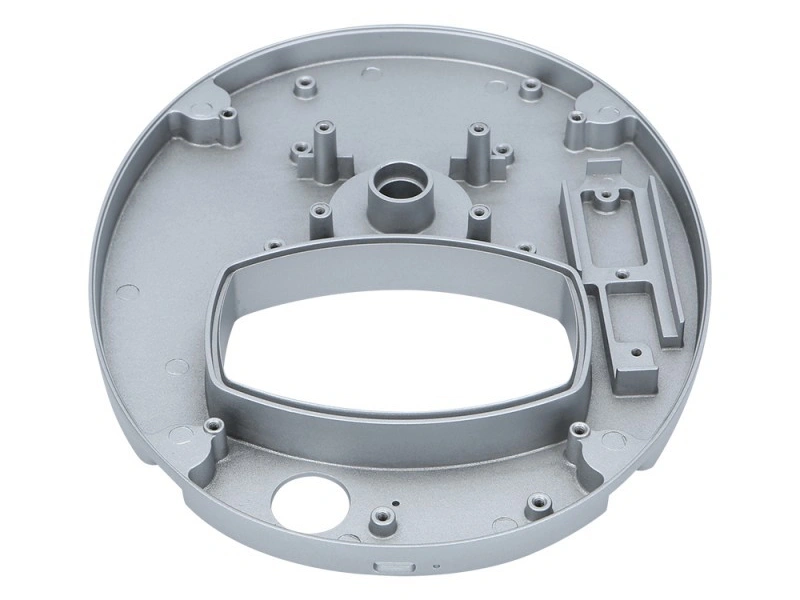
For custom die casting parts, moving directly from sample approval to large production can create avoidable quality risk. Neway can support prototype custom die casting parts, low-volume custom die casting parts and mass production custom die casting parts based on project maturity.
Scaling Stage | Buyer Should Confirm | Supplier Should Control |
|---|---|---|
Sample approval | Dimensions, appearance, material, function and finish | Inspection records and approved samples. |
Pilot run | Small-batch stability and repeatability | Process control and early production monitoring. |
Tooling review | Mold condition and repair history | Mold maintenance and tooling records. |
Finish approval | Surface standard, color, texture and coating thickness | Approved finish samples and finishing process control. |
Inspection checklist | Critical dimensions, tests and appearance limits | Quality control plan and inspection reporting. |
Production release | Final drawing, process, inspection and delivery standard | Controlled production and batch records. |
Repeat orders | Batch consistency and version control | Traceability records and repeat production standards. |
2. What Should Be Locked Before Production Release?
Before production release, buyers should confirm the final drawing revision, approved sample, tooling condition, material standard, CNC machining requirements, surface finish sample, inspection checklist, packaging method and delivery requirements. These documents help make sure future batches follow the same standard as the approved sample.
If the mold was modified during sample development, the tooling record should be checked before repeat orders. Neway can support tooling for custom die casting production and mold maintenance planning for long-term projects.
3. How Quality Control Supports Repeat Production
Long-term production can become unstable if process control, tooling maintenance, inspection standards and traceability are not maintained. Dimensional drift, surface finish variation, machining fixture wear, color differences and packaging damage can all appear after the first approved batch.
Neway can support quality control for repeat production so critical dimensions, cosmetic standards, process records and batch inspection are carried across future orders.
Scaling Risk | Possible Result | Recommended Control |
|---|---|---|
Sample passes but no production standard exists | Repeat orders may not match approved parts. | Create inspection checklist and production release documents. |
No pilot run before mass production | Batch problems may appear too late. | Use low-volume validation before larger orders. |
Tooling maintenance is delayed | Flash, burrs and dimensions may drift. | Use mold maintenance records and tooling condition checks. |
Surface finish varies by batch | Color, gloss or coating thickness may be inconsistent. | Use approved finish samples and finishing standards. |
Machining fixture wears over time | Hole positions or datum features may shift. | Use fixture checks, CMM inspection and batch records. |
Packaging changes during repeat orders | Finished parts may be scratched or damaged. | Use fixed packaging standards and delivery checks. |
4. How Neway Supports Long-Term Production
Neway can help buyers scale custom die casting parts from prototype and pilot runs to long-term mass production through tooling control, material records, post-machining standards, surface finish samples, inspection checklists, packaging requirements and production traceability.
For finished parts, Neway can also support secure packaging for finished die cast parts so parts remain protected after machining, finishing and inspection.
Summary
Buyer Stage | Recommended Action |
|---|---|
Sample approval | Confirm dimensions, appearance, function, material and finish requirements. |
Pilot run | Verify small-batch stability before mass production. |
Production release | Lock drawings, tooling status, process standards, inspection checklists and packaging rules. |
Repeat orders | Use traceability records, tooling maintenance and quality control to maintain consistency. |