How Should Buyers Choose Materials for Custom Die Casting Parts?
How Should Buyers Choose Materials for Custom Die Casting Parts?
Buyers should choose materials for custom die casting parts by matching the part's weight, strength, corrosion resistance, thermal performance, electrical conductivity, surface finish, assembly method and production volume. Aluminum, zinc and copper alloys each fit different custom part requirements, so material selection should be based on final application instead of material price alone.
1. Why Material Selection Matters Before Quotation and Tooling
Material choice affects tooling design, casting parameters, post-machining, surface finishing, inspection method and long-term production stability. A lightweight housing, a decorative small component, a conductive part and a corrosion-resistant fitting may all be custom die casting parts, but they should not use the same material strategy.
Before quotation, buyers should share drawings, application environment, surface finish requirements, assembly method, mechanical requirements and annual volume. Neway can then support casting material selection and engineering support for die casting projects.
Material Option | Suitable Custom Die Casting Parts | Buyer Concern |
|---|---|---|
Lightweight housings, brackets, covers and heat-related parts | Weight, strength, thermal use and surface treatment compatibility. | |
Small complex parts, decorative parts, hardware and assembly components | Fine detail, surface finish, dimensional stability and repeatability. | |
Conductive, thermal or corrosion-related parts | Electrical conductivity, heat transfer and corrosion behavior. | |
Brass alloys | Valves, fittings and selected mechanical parts | Strength, corrosion resistance and functional performance. |
2. How Aluminum, Zinc and Copper Alloys Differ
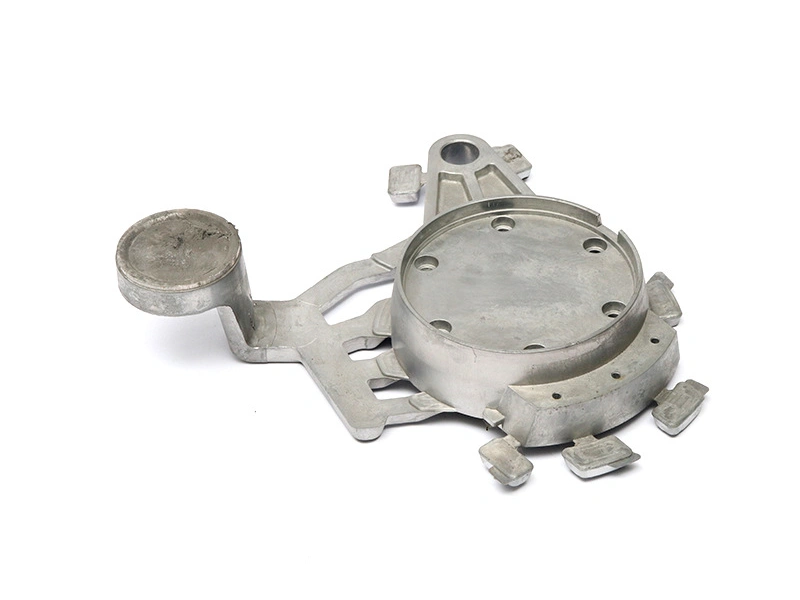
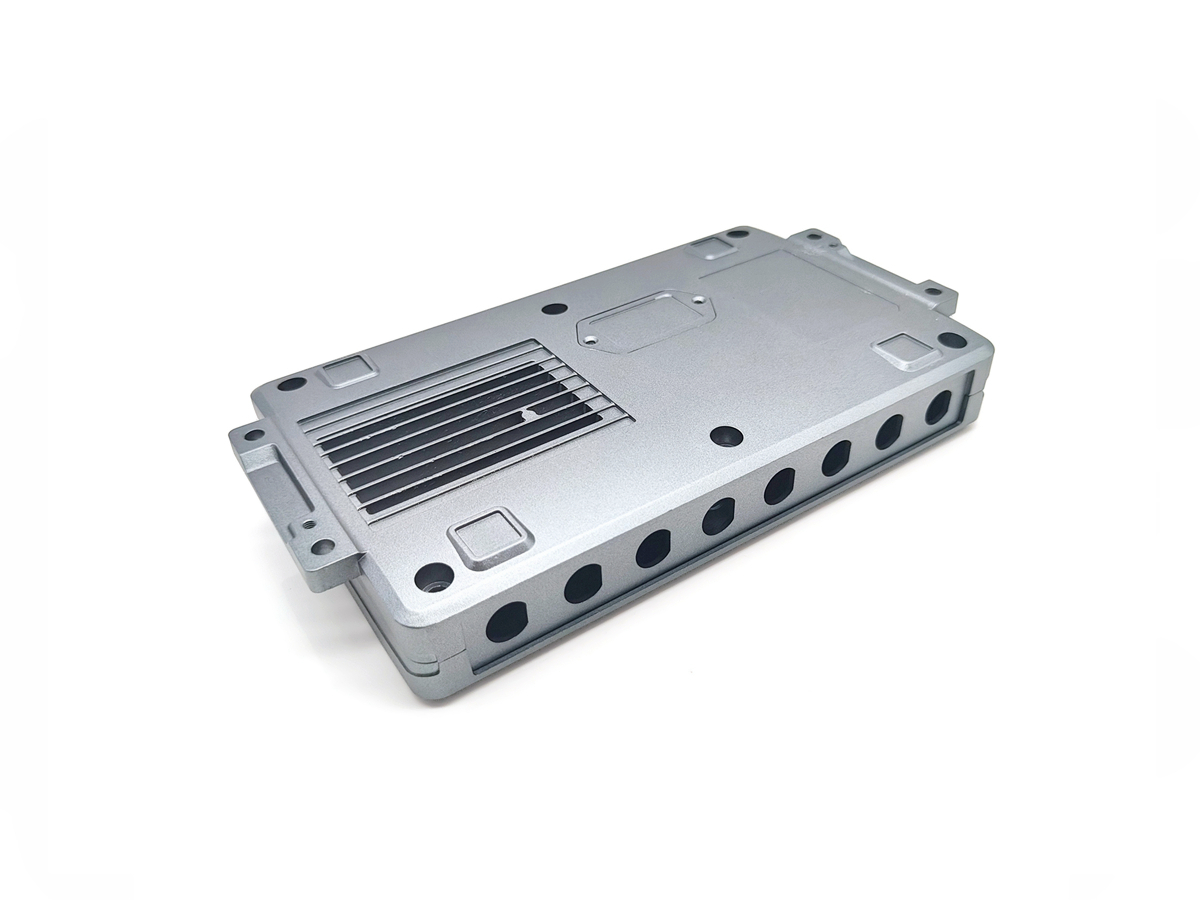
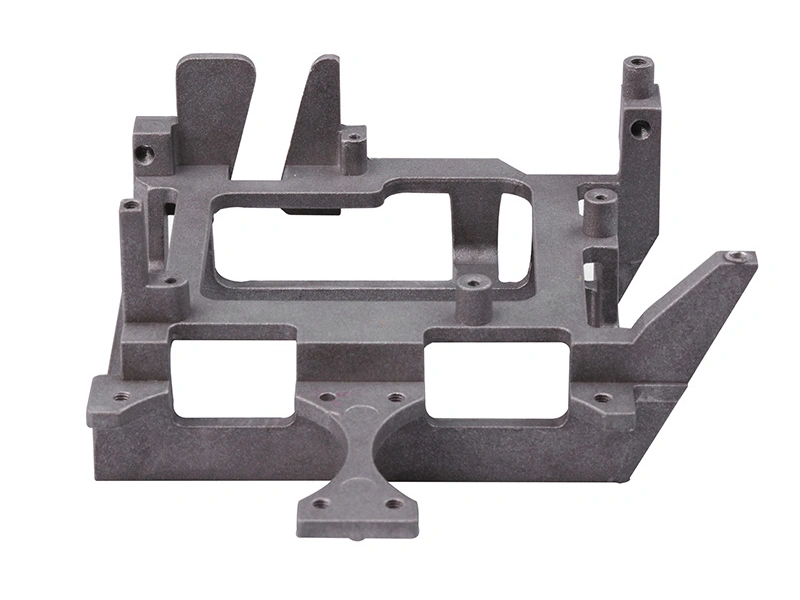
Aluminum die casting parts are often suitable for lightweight housings, structural brackets, covers, automotive parts and heat-related components. Aluminum can help reduce weight while still providing useful strength for many mechanical applications.
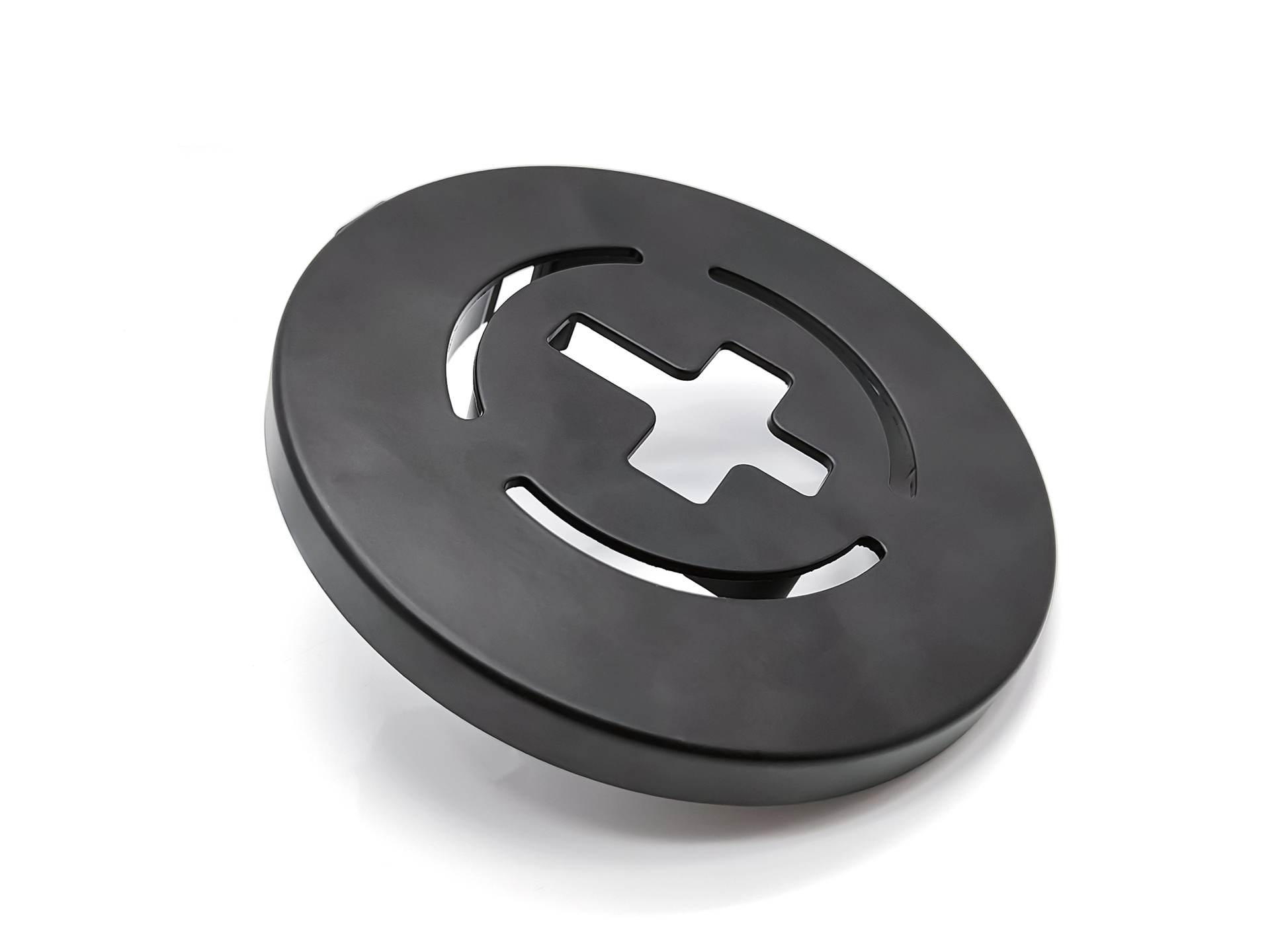
Zinc die casting parts are more suitable for small complex parts, decorative parts, locks, hardware, connectors, precision components and assembly-ready parts. Zinc alloys can support fine details, stable dimensions and good surface finishing.
Copper die casting parts are often selected when electrical conductivity, thermal performance or corrosion resistance matters. Copper and brass-related alloys may be useful for electrical, thermal, valve, fitting or mechanical applications where material performance is more important than weight reduction.
3. How Material Choice Affects Machining, Finishing and Assembly
Material selection should be reviewed together with machining, surface finishing and assembly. Some materials are better for lightweight structures, while others are better for detailed surfaces or conductive applications. If the part needs tight holes, sealing faces, threads or mating features, the buyer should also confirm whether CNC post-machining is needed.
Surface finishing must also match the material. Decorative zinc parts, coated aluminum housings and copper conductive parts may need different finish standards, inspection methods and packaging protection.
Material Selection Risk | Possible Result | Better Planning Method |
|---|---|---|
Choosing only by material price | The part may fail in strength, weight, finishing or performance. | Choose material based on final use and production volume. |
Using high-density material for lightweight parts | The final product may be too heavy. | Review aluminum die casting when weight reduction matters. |
Ignoring surface finish compatibility | Appearance defects or coating problems may appear later. | Review material and surface finishing together. |
Ignoring conductivity or thermal needs | The part may not perform in electrical or heat-related applications. | Review copper alloy options when conductivity matters. |
Material choice is separated from assembly needs | Machining, coating or fit problems may appear after tooling. | Review material, machining, finishing and assembly as one project. |
4. How Neway Supports Material Selection
If buyers are not sure whether custom die casting parts should use aluminum, zinc, copper or another casting material, Neway can evaluate the drawing, application, performance requirements, surface finish, assembly method and mass production goal together. This helps prevent material mismatch before tooling and reduces later rework.
Summary
Buyer Question | Recommended Material Direction |
|---|---|
Which material is best for lightweight housings? | Aluminum die casting is often suitable for lightweight structural and housing parts. |
Which material is best for small decorative parts? | Zinc die casting is often suitable for small complex and cosmetic components. |
Which material is best for conductivity? | Copper die casting should be reviewed when electrical or thermal performance matters. |
When should Neway review the material? | Before quotation and tooling, especially when function, finishing and assembly requirements are linked. |