What Manufacturing Steps Turn Custom Die Casting Parts Into Finished Components?
What Manufacturing Steps Turn Custom Die Casting Parts Into Finished Components?
Custom die casting parts become finished components through material selection, tooling, trial casting, production casting, CNC post-machining, deburring, surface finishing, inspection, assembly and packaging. The required steps depend on the part's function, appearance and final use. Buyers who need ready-to-use components should not treat die casting as only a blank-making process.
1. Why Finished Components Need More Than Basic Casting
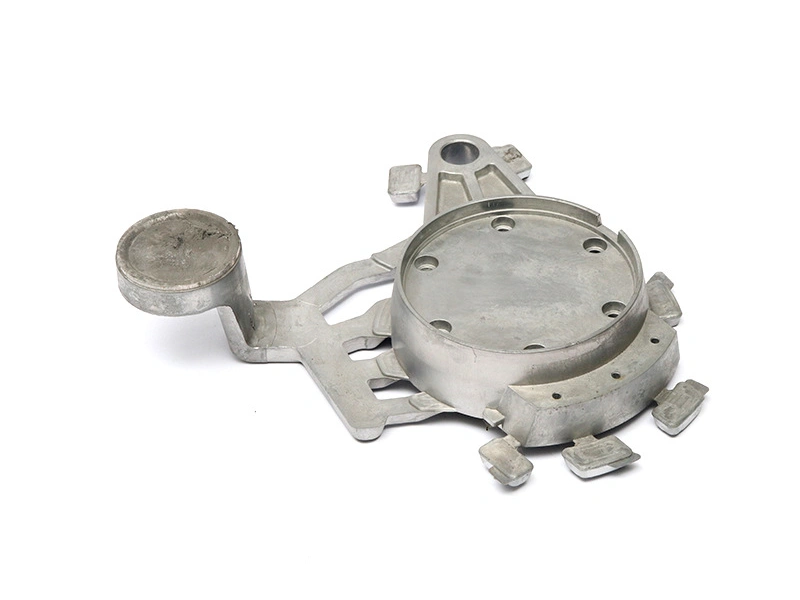
A casting blank may provide the basic part shape, but many custom die casting parts still need machined holes, threads, datum surfaces, surface finishing, cosmetic inspection, assembly and protective packaging. If the quotation only includes casting, the buyer may still need to coordinate CNC machining, post-processing, inspection and assembly with separate suppliers.
Neway can help buyers turn custom die casting parts into finished components through one-stop custom die casting parts manufacturer support.
Manufacturing Step | Purpose | Buyer Value |
|---|---|---|
Material selection | Matches application requirements | Avoids wrong material choice before tooling. |
Tooling | Builds the production foundation | Supports stable forming and repeat production. |
Die casting | Produces the basic part geometry | Repeats complex shapes efficiently in batches. |
CNC post-machining | Controls functional dimensions | Improves assembly fit and critical features. |
Surface finishing | Improves appearance and protection | Increases final product value and durability. |
Inspection | Verifies dimensions, appearance and quality | Reduces batch risk and customer complaints. |
Assembly | Turns parts into components | Reduces buyer-side secondary coordination. |
Packaging | Protects finished parts during delivery | Reduces shipping damage and surface scratches. |
2. How CNC Post-Machining and Deburring Support Function
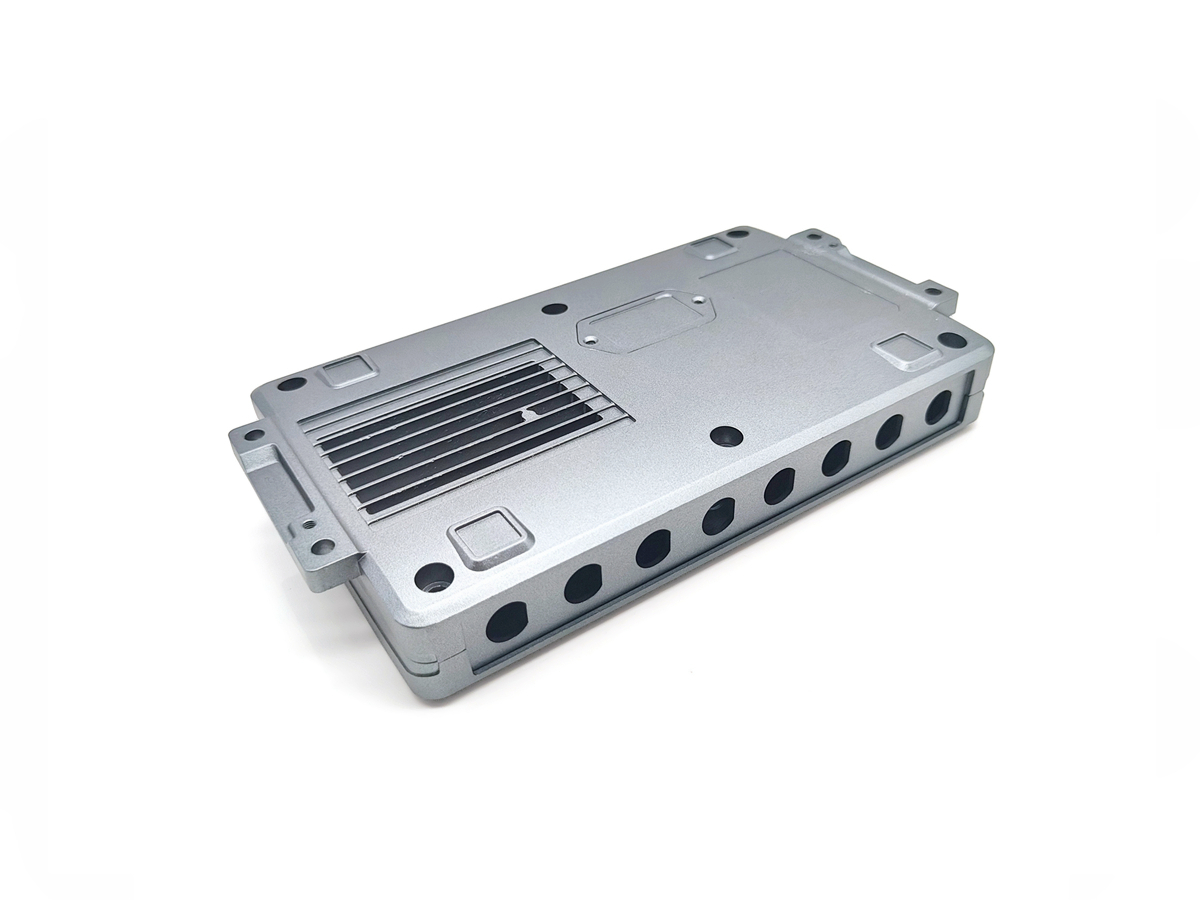
CNC machining for die cast parts is often needed for threaded holes, precision bores, mounting faces, sealing surfaces, datum features and assembly interfaces. Post-machining for die casting parts helps protect functional dimensions that cannot rely on as-cast accuracy alone.
After machining, deburring and edge control may be needed so burrs do not interfere with assembly, surface finishing or user handling. These steps should be planned before production instead of treated as last-minute corrections.
3. How Surface Finishing, Assembly and Packaging Complete the Part
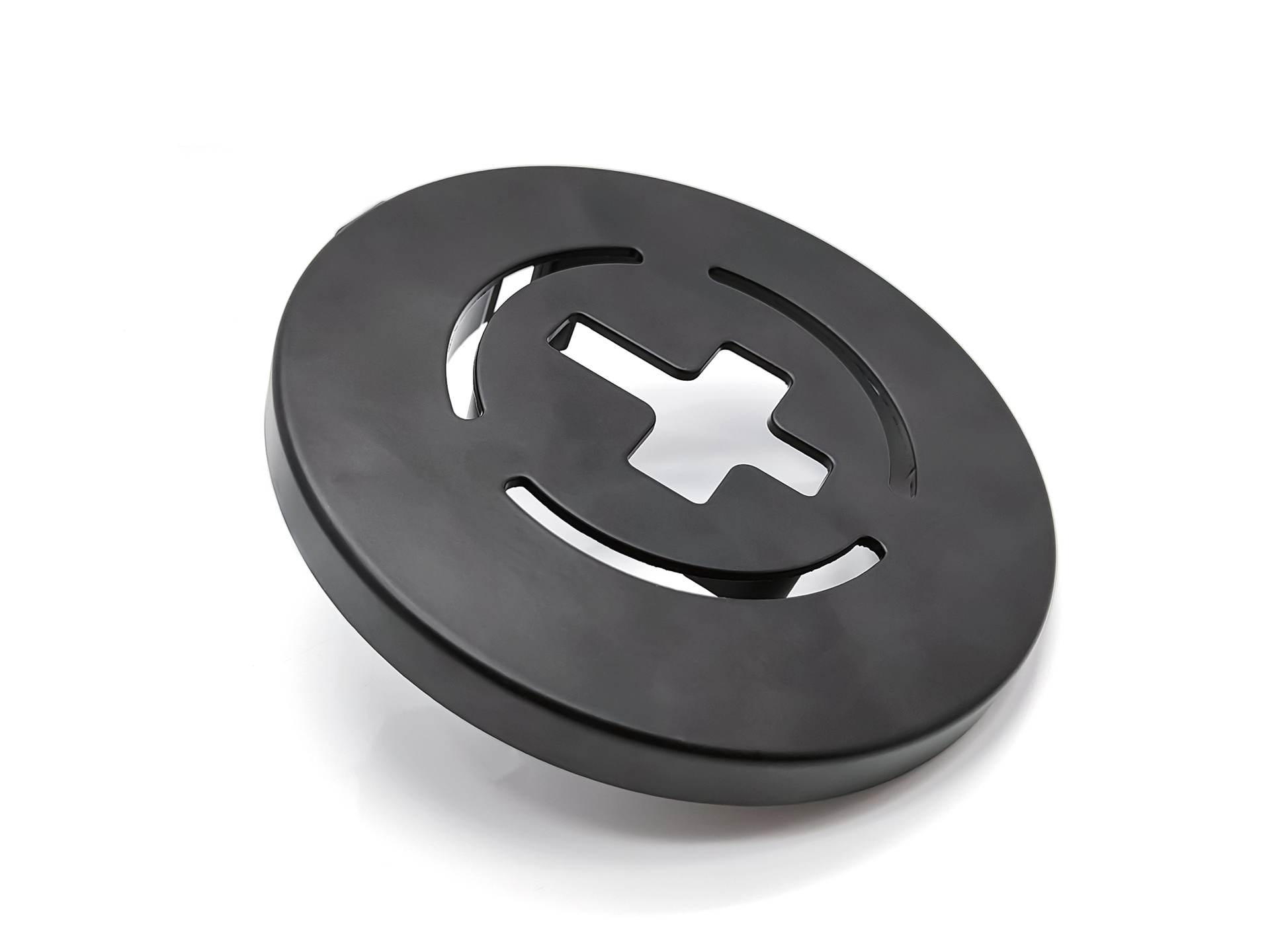
Surface finishing for die cast parts can include painting, powder coating, anodizing, decorative coatings or other processes depending on material and final use. Surface finish affects appearance, corrosion protection, touch feel and assembly clearance.
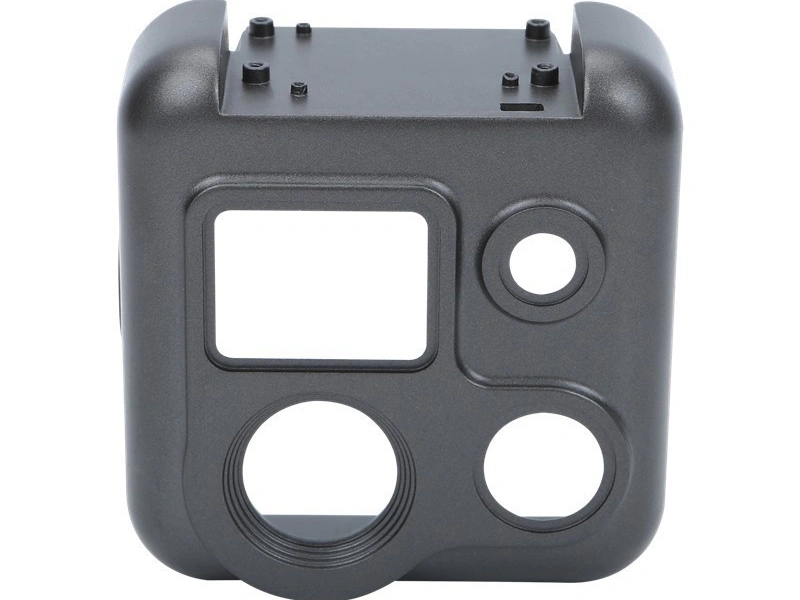
If the buyer needs a ready-to-use component, assembly service for die cast components may also be required. Finished components should then be packed carefully using custom assembly and secure packaging to protect surfaces, machined features and assembled parts.
Production Risk | Possible Result | Better Control |
|---|---|---|
Quotation only includes casting | Buyer still needs to manage machining, finishing and assembly separately. | Clarify whether finished component delivery is required. |
Casting and machining are separated | Dimensional responsibility may become unclear. | Coordinate casting, machining and inspection in one workflow. |
Surface finishing affects assembly | Coating thickness may reduce clearance or change fit. | Review finishing thickness and final dimensions together. |
No final inspection standard | Finished components may not meet functional or cosmetic expectations. | Define inspection standards before production release. |
No protective packaging | Finished surfaces may be scratched or damaged during shipment. | Use secure packaging for finished die cast components. |
4. How Neway Helps Deliver Finished Components
Neway’s value is not only producing casting blanks. Neway can help buyers coordinate material selection, tooling, die casting, CNC post-machining, surface finishing, inspection, assembly and packaging so custom die casting parts can become finished components ready for product manufacturing.
Summary
Buyer Need | Recommended Manufacturing Scope |
|---|---|
Only basic part shape is needed. | Die casting may be enough if no functional or cosmetic finishing is required. |
Functional dimensions are required. | Plan CNC machining, post-machining and inspection. |
Finished appearance is required. | Plan surface finishing, cosmetic standards and packaging protection. |
Ready-to-use components are required. | Use one-stop casting, machining, finishing, assembly and packaging support. |