How Should Buyers Define Critical Features in Custom Zinc Die Casting Parts?
How Should Buyers Define Critical Features in Custom Zinc Die Casting Parts?
Buyers should define critical features in custom zinc die casting parts by identifying the areas that affect assembly, appearance, sealing, movement, fastening and final product performance. Not every surface needs tight control, but functional areas must be clearly marked before tooling begins. This helps the supplier decide which areas can remain as-cast, which areas need CNC machining, which areas need post-machining, and which dimensions require inspection.
1. Why Critical Features Matter Before Zinc Die Casting Tooling
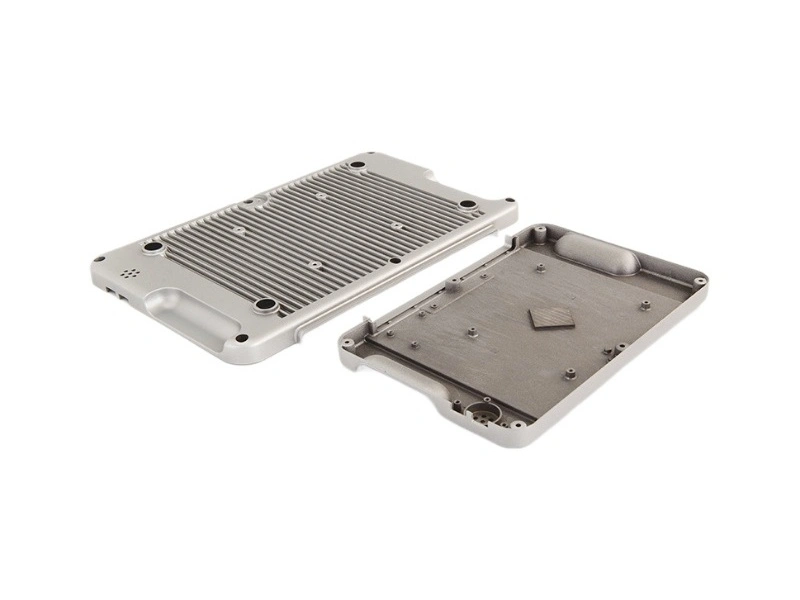
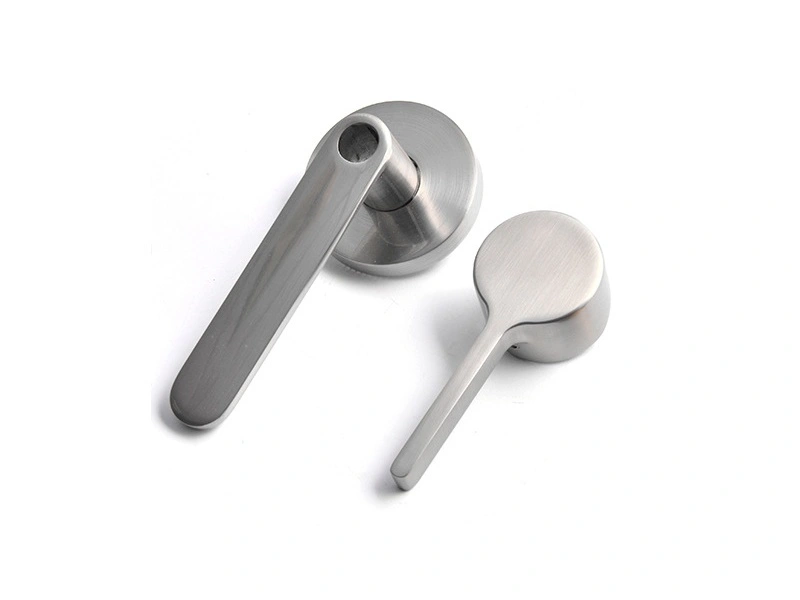
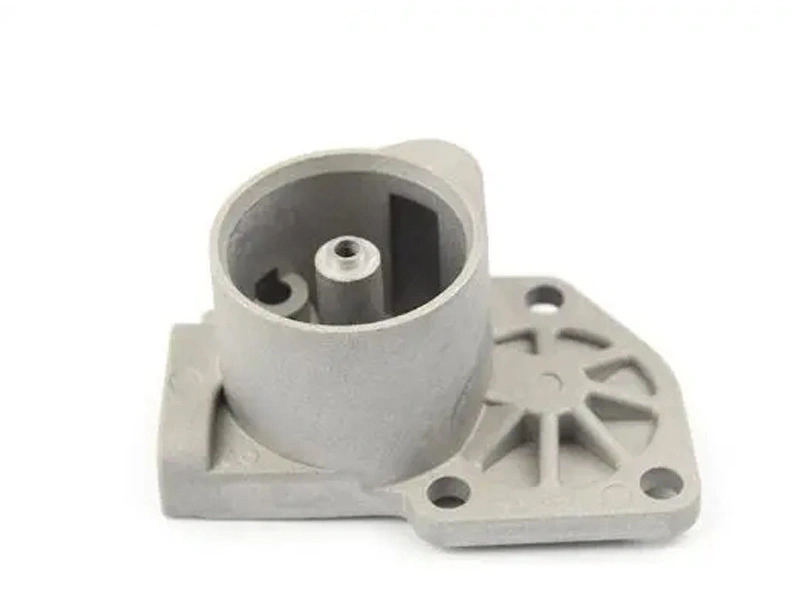
Custom zinc die casting parts often include small holes, threads, hinges, locating pins, snap-fit features, plated surfaces and visible cosmetic faces. These features may look small on the drawing, but they can decide whether the finished part assembles smoothly, moves correctly, looks acceptable after finishing and performs reliably in the final product.
If the buyer does not define these areas early, the supplier may treat the part as a general zinc casting. That can lead to poor assembly fit, visible tooling marks, coating interference, unstable hole positions or expensive mold corrections after trial production.
Feature Area | Why It Matters | Suggested Control |
|---|---|---|
Threaded hole | It affects fastening strength and screw engagement. | CNC machining, tapping control or thread gauge inspection. |
Hinge area | It affects movement, rotation and product feel. | Dimensional inspection and trial assembly. |
Cosmetic face | It affects visible appearance and customer value. | Tooling, parting line and finishing control. |
Locating pin | It controls assembly position and repeatability. | Tight tolerance review and inspection planning. |
Plated surface | It affects both appearance and assembly clearance. | Coating thickness control and surface quality review. |
2. Which Areas Can Remain As-Cast and Which Need Machining?
Many non-functional areas of zinc die cast parts can remain as-cast, especially internal walls, non-contact ribs, hidden surfaces and general housing shapes. However, functional areas such as threaded holes, tight locating features, contact faces, sliding areas, hinge regions and sealing surfaces may need machining or closer dimensional control.
For custom zinc die casting projects, buyers should not simply request high tolerance on every dimension. A better approach is to mark functional dimensions, cosmetic surfaces, plated surfaces and assembly interfaces clearly. Neway can support CNC post-machining for zinc castings when critical areas need more accuracy than the as-cast process can provide.
3. How Drawings Should Mark Functional and Cosmetic Requirements
A useful drawing should separate functional dimensions from general casting dimensions. It should also identify visible cosmetic faces, plated surfaces, contact surfaces, datum features and areas where ejector marks, parting lines or gate marks are not acceptable. This prevents tooling decisions from damaging the final appearance or function of the part.
For example, if a cosmetic face is not marked before mold design, a parting line or ejector mark may appear on the visible side. If a plated surface is not planned early, coating thickness may later reduce clearance or affect assembly.
Drawing Note | Purpose | Manufacturing Benefit |
|---|---|---|
Critical dimension | Marks a feature that affects fit or function. | Helps define machining and inspection requirements. |
Cosmetic surface | Identifies visible areas. | Helps avoid parting lines, gate marks and ejector marks on key faces. |
Plating area | Shows where coating will be applied. | Allows coating thickness and surface quality to be planned. |
Datum feature | Defines the reference for machining, inspection or assembly. | Improves dimensional consistency. |
4. Common Risks When Critical Features Are Not Defined
If cosmetic faces are not defined, tooling marks may appear on visible surfaces. If hole tolerances are unclear, assembly problems may appear only after finishing or final build. If post-machining allowance is not planned, the supplier may not have enough material to correct important features. If all dimensions are set too tightly, the quotation may become unnecessarily high.
For high-value custom zinc die casting parts, buyers should request critical feature review before mold manufacturing. This allows Neway to review drawings, identify assembly risks, plan post-machining, and use CMM inspection for zinc die cast components when important dimensions must be verified.
Summary
Buyer Question | Recommended Action |
|---|---|
Which features need the most attention? | Focus on threaded holes, hinges, locating pins, snap-fit areas, cosmetic faces and plated surfaces. |
Should all dimensions use tight tolerance? | No. Tight control should be applied only to functional and cosmetic-critical features. |
When is CNC post-machining needed? | Use machining for features that need better accuracy than as-cast zinc die casting can provide. |
When should Neway review the part? | Before tooling, especially when the part has assembly, plating, cosmetic or motion requirements. |