How Should Surface Finishing Be Planned for Custom Zinc Die Cast Parts?
How Should Surface Finishing Be Planned for Custom Zinc Die Cast Parts?
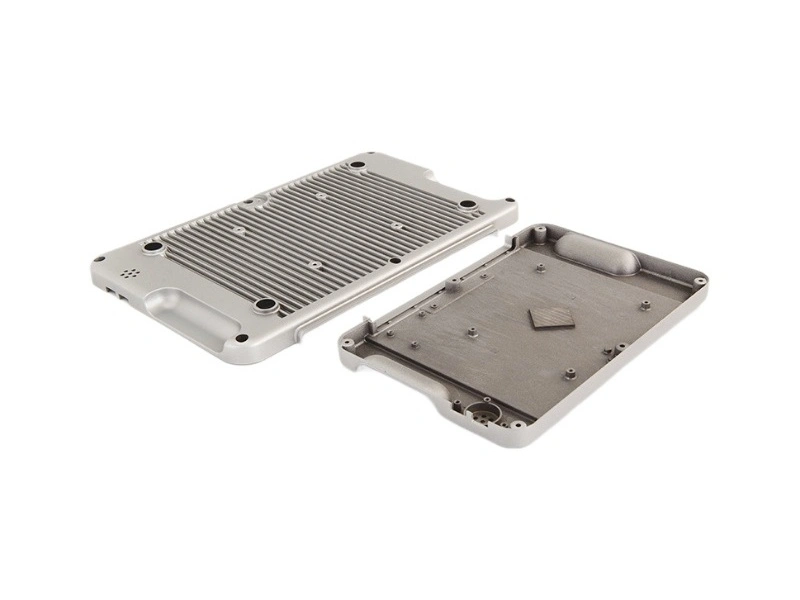
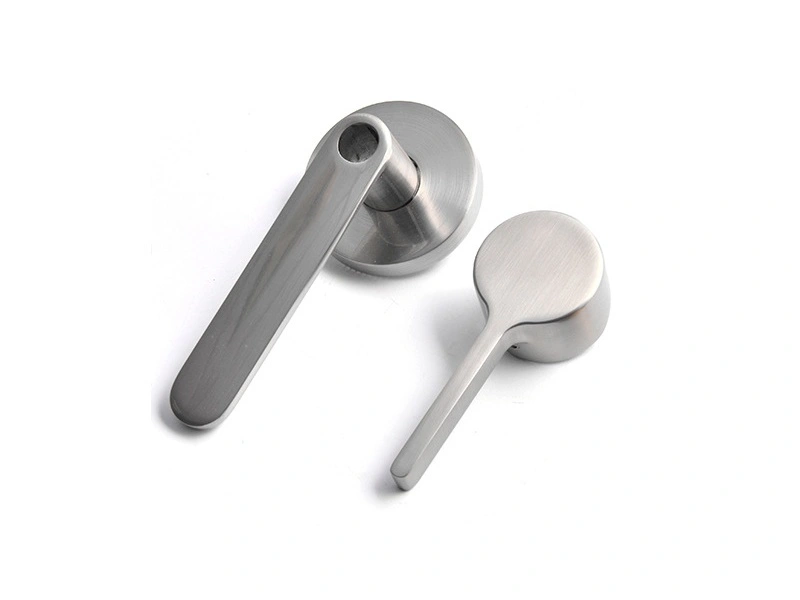
Surface finishing for custom zinc die casting parts should be planned before tooling because plating, painting, powder coating, polishing and decorative coatings all affect appearance, thickness, corrosion resistance and assembly fit. Cosmetic surfaces must be defined early so the mold design, gate location, ejector layout and finishing process can support the final product requirement.
1. Why Surface Finishing Should Be Planned Before Tooling
Zinc die casting is often used for decorative parts, consumer-facing components, hardware, handles, connector housings and premium metal parts. These parts may require bright plating, painted color, powder coating, polishing or decorative coatings. However, finishing quality depends heavily on the base casting quality and tooling layout.
If cosmetic surfaces are not marked before tooling, parting lines, ejector marks or gate marks may appear on visible areas. If plating thickness is not considered, holes, snap-fit areas, threads and assembly gaps may become too tight after finishing.
Finish Type | Main Purpose | Key Planning Point |
|---|---|---|
Electroplating | Decorative appearance and corrosion protection. | Control cosmetic faces, base surface quality and coating thickness. |
Painting | Color, appearance and branding. | Review adhesion, masking areas and visible surfaces. |
Powder coating | Durability and protective coating. | Plan coating thickness and assembly clearance. |
Polishing | High visual quality. | Check defect sensitivity and surface flatness. |
Decorative coating | Premium appearance and surface value. | Control batch consistency and visible defects. |
2. How Cosmetic Surfaces Affect Mold Design
Cosmetic faces should be marked on drawings before mold design. This allows the tooling team to avoid placing parting lines, gates, ejector marks or heavy polishing-sensitive areas on the most visible surfaces. For zinc die cast parts that will be plated or polished, small casting defects can become more visible after finishing.
Neway can combine zinc die casting with post processing for zinc die cast parts to help buyers connect casting design with finishing expectations. This reduces the risk that a casting blank passes dimensional inspection but fails cosmetic finishing.
3. How Coating Thickness Affects Assembly Fit
Surface finishing can change the final size of functional features. Plating, painting and powder coating may add thickness to holes, snap-fit areas, grooves, contact faces and threads. If this thickness is not considered, assembly clearance may become too small after finishing.
Buyers should identify which areas must be coated, which areas require masking and which areas need post-machining before or after finishing. This is especially important for zinc die cast components that combine cosmetic value with mechanical assembly.
Planning Issue | Possible Problem | Recommended Action |
|---|---|---|
Unmarked cosmetic face | Visible parting line, gate mark or ejector mark. | Mark cosmetic surfaces before tooling. |
Plating on tight-fit feature | Reduced clearance or assembly interference. | Review coating thickness and masking. |
Poor base casting surface | Defects become more visible after plating or polishing. | Control casting surface quality before finishing. |
Separated finishing supplier | Responsibility is unclear when appearance fails. | Use integrated casting and finishing review. |
4. How to Control Batch Appearance and Finish Consistency
For decorative zinc die cast parts, batch consistency is important. Color, brightness, coating thickness, gloss level and surface texture should be confirmed with approved samples. Buyers should keep a finishing standard or golden sample so later batches can be compared against the approved appearance.
Neway can support painted zinc die cast components, powder coated parts and decorative coatings for zinc castings. When surface durability is important, wear-resistant coatings for die cast parts can also be evaluated based on the application.
Summary
Buyer Concern | Best Planning Method |
|---|---|
The part has a visible surface. | Define cosmetic faces before tooling and control parting line placement. |
The part will be plated or polished. | Control base casting quality because finishing can reveal defects. |
The part must assemble after coating. | Plan coating thickness, masking and critical dimensions. |
The part requires stable appearance in batches. | Use approved samples, visual standards and batch consistency control. |