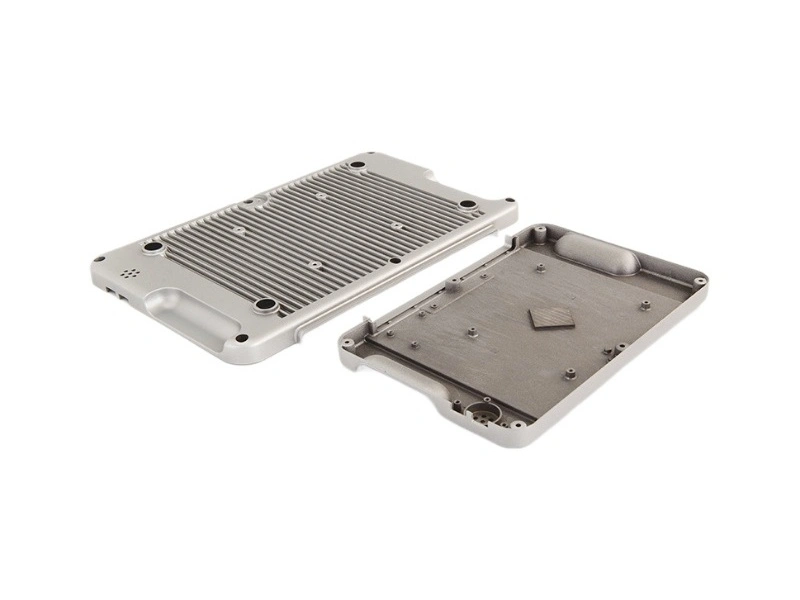
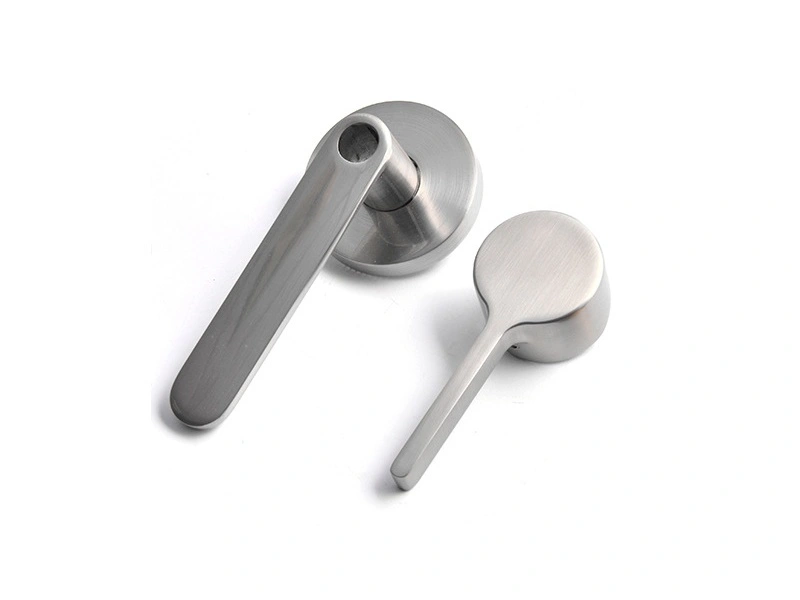
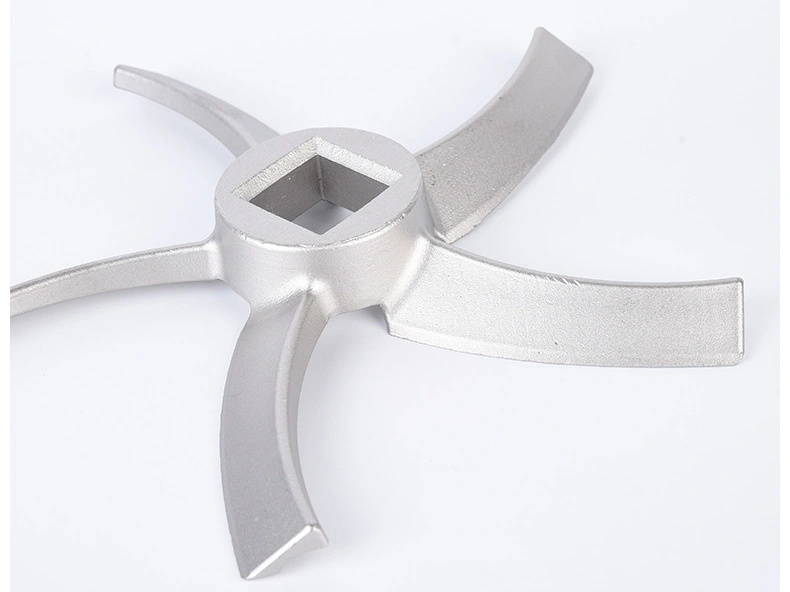
How Should Custom Zinc Die Casting Projects Move From Sample Approval to Repeat Production?
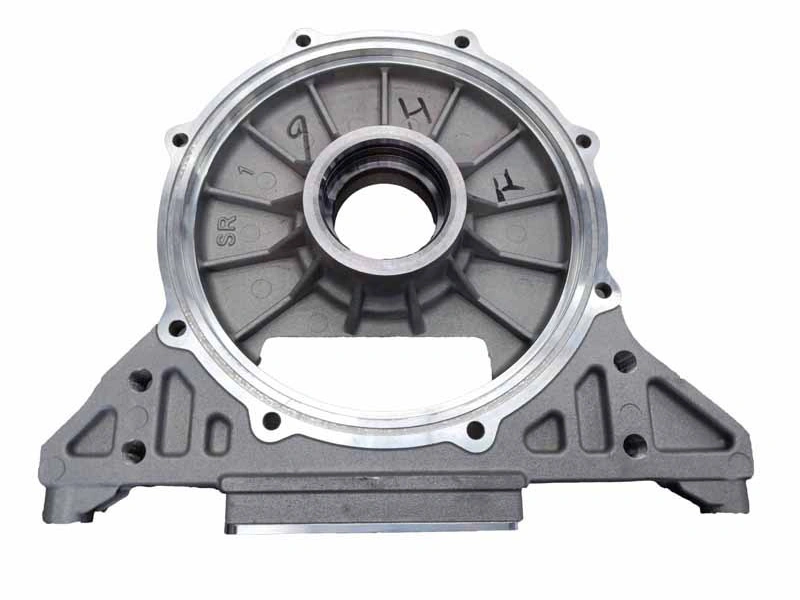
How Should Custom Zinc Die Casting Projects Move From Sample Approval to Repeat Production?
Custom zinc die casting projects should move from sample approval to repeat production only after material, tooling, key dimensions, surface finish, post-machining, inspection standards and packaging requirements are confirmed. A qualified sample is the starting point, not the end of production planning. Buyers should turn the approved sample into a repeatable manufacturing standard.
1. Why Sample Approval Is Only the Starting Point
A sample can prove that the design is feasible, but repeat production requires process control. Later batches must match the approved sample in dimensions, appearance, plating quality, assembly fit and packaging condition. Without clear standards, a supplier may produce acceptable first samples but fail to maintain stable quality in long-term orders.
Before repeat orders begin, buyers should confirm alloy grade, tooling condition, critical dimensions, surface finish standard, post-machining areas, inspection method, assembly requirement and packaging instruction.
Production Item | Before Repeat Orders | Control Method |
|---|---|---|
Material | Confirm zinc alloy grade. | Material record and batch traceability. |
Tooling | Confirm mold condition and approved mold status. | Tooling maintenance and repair records. |
Dimensions | Confirm critical features and tolerances. | Inspection checklist and CMM inspection when required. |
Surface finish | Confirm approved appearance sample. | Visual standard and finishing batch control. |
Assembly | Confirm fit, movement and function. | Trial assembly record and functional check. |
Packaging | Confirm surface protection and shipping method. | Packaging instruction and handling control. |
2. Why Golden Sample and Inspection Checklist Are Important
A golden sample helps define what the repeat production part should look like and how it should fit. This is especially important for zinc die cast parts with plating, painting, polishing, cosmetic faces or assembly requirements. The golden sample should be supported by a clear inspection checklist, not used as the only quality reference.
The inspection checklist should include critical dimensions, finish requirements, post-machining areas, thread quality, burr control, cosmetic defects, coating thickness, assembly fit and packaging protection. Neway can support CMM inspection when critical dimensions need stable verification.
3. How to Control Repeat Production Quality
Repeat production quality depends on stable casting parameters, mold condition, zinc alloy control, machining fixtures, surface finishing standards and inspection records. Buyers should confirm whether the supplier has a process for batch traceability, tooling maintenance, quality records and version control.
Neway can support mass production for zinc die cast parts with zinc die casting quality control, process control and inspection planning. This helps reduce the risk of batch-to-batch variation after sample approval.
Repeat Production Risk | Possible Cause | Control Method |
|---|---|---|
Color or brightness variation | Surface finishing batch difference. | Use approved sample and visual standard. |
Dimensional drift | Mold wear, fixture wear or process change. | Use inspection checklist and fixture control. |
Flash or burr increase | Tooling wear or poor maintenance. | Use tooling maintenance and mold condition checks. |
Wrong product version | Drawing update not synchronized. | Use drawing revision and production version control. |
Shipping damage | Poor packaging for finished surfaces. | Use approved packaging instruction. |
4. Why Tooling Maintenance and Version Control Matter
Zinc die casting molds can change during repeated production. Wear, insert damage, flash growth or surface changes may affect part quality. For long-term repeat orders, tooling maintenance for zinc die casting should be part of the production plan.
Version control is also important. If the drawing changes after sample approval, the mold, machining program, inspection checklist, finishing standard and packaging method may also need updates. Without version control, repeat orders may be produced according to outdated requirements.
5. How Neway Supports Repeat Production and Packaging
Neway can help buyers move from custom zinc die casting sample approval to repeat production by coordinating tooling, casting, post-machining, surface finishing, inspection, assembly and packaging. This reduces long-term purchasing risk because the production standard is built around the approved part, not only around a one-time sample.
For finished or cosmetic zinc die cast components, packaged zinc die cast components should be protected from scratches, impact, coating damage and mixed-version delivery.
Summary
Buyer Question | Recommended Control |
|---|---|
Is sample approval enough for repeat production? | No. Buyers also need material, tooling, inspection, finishing and packaging standards. |
How can later batches match the approved sample? | Use golden samples, inspection checklists, process records and batch traceability. |
How can tooling-related variation be reduced? | Use tooling maintenance, mold condition records and repair tracking. |
How can long-term purchasing risk be reduced? | Use coordinated casting, machining, finishing, inspection, assembly and packaging control. |